The words “lunch” and “luncheon” might seem interchangeable, but they represent distinct dining experiences with their own unique characteristics. While both revolve around midday meals, the subtle differences between them speak volumes about cultural contexts, formality levels, and social expectations.
You’ve probably used these terms yourself, perhaps wondering if they truly mean different things. From casual workplace lunches to formal charity luncheons, understanding the distinction helps you navigate social situations with confidence. The difference goes beyond mere semantics—it influences everything from appropriate attire to expected behavior and even the types of food typically served.
What Is Lunch? A Modern Mealtime Defined
Lunch represents the midday meal commonly eaten between breakfast and dinner, typically consumed between 12:00 PM and 2:00 PM in most cultures. It’s characterized by accessibility, efficiency, and practicality to fuel daily activities during working hours.
Origins and Evolution of Lunch
The concept of lunch emerged during the Industrial Revolution when work schedules became more structured and standardized. Before this period, most people followed agricultural rhythms, eating their main meal at midday when farm work paused. The term “lunch” itself derives from the older English word “luncheon,” first appearing in written records around the 16th century as “nuncion” or “nuncheon,” meaning a noon drink.
By the 19th century, lunch had evolved into a distinct meal category as urbanization and factory work schedules created new eating patterns. The packed lunch became popular during this era, with workers carrying food in metal containers to sustain them through shifts. Innovations like the Thermos (invented in 1892) and specialized lunch boxes in the early 20th century revolutionized portable midday dining options.
Lunch in Contemporary Culture
Today’s lunch practices vary dramatically across cultures, reflecting regional customs, workplace norms, and lifestyle trends. In American culture, lunch often takes form as quick 30-60 minute breaks featuring sandwiches, salads, or fast food. The average American lunch break has shortened from 60 minutes in the 1990s to approximately 36 minutes today, according to workplace studies.
Mediterranean cultures maintain longer lunch periods, with Spanish “siesta” traditions allowing 2-3 hour breaks for substantial meals and brief rest. Japanese bento culture emphasizes balanced, visually appealing packed lunches with distinct compartments for different food groups. School lunches represent another cultural touchpoint, with national programs like France’s three-course meals versus America’s more casual cafeteria style.
The rise of “desk lunch” culture has transformed this meal into a multitasking opportunity. Approximately 62% of American office workers eat at their desks regularly, contributing to what sociologist’s call “lunch isolation.” Digital ordering platforms and meal delivery services like Grubhub, Uber Eats, and DoorDash have further modified lunch behaviors, making diverse cuisine options accessible without leaving workplaces.
Business lunches, the closest relative to formal luncheons, continues to serve important networking functions, though they’re typically shorter and less formal than true luncheons. These professional gatherings blend convenience with purposeful social interaction, occuping a middle ground between casual lunch and formal luncheon experiences.
What Is a Luncheon? The Formal Gathering Explained
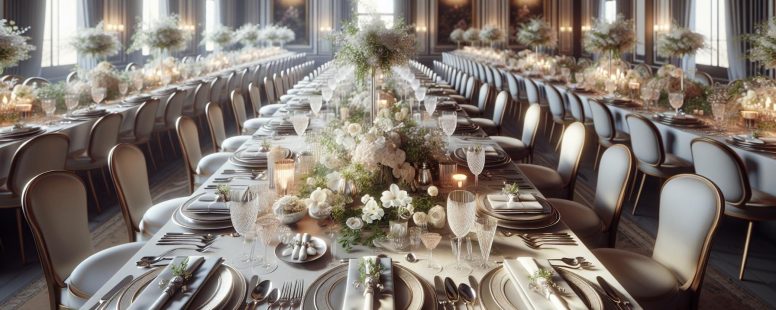
A luncheon is a formal midday meal event that emphasizes social interaction, refined dining, and specific etiquette standards. Unlike everyday lunch, luncheons are planned gatherings with deliberate structure, often featuring multiple courses and following predetermined protocols.
Historical Roots of Luncheons
Luncheons originated in the 17th and 18th centuries among European aristocracy as elaborate daytime social affairs. These gatherings provided opportunities for nobles to display wealth, forge political alliances, and engage in meaningful social discourse away from evening balls. By the Victorian era (1837-1901), luncheons had become codified social events with strict etiquette rules governing everything from invitation timing to appropriate conversation topics.
The term “luncheon” derives from the Middle English “nonechenche,” referring to a light meal eaten between main meals. In the 19th century, upper-class women embraced luncheons as rare social spaces they could control, hosting events without male supervision in an era of limited female authority. These “ladies’ luncheons” established many traditions that persist today, including floral centerpieces, specialized menu items like chicken salad and tea sandwiches, and formal table settings.
Modern Luncheon Occasions
Today’s luncheons serve specific social and professional purposes across various contexts. Charity luncheons raise funds for organizations through ticket sales, silent auctions, and donation opportunities while providing networking benefits for attendees. Business luncheons help professional relationship-building in a more relaxed setting than conference rooms, though they retain formality through structured agendas and professional conduct expectations.
Celebratory luncheons mark milestones such as weddings, retirements, or graduations. These events typically feature:
Formal invitations sent 3-6 weeks in advance
Set menus with multiple courses
Assigned seating arrangements
Planned activities or speeches
Dress codes requiring business or cocktail attire
Holiday luncheons have became seasonal traditions for many organizations, providing opportunities to recognize employees’ contributions while fostering team cohesion outside normal work environments. Many hotels and restaurants offer special luncheon packages during Christmas, Easter, and Mother’s Day, continuing the tradition of luncheons as significant social occasions.
Cultural variations exist across regions, with British luncheons maintaining stricter formality than their American counterparts, which have gradually incorporated more casual elements while preserving the event’s distinguished nature.
Key Differences Between Lunch and Luncheon
Lunch and luncheon, though both centered around midday meals, differ significantly in several key aspects. These distinctions go beyond mere terminology and reflect contrasting social contexts, expectations, and dining experiences.
Formality and Setting
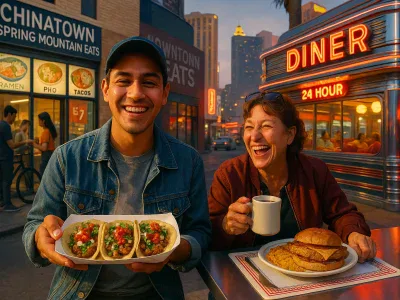
Lunch typically occurs in casual settings like cafeterias, restaurants, homes, or workplaces. It’s characterized by relaxed atmospheres where you’re free to dress comfortably in everyday attire. A typical lunch might happen at a sidewalk café, office break room, or kitchen table with minimal preparation for the setting itself.
Luncheons, by contrast, take place in formal venues such as hotel ballrooms, private dining rooms, or upscale restaurants. These occasions demand more refined attire—business casual at minimum, with many requiring business professional or even semi-formal dress. The setting for a luncheon often includes thoughtful decorations, formal table settings with proper place cards, and sometimes even carefully selected centerpieces for each table.
Purpose and Occasion
Lunch serves primarily functional purposes—providing nourishment and brief breaks during the day. You might have lunch to refuel during work, catch up with a friend, or simply satisfy hunger. The focus remains on the meal itself rather than the social ceremony surrounding it.
Luncheons are organized for specific occasions or objectives beyond simple nourishment. These events include professional networking gatherings, charity fundraisers, celebration of milestones like retirements or graduations, and ceremonial events. A women’s club might host a spring luncheon to welcome new members, while a corporation could arrange a recognition luncheon to honor top performers. The meal serves as a vehicle for the broader social or professional purpose.
Menu and Presentation
Lunch menus offer flexibility and vary widely from simple sandwiches to hot meals. Options typically include single-course meals, though some may extend to two courses. Presentation remains straightforward and functional, emphasizing convenience over elaborate arrangement. A typical office lunch might consist of a sandwich, salad, or leftovers from last night’s dinner.
Luncheon menus feature carefully planned, multi-course offerings often determined weeks in advance. These usually include an appetizer, main course, and dessert at minimum, with formal service protocols. The presentation emphasizes visual appeal with attention to plating techniques, garnishes, and complementary dishware. During a charity luncheon, you’ll likely encounter a printed menu at your place setting, describing each course in detail.
Duration and Timing
Lunch typically lasts 30-60 minutes, especially in workplace settings where time constraints exist. The meal focuses on efficiency, allowing for quick service and consumption before returning to daily activities. Most Americans spend less than 30 minutes on their weekday lunches.
Luncheons extend for several hours, generally running between 2-3 hours or longer. These events follow structured timelines that include pre-meal mingling, formal introductions, speeches or presentations, and unhurried dining. A typical business luncheon might begin with 30 minutes of networking, followed by seating announcements, welcome remarks, the meal itself, and concludes with a keynote address before formal closure.
When to Use the Term “Luncheon” vs. “Lunch”
Choosing between “lunch” and “luncheon” depends on the context, occasion, and setting of your midday meal. The terms aren’t interchangeable even though their similar meanings, as each carries distinct connotations and expectations.
Professional and Social Contexts
Professional settings often dictate when to use “luncheon” instead of “lunch.” Use “luncheon” when referring to a formal midday gathering with a specific purpose beyond simply eating. Business luncheons typically include planned agendas, formal invitations, and designated speakers. For example, a Chamber of Commerce luncheon or a fundraising luncheon for a non-profit organization requires more formality in both language and behavior.
Reserve “lunch” for casual, everyday meal situations with colleagues or friends. When you’re grabbing a quick bite between meetings or meeting a friend at a local café, “lunch” is the appropriate term. Business lunches maintain professional decorum but lack the ceremonial elements of luncheons. They’re focused on relationship-building or discussing work matters in a relaxed environment.
Social occasions also determine terminology choice. Use “luncheon” for celebratory events like bridal showers, retirement parties, or honorary gatherings where the meal is part of a larger social ceremony. These events often include special decor, formal attire, and planned activities beyond dining.
Regional and Cultural Considerations
Regional customs significantly influence when to use each term. In the Southern United States, “luncheon” remains common for ladies’ social gatherings and community events, reflecting the region’s emphasis on traditional hospitality. Southern luncheons frequently incorporate regional specialties and ceremonial touches like place cards and centerpieces.
British English tends to preserve more traditional distinctions, with “luncheon” reserved for formal affairs and “lunch” for everyday meals. British social clubs and organizations regularly host luncheons with established protocols and expectations for member behavior and attire.
Cultural background affects terminology choice across different communities. In many Asian cultures, the concept of a formal midday meal differs from Western traditions, making “luncheon” less common except in westernized business contexts. Japanese business culture, for instance, has adopted the concept of formal luncheons primarily for international business relationships.
Age demographics also influence terminology preference. Older generations are more likely to use “luncheon” for formal gatherings, while younger people generally prefer “lunch” regardless of the setting. This generational difference reflects broader cultural shifts toward more casual communication styles.
When traveling internationally, be aware that these terms carry different weight depending on the country’s your visiting. In Australia, “lunch” dominates everyday speech, with “luncheon” appearing almost exclusively in formal written invitations or high-society gatherings.
Popular Luncheon Types and Formats
Luncheons come in various formats, each serving distinct purposes across professional, charitable, and social spheres. These structured midday gatherings adapt their formality, menu choices, and protocols according to their specific objectives while maintaining their characteristic refinement.
Business Luncheons
Business luncheons function as strategic platforms for professional relationship-building, deal-making, and corporate discussions. These events typically take place in private dining rooms, upscale restaurants, or corporate conference facilities with carefully arranged seating to help meaningful conversation.
Corporate luncheons often feature pre-set menus with three courses—appetizer, entrée, and dessert—designed to be impressive yet not overly complicated. The food presentation maintains professional standards without being distracting from the business discussions at hand.
At business luncheons, you’ll find name placards, printed agendas, and often designated speaking times for key participants. The timing is precisely scheduled, typically lasting 90 minutes to two hours, respecting executives’ valuable time constraints. Companies like Goldman Sachs, Microsoft, and General Electric regularly use these formal gatherings to strengthen client relationships, celebrate partnerships, or introduce new leadership.
Charity and Fundraising Luncheons
Charity and fundraising luncheons combine elegant dining experiences with philanthropic objectives, creating powerful platforms for raising awareness and funds. These events transform hotel ballrooms, country clubs, and cultural institutions into sophisticated venues adorned with thematic decorations, donor recognition displays, and auction items.
The menus at fundraising luncheons balance impressiveness and cost-efficiency, featuring premium ingredients prepared in visually appealing ways. Organizations often incorporate symbolic food elements that connect to their cause—sustainable seafood for environmental charities or cultural dishes for international aid groups.
These events follow a distinct structure with a welcome reception, formal meal, testimonials from beneficiaries, and a clear call-to-action for donations. The American Cancer Society’s annual “Hope Luncheon” exemplifies this format, raising millions through table sponsorships, silent auctions, and pledge drives in a two-hour refined midday format. Charity luncheons generally include recognition opportunities for major donors, such as naming rights for programs or prominent mention in printed materials.
Many fundraising luncheons feature celebrity speakers or award presentations to draw attendees and create memorable moments. The Metropolitan Museum of Art’s Spring Luncheon has become famous for its combination of cultural significance, social prestige, and successful fundraising, attracting both corporate and individual donors who value the opportunity to support the arts while enjoyng a sophisticated dining experience.
Conclusion
Understanding the distinction between lunch and luncheon goes beyond mere semantics. While lunch serves your daily sustenance needs in casual settings with efficiency in mind, luncheons create meaningful social connections through formal gatherings with specific protocols.
Your choice between these terms reflects your understanding of social context and cultural expectations. When deciding which is appropriate, consider the formality, purpose, venue and audience of your midday meal.
Whether you’re grabbing a quick sandwich at your desk or attending an elegant charity event, recognizing these differences helps you navigate social situations confidently. The evolution of both concepts continues to reflect changing workplace dynamics, cultural values and social priorities in our increasingly diverse society.
To provide the best experiences, we use technologies like cookies to store and/or access device information. Consenting to these technologies will allow us to process data such as browsing behaviour or unique IDs on this site. Not consenting or withdrawing consent, may adversely affect certain features and functions.
Functional
Always active
The technical storage or access is strictly necessary for the legitimate purpose of enabling the use of a specific service explicitly requested by the subscriber or user, or for the sole purpose of carrying out the transmission of a communication over an electronic communications network.
Preferences
The technical storage or access is necessary for the legitimate purpose of storing preferences that are not requested by the subscriber or user.
Statistics
The technical storage or access that is used exclusively for statistical purposes.The technical storage or access that is used exclusively for anonymous statistical purposes. Without a subpoena, voluntary compliance on the part of your Internet Service Provider, or additional records from a third party, information stored or retrieved for this purpose alone cannot usually be used to identify you.
Marketing
The technical storage or access is required to create user profiles to send advertising, or to track the user on a website or across several websites for similar marketing purposes.