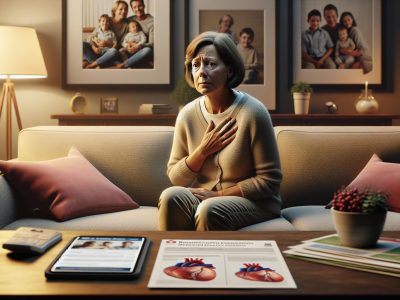
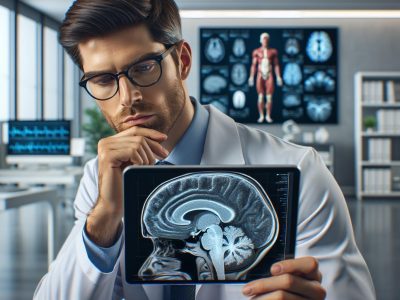
Ever wondered about the intricacies of a stroke? It’s not as straightforward as you might think. There are actually two main types, ischemic and hemorrhagic strokes, each with its own causes and symptoms.
Imagine this: You’re in your doctor’s office hearing these terms for the first time. Wouldn’t it be helpful to understand what they really mean? In this text, we’ll investigate into their differences – from how they occur to why they matter for treatment options.
So if you’ve ever been puzzled by medical jargon or just want a clearer understanding of strokes – stick around! We’re going on an enlightening journey through the complexities of our incredible brains.
Understanding Stroke: A Brief Overview
Stroke, a medical condition characterized by an abrupt disruption of blood supply to the brain, is fundamentally divided into two main categories. These are ischemic and hemorrhagic strokes.
Ischemic Stroke
An ischemic stroke happens when a clot blocks or plugs a blood vessel in your brain. This obstruction results in reduced oxygen-rich blood flow to that specific area of the brain – leading to potential cell death within minutes if not resolved quickly enough.
Statistically speaking, approximately 87% of all strokes fall under this category according to data from The American Heart Association. For instance, it’s much like stepping on a garden hose obstructing water flow; similarly here except it involves our most vital organ – the human brain!
Hemorrhagic Stroke
On contrast stands hemorrhagic stroke caused by bleeding within or around your cerebrum due to ruptured vessels. Unlike its counterpart where blockage occurs, excessive internal pressure builds up as more and more blood pools forming hematomas which can be deadly unless treated promptly with surgical interventions for example.
It accounts roughly 13% of total reported cases based on Centers for Disease Control and Prevention statistics showing how lesser common but equally lethal these types could turn out being at any given time period without prior warning signs detected early enough through routine health checks etcetera.
Understanding Ischemic Stroke
Ischemic stroke, the most common type of stroke, accounts for approximately 87% of all strokes. It’s characterized by a clot obstructing blood flow to the brain.
Causes and Risk Factors of Ischemic Stroke
Underlying conditions often contribute to ischemia in your brain. Hypertension stands out as a leading cause; it increases pressure on arterial walls that can lead to blockages or narrowed vessels over time. Atrial fibrillation, which causes irregular heart rhythms and poor blood flow, also presents a high risk factor.
Diabetes too escalates this danger due its role in fostering fatty deposits on vessel linings — another route towards potential clots forming within arteries supplying the brain with essential oxygenated blood. Other contributing factors include obesity, sedentary lifestyles (due lack physical activity), smoking habits (damaging interior lining arteries) or age groups above 60 years old who naturally exhibit wear-and-tear changes within their vascular system.
Symptoms and Diagnosis of Ischemic Stroke
Recognizing symptoms promptly allows quicker medical intervention during an ischemic episode – where ‘time is indeed brain’. Common signs include sudden numbness one side body—especially face arms legs—or severe headache without known cause could indicate imminent trouble brewing internally! Difficulty speaking understanding speech coupled confusion are further tell-tale indicators warrant immediate attention from healthcare providers nearby!
Upon suspicion these aforementioned signals diagnostic procedures like CT scans MRI imaging would be employed verify presence any clotting event causing obstruction cerebral circulation thereby confirming diagnosis formally upon inspection radiological reports accordingly.
Treatment and Recovery from Ischemic Stroke
Swift response defines success rates following onset early warning manifestations previously mentioned earlier paragraphs crucial achieving favourable prognosis post-stroke patients seen universally across global medical practices observed routinely emergency settings everywhere around world today certainly life-saving measure truly cannot underscore enough importance timely treatment therapeutic options available nowadays present effective means alleviating deleterious effects associated neuronal cell death inflicted consequent ischemia developing within brain tissues affected as such.
Primarily, clot-busting drugs (like tPA or tissue plasminogen activator) might be administered intravenously to dissolve the obstruction and restore blood flow. In some cases, a catheter is threaded through an artery in your groin up to your blocked vessel; this procedure called thrombectomy aims at mechanically removing clots directly from source itself thereby facilitating improved circulation once again inside patient’s cerebral vasculature network above all else indeed most certainly!
Understanding Hemorrhagic Stroke
Moving from ischemic strokes, let’s investigate into hemorrhagic strokes. These are less common but equally significant.
Causes and Risk Factors of Hemorrhagic Stroke
Hemorrhagic stroke occurs when a blood vessel in your brain ruptures or leaks. This leakage leads to bleeding within the brain tissue itself (intracerebral hemorrhage) or around it (subarachnoid hemorrhage). High blood pressure, overuse of anticoagulants and antiplatelet drugs like aspirin, trauma such as serious falls, aneurysms that burst open — these could all trigger this type of stroke.
Risk factors amplify the possibility for a person developing a condition; they don’t necessarily cause it directly. In terms of risk factors specific to hemorrhagic stroke: age plays its part — with individuals older than 55 being at greater risk; lifestyle habits such as excessive alcohol consumption or tobacco use can contribute too; certain diseases including diabetes mellitus increase chances significantly.
Symptoms and Diagnosis of Hemorrhagic Stroke
Identifying symptoms promptly is vital in managing any kind of medical emergency – even more so with strokes because each moment lost means potential damage caused by lack-of-blood-supply continues unabatedly. For someone experiencing a possible hemorrhagic event watch out for severe headaches often described as ‘the worst headache ever’, sudden weakness on one side—facial drooping perhaps—or paralysis completely along one half body area which would be quite noticeable since control-movements tend to go awry then suddenly nausea might occur accompanied by vomiting besides becoming unusually sleepy followed closely by loss consciousness altogether—if you see signs immediately seek medical help without delay!
Diagnosis typically involves imaging techniques similar those used during evaluation ischemic episodes namely CT scans MRIs but may also include cerebral angiography where dye injected arteries highlight anomalies MRI helps determine exact location extent injury giving physicians crucial information about how best proceed treatment.
Treatment and Recovery from Hemorrhagic Stroke
Treating hemorrhagic stroke primarily involves stopping the bleeding, reducing pressure in your brain, stabilizing vital signs including blood pressure. Medications are administered to control seizures or relieve hydrocephalus (a buildup of fluid on the brain). In more severe cases where aneurysms have burst or arteriovenous malformations exist – surgery may be required; these procedures aim at repair ruptured vessels prevent future bleeds.
Recovery depends largely extent damage caused by bleed location affected part’s function before incident took place—some regain complete functionality while others might need rehabilitation therapy learn how handle tasks which were once second nature them like walking talking even eating! Patience persistence key here along with support loved ones healthcare professionals involved care process remember it’s journey not sprint every little progress step closer full recovery possible.
Key Differences Between Ischemic and Hemorrhagic Strokes
While ischemic and hemorrhagic strokes share the commonality of being types of cerebral vascular accidents, they diverge in several significant aspects. Understanding these differences is paramount to effective treatment.
Differences in Causes and Risk Factors
Ischemic strokes have their roots primarily in clot formation, often due to conditions such as hypertension or atrial fibrillation that promote this occurrence. Diabetes, obesity, a sedentary lifestyle—each contributes to increasing your risk for an ischemic stroke.
In contrast with its counterpart’s cause by blockage, hemorrhagic strokes arise from ruptured vessels within or around the brain resulting into bleeding. The use of anticoagulants can potentially increase chances for a bleed-out while high blood pressure remains one critical factor at play here too. Trauma-induced vessel damage also falls under causative factors associated with hemorrhagic incidents.
Differences in Symptoms and Diagnosis
Though both forms present sudden numbness on one side of the body among symptoms suggestive of cerebrovascular disease presence; severe headache is more commonly experienced during a hemorrhagic event than an ischemic attack where it may not be so prominent.
The diagnostic procedure involves imaging techniques like CT scans or MRIs which are instrumental across either case type but specific detection methods such as angiography find particular relevance when diagnosing bleeds inside cranial cavity following suspected rupture events (hemorrhages).
Difference In Treatment And Recovery
When managing an acute phase post-ischemia incident occurs through using thrombolytic agents like tPA aimed at breaking down formed clots restoring blood flow back towards affected regions thereby mitigating further tissue loss consequences arising out from inadequate perfusion levels received over time periods wherein occlusion persisted causing deficit development initially noted upon presentation itself before therapeutic interventions could get initiated against identified underlying causal etiology involved there behind observed clinical picture presented up front right away immediately after onset onset event happening initially at very beginning of whole pathological process setting off series of chain reactions finally leading up to observable manifestation form we usually associate with typical stroke like scenario commonly encountered under routine clinical practice situations.
Hemorrhagic strokes, on the other hand, necessitate a different approach. Primary focus revolves around cessation attempts targeted towards ongoing bleed while simultaneously working out measures aimed towards stabilizing patient’s vital parameters until situation gets brought back under control fully allowing for next steps involving long term recovery planning stages coming into picture soon after acute phase management goals get achieved successfully without any further complications developing in between meanwhile during interim period spent since initial admission till date when all active issues got addressed effectively enabling shift in care plan direction from immediate survival needs fulfilment towards rehabilitation oriented efforts initiation primarily focusing upon functionality restoration aspect most importantly above everything else considering ultimate aim behind entire treatment strategy adopted right from start itself that is ensuring maximum possible return back onto normal life activities participation degree as was case before unfortunate incident happened causing sudden unexpected disruption within previously smooth sailing journey traversing along pre-set path direction chosen by individual himself/herself based upon personal preferences alone aside anything else mattering least here given higher priority assigned over subjective well-being considerations first place instead looking purely objective outcome measurement criteria solely restricting judgment basis limited only unto physical health status evaluation leaving no room left for emotional or mental aspects inclusion whatsoever even though their equally significant role play often getting overlooked unfortunately due to biased perspective taking precedence over holistic viewpoint necessary enough today’s context especially now more than ever before making it absolutely essential recognizing this fact accepting reality moving forward together unitedly striving hard achieving shared common goal i.e., total comprehensive healthcare delivery provision guarantee universally accessible everyone everywhere irrespective geographical location boundaries demarcation existing there separating one region another artificially created dividing lines drawn based merely political reasons rather than practical ones essentially serving no real purpose eventually except creating unnecessary hurdles obstacles way progress development across global platform level playing field where every player has equal opportunity succeed based purely merit alone rather than any other factor.
Impact of Strokes on Quality of Life
Strokes, both ischemic and hemorrhagic, significantly impact individuals’ quality of life. This influence extends beyond physical limitations to cognitive function, emotional wellbeing, and social interactions.
Physical Impacts
Strokes lead to various physical impairments including mobility issues such as paralysis or muscle weakness primarily affecting one side of the body (hemiparesis). Besides, visual disturbances like partial or complete loss of vision in one eye may occur post-stroke. Balance problems also arise frequently due to damage inflicted upon parts involved with coordination.
Cognitive Effects
Cognitive abilities get often affected by strokes too. Difficulties in attention span and memory are common aftermaths for stroke survivors. Language impairment known as aphasia – which hampers speaking ability along with understanding written or spoken words – manifests among some victims.
Emotional Consequences
Stroke patients grapple not only with physiological changes but mental health challenges as well. Depression ranks high among these psychological impacts witnessed after a stroke event; approximately 30% percent experience it at least once during recovery according an American Heart Association report from 2014[^1^]. Anxiety disorders aren’t rare either: research indicates that about a quarter wrestle this condition following their ordeal[^2^].
Social Outcomes
The road toward recovering from a stroke isn’t solely paved by medical treatments alone; societal aspects weigh heavy too on this journey back towards normalcy. Returning into work force becomes challenging while maintaining relationships might turn strenuous amidst changed circumstances brought forth by impaired communication skills alongside altered personality traits.
References:
Strategies for Prevention of Ischemic and Hemorrhagic Strokes
Stroke prevention revolves around managing risk factors, maintaining a healthy lifestyle, and regular medical check-ups. A disciplined approach can significantly reduce stroke incidence.
Managing Risk Factors
Risk factor management forms the cornerstone of ischemic and hemorrhagic strokes’ preventive measures. High blood pressure or hypertension tops this list—it’s identified as the leading cause in both types of strokes. Regular monitoring helps control it before complications arise.
Similarly, conditions such as diabetes mellitus require stringent glucose level checks to prevent worsening vascular health—remember, high sugar levels damage vessels over time which could lead to clot formation or ruptures.
Heart diseases like atrial fibrillation increase your chances of developing clots; hence timely identification is crucial—a healthcare provider typically prescribes anticoagulants in these cases but with strict supervision given their potential side-effects including increased bleeding risks.
Other modifiable risk factors include obesity and elevated cholesterol levels—adopting balanced diets rich in fruits, vegetables coupled with low-fat dairy products help maintain optimal body weight while also keeping those LDL (“bad”) cholesterol numbers at bay.
Maintaining Healthy Lifestyle Habits
The adoption of wholesome habits contributes significantly towards preventing both ischemic and hemorrhagic strokes:
Engage regularly in physical activities: Studies indicate that adults who exercise 30 minutes daily are less prone to develop any type.
Limit alcohol intake: Moderation here is key—an excess amount increases blood pressure directly contributing to either aneurysm rupture (hemorrhagic) or clot formation (ischemic).
Avoid tobacco use altogether: Smoking accelerates clotting by thickening your blood besides damaging overall cardiovascular health—the CDC confirms smokers have twice the stroke-risk compared non-smokers!
Regular Medical Check-Ups
Timely detection plays pivotal role when comes controlling disease progression thereby reducing associated risks linked each kind stroke—you’re advised consult healthcare professionals annually who can guide you through necessary tests such as cholesterol levels, blood pressure monitoring etc.
In case a genetic predisposition exists (like familial aneurysms), additional screening measures may be recommended for early identification and intervention—medical advancements today have made it possible to address these conditions before they become life-threatening.
Conclusion
Understanding the differences between ischemic and hemorrhagic strokes is crucial. These variations dictate symptoms, diagnosis methods, treatments, recovery paths, and prevention strategies. While both types share common risk factors like hypertension or lifestyle habits – each stroke type has unique characteristics that demand specific attention.
Ischemic strokes stem from blood clots interrupting flow to your brain; they’re prevalent yet treatable if caught early with clot-busting drugs or procedures like thrombectomy. Hemorrhagic strokes result from ruptured vessels causing bleeding within the brain requiring immediate action to stop this bleed and stabilize you.
Beyond physical implications of a stroke such as paralysis or muscle weakness lie emotional challenges including depression anxiety along with cognitive impairments impacting social interactions significantly influencing one’s quality of life post-stroke hence adopting a holistic approach in care can make all the difference in recovering functionality after these cerebral events.
Also prevention remains key managing health conditions engaging in regular activity limiting alcohol intake avoiding tobacco use coupled with routine check-ups for early detection are steps toward reducing your chances for experiencing any kind of stroke remember it’s not just about knowing what happens when a stroke occurs but also how to prevent it before happening.
To provide the best experiences, we use technologies like cookies to store and/or access device information. Consenting to these technologies will allow us to process data such as browsing behaviour or unique IDs on this site. Not consenting or withdrawing consent, may adversely affect certain features and functions.
Functional
Always active
The technical storage or access is strictly necessary for the legitimate purpose of enabling the use of a specific service explicitly requested by the subscriber or user, or for the sole purpose of carrying out the transmission of a communication over an electronic communications network.
Preferences
The technical storage or access is necessary for the legitimate purpose of storing preferences that are not requested by the subscriber or user.
Statistics
The technical storage or access that is used exclusively for statistical purposes.The technical storage or access that is used exclusively for anonymous statistical purposes. Without a subpoena, voluntary compliance on the part of your Internet Service Provider, or additional records from a third party, information stored or retrieved for this purpose alone cannot usually be used to identify you.
Marketing
The technical storage or access is required to create user profiles to send advertising, or to track the user on a website or across several websites for similar marketing purposes.