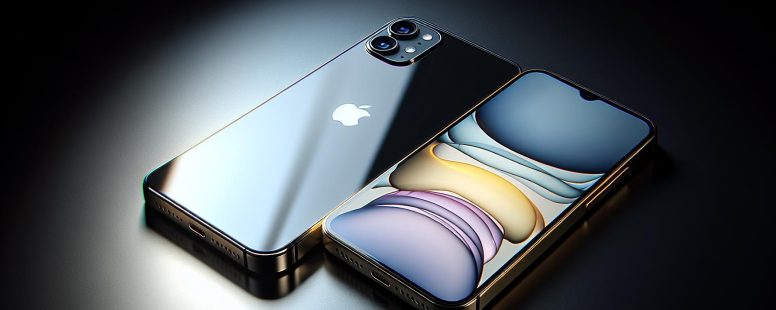
Imagine holding two sleek, gleaming devices in your hands, both promising a world of technological wonders. The iPhone X and iPhone XS, at first glance, might seem like twins in the smartphone universe, yet they harbor distinct differences that could sway your next purchase. As you investigate into their world, you’ll uncover nuances that set them apart, from performance enhancements to subtle design tweaks.
Are you curious about which device offers a better experience for your daily digital adventures? The iPhone XS boasts advancements that might surprise you, offering a refined journey through its enhanced processing power and camera capabilities. Meanwhile, the iPhone X remains a beloved classic, known for its innovative leap in design. By exploring the contrasts between these two models, you can make an well-informed choice that aligns with your tech-astute lifestyle. Dive deeper, and let the subtle symphony of technology guide your choice.
Design and Build Quality
When comparing the design and build of the iPhone X and XS, you’ll find subtle but significant differences. Both models share a luxurious feel, yet they cater to different preferences.
Dimensions and Weight
The iPhone X and XS look nearly identical. The iPhone X measures 5.65 inches in height and 2.79 inches in width, with a depth of 0.30 inches. It weighs 174 grams. The iPhone XS maintains the same dimensions but weighs slightly more at 177 grams. This minor increase in weight is due to enhancements in build components.
Material and Color Options
About materials, both iPhones feature a durable glass front and back with a stainless steel frame. The iPhone XS offers additional resilience due to improved water and dust resistance, holding an IP68 rating compared to the iPhone X’s IP67.
In terms of color, the iPhone X is available in Space Gray and Silver. The iPhone XS brings an added choice of a luxurious Gold finish, broadening your palette. This difference allows you to select a device that matches your style preferences.
Display Features
Explore the stunning display features of the iPhone X and iPhone XS. Both models wow users with their screen technology but there are some key differences.
Screen Size and Resolution
The iPhone X and XS each boast a 5.8-inch Super Retina OLED display, providing vivid colors and extraordinary clarity. Both models share a resolution of 2436 x 1125 pixels with a pixel density of 458 ppi. This ensures sharp visuals and high-quality imagery. While the screens are the same size, the iPhone XS includes advancements in color accuracy and HDR support, elevating the viewing experience.
Color Accuracy and Brightness
iPhone XS improves on the iPhone X when it comes to color accuracy and brightness. The XS offers a better color gamut and precision, making visuals more lifelike. HDR10 support further enhances dynamic range and contrast. With a peak brightness reaching up to 625 nits, the iPhone XS is easier to view under sunlight compared to the iPhone X. When watching colorful content or engaging in visually rich apps, you’ll notice the XS provides a more vibrant display.
Performance and Hardware
Both the iPhone X and iPhone XS offer high-quality performance, with the XS delivering noteworthy improvements. Understanding these differences helps you choose the right device for your needs.
Processor and RAM
The iPhone X features the A11 Bionic chip, whereas the iPhone XS uses the more advanced A12 Bionic chip. The A12 integrates a 7nm design which enhances efficiency and processing speed. You get a noticeable boost in graphics performance, aiding in better gaming and multitasking experiences. The iPhone X has 3GB of RAM, while the iPhone XS comes with 4GB. This additional RAM means the iPhone XS handles more apps running simultaneously without slowing down, offering superior multitasking capabilities.
Storage Options
The iPhone X arrives with two storage options: 64GB and 256GB. Conversely, the iPhone XS expands your choices with a 512GB model plus to the 64GB and 256GB options. This provides ample space for your apps, videos, and photos, which is ideal for power users. If you store large files or plan to record numerous high-resolution videos, the 512GB option gives a significant advantage by eliminating storage concerns.
Camera Capabilities
The iPhone XS camera outshines the iPhone X with advancements that offer richer photography experiences. If you’re considering upgrading, understanding these enhancements is crucial.
Primary Camera Features
Both iPhone X and iPhone XS sport a dual 12MP camera system. But, the XS introduces Smart HDR, which captures more details in high-contrast scenarios. This technology, combined with the enhanced sensor, means better low-light performance and more detailed images. For example, the XS allows vivid night photos by reducing noise and improving color accuracy. Optical image stabilization (OIS) features are present in both models, but the XS benefits further from larger and deeper pixels for sharper results.
Front Camera Enhancements
The front camera on the iPhone XS feels like a significant leap from its predecessor. Though maintaining the same 7MP resolution, it integrates an improved sensor and faster processor, enabling enhanced Portrait Mode with Depth Control. This adjustment lets you fine-tune the background blur for DSLR-like aesthetics. The Smart HDR adds more finesse to selfies by balancing shadows and highlights, providing selfies with sharper outlines and natural skin tones in varying lighting conditions.
When considering these cameras, remember the differences in dynamic range and image processing capabilities may significantly impact your photography experience on daily basis.
Battery Life and Charging
Investigate into the battery dynamics of the iPhone X and XS, where subtle differences can impact your daily usage. Unlike the innovation you see in other aspects, battery life is a less flashy, yet vital feature.
Battery Capacity
Both models have non-removable batteries but introduced changes that affect longevity. The iPhone X has a 2,716 mAh capacity, whereas the iPhone XS features a slightly larger 2,658 mAh battery. Even though this reduction in size, the XS optimizes through its A12 chip for better efficiency. While numbers offer a snapshot, the context paints a fuller picture: the XS typically manages a similar all-day performance to the X even though its lower capacity due to energy-saving advancements.
Charging Speeds and Options
Charging methods are another arena of incremental updates. Both phones support fast charging, enabling up to 50% charge in 30 minutes using an 18W adapter, sold separately. Wireless charging through Qi-certified chargers remains available, providing convenience without cables. Yet, in scenarios demanding speed and efficiency, wired charging still leads. Evaluating these features highlights how technology balances familiar comforts and evolving performance.
Additional Features
When it comes to additional features, the iPhone XS surpasses the iPhone X in subtle yet impactful ways. Apple’s focus on enhancing user experience through small, calculated improvements sets the iPhone XS apart.
Face ID Improvements
Both the iPhone X and XS use Face ID technology for secure authentication. But, the iPhone XS incorporates a faster and more efficient version. The XS uses advanced algorithms and improved sensors. These refinements make revealing your device quicker and more reliable even in low light. It’s as if your phone recognizes you at a glance, adapting to changes in your appearance over time.
Water and Dust Resistance
Water and dust resistance capabilities offer peace of mind. The iPhone X holds an IP67 rating, allowing it to withstand submersion in up to 1 meter of water for 30 minutes. In contrast, the iPhone XS boasts an IP68 rating. This upgrade means it can endure depths of up to 2 meters for the same duration. Drop your XS into a pool accidentally, and it’ll emerge unscathed, ensuring durability even in unexpected situations.
Price and Availability
The iPhones X initially retailed for around $999, while the XS started at a similar price point upon launch in 2018. Prices have since fluctuated, reflecting their available stock and condition in the market.
New devices may be challenging to find, although refurbished units frequently appear. The iPhone XS generally site slightly higher in price due to its upgraded features, especially when factoring in storage capacities, e.g., the 512GB model. Retailers and online platforms like Amazon and eBay frequently list these models with varying price tags, offering options to compare deals.
For availability, the iPhone XS tends to have wider presence in online marketplaces given its more recent release. In physical stores, both models might be spotted occasionally, predominantly as pre-owned selections. Nevertheless, purchasing from authorized resellers ensures devices are genuine and quality-assured, protecting against counterfeit products.
Conclusion
Choosing between the iPhone X and iPhone XS eventually depends on what you value most in a smartphone. If you’re drawn to cutting-edge performance and enhanced camera features, the iPhone XS stands out with its A12 Bionic chip and Smart HDR capabilities. Its improved water resistance and additional color option might also appeal to those seeking a more robust and versatile device. On the other hand, the iPhone X remains a strong contender with its iconic design and reliable performance. Consider your priorities in terms of design, performance, and budget to decide which model aligns best with your needs.
Published: October 26, 2024 at 5:15 am by Ellie B, Site owner & Publisher
To provide the best experiences, we use technologies like cookies to store and/or access device information. Consenting to these technologies will allow us to process data such as browsing behaviour or unique IDs on this site. Not consenting or withdrawing consent, may adversely affect certain features and functions.
Functional
Always active
The technical storage or access is strictly necessary for the legitimate purpose of enabling the use of a specific service explicitly requested by the subscriber or user, or for the sole purpose of carrying out the transmission of a communication over an electronic communications network.
Preferences
The technical storage or access is necessary for the legitimate purpose of storing preferences that are not requested by the subscriber or user.
Statistics
The technical storage or access that is used exclusively for statistical purposes.The technical storage or access that is used exclusively for anonymous statistical purposes. Without a subpoena, voluntary compliance on the part of your Internet Service Provider, or additional records from a third party, information stored or retrieved for this purpose alone cannot usually be used to identify you.
Marketing
The technical storage or access is required to create user profiles to send advertising, or to track the user on a website or across several websites for similar marketing purposes.