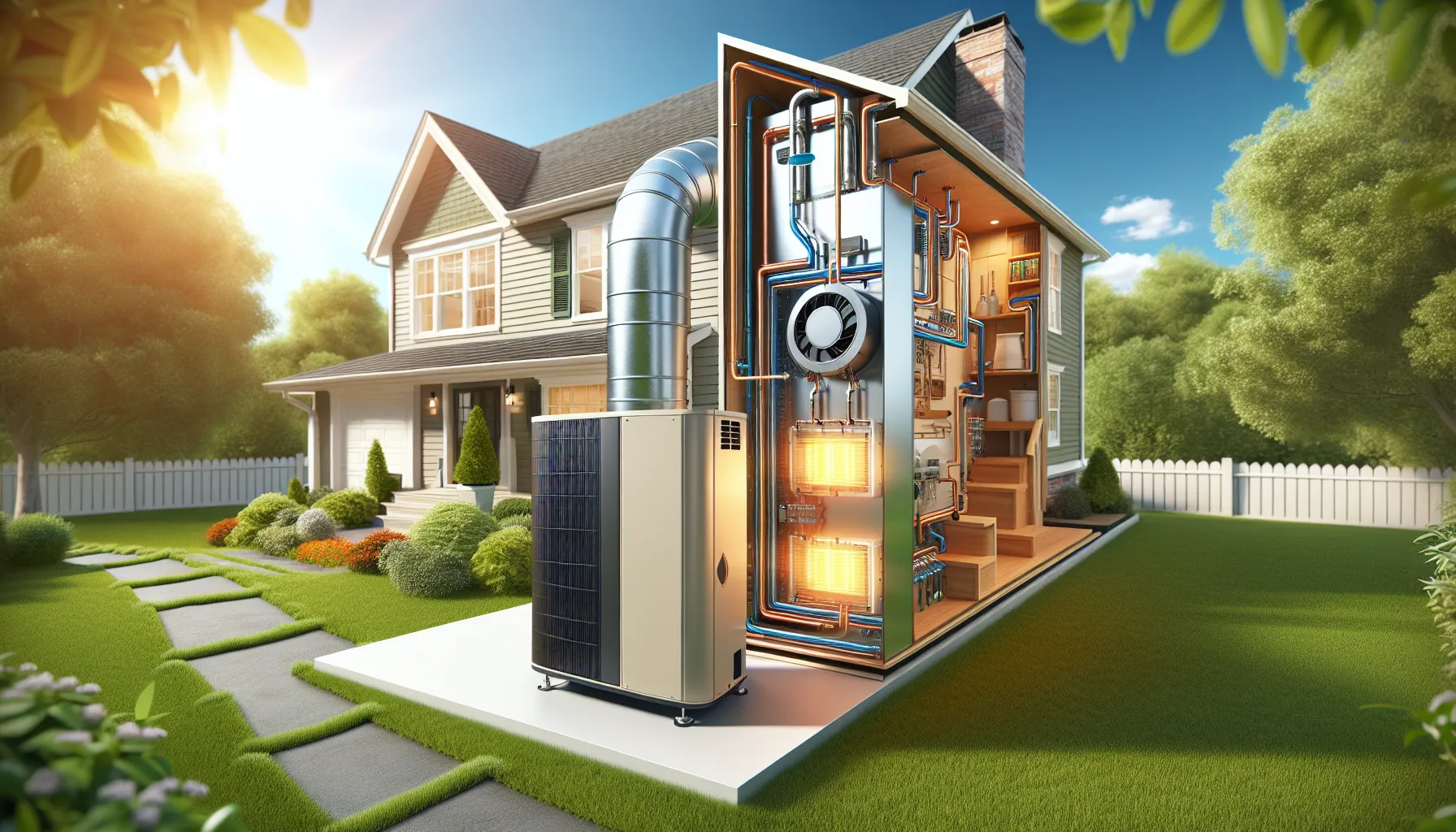
When selecting a heating system for your home, understanding the options available is crucial to making an well-informed choice. Among the prevalent choices are heat pumps and furnaces, each boasting unique operating mechanisms, energy efficiencies, and suitable applications. This article provides an in-depth comparison, helping you evaluate their respective advantages and decide which system aligns best with your requirements.
Understanding Heating Systems
How Heat Pumps Work
Heat pumps function by transferring thermal energy from one location to another, typically from outside to inside during colder months and reversing the process for cooling during warmer months. This system predominantly employs refrigerant cycles for heat movement, providing efficient climate control.
How Furnaces Work
Furnaces generate heat by combusting fossil fuels or utilizing electricity. They distribute this warmth throughout your living space via a duct system. This traditional approach is highly effective in producing rapid and significant temperature changes.
Key Components of Each System
Heat pumps rely on components such as compressors, evaporators, and reversing valves to execute their versatile operations. Contrarily, furnaces depend on burners, heat exchangers, and blowers, which are integral to their combustion-based warmth delivery.
Energy Efficiency Comparison
Heat pumps generally excel in energy efficiency, particularly in moderate climates, as they move heat rather than generating it directly. Furnaces, while efficient in generating heat, can have varying energy efficiencies depending on the type and model.
Performance in Various Climates
Heat pumps are ideal for temperate zones where winters are mild, while furnaces tend to outperform in regions experiencing harsh, cold conditions. Understanding your area’s climate is pivotal in deciding the suitable system.
Cost Considerations
Initial Installation Costs
Installing a heat pump often involves a higher upfront investment compared to furnaces, particularly when ductwork or auxiliary systems are required.
Maintenance and Operating Costs
Heat pumps typically incur lower operational costs due to their energy-efficient nature, though they might necessitate more frequent maintenance compared to the simpler furnace systems.
Environmental Impact
Heat pumps are considered environmentally friendly as they use existing thermal energy and can be powered by renewable electricity sources. Furnaces, especially those relying on fossil fuels, generally produce a higher carbon footprint, which might concern environmentally conscious individuals.
Choosing the Right System for Your Needs
Choosing between a heat pump and a furnace depends on factors such as your regional climate, energy preferences, budget for installation and operation, and environmental priorities. Consulting with a trusted HVAC professional might provide clarity tailored to your circumstances.
Last Updated: January 9, 2026 at 11:09 am by Ellie B, Site owner & Publisher
To provide the best experiences, we use technologies like cookies to store and/or access device information. Consenting to these technologies will allow us to process data such as browsing behaviour or unique IDs on this site. Not consenting or withdrawing consent, may adversely affect certain features and functions.
Functional
Always active
The technical storage or access is strictly necessary for the legitimate purpose of enabling the use of a specific service explicitly requested by the subscriber or user, or for the sole purpose of carrying out the transmission of a communication over an electronic communications network.
Preferences
The technical storage or access is necessary for the legitimate purpose of storing preferences that are not requested by the subscriber or user.
Statistics
The technical storage or access that is used exclusively for statistical purposes.The technical storage or access that is used exclusively for anonymous statistical purposes. Without a subpoena, voluntary compliance on the part of your Internet Service Provider, or additional records from a third party, information stored or retrieved for this purpose alone cannot usually be used to identify you.
Marketing
The technical storage or access is required to create user profiles to send advertising, or to track the user on a website or across several websites for similar marketing purposes.