In a world increasingly saturated with high-definition content and immersive media experiences, choosing the right connectivity standard for your devices becomes paramount. HDMI (High-Definition Multimedia Interface), the widespread connector bridging our electronics, has seen various evolutionary upgrades, each enhancing its ability to meet growing technological demands. Delving into HDMI 2.0 and HDMI 2.1 exposes key advancements shaping modern displays and audio systems.
Overview of HDMI Technology
Introduction to HDMI Interface Standards
Since its inception, HDMI has offered a seamless solution for transmitting high-quality video and audio through a single cable, reducing the mess of cords and ensuring compatibility across a wide range of devices.
Significance of HDMI in Modern Electronics
In modern homes, HDMI serves as the backbone of media connectivity, creating interoperability between televisions, sound systems, gaming consoles, and streaming devices.
Key Features of HDMI 2.0
Enhanced Capabilities Over Previous Versions
HDMI 2.0 expanded upon its predecessors by increasing bandwidth to support 4K resolution at 60 frames per second and enabling dual video streams on a single screen.
Use Cases and Compatible Devices
Devices utilizing HDMI 2.0 include 4K televisions, game consoles like the PlayStation 4 and Xbox One, and media streaming devices, making it ideal for a variety of high-definition setups.
Highlights of HDMI 2.1
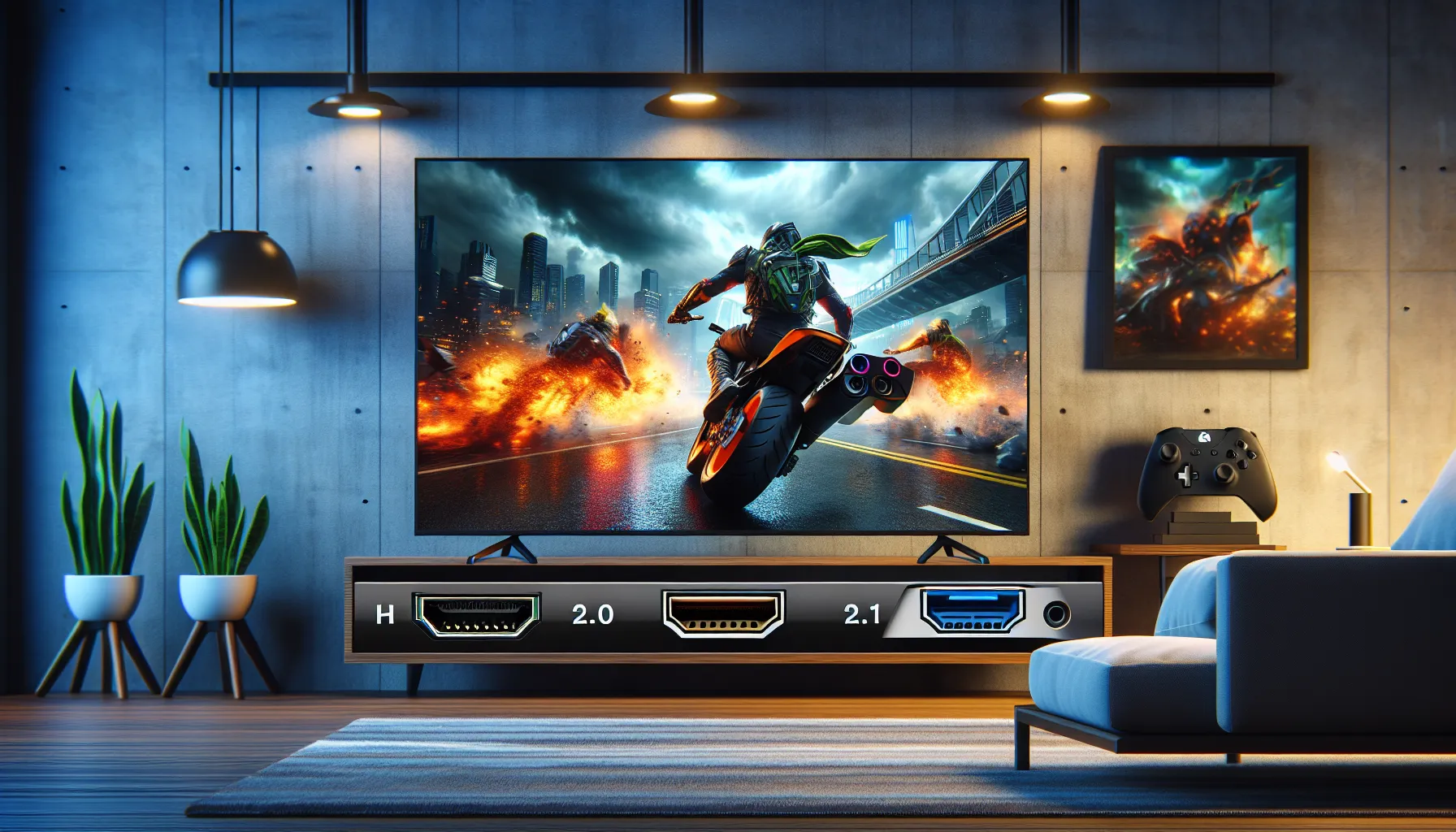
Comparison with HDMI 2.0
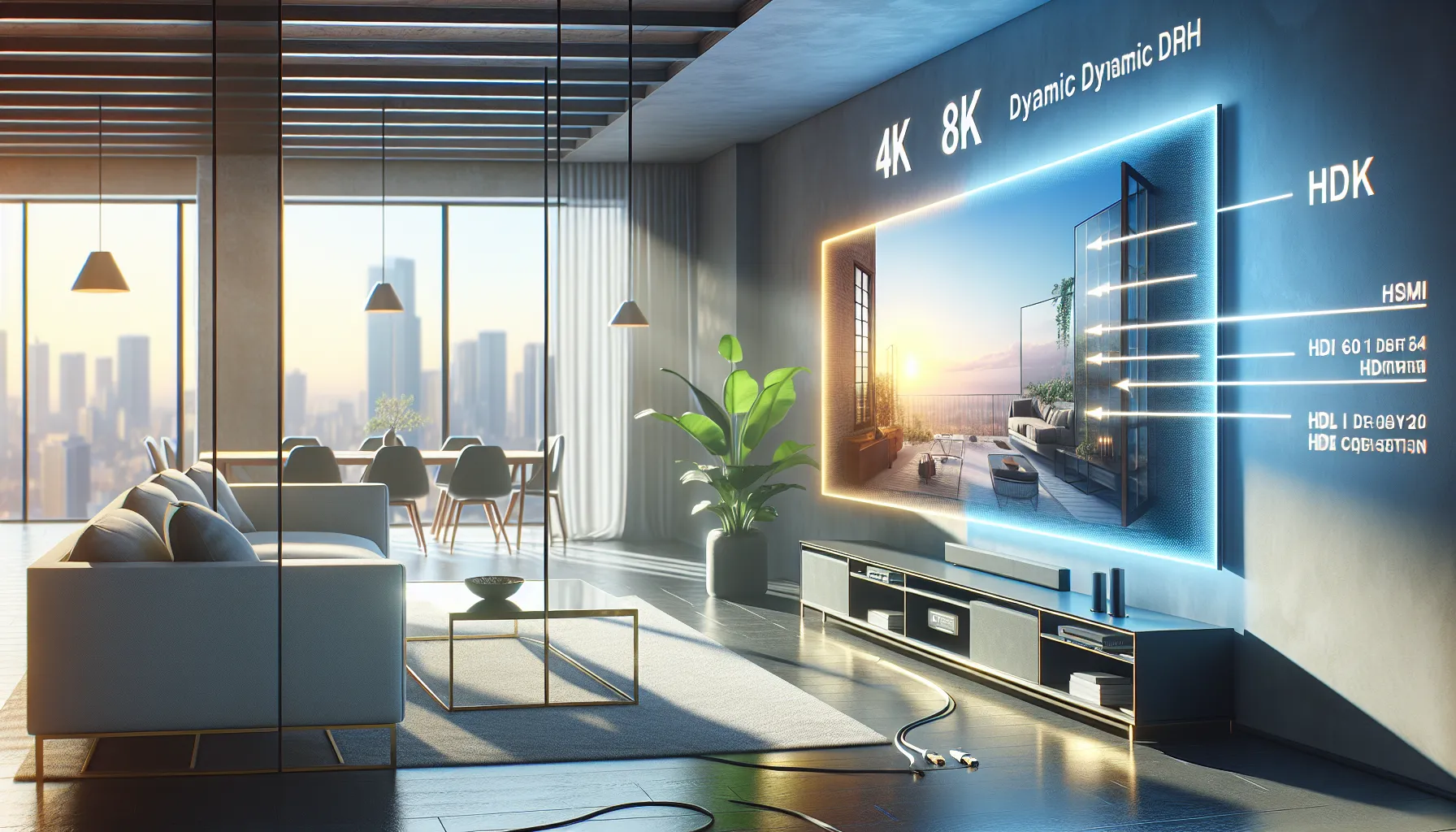
HDMI 2.1 represents a significant leap forward, boasting a bandwidth of 48Gbps compared to HDMI 2.0’s 18Gbps, allowing for unprecedented support for 8K resolution at 60fps.
Applications and Advancements
This standard caters to premium display technologies and advanced gaming capabilities like variable refresh rates, delivering smoother and visually accurate experiences.
Major Differences Between HDMI 2.0 and HDMI 2.1
Bandwidth and Resolution Support
HDMI 2.1’s increased bandwidth facilitates not only 8K resolution but also higher dynamic range and refresh rates compared to HDMI 2.0.
Features Like Dynamic HDR and Variable Refresh Rate
Dynamic HDR optimizes every visual frame depending on content and device capabilities, while VRR (Variable Refresh Rate) reduces latency and prevents screen tearing in games.
Backward Compatibility and Transitioning
Even though its advancements, HDMI 2.1 devices retain backward compatibility with older HDMI standards, making the transition to newer technology smoother and reducing obsolescence.
To provide the best experiences, we use technologies like cookies to store and/or access device information. Consenting to these technologies will allow us to process data such as browsing behaviour or unique IDs on this site. Not consenting or withdrawing consent, may adversely affect certain features and functions.
Functional
Always active
The technical storage or access is strictly necessary for the legitimate purpose of enabling the use of a specific service explicitly requested by the subscriber or user, or for the sole purpose of carrying out the transmission of a communication over an electronic communications network.
Preferences
The technical storage or access is necessary for the legitimate purpose of storing preferences that are not requested by the subscriber or user.
Statistics
The technical storage or access that is used exclusively for statistical purposes.The technical storage or access that is used exclusively for anonymous statistical purposes. Without a subpoena, voluntary compliance on the part of your Internet Service Provider, or additional records from a third party, information stored or retrieved for this purpose alone cannot usually be used to identify you.
Marketing
The technical storage or access is required to create user profiles to send advertising, or to track the user on a website or across several websites for similar marketing purposes.