Picture yourself in a bustling kitchen, the air tinged with the sharp, fresh aroma of chopped greens. You reach for a handful of slender stalks—are they green onions or spring onions? At first glance, they seem interchangeable, but a closer look reveals subtle secrets waiting to be uncovered.
Your next stir-fry or salad could take on new depth just by choosing the right one. Understanding the difference isn’t just about culinary trivia—it can unlock bolder flavors, brighter colors, and even more nutrients in your meals. Ready to discover how these vibrant veggies can transform your cooking? Let’s peel back the layers and jump into the delicious world of green onions and spring onions.
What Are Green Onions?
Green onions, sometimes called scallions, bring bright color and sharp freshness to your plate. When you spot those crisp green stalks bundled together in the produce aisle, you’re seeing a versatile allium used globally from tacos in Mexico to pajeon in South Korea.
Characteristics of Green Onions
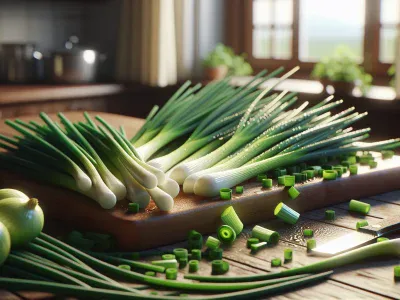
Green onions have slender, long green stalks with small white bulbs—unlike mature onions, they never form round bulbs. Both the green and white parts taste mild, with the whites being a bit sharper, more closely resembling fresh garlic than a traditional onion bulb. If you look closely at a bunch, you’ll notice that the roots are almost always still attached. Their leaves remain hollow, firm, and bright; any wilted tops often signal they’re no longer fresh.
Botanical entities place green onions in the Allium fistulosum species, as documented by the Royal Horticultural Society [RHS]. In supermarkets across the US, you’ll rarely find them labeled by their taxonomy; “scallion” and “green onion” can mean the same thing.
Common Culinary Uses
Green onions add crunch and pop to salads, salsas, noodle bowls, and stir-fries. You can eat both the white and green portions raw or cooked, unlike leeks or yellow onions which require longer cooking. If you toss chopped green onions onto miso soup or a hot baked potato, they’ll wilt just enough to mellow the sharpness while keeping color and texture.
In Chinese dumpling fillings, Japanese ramen toppings, or Vietnamese pho, green onions provide subtle onion flavor without overpowering the dish. Restaurants and home cooks often slice the green tops thinly for garnish; the whites can be sautéed to start a stir-fry or soup base.
What happens if you swap green onions in place of chives or vice-versa? You’d get different texture and a less pungent aroma, showing how ingredient choices shift the final outcome. Soil, climate, and harvest time alter the flavor: onions grown in milder weather often taste sweeter than those pulled from summer fields.
When you experiment recipes with green onions, try mixing the sliced greens over creamy dips, scatter them over grilled fish, or even blend into butter for a bright spread. The swift, simple prep makes green onions a go-to for cooks craving both speed and flavor.
What Are Spring Onions?
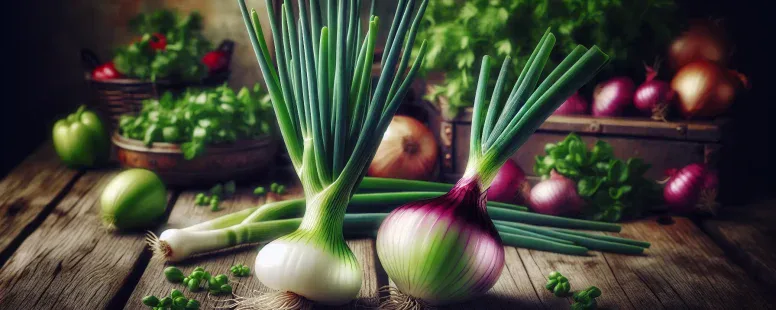
Spring onions often pop up at farmer’s markets right before other alliums, like garlic scapes or baby shallots, make their debut. You’ll notice their crisp green tops but what sets them apart is the bulb—larger and rounder than a green onion’s, hinting at the adult onion they’ll become. If you’ve ever plucked a spring onion from damp soil on an early morning, the scent lingers in your hands—sharp, peppery, almost grassy. Spring onions belong to the Allium cepa species and form a bridge between green onions and mature onions, offering more depth in both appearance and flavor.
Characteristics of Spring Onions
Spring onions display a white bulb that swells beneath the ground, unlike the slender, almost invisible base of green onions. They’re harvested while young, before the bulb fully matures and skins toughen. You’ll see the difference when placed side by side—a spring onion’s round base stands out, contrasting with the unassuming stem of green onions. Per botanical references (University of California Agriculture), their pungency intensifies closer to the base, while the green stalks retain mildness.
This distinct shape and development stage leads to different flavor notes. For example, spring onions taste more assertive, almost sulfurous, if raw, but soften into subtle, earthy notes when grilled or roasted. Some chefs describe the transformation as unlocking the “umami undertones of spring,” drawing out comparisons with baby leeks or roasted shallots.
Common Culinary Uses
Spring onions shine in dishes that highlight their larger bulbs, bringing texture and a range of flavors depending on preparation. Grilled spring onion halves, served with romesco alongside roasted meats in Catalan cuisine, create a striking visual and a memorable first bite. You might toss chopped spring onion bulbs into stir-fries, where they echo the aroma of mature onions without overpowering—think of the way they round out Korean bulgogi or add bite to Indian kati rolls.
You’ll also spot spring onions pickled whole in vinegar or soy sauce, their pale bulbs absorbing flavor while staying crisp. Italian contorni feature braised spring onions in chicken stock or white wine, sometimes under a layer of golden breadcrumbs for crunch—reminding you that every part of this vegetable brings something to the table.
Juxtapose their role with green onions: while green onions add a raw snap at the very end, spring onions can stand as a main ingredient, grilled on the barbecue or folded into savory pancakes. Ask yourself: when have you last tasted an onion where you paused, savoring not just sharpness but a spectrum from sweet to earthy in one bite? Spring onions can give you just that.
Key Differences Between Green Onion and Spring Onion
Green onions and spring onions often get grouped together but important differences set them apart in your kitchen. You’ll spot these distinctions in the way they look, taste, and even grow.
Appearance and Structure
You’ll spot green onions (Allium fistulosum) by their long slender stalks and skinny, nearly straight white bases. Picture you’re chopping a handful for your noodles – the white and green parts are barely distinguishable in thickness and look almost pencil-like. No rounded bulb forms, even if left in the ground. Spring onions (Allium cepa), on the other hand, sport a bulb that’s more globe-like; sometimes it’s white, sometimes purple or red, giving a chef a visual clue at first glance. Grab a bunch during spring harvests – the bulb’s size hints at its closer relation to a full onion, and the plant isn’t shy about showing its unique structure.
Flavor Profile
Both bring their own burst of flavor, but context matters for each. Slice open a green onion and you’ll get a mild, grassy zing; the green tops shimmer with freshness, and the white roots carry a faint sharpness, never overpower. Add them raw to tacos or salads for a crunchy, bright note. Meanwhile, spring onions carry more depth, with their bigger bulbs offering sharp, peppery undertones when raw. Toss them on the grill, and you’ll detect a transformation—suddenly sweeter and more mellow, almost buttery, thanks to caramelization (BBC Good Food). Can you picture a summer barbecue without charred spring onions beside the steak? While spring onions hold their own as mains, green onions play the reliable supporting role, always ready to uplift with subtlety.
Growing and Harvesting
The journey from seed to plate divides these two further. Green onions are direct sown or transplanted, growing fast, and harvested young – just about 60-75 days (University of Minnesota Extension). They thrive in spring or fall, forgiving gardeners for occasional lapses; you can snip greens and let them regrow, stretching the harvest for weeks. Spring onions start as regular onions, but they’re pulled early—just before maturity—similar to catching a star before its prime. This timing gives them that distinct bulb and sturdy green top, which feels heavier and more substantial in your hands. Local growers at your farmers’ market can share stories of the best bulbs coming from cool, rich loam, each batch shaped by weather and harvest timing.
Consider your next meal: what’s the story on your plate? Are green onions supporting with subtlety, or are spring onions taking the main stage with boldness? When selecting, think structure, flavor, and the journey that brought them there—each choice adds a unique angle to your culinary narrative.
How to Choose Between Green Onion and Spring Onion
Selecting between green onion and spring onion shapes the flavor profile of your recipe. Picture you’re assembling a vivid Vietnamese pho; green onions thread lightly through the broth, offering their grassy aroma like a supporting chorus. In contrast, spring onions—those with their robust bulbs—sing solo, infusing grilled kebabs with sweet depths reminiscent of late spring gardens.
You might reach for green onions if your dish demands crisp freshness—think of Baja fish tacos, Korean scallion pancakes, or New York-style bagels with cream cheese. Their slender stalks and tender leaves blend effortlessly into salsas and salads, giving crunch without overpowering. Chefs at Momofuku and Bon Appétit favor them raw for color and subtle zing, noting their ability to elevate without stealing the spotlight (see Kim, 2021, Food52).
Spring onions enter the picture when your meal needs a bolder statement, especially cooked. Their round bulbs caramelize beautifully—on rustic pizzas, or beside roast chicken—adding depth similar to a supporting actor taking center stage. Notice how in Spanish calçotadas and Indian curries, spring onions’ earthy undertones anchor the dish, turning a simple meal into a memory. Can you taste the difference when you stir them into fried rice?
Quality hinges on context. Would you garnish a cold gazpacho with spring onions, risking a pungent note? Or would you ever substitute green onions for roasted spring onions in an Ottolenghi recipe, forfeiting that extra layer of complexity? Sometimes, the vibrant green of scallions echoes early mornings at farmers markets, while the fullness of spring onions feels like dusk closing over a field.
A simple question reshapes your decision: Will you serve the onions raw or cooked? If it’s uncooked, green onions retain their color and snap, ideal for tossing over poke bowls or ramen. If caramelization or roasting becomes the heart of your preparation, spring onions jump ahead. Home cooks report their children prefer green onions sprinkled over crispy noodles, while restaurant chefs champion spring onions for slow-cooked winter stews (Epicurious Test Kitchen, 2023).
Ask yourself: What’s the destination—the crunch of a salad or the silkiness of a soup? Stand at your cutting board, consider the role: Is your onion an accent or the star? As you choose, you’re not just picking a vegetable; your picking a story, layering flavors that recall seasons, places, and shared tables.
Conclusion
Understanding the subtle differences between green onions and spring onions gives you more control over your cooking. With the right choice, you can balance flavors and textures to suit any dish.
Next time you’re shopping or prepping a meal, consider what each onion brings to the table. Whether you’re after a mild crunch or a deeper, sweeter bite, your decision can transform the final result.
Let your taste buds guide you and don’t be afraid to experiment—you might discover a new favorite way to use these versatile vegetables.
Published: July 25, 2025 at 9:06 am by Ellie B, Site owner & Publisher
To provide the best experiences, we use technologies like cookies to store and/or access device information. Consenting to these technologies will allow us to process data such as browsing behaviour or unique IDs on this site. Not consenting or withdrawing consent, may adversely affect certain features and functions.
Functional
Always active
The technical storage or access is strictly necessary for the legitimate purpose of enabling the use of a specific service explicitly requested by the subscriber or user, or for the sole purpose of carrying out the transmission of a communication over an electronic communications network.
Preferences
The technical storage or access is necessary for the legitimate purpose of storing preferences that are not requested by the subscriber or user.
Statistics
The technical storage or access that is used exclusively for statistical purposes.The technical storage or access that is used exclusively for anonymous statistical purposes. Without a subpoena, voluntary compliance on the part of your Internet Service Provider, or additional records from a third party, information stored or retrieved for this purpose alone cannot usually be used to identify you.
Marketing
The technical storage or access is required to create user profiles to send advertising, or to track the user on a website or across several websites for similar marketing purposes.