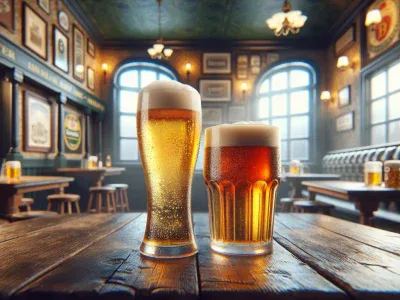
Picture yourself holding a cold glass, bubbles fizzing up to tickle your nose. The golden liquid glimmers in the light—refreshing, but is it ginger ale or beer? Both promise a lively spark on your tongue, yet what’s hiding beneath those effervescent waves might surprise you.
You might think they’re just drinks for different moods, but there’s more brewing beneath the surface. From unexpected health perks to cultural twists, the gap between ginger ale and beer is wider than you’d guess. Get ready to unravel the secrets behind their flavors and discover which one might just become your new favorite.
Understanding Ginger Ale and Beer
You grab a bubbly drink from the fridge—maybe it’s ginger ale, maybe it’s beer. Both fizz in your glass, yet each carries a story rooted in culture, science, and tradition. Ginger ale, sparkling with sweet-spicy notes, traces its origins to 19th-century Ireland, where pharmacists crafted it as a soothing tonic (Smithsonian Magazine). Beer, with its centuries-old legacy, travels farther back, weaving through ancient civilizations like Sumer and Egypt, and evolving with barley, yeast, and hops as core ingredients (Brewers Association).
Notice the dependency between each beverage and its primary function. Ginger ale often lands in hands during parties or as a remedy for upset stomachs—your grandma probably offered it when you felt queasy. By contrast, beer usually appears at sports events, barbecues, and historic rituals, symbolizing camaraderie and celebration. why children order ginger ale at restaurants, while adults opt for beer? The answer lies in their key semantic entities: alcohol content and fermentation.
Consider the structure: ginger ale typifies a soft drink, essentially a carbonated blend of water, ginger flavoring—sometimes from real ginger root, often from extracts—citric acid, and sugar or artificial sweeteners. Fermentation rarely enters the equation. Beer, but, builds its flavor through fermentation, where yeast transforms malted barley sugars into ethanol and carbon dioxide. This process not only brings depth to its taste profile—malty, hoppy, bitter, fruity—but also introduces an alcohol variable, typically around 4–8% ABV (Alcohol and Tobacco Tax and Trade Bureau).
Would you expect both to refresh, hydrate, and uplift your mood? Ginger ale quenches thirst and calms the stomach thanks to its gingerol component, believed to relieve nausea (Mayo Clinic). Beer creates its own narrative, with antioxidants like polyphenols and vitamins from yeast, yet overconsumption links to dehydration and impaired judgment (CDC). Think about the last wedding toast you witnessed—chances are, a golden pilsner stood in the glasses, not a fizzy ginger soda.
If you explore health, you see another branch of difference. Ginger ale claims a low-calorie variety, yet regular versions spike in sugar—sometimes reaching 30g per 12 fl oz. Beer varies, with craft IPAs holding 150–200 calories per 12 fl oz. You compare the labels: both list carbonation, both mention flavoring, but only beer bears a warning about alcohol.
Ask yourself: which beverage fits your occasion, mindset, or even your identity? Could the humble ginger ale, with its effervescent innocence, ever mirror the layered, ritualistic weight of beer? Each drink depends on different syntactic cues: ginger ale signals comfort and clarity, while beer denotes complexity and tradition.
Dependency structures connect words—just as ginger ale and beer connect cultures, conversations, and celebrations.
Key Ingredients and Production Processes
Key ingredients and production processes reveal why ginger ale and beer taste, look, and feel so different in your glass. While both drinks sparkle with effervescence, each follows a path shaped by unique methods and raw materials.
How Ginger Ale Is Made
Ginger ale starts with a sweet carbonated base, usually water mixed with high-fructose corn syrup or cane sugar. Manufacturers then add natural or artificial ginger flavor; Canada Dry, for example, uses real ginger extract along with citric acid and preservatives. You notice the characteristic fizz? Carbon dioxide gets pumped into the liquid after mixing, giving ginger ale its lively bubbles and crisp mouthfeel. Some craft brands, like Maine Root, use organic ginger juice that delivers a warmer, more robust spice—what kind do you prefer on a hot afternoon?
Did you ever wondered if real fermentation plays a role in classic ginger ale? Early recipes from the 1800s involved yeast and allowed the liquid to ferment lightly, resulting in a small amount of alcohol. Commercial versions today, but, skip this step and remain non-alcoholic by design, so you can sip freely at any age. Think about it: every bottle offers a gentle blend of sweet and spice, designed for comfort more than complexity.
How Beer Is Brewed
Beer’s journey reads like a tale from ancient myth, forged through the marriage of grains, hops, yeast, and water. Barley (or sometimes wheat or rye) gets malted—soaked, sprouted, then dried—to activate enzymes that’ll later break down the starches. Brewers mash these grains with hot water, producing a sugary wort, and the scent fills the air with bready warmth. Hops add bitterness and floral aroma, shaping each brand’s unique signature; IPAs like Sierra Nevada showcase pine and citrus, while German pilsners stick closer to grass and earth.
Fermentation is where beer finds its soul. Brewers pitch yeast into the cooled wort, and these microorganisms devour the sugars, releasing ethanol and carbonation. Alcohol content rises—commercial lagers typically land between 4 and 5% ABV (Alcohol By Volume), while Belgian-style ales sometimes soar past 8%. You ever wondered why no two craft beers taste exactly alike? Strain selection, brew temperature, and fermentation time create a universe of subtlety that beer enthusiasts chase from taproom to taproom.
Beverage
Base Ingredient(s)
Flavoring
Production Method
Alcohol By Volume (ABV)
Ginger Ale
Water, sugar/syrup
Ginger extract
Mixing, carbonation, pasteurization
0% (commercial types)
Beer
Barley/wheat, water
Hops, yeast
Malting, mashing, boiling, fermentation
4-8% (average)
Every step in both processes pulls you deeper into tradition, science, and culture, inviting you to choose not just a drink—but a story.
Flavor Profiles and Varieties
Drinking ginger ale and beer prompts very distinct sensory experiences, each revealing an origin story in every sip. You see bubbles dancing to the surface, but is it the promise of spice or barley that teases your nose first?
Taste of Ginger Ale
Sipping ginger ale gives you a sweet embrace spiked with ginger’s gentle fire, balancing comfort and intrigue. First, you notice the sugary effervescence—it’s like biting into candied ginger, gentle warmth blooming after a quick rush of fizz. Most brands—from Canada Dry to Reed’s—rely on cane sugar or high fructose corn syrup, layered with natural or synthetic ginger flavors (FDA, 21 CFR 184.1317). Some craft ginger ales, for example Bruce Cost or Fever-Tree, use real ginger extract, letting earthy, sharp root notes linger on your tongue long after the sweetness fades.
Some people drink ginger ale when you’re under the weather, others treat it as a mixer at a lively brunch or a dry holiday dinner. Have you ever noticed how a chilled tumbler of ginger ale can ground conversations or make spicy food taste brighter? While commercial versions taste more like a sweet soda, homemade styles—carbonated yourself, maybe—burst with grassy heat, reminiscent of fresh root and lemons from a backyard garden. Which do you prefer: the crowd-pleasing mildness or the homebrewer’s zesty punch?
Taste of Beer
Pouring beer releases a melody of scents—malty sweetness, hoppy bitterness, maybe faint fruit or even smokiness, depending on the style. Golden pilsners strike crisp and bitter, while dark stouts coat your mouth with flavors of roasted coffee, cocoa, or burnt caramel. The flavors in beer come from fermented malted barley, hops, yeast, and specialty grains, aligning with centuries-old brewing traditions from Belgium, Germany, and the US (Brewers Association, 2023).
Each beer style is a chapter in a story of place and people. A German hefeweizen sprinkles notes of banana and clove, pairing perfectly with a late-summer barbecue, while an IPA punches your palate with pine and citrus, almost daring you to take another sip. Is your go-to beer a gateway to nostalgia—college nights, Super Bowl Sunday, Oktoberfest in Munich—or does it channel curiosity about the endless nuances between brews? Most beers clock alcohol content from 4.2% to 8%, balancing refreshment with complexity. Would you reach for a crisp lager at a sunny picnic or a smoky porter by the fireplace?
Ginger ale and beer entice different moods, but both seduce the senses—one with candied spice and a promise of comfort, the other steeped in craft and centuries-old storytelling.
Alcohol Content and Health Considerations
Ginger ale and beer might appear similar from afar, with their sparkling textures dancing in the glass, but their relationship with alcohol couldn’t be more different. You might picture a cold ginger ale fizzing beside a golden pint of beer and wonder—how do their effects on the body and mind diverge?
Alcohol Levels in Each Beverage
Ginger ale contains zero alcohol in almost every mainstream brand. So, if you pick up a Canada Dry or Schweppes, you’re drinking a soft drink. Most commercial ginger ales don’t use any type of fermentation process that creates ethanol, the key intoxicating agent in alcoholic drinks. Some traditional ginger beers, not ginger ale, may have a trace amount of alcohol, but these are rare in the US marketplace.
Beer usually carries 4-8% alcohol by volume (ABV). Mainstream American lagers like Budweiser and Coors hover near 5% ABV, while craft IPAs and stouts can creep toward 7-8%. The fermentation of sugars from malted barley by Saccharomyces cerevisiae yeast is what produce this ethanol content. When you take a sip, your body metabolizes the alcohol over several hours, and you may feel anything from relaxation to impaired coordination depending on your drinking pace.
Beverage
Typical ABV (%)
Production Process
Ginger Ale
0
Carbonation, no fermentation
Beer
4-8
Fermentation of malted grains
Ginger Beer*
0.5-1 (<2 in UK)
Occasional natural fermentation
*Ginger beer shown for clarity on historical confusion. Ginger ale, your focus, does not contain alcohol.
Potential Health Impacts
Drinking ginger ale hydrates the body much like water or soda, but high sugar content, sometimes over 32 grams per can, can spike blood glucose, which might contribute to metabolic disorders if consumed frequently (see USDA FoodData Central). Some people reach for ginger ale to ease nausea—pregnant women or travelers might, for example, consider it a gentle stomach soother. Anecdotally, ginger’s compounds, like gingerol, have eased upset stomachs for centuries across multiple cultures. Yet, because most mass-market ginger ales use artificial flavoring rather than real ginger root, any health benefit may just be psychological.
Beer changes the body in more ways. Ethanol causes mild euphoria and lowers inhibitions, but it also impairs cognitive and motor skills, making driving or operating machinery risky after you drink. Beer contains polyphenolic antioxidants from hops—some studies (American Journal of Clinical Nutrition, 2019) link moderate beer consumption with lower heart disease rates, but others highlight its dehydrating effects and empty calories. One 12-ounce beer can add about 150 calories to your daily tally. Drink two or three at a party, and suddenly, your caloric intake rivals that of a fast-food meal. Overuse, , brings liver stress and addiction risk—history’s full of cautionary tales.
Ever wonder if either drink clears your mind or sharpens your senses? Ginger ale refreshes, but it doesn’t boost focus or mental clarity. Beer can sometimes spark a fleeting sense of creativity or openness in conversation, then quickly dull reaction times and memory.
If you’re picking a beverage for a picnic, a sick day, or a Saturday bar crawl, remember—ginger ale and beer aren’t equals on alcohol or health. Would you rather chase calm or embrace the unpredictable? You decide, glass in hand.
Cultural and Social Significance
Ginger ale and beer hold unique places in the tapestry of global culture. When you sip ginger ale at a family gathering, that gentle fizz might remind you of a childhood memory, maybe from a time when someone handed you a glass to calm a queasy stomach. In North America, ginger ale, like Canada Dry or Schweppes, anchors itself as a go-to mixer at parties and a comforting remedy for travelers, sick days, or post-surgery care (Mayo Clinic, 2023). People in hospitals often choose ginger ale for its non-alcoholic, mild taste, associating it with care and recovery rather than revelry or escape.
Beer, meanwhile, tell stories older than most languages still spoken today. Picture the clink of glasses at Oktoberfest in Germany or recall the roar in a packed Irish pub—beer’s cultural significance stretches across continents and centuries. Ancient Sumerians called beer “the drink of the gods”; some evidence even suggests brewery roles fell to priestesses (Smith, 2018). Today, in Belgium, beer means craft, with families passing down recipes for Trappist ales through generations, the bottles as cherished as family heirlooms. Sporting events, backyard barbecues, and weekend get-togethers, beer famously connects crowds, sets the mood, and sparks conversation.
Ask yourself: which drink turns up at milestones in your life? At weddings, champagne might take center stage for a moment, but beer flows in abundance while ginger ale finds its spot with guests who prefer toasts without spirits. The question of who drinks which, where, and why, reveals deeper layers—socioeconomic trends, religious beliefs, or personal values. For instance, in predominantly Muslim regions where alcohol is taboo, ginger ale and other soft drinks become vital for communal rituals (World Health Organization, 2021). Would beer have etched its traditions so widely if it weren’t for barley’s prevalence across early civilizations? Could ginger ale have inspired similar music, myths, or poetry if it contained just a hint of rebellion?
You see, these beverages can unite or divide, depending on the context. With beer, a round of cold lagers at a pub means belonging; with ginger ale, a can shared at a child’s birthday or on a long flight signals comfort and care. Cultural rituals—like the Japanese kanpai or British pub quiz—center on beer, turning drinking into tradition. Conversely, ginger ale sometimes steps into tradition at rites of passage for those abstaining.
Both ginger ale and beer offer more than refreshment. They’re bookmarks in the narrative of your social life. Next time you reach for either, think of the story you’re about to join—or the tradition you’ll be quietly honoring.
Conclusion
Choosing between ginger ale and beer often comes down to your mood and the occasion. Whether you’re seeking comfort or craving a unique taste experience both drinks have something special to offer.
Next time you reach for a glass think about what you’re really looking for—refreshment tradition or a bit of both. Exploring these beverages might just help you discover a new favorite and deepen your appreciation for their place in your life.
Published: July 25, 2025 at 9:06 am by Ellie B, Site owner & Publisher
To provide the best experiences, we use technologies like cookies to store and/or access device information. Consenting to these technologies will allow us to process data such as browsing behaviour or unique IDs on this site. Not consenting or withdrawing consent, may adversely affect certain features and functions.
Functional
Always active
The technical storage or access is strictly necessary for the legitimate purpose of enabling the use of a specific service explicitly requested by the subscriber or user, or for the sole purpose of carrying out the transmission of a communication over an electronic communications network.
Preferences
The technical storage or access is necessary for the legitimate purpose of storing preferences that are not requested by the subscriber or user.
Statistics
The technical storage or access that is used exclusively for statistical purposes.The technical storage or access that is used exclusively for anonymous statistical purposes. Without a subpoena, voluntary compliance on the part of your Internet Service Provider, or additional records from a third party, information stored or retrieved for this purpose alone cannot usually be used to identify you.
Marketing
The technical storage or access is required to create user profiles to send advertising, or to track the user on a website or across several websites for similar marketing purposes.