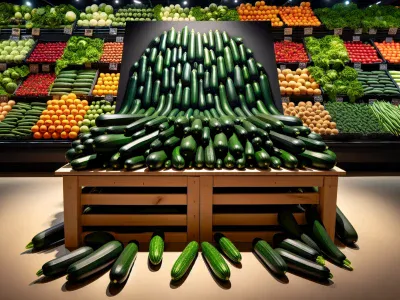
Picture walking through a bustling farmer’s market, sunlight glinting off piles of glossy tomatoes, crisp cucumbers, and vibrant bell peppers. You reach for a plump, juicy treat—only to pause. Is it a fruit or a vegetable? The answer isn’t as simple as you might think.
Peeling back the layers of this question reveals a world where science and tradition collide. You might be surprised to learn that some of your favorite “vegetables” are fruits in disguise, quietly packing extra nutrients and flavor into your meals. Unlocking the secret behind these everyday foods can transform the way you shop, cook, and even snack. Get ready to see your plate in a whole new light.
Defining Fruits and Vegetables
Understanding the difference between fruits and vegetables isn’t just about taste or color—it’s rooted in both science and tradition. Botanical and culinary perspectives sometimes clash, making the grocery aisle feel more like a riddle than a routine stop.
Botanical Definitions
Botanically, a fruit grows from the ovary of a flowering plant, enclosing seeds inside. Tomatoes, cucumbers, and avocados—though you might toss them into salads—fit this definition as fruits. Peas, with tiny seeds inside pods, also count as fruits by this logic (USDA). Vegetables, on the other hand, consist of roots, stems, and leaves—think carrots, celery, and lettuce. If you taste sweetness or spot seeds, you’re usually looking at a fruit; if you see greens or tubers, you’re dealing with a vegetable.
Scientists observe that plant parts—flowers, roots, stems, leaves, seeds—determine category, not your recipe. By this lens, confusion appears when supermarket signs or dinner recipes label produce based on flavor, not structure.
Culinary Perspectives
Culinary definitions focus on flavor, role, and tradition. Chefs call fruits those produce items used in desserts or eaten raw due their sweetness—apples, peaches, and grapes for example. Vegetables often feature in savory dishes, like spinach in salads or potatoes mashed on dinner plates. In the kitchen, texture, taste, and how you use an ingredient decides it’s fate—never the seed placement.
What’s fascinating is that a tomato finds itself at the center of a Supreme Court case (Nix v. Hedden, 1893), classified as a vegetable for tax purposes, even though its botanical “fruit” status. Peppers, squash, and eggplants join tomatoes as foods with split identities—sweet enough for fruit, utilized like vegetables.
When you choose what to eat or cook next, remember: these two worlds rarely agree. That disagreement fill your plate with stories and flavor, not just nutrients.
Key Differences Between Fruit and Vegetable
You’ll spot fruit and vegetable in the same aisle, but their nutritional profiles and uses chart separate stories. These differences shape not just your meals, but also your health and culinary experiences.
Nutritional Differences
Fruits typically offer higher sugar contents and a burst in vitamin C, like oranges and kiwis, compared to most vegetables. Many vegetables shine in fiber, iron, and folate, spinach and broccoli being classic examples. If you’re choosing fruit, expect more antioxidants and water content; with vegetables, you will find potassium, magnesium, and phytonutrients (USDA, 2020). For someone tracking calories, fruit pack more natural sugars, so they might surprise you on a nutrition label.
Produce
Key Nutrients
Example
Fruits
Vitamin C, Antioxidants, Natural sugars
Oranges, Kiwis, Mangoes
Vegetables
Fiber, Iron, Folate, Potassium
Spinach, Broccoli, Carrots
Taste and Texture Variations
Fruits burst with sweet-tart flavors and juicy textures that seduce your palate—think strawberries splashing summer or grapes popping between your teeth. By contrast, vegetables bring earthy, bitter, or savory notes. The crunch of raw celery or the soft flesh of steamed zucchini offers more variety than you expected. Does an avocado confuse you? Technically a fruit, its mild, buttery texture divides tastes: some love its richness, others crave the crisp snap of a green bean.
Methods of Consumption
Fruits often find themselves starring raw in your breakfast bowl, juiced as a refresher, or baked in desserts. Vegetables, though, own versatility—they end up stir-fried, roasted, pickled, or pureed into soups. In your kitchen, tomatoes walk the line as both: you might chop them for a summery salad or simmer them down for a savory sauce. People sometimes eat fruit skins for roughage—a habit rare with veggies like potatoes unless baked. Which food ends up on your grill, on your spoon, or in your smoothie says a lot about these differences, doesn’t it?
Common Misconceptions
Common misconceptions about fruits and vegetables shape your choices more than you might think. People often trust the grocery aisle to tell the botany truth, but that system sometimes creates a tangle of mistakes.
Examples of Misclassified Produce
Tomatoes, cucumbers, and bell peppers parade as vegetables in your salads and soups, yet botanically, they’re all fruits. The Supreme Court ruled in 1893 that the tomato counts as a vegetable for trade—in legal terms, not plant science, which still stirs up debate today (Nix v. Hedden). Avocado gets guac-fied as a veggie, though it’s a berry, making it closer cousins to bananas (yes, botanically!) than to lettuce. Rhubarb flips the narrative entirely: you eat it in pies, so your brain files it as a fruit, but botanists label it a vegetable because you consume only the stalks. Pumpkins and squash appear on autumn tables as savory classics, but their seeds tell another story—they’re fruit, not veggies. Are you now rehearsing your own kitchen’s lineup, wondering which ingredients have secretly switched botanical teams?
Impact on Diet and Shopping Choices
Shopping lists and meal planning hinge on these common classifications, mostly because people trust flavor profiles. Most people lump sweet produce—like strawberries or mangoes—into the fruit basket, while earthy flavors—like carrots or potatoes—fall into the vegetable bin, ignoring actual plant anatomy. This can cause you to miss out on nutrients: thinking peppers and zucchinis belong only in savory dishes means you’re overlooking their vitamin C punch, rivaling that of many known fruits (USDA FoodData Central). Eating by flavor not function might leaves you consuming too much sugar from so-called “vegetables,” or skipping fiber-rich options you thought were only for desserts. Critical supermarket decisions depend on packaging too—if something’s stocked with the lettuces, it get bought for salads, not smoothies. Does your dietary routine reflect scientific reality, or marketing convenience? If you start label-checking more than relying on taste, you might rethink how to balance vitamins, minerals and fiber in your daily meals.
Importance of Knowing the Difference
Understanding the difference between fruit and vegetable shapes your choices, from the grocery aisle to your kitchen table. Picture you’re strolling through a lively farmer’s market: green beans snap in your hand, strawberries gleam beside ripe zucchinis. Would it surprise you to learn that botanists group zucchinis with strawberries, not beans? This twist stems from the structure of seeds and flowers, not from flavor or color.
As you bite into a crisp bell pepper, you’re biting into a fruit—at least in botanical terms. The culinary world calls it a vegetable because of it’s savory taste. These conflicting classifications do more than spark debates at dinner parties; they influence how you fuel your body. The American Heart Association recommends you regularly include both fruits (like peaches, oranges) and vegetables (spinach, carrots) in your diet for a broader spectrum of nutrients (AHA, 2023).
Think about recipe swaps: if a chef, say, searched for a vegetable rich in vitamin C, they might skip red bell peppers, missing one of the top sources in a misguided pursuit for “real” vegetables. The special status of tomatoes, bouncing between tax law and science, highlights how language shapes perception. In 1893, the U.S. Supreme Court ruled tomatoes vegetables for tariff purposes—a decision echoing through generations of shoppers and cooks.
Classifying produce by flavor alone can limit your culinary creativity. Watermelons, avocados, and pumpkins all belong to the botanical fruit family, yet often lend their textures to savory dishes around the world. Rethinking these boundaries expands your cooking. Why not roast strawberries with black pepper? Or blend carrots (a classic vegetable) into sweet desserts, as found in Indian cuisine and European baking?
Knowing these distinctions also empowers you in social conversations. Ever caught someone wrinkling their brow when learning cucumbers are fruits? You join a long tradition of food debates, from ancient farmers to modern nutritionists. Next time you shop, ask yourself: How does this tomato fit into its family tree? What stories or nutrients might I be missing if I stick with old labels?
The more you question and explore, the richer your diet, culinary experiences, and conversations become.
Conclusion
Next time you’re at the market or planning a meal take a moment to think beyond the usual labels. When you understand what makes a fruit or a vegetable you’re better equipped to make choices that boost both your nutrition and your enjoyment of food.
Let your curiosity lead you to try new combinations and experiment with flavors. Embracing the true definitions of fruits and vegetables opens up a world of possibilities for your kitchen and your health.
To provide the best experiences, we use technologies like cookies to store and/or access device information. Consenting to these technologies will allow us to process data such as browsing behaviour or unique IDs on this site. Not consenting or withdrawing consent, may adversely affect certain features and functions.
Functional
Always active
The technical storage or access is strictly necessary for the legitimate purpose of enabling the use of a specific service explicitly requested by the subscriber or user, or for the sole purpose of carrying out the transmission of a communication over an electronic communications network.
Preferences
The technical storage or access is necessary for the legitimate purpose of storing preferences that are not requested by the subscriber or user.
Statistics
The technical storage or access that is used exclusively for statistical purposes.The technical storage or access that is used exclusively for anonymous statistical purposes. Without a subpoena, voluntary compliance on the part of your Internet Service Provider, or additional records from a third party, information stored or retrieved for this purpose alone cannot usually be used to identify you.
Marketing
The technical storage or access is required to create user profiles to send advertising, or to track the user on a website or across several websites for similar marketing purposes.