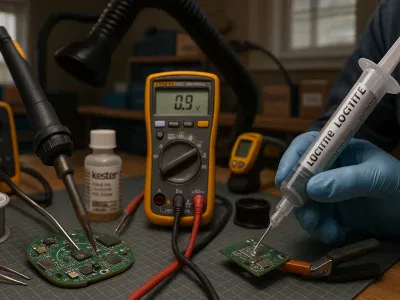
When it comes to dealing with a broken item or a malfunctioning device, you may find yourself wondering whether you should fix it or repair it. While these two terms are often used interchangeably, there is actually a subtle difference between the two. Understanding this difference can help you make a more well-informed choice and save you time, money, and frustration. In this text, we will explore the disparity between fixing and repairing, and how it can impact your approach to resolving issues with various objects, appliances, and systems. So, let’s immerse and unravel the mystery behind these seemingly synonymous terms.
What is the Difference Between Fix and Repair?
When it comes to dealing with broken items or malfunctioning devices, the terms “fix” and “repair” are often used interchangeably. But, there is a subtle distinction between the two that can help you make a more informed choice when it comes to resolving issues with various objects, appliances, and systems.
Fixing refers to the act of restoring something to its original working condition. It involves addressing the specific problem or issue that is causing the item or device to malfunction. This typically requires identifying the root cause of the problem and implementing the necessary steps to resolve it. Fixing is often a more immediate and short-term solution.
Repairing, on the other hand, goes beyond just addressing the immediate problem. It involves a more in-depth and comprehensive process of bringing a broken item or malfunctioning device back to its optimal functioning state. Repairing may include not only fixing the immediate issue but also identifying and addressing any underlying or potential problems that could arise in the future. It focuses on the long-term durability and reliability of the item or device.
To illustrate the difference, let’s take the example of a car. If your car’s engine is overheating, fixing the issue might involve pinpointing the cause of the overheating (e.g., a faulty thermostat) and replacing it. This would address the immediate problem and get your car back on the road. But, repairing the car would involve not only addressing the faulty thermostat but also checking other components such as the radiator, water pump, or cooling system to ensure everything is in proper working order.
Similarly, imagine your smartphone screen is cracked. You could simply fix the issue by getting the screen replaced. But, to repair it, you might also need to check the internal components for any damage caused by the impact that led to the screen cracking.
Understanding the difference between fixing and repairing can help you make a more well-informed choice when it comes to addressing issues with your belongings. Whether it’s a broken household appliance, a malfunctioning electronic gadget, or even a faulty plumbing system, consider the extent and longevity of the solution you need. Is a quick fix sufficient, or would a more comprehensive repair be necessary to ensure the item’s long-term functionality?
Definitions of Fix and Repair
When it comes to dealing with broken items or malfunctioning devices, it’s important to understand the difference between fixing and repairing. While the terms are often used interchangeably, they have distinct meanings and implications.
Fixing refers to the act of restoring something to its original working condition by addressing the specific problem causing the malfunction. It involves identifying the underlying issue and implementing a solution that directly targets that problem. For example, if your car is overheating due to a faulty thermostat, fixing the issue would involve replacing the thermostat with a new one.
On the other hand, repairing is a more comprehensive process that involves bringing the item back to its optimal functioning state and addressing any underlying or potential problems. It goes beyond just fixing the immediate issue and aims to ensure that the item is in good working order. In the case of the overheating car, repairing would involve not only replacing the faulty thermostat but also checking other components, such as the radiator and water pump, to prevent future breakdowns.
Understanding the difference between fixing and repairing can help you make more informed choices when it comes to addressing issues with your belongings. Depending on the situation, you may opt for a quick fix to get something working temporarily, or you may choose to invest in a more thorough repair to ensure long-term reliability.
Now that you have a clear understanding of the definitions of fixing and repairing, let’s investigate deeper into their implications and explore when each option might be more appropriate.
Examples of Fixing and Repairing
When it comes to addressing issues with your belongings, understanding the difference between fixing and repairing can help you make more informed choices. Let’s explore some examples to further illustrate these concepts:
Fixing:
Fixing involves identifying the underlying issue and implementing a solution that directly targets that problem. Here are a few examples of fixing:
Fixing a Leaky Faucet: If you notice that your faucet is leaking, you can fix it by replacing the worn-out gaskets or o-rings. By addressing the specific problem causing the leak, you restore the faucet to its original working condition.
Fixing a Software Bug: When you encounter a bug in a software application, the developers will release a patch or an update to fix the issue. By addressing the specific problem causing the software malfunction, they resolve the bug and bring the program back to its intended functionality.
Repairing:
Repairing goes beyond just fixing the immediate issue and aims to ensure that the item is in good working order. Here are a few examples of repairing:
Repairing a Damaged Roof: If your roof has significant damage due to a storm, repairing involves not only fixing the visible damage but also checking for any underlying issues, such as weakened structure or compromised insulation. By thoroughly assessing and addressing these underlying problems, you bring the roof back to its optimal functioning state.
Repairing a Broken Phone Screen: When you accidentally drop your phone and shatter the screen, repairing it involves not only replacing the screen but also checking if any other components, like the camera or the battery, were affected. By conducting a comprehensive repair, you ensure that your phone is fully functional again.
Understanding these examples showcases the difference between fixing and repairing. While fixing focuses on the specific problem and returning an item to its original working condition, repairing takes a more comprehensive approach to ensure optimal functionality and address any underlying or potential issues.
Remember, when faced with a malfunctioning item, consider whether a simple fix will suffice or if a more comprehensive repair is necessary to bring your belongings back to their optimal functioning state.
The Importance of Knowing the Difference
Understanding the difference between fixing and repairing is crucial when it comes to addressing issues with your belongings. It allows you to make informed decisions and take appropriate actions. Let’s investigate into why knowing this distinction is so important.
Efficiency: When you can differentiate between fixing and repairing, you can tackle the issue more efficiently. Fixing directly targets the underlying problem, resolving it with a targeted solution. On the other hand, repairing involves a broader approach, aiming to address not only the immediate issue but also ensuring the overall functionality of the item. By understanding these differences, you can determine the most efficient course of action, saving you time, effort, and even money in the long run.
Example: Imagine you have a leaky faucet. Instead of simply replacing the worn-out gasket (fixing), you decide to inspect the entire plumbing system to identify any other potential issues (repairing). By repairing the faucet, you not only fix the current problem but also prevent future leaks, ensuring its optimal operation.
Longevity: Knowing whether an item needs fixing or repairing plays a significant role in its longevity. Fixing a specific issue may provide a temporary solution, but without addressing underlying problems or maintaining the item’s overall condition, the problem may resurface sooner than expected. By opting for repairing, you can identify and rectify compromised components or potential issues that could result in further damage. This approach contributes to the long-term health and extended lifetime of your belongings.
Example: Suppose you have a damaged roof due to a storm. Instead of simply patching up the visible damage (fixing), you choose to thoroughly inspect the roof for any underlying issues, such as weakened structures or compromised materials (repairing). By taking this comprehensive approach, you ensure the roof’s long-term stability and protect your home from future water damage.
Cost-effectiveness: Making the right choice between fixing and repairing can also have a significant impact on your budget. Fixing an immediate issue may seem like the most cost-effective option at first. But, if the problem reoccurs or if there are underlying issues that have not been addressed, you may find yourself spending more in the long run. On the other hand, by opting for repairing, you address all potential issues upfront, reducing the likelihood of future problems and the associated expenses.
Factors to Consider When Deciding Whether to Fix or Repair
When faced with a broken item, it’s essential to evaluate whether it needs fixing or repairing. Different factors can influence this decision. By considering these factors, you can make an informed choice that ensures the optimal outcome for your belongings. Here are key factors to keep in mind:
Severity of the Issue: Assess the severity of the problem you’re dealing with. Is it a minor issue that can be easily fixed or a more significant problem that requires extensive repair work? Understanding the severity will help you determine the most appropriate course of action.
For example, if your car has a minor dent, fixing it with a simple repair kit might be sufficient. But, if the dent is large and affects the structural integrity of the vehicle, professional repair is necessary to ensure your safety on the road.
Longevity and Functionality: Consider how long you want the item to last and how important it is for its functionality to be fully restored. Fixing tends to target specific issues, whereas repairing takes a broader approach to ensure the overall functionality of the item.
Let’s say you have a leaky faucet. If you choose to fix it by simply replacing the washer, it may temporarily solve the problem. But, if you opt for a complete repair by inspecting the entire plumbing system, you can prevent future leaks and ensure the faucet’s longevity.
Cost-effectiveness: Evaluate the cost implications of fixing versus repairing. Consider not only the upfront cost but also any potential recurring expenses that might arise in the future.
For instance, if you have a malfunctioning laptop, fixing a specific component may seem like the more cost-effective choice initially. But, if the laptop is old and prone to multiple issues, repairing it may become a continuous expense. In such cases, it might be more sensible to invest in a new laptop.
Expertise and Resources: Consider your own expertise and available resources when deciding between fixing and repairing. Some tasks may require specialized knowledge or tools, which may not be readily accessible to everyone.
Let’s say you have a faulty electrical connection in your home. If you have experience in electrical work and the necessary tools, you might be able to fix it yourself. But, if you lack the knowledge or equipment, it’s best to hire a professional electrician for a proper repair.
Common Misconceptions about Fixing and Repairing
When it comes to addressing issues with your belongings, there are common misconceptions that can hinder you from finding the best solution. Let’s explore some of these misconceptions to help you make more informed decisions:
Misconception 1: Fixing is only for minor issues, while repairing is for major problems.
Fact: This is a common misconception that undermines the true nature of fixing and repairing. Fixing involves directly targeting the underlying problem with a targeted solution, regardless of the severity. Whether it’s a minor glitch or a major malfunction, fixing aims to address the root cause effectively. On the other hand, repairing takes a broader approach to ensure the overall functionality of the item, regardless of the scale of the issue.
Misconception 2: Repairing is more cost-effective than fixing.
Fact: While repairing may seem like a more cost-effective solution in the short term, it’s important to consider the long-term costs. Fixing an issue directly at its source can prevent further damage and potential future repairs, saving you money in the long run. Repairing, on the other hand, may only offer a temporary solution and could lead to recurring expenses.
Misconception 3: Fixing is a quick fix, while repairing takes longer.
Fact: The time required for fixing or repairing largely depends on the complexity of the issue at hand. While fixing may sometimes be a quicker solution since it directly addresses the problem, repairing can also be efficient if the underlying cause is properly identified. In both cases, it’s important to allocate sufficient time for a thorough assessment to ensure a successful outcome.
Misconception 4: Fixing and repairing are interchangeable terms.
Fact: While fixing and repairing share similarities in the goal of improving functionality, they are not interchangeable terms. Fixing involves targeting specific issues, while repairing takes a broader approach to ensure the overall functionality of the item. Understanding this distinction can help you determine the most appropriate approach for different situations.
Conclusion
Understanding the difference between fixing and repairing is crucial when it comes to addressing issues with your belongings. By directly targeting the underlying problem, fixing provides a targeted solution that can increase efficiency and improve the longevity of your items. On the other hand, repairing takes a broader approach to ensure the overall functionality of the item.
By considering factors such as the severity of the issue, longevity and functionality, cost-effectiveness, and expertise and resources, you can make informed choices that ensure the optimal outcome for your belongings. It’s important to note that fixing is not limited to minor issues, and repairing is not always more cost-effective than fixing. Fixing can prevent further damage and potential future repairs, making it a valuable option.
Remember, fixing and repairing are not interchangeable terms. Fixing involves targeting specific issues, while repairing focuses on the overall functionality. So, next time you encounter an issue with your belongings, take a moment to assess whether fixing or repairing is the best approach. This knowledge will help you make the right choice and ensure the longevity and functionality of your items.
To provide the best experiences, we use technologies like cookies to store and/or access device information. Consenting to these technologies will allow us to process data such as browsing behaviour or unique IDs on this site. Not consenting or withdrawing consent, may adversely affect certain features and functions.
Functional
Always active
The technical storage or access is strictly necessary for the legitimate purpose of enabling the use of a specific service explicitly requested by the subscriber or user, or for the sole purpose of carrying out the transmission of a communication over an electronic communications network.
Preferences
The technical storage or access is necessary for the legitimate purpose of storing preferences that are not requested by the subscriber or user.
Statistics
The technical storage or access that is used exclusively for statistical purposes.The technical storage or access that is used exclusively for anonymous statistical purposes. Without a subpoena, voluntary compliance on the part of your Internet Service Provider, or additional records from a third party, information stored or retrieved for this purpose alone cannot usually be used to identify you.
Marketing
The technical storage or access is required to create user profiles to send advertising, or to track the user on a website or across several websites for similar marketing purposes.