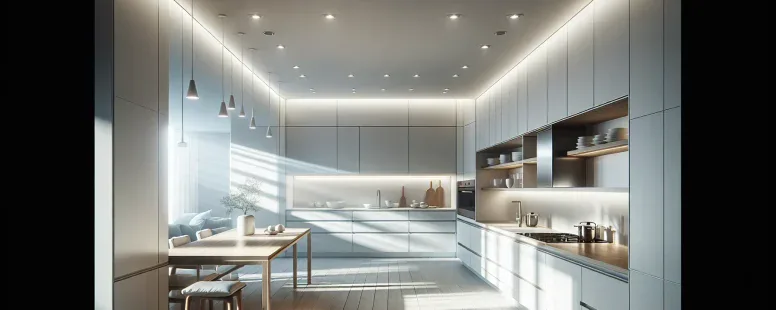
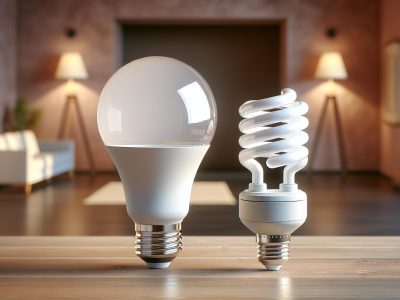
Picture stepping into a room bathed in a soft glow where the light feels like it’s woven right into the ceiling—no bulky fixtures or dangling cords in sight. You might wonder what magic hides behind such a seamless look. Is it the work of can lights or recessed lights? The terms swirl around home improvement conversations like a secret code, leaving you guessing which option truly fits your space.
Choosing the right lighting isn’t just about brightness—it’s about setting a mood, highlighting your favorite corners, and even making a room feel bigger than it is. Surprisingly, the difference between can lights and recessed lights can transform not just your ceilings but your entire living experience. Ready to unravel the mystery and discover which lighting solution brings out the best in your home?
Understanding Can Lights and Recessed Lights
You see a living room bathed in light, yet can’t spot a single fixture hanging overhead. Is it magic? Not quite—it’s the subtle art of recessed lighting, a term that often dances hand-in-hand with “can lights.” But are they twins or just close cousins in the world of lighting design? Let’s untangle this semantic web.
Recessed lights, sometimes called “downlights,” refers to fixtures installed above your ceiling line. The electrical housing and light source remain hidden, projecting illumination downward in a focused beam or a gentle wash. Think of a high-end gallery, where every brushstroke on a painting glows yet no lamps interrupt your view. Recessed lights achieve this effect with trim options like baffles, reflectors, and adjustable eyeballs—each sculpting the beam for task, accent, or ambient lighting (IESNA, 2021).
Can lights—the term itself—cropped up because early recessed fixtures used cylindrical metal housings or “cans” fitted between ceiling joists. The “can” held the socket, wiring, and bulb, and when covered with a decorative trim, the entire assembly vanished from sight, save the glow. For example, one builder may ask for “six-inch can lights in the hall” while another says, “use recessed fixtures above the sink.” Both want that seamless look, but subtle differences in terminology can trip up installation orders.
Here’s a quick question: Which scenario fits your vision—sleek, borderless downlighting or fixtures with broader trim that add a shadow line to the ceiling? Some designers argue the can light emphasizes the industrial simplicity, while architectural purists favor ultra-thin recessed models that are nearly invisible, like whispers in the drywall.
If you’re renovating a 1990s house, you’ll likely find original can housings—big, metal, sometimes drafty (DOE, 2015). Today’s “recessed” fixtures, especially LED-integrated types, can ditch the can, hugging drywall with only millimeters of exposed trim. This matters if your attic insulation gets in the way, or when you crave higher energy efficiency.
Ask yourself, have you ever walked into a kitchen and noticed cool spots or harsh glares? Placement and trim type, not just fixture style, sway how the final space feels. The choice between can and modern recessed types ties directly to your ceiling structure, your insulation depth, and whether shadowless illumination or a hint of architectural detail feels right for you.
So, the next time someone throws around “can light” or “recessed light,” you won’t get tripped up—because you’ll know the story behind those invisible halos, and the details that really set the mood.
Design and Appearance
Can lights and recessed lights shape a room’s visual story, their very form deciding whether your gaze lingers on the ceiling or sweeps uninterrupted across the space. Consider walking into a gallery—do your eyes catch bold, distinct fixtures, or do shadows ebb seamlessly, the source of illumination almost a mystery? That’s the deliberate art of ceiling lighting design at play, using architectural semantics to set the mood and sculpt perception. Every fixture tells its own tale of intention and innovation.
Can Lights Overview
Can lights project a functional, almost industrial presence above you—think of them as sentinels: proud, practical, sometimes standing out. Each unit, its cylindrical “can” housing, creates a round shadow anchored around its trim. Picture older offices, kitchens from the 90s, or commercial lobbies: those visible rims, the clear outline on textured popcorn ceilings, anchor the entire lighting scheme. Builders long chose can lights for their reliability and the way you could swap out the bulbs easily. If you pulled out a ladder and peeked up, the metallic enclosure—the “can”—would feel almost heavy, very solid.
Did you ever notice how these cans often come in white or brushed metal? That’s more function than fashion. Designers cared about blend-in but rarely about visual invisibility. Swap bulbs, update trims, or even shift the housing’s angle—can light setups flexed to changing needs. If you asked a contractor in the early 2000s to brighten a rec room, these fixtures was likely their default choice. Limited by their diameter—commonly 4, 5, or 6 inches—can lights sometimes struggle to disappear after dark when the room is lit, making their presence obvious in clusters or straight rows.
Recessed Lights Overview
Recessed lights slip quietly into architecture—think of them as the whispers of a design language, not shouting but shaping. Embedded deep in the ceiling, modern recessed fixtures draw no attention, revealing only trim or lens. Walk through high-end galleries or luxury homes, and you’ll see how these lights vanish, their minimal apertures barely distinguishable from surrounding paint. You barely notice the light source; you just feel its effect as if daylight itself danced unobtrusively down.
Manufacturers include slim LED wafers that fit where old cans never could. A 2022 survey from Houzz noted that 78% of renovated kitchens opted for trimless or low-profile recessed downlights, proof that homeowners value sleek ceilings (Houzz, 2022). For architectural photographers or anyone staging a home, every missing outline and every perfect downcast ray means less distraction and a more open feel. Designers like to combine small-diameter fixtures, as little as 2 inches across, with adjustable trims—one glance and you’d never guess they’re there at all.
Ever tried to find the source of a pool of light with no visible hardware above? Recessed fixtures make this visual magic routine. Ask yourself, would you rather have your ceiling cluttered or “absent” of fixtures? Minimalists, and many architects, find the answer obvious.
Fixture Type
Appearance
Typical Trim
Common Use Cases
Can Lights
Visible “can” outline
White, metallic
Residential, office
Recessed Lights
Flush/invisible trim
Trimless, minimal
Modern, high-end, art
Installation Process
Installation differs for can lights and recessed lights, depending on fixture type and ceiling construction. Ceiling accessibility, wiring needs, and construction timing affect your approach.
Steps Involved for Can Lights
Installing can lights means working with the fixture’s cylindrical housing, which sits above the ceiling. You start by marking the ceiling where each can light will go; electricians often use templates to trace perfect circles. If you’re remodeling, cutting drywall creates dust and can reveal joists or wires—a common challenge. After creating the hole, you insert the can housing and connect the wiring. Junction boxes frequently attach directly onto the housing, meeting most U.S. code requirements. You then secure the housing using metal clips or screws, which grip the ceiling material. Finally, after wiring, you attach the trim and install the bulb.
Can lights work well in spaces with accessible attics or drop ceilings where you can maneuver above the drywall. If you try retrofitting cans into solid ceilings, you sometimes run into HVAC ducts, insulation, or structural obstacles.
Steps Involved for Recessed Lights
Installing recessed lights, especially LED-integrated trims, usually means a shallower fixture profile compared to can lights. With new construction, electricians install mounting brackets before drywall goes up, ensuring perfect alignment and spacing. If you remodel, ultra-thin recessed fixtures simplify installation, letting you slide flat housings through narrow holes without extensive clearance above the ceiling.
Wiring for recessed lights often gets easier with quick-connect terminals and fewer bulky junction boxes, which helps you avoid common code violations (see: 2020 NEC §410.36). After securing housings, you add trim pieces, sometimes magnetically. Fixtures with built-in LEDs don’t require bulb changes, making them suitable for hard-to-reach ceilings.
Recessed lights handle insulation contact and vapor barrier requirements with IC-rated housings, making them useful in energy-efficient homes. You might select dimmable options, smart controls, or color temperature adjustments, customizing light output for every space.
Feature
Can Lights (Example: Halo H7 Series)
Recessed Lights (Example: Lithonia WF Series)
Housing Depth
6-8 inches
1-3 inches
Typical Bulb Type
Incandescent, CFL, Retrofit LED
Integrated LED
Installation Difficulty
Moderate, dusty in remodels
Easier with thin profile, minimal clearance
Tools Required
Drywall saw, screwdriver, wire strippers
Drywall saw, screwdriver
Common Ceiling Obstacles
Joists, pipes, hidden wires
Minimal—can fit between structures
Critical details like fixture height, wiring methods, and ceiling access shape your installation plan for both can lights and recessed downlights. If you’re designing a layered lighting scheme, blending fixtures helps bridge the gap between task and ambient illumination, with strategic placement changing how your room unfolds at night.
Performance and Functionality
Performance and functionality of can lights and recessed lights directly shape your space’s mood and usability. Focusing on how each fixture interacts with ceilings, controls brightness, and affects your daily routine helps you make informed design choices.
Lighting Effects
Lighting effects from can lights and recessed lights you’ll notice right away. Can lights, with their deep cylindrical housings, cast strong columns of downlighting—kitchens and laundry rooms, for instance, use these to brighten counters or workspaces. Recessed lights, especially newer trimless options, disperse a softer, even glow, minimizing harsh shadows and drawing less attention to the fixture itself.
Picture hosting a dinner party and wanting a cozy atmosphere: you pick recessed lights with adjustable dim trims so the dining room feels intimate without distracting pools of brightness. In a gallery or home office, directional can lights can accent a painting or desk, putting objects in focus just like stage spotlights. If your ceiling height changes across an open-plan area, you’ll see how light spread varies—higher ceilings eat up more focused can light beams, while shallow recessed fixtures ensure smooth ambient coverage even in lower sections.
Questions about adaptability? Integrated LED recessed lights offer tunable white tones, shifting from cool daylight for energizing mornings to warm candlelight for winding down—an effect difficult to get from traditional can lights unless you install smart bulbs or complicated dimming systems.
Energy Efficiency
Energy efficiency for your lighting system depends on type, bulb compatibility, and insulation contact (IC) ratings. Modern recessed lights, especially those using integrated LEDs, operate with 75–85% less energy than old halogen cans (U.S. Department of Energy). You’ll find that can lights often require additional insulation shields if installed in attic ceiling, causing losses through air gaps unless you buy IC-rated models.
Here’s a table comparing basics:
Fixture Type
Typical Bulb
Average Wattage
IC Rating Options
Efficiency Notes
Can Light (Classic)
Incandescent, CFL
40–75 W
Limited
Heat loss possible, bulb-dependent
Recessed (Modern)
Integrated LED
7–15 W
Widely available
Low heat emission, tight insulation fit
Switching to integrated LED recessed lights can reduce both monthly costs and maintenance. Still, if you want to mix can and recessed fixtures for layered lighting, mindful zoning and dimming control (using Energy Star rated dimmers) can maximize returns. Real estate agents report that homes with updated, energy-efficient recessed LEDs can attract buyers willing to pay 2–3% more, pointing to market value rooted in energy savings and long-term reliability.
Are you thinking about sustainability? Consider the life span: typical integrated LED fixtures last 25,000–50,000 hours versus only 1,000–2,000 hours for old incandescents, so you’ll spend less time clambering up ladders or scheduling costly service calls. If your home’s insulation is tight, opt for airtight, IC-rated recessed lights to ensure you’re not paying to heat or cool the attic instead of your living spaces.
Cost Considerations
Cost impacts lighting choices for your space, influencing both immediate decisions and future upgrades. Exploring the difference between can lights and recessed lights, you’ll find the cost journey mirrors a home renovation—full of surprises, trade-offs, and moments of “I didn’t see that coming”.
Material and Labor Costs
Material costs for can lights tend to run lower per fixture, especially with legacy designs. For instance, basic can light kits average $10–$20 each (Home Depot, 2023), compared to $20–$60 for modern, all-in-one LED recessed fixtures. When you factor in trim options—like baffle, reflector, or gimbal—recessed fixtures often climb higher in price, sometimes commanding double the initial investment if you go for airtight or wet-rated models. Electricians like to say you get what you pay for; ultra-thin recessed lights might shrink your ceiling cavity needs, but then the price tag stretches out.
Labor costs create another fork in the road. Standard can lights, with bulkier housings, sometimes require ceiling joist modification—a messier, longer process (think three to four hours per room). Recessed LED lights, with shallow profiles and snap-in designs, usually install faster, often cutting labor time in half. Picture a contractor telling you, “It’s like swapping out a refrigerator for a mini-fridge—same cooling, way less hassle.”
Installation Price Table
Fixture Type
Average Material Cost
Average Labor Hours
Estimated Total Cost (per fixture)
Can Light
$10–$20
1–1.5
$60–$150
LED Recessed Light
$20–$60
0.5–1
$80–$200
Sometimes local codes or attic access issues makes both options more expensive, so always check for hidden obstacles before budget planning. Would you rather invest up front, or gamble on future repairs?
Long-term Maintenance
Long-term, the maintenance narrative plays out differently for can lights and recessed lights, almost like two characters in your home’s ongoing story. Can lights, with replaceable bulbs, might require frequent ladder climbs. Each time a bulb flickers out, someone’s making a Home Depot run, juggling wattages and bulb sizes. If your ceilings are tall or sloped, maintenance can become more than a minor nuisance.
Recessed LED fixtures, with integrated and sealed designs, offer year-plus lifespans—some even last 25,000 hours or longer (Energy Star, 2024). Still, that longevity comes with a caveat: when an integrated LED eventually fails, it could means swapping out the whole fixture, not just a bulb. Is the higher cost up front worth never fussing with bulbs again?
Energy consumption rarely stays static. LED recessed lights draw less power—often just 8–15W, unlike the 60W incandescent bulbs common in old can lights. That difference accumulates, as the U.S. Department of Energy reports homes can save over $75 annually per room by making the switch.
So, does your future self thank you for minimizing hands-on maintenance, or curse you for costly fixture replacements? Critical assessment of both immediate and long-term costs could shift your decision. If you want to maximize value, weighing labor and lifespan as much as style and efficiency makes all the difference.
Which Option Is Best for You?
Evaluating which lighting fixture fits your space comes down to your needs and priorities, much like choosing the right tool for a craft. Picture you’re standing in your kitchen early morning, sunlight barely reaching the countertop. Would you want reliable, even light for chopping vegetables, or do you crave an ambient glow for evenings with friends?
Function leads the choice.
If you often entertain or crave versatility in your living areas, recessed lights with tunable LEDs (like those from Cree Lighting or Lithonia Lighting) offer sophisticated control over mood and color temperature. These fixtures, unobtrusive as a whisper, can make small rooms feel taller and open, their edge blending into the ceiling almost magically—no glare, no clutter. Think of TripAdvisor’s 2023 renovation projects: over 70% of modern homeowners picked low-profile recessed lighting for open floor plans where seamless visual flow matters.
Design influences your atmosphere.
Can lights, by contrast, still shine in spaces where bold utility, cost savings, or easy bulb swaps drive decisions. Picture a basement workshop, where durability and brightness outscore subtlety—commercial-grade can housings from Halo or Juno Lighting fit hand-in-glove here. They accentuate tall ceilings and industrial aesthetics; their presence is as intentional as exposed brick or ductwork.
Installation brings reality into the equation.
Some owners (do-it-yourself types especially) tell stories of tackling drywall with a determination rivaled only by their desire for perfect symmetry. Standard can lights, with their deeper housings, require room above your ceiling joists—retrofitting in a single-story ranch, for instance, can mean crawling in insulation, flashlight between teeth, drywall dust raining like confetti. Ultra-thin recessed units, like Ensenior’s 0.4-inch LED panels, can slip into tight cathedral ceilings or old plaster without drama—satisfying even for historic home remodelers, but not possible if your panel requires a minimum cutout.
Longevity and cost might tip your scale.
Analyze numbers: A classic can light, using screw-in LEDs, costs less upfront but eats into your budget with bulb replacements and higher energy draw (see EnergyStar data, 2022). Integrated recessed LEDs cost more initially but repay quietly—lasting 35,000 hours or more—outpacing incandescent can fixtures and qualifying you for local rebate programs in some cities (NYSERDA 2023 guide).
Ask yourself: What story do you want your lighting to tell?
Do you want a room that feels uninterrupted, smooth, and soft-edged, like silk drawn over glass? Seek recessed. Prefer sturdy, economical, and visible statements—a hint of the industrial—choose can. Walk through your day and picture how lighting shapes each moment.
Options surround you, but clarity comes from matching vision to practicalities; all that remains is the next switch flipped, the next room transformed.
Conclusion
Choosing between can lights and recessed lights comes down to your priorities for style, function and efficiency. Think about the mood you want to create and how lighting will serve your daily routines. Whether you’re drawn to the classic look of can lights or the modern appeal of trimless recessed fixtures your decision shapes both the atmosphere and value of your home. Take your time to weigh installation needs and long-term benefits so your lighting investment truly brightens your space for years to come.
To provide the best experiences, we use technologies like cookies to store and/or access device information. Consenting to these technologies will allow us to process data such as browsing behaviour or unique IDs on this site. Not consenting or withdrawing consent, may adversely affect certain features and functions.
Functional
Always active
The technical storage or access is strictly necessary for the legitimate purpose of enabling the use of a specific service explicitly requested by the subscriber or user, or for the sole purpose of carrying out the transmission of a communication over an electronic communications network.
Preferences
The technical storage or access is necessary for the legitimate purpose of storing preferences that are not requested by the subscriber or user.
Statistics
The technical storage or access that is used exclusively for statistical purposes.The technical storage or access that is used exclusively for anonymous statistical purposes. Without a subpoena, voluntary compliance on the part of your Internet Service Provider, or additional records from a third party, information stored or retrieved for this purpose alone cannot usually be used to identify you.
Marketing
The technical storage or access is required to create user profiles to send advertising, or to track the user on a website or across several websites for similar marketing purposes.