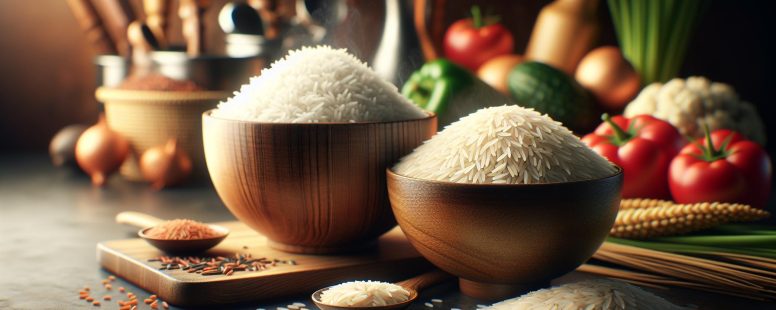
Picture biting into a perfectly cooked bowl of rice—soft, fluffy, and just the right texture. Ever wonder what gives it that ideal consistency? The answer lies in two fascinating starch molecules: amylose and amylopectin. These carbohydrate powerhouses play a crucial role not only in your favorite foods but also in how your body processes energy.
While they might seem similar at first glance, their structures and behaviors couldn’t be more different. One contributes to firmness and structure; the other brings softness and stickiness. Understanding these differences isn’t just for food scientists—it can help you make smarter choices about cooking, nutrition, or even managing health conditions like diabetes.
Overview Of Starch Components
Starch consists of two primary polysaccharides: amylose and amylopectin. These molecules, found in varying ratios within starch granules, influence the texture and behavior of foods during cooking.
Amylose is a linear polymer composed of glucose units linked by α-1,4-glycosidic bonds. Its straight-chain structure allows it to form tight helices, which contribute to water absorption and gel formation. For example, rice varieties high in amylose, like basmati or jasmine rice, tend to cook firmer and less sticky due to reduced solubility.
Amylopectin features a branched structure with glucose units connected through both α-1,4-glycosidic and α-1,6-glycosidic bonds at branch points. This configuration results in higher water solubility and faster gelatinization compared to amylose. Sticky rice or glutinous rice contains predominantly amylopectin, giving it its characteristic stickiness after cooking.
The ratio of these components affects not only culinary properties but also health outcomes. High-amylose starches digest slower than those rich in amylopectin due to their compact molecular arrangement (source: National Library of Medicine). Such differences make them significant for managing glycemic responses in individuals with diabetes or insulin resistance.
Understanding the structural distinctions between these components helps you predict food texture outcomes and tailor dietary choices based on nutritional needs.
What Is Amylose?
Amylose is a polysaccharide made of glucose units linked by α-1,4-glycosidic bonds. As a major component of starch, it plays a significant role in determining the texture and digestibility of foods like rice and potatoes.
Structure And Composition
Amylose has a linear structure due to its unbranched chains. Its molecular weight typically ranges between 10^5 and 10^6 Daltons. The compact helices formed by amylose allow it to resist water penetration, making it less soluble compared to its counterpart, amylopectin.
For example, basmati rice contains around 23–28% amylose content, which contributes to its firm texture after cooking. In contrast, sticky rice varieties have negligible amounts of amylose. This structural simplicity also affects gelatinization; higher amylose levels require more heat to break down the crystalline regions.
Key Characteristics
Amylose exhibits slow digestion rates because enzymes take longer to access its tightly packed helical chains. This property makes high-amylose foods beneficial for blood sugar regulation and reduces postprandial glycemic spikes.
It forms strong gels upon cooling due to retrogradation—a process where gelatinized starch molecules realign into ordered structures. For instance, cooked and cooled potatoes or lentils with high amylose often feel firmer than freshly prepared ones.
Its resistance to enzymatic breakdown also qualifies certain types of amylose as resistant starch (RS), which supports gut health by acting as prebiotic fiber for beneficial bacteria like Bifidobacterium spp.
What Is Amylopectin?
Amylopectin is a highly branched polysaccharide that forms one of the two primary components of starch, alongside amylose. It’s composed of glucose molecules linked by both α-1,4 and α-1,6 glycosidic bonds, contributing to its complex structure.
Structure And Composition
Amylopectin’s structure differs significantly from amylose due to its branched architecture. While most glucose units connect linearly via α-1,4-glycosidic bonds, branch points occur approximately every 25–30 glucose residues through α-1,6 linkages. This branching increases molecular mass and facilitates rapid enzymatic breakdown during digestion.
Starch sources like sticky rice or waxy corn contain nearly 100% amylopectin. Its solubility in water results from the open network created by branching, which allows water molecules to interact more freely with the polymer chains.
Key Characteristics
High Water Solubility: Amylopectin dissolves easily in water because of its branched structure. Cooked foods rich in amylopectin—like sushi rice—tend to be softer and stickier.
Rapid Gelatinization: Amylopectin gelatinizes faster at lower temperatures compared to amylose due to easier access for heat and moisture penetration into its branches.
Fast Digestibility: Foods high in amylopectin digest quickly since enzymes can act simultaneously on multiple chain ends. This characteristic raises postprandial blood sugar levels more than high-amylose foods do.
Examples include short-grain japonica rice or glutinous rice varieties used in Asian desserts; these demonstrate how high amylopectin content influences texture and culinary properties.
Difference Between Amylose And Amylopectin
Amylose and amylopectin are two key polysaccharides in starch, differing significantly in structure, solubility, digestibility, and their roles in food applications. Understanding these differences helps you make informed choices for cooking or dietary needs.
Structural Differences
Amylose is a linear polymer of glucose units linked by α-1,4-glycosidic bonds. Its straight-chain configuration allows tight packing into helical structures. This compact arrangement reduces water interaction and makes it less sticky during cooking. Foods like basmati rice contain higher amylose levels (23–28%), leading to firmer grains.
Amylopectin features a highly branched structure with α-1,6-glycosidic bonds at branch points and α-1,4 linkages along the chains. These branches create a larger surface area for enzymatic action and water absorption, resulting in softer textures. For example, glutinous rice varieties are nearly 100% amylopectin, making them ideal for desserts requiring stickiness.
Solubility And Digestibility
Amylose’s compact helices lower its solubility in water compared to amylopectin. It resists gelatinization during cooking due to limited swelling capacity. This resistance slows enzymatic hydrolysis during digestion, producing a gradual release of glucose into your bloodstream—a beneficial trait for managing blood sugar levels.
In contrast, amylopectin dissolves readily due to its open-branched structure and high molecular weight. It absorbs water quickly during heating and digests rapidly after consumption. Foods rich in amylopectin contribute to faster energy release but may elevate postprandial glycemic responses if consumed excessively.
Functional Roles In Food And Industry
Amylose enhances gel formation upon cooling through retrogradation—useful in products like puddings or jellies where firmness matters. Resistant starch derived from retrograded amylose acts as prebiotic fiber that supports gut health by promoting the growth of beneficial bacteria such as Bifidobacteria.
Amylopectin improves viscosity and thickening properties without forming firm gels; this makes it suitable for sauces or soups requiring smooth consistency. It’s also used extensively in confectionery items due to its ability to enhance chewiness while maintaining clarity when dissolved with sugars.
Importance Of Amylose And Amylopectin In Nutrition
Amylose and amylopectin play distinct roles in human nutrition, influencing energy release, glycemic response, and gut health. These polysaccharides affect how your body digests starchy foods and manage blood sugar levels.
Energy Release Dynamics
Amylose supports sustained energy due to its slower digestion rate. For instance, foods like legumes or basmati rice with high amylose content release glucose gradually, helping maintain stable energy throughout the day. Conversely, amylopectin-rich foods such as sticky rice or potatoes provide a quick energy boost because of their rapid digestibility.
Glycemic Response Regulation
High-amylose starches contribute to lower glycemic index (GI) values in meals. A diet rich in low-GI foods can reduce postprandial blood sugar spikes, which is especially beneficial if you’re managing diabetes or prediabetes. On the other hand, amylopectin-dense starches cause faster glucose absorption that may lead to sharper increases in blood sugar levels.
Role in Gut Health
Resistant starch from amylose acts as a prebiotic by fermenting into short-chain fatty acids (SCFAs) like butyrate in the colon. SCFAs improve gut barrier function and may lower inflammation risks. Foods high in resistant starch include cooled pasta or green bananas containing retrograded amylose molecules.
Practical Food Applications
Understanding these differences helps you select ingredients based on nutritional goals. Opt for amylose-rich options when prioritizing long-term satiety or stable glucose control; choose amylopectin-based ones for immediate energy needs during athletic performance.
Conclusion
Understanding the differences between amylose and amylopectin allows you to make informed choices cooking, nutrition, and food applications. Whether you’re seeking firmer rice for a low-glycemic diet or stickier textures for culinary creativity, these two starch molecules play distinct yet complementary roles.
By tailoring your ingredient selection based on their unique properties, you can better align your meals with your health goals and flavor preferences. Recognizing how amylose supports sustained energy while amylopectin provides immediate fuel empowers you to optimize both taste and nutrition in your daily life.
Published: July 25, 2025 at 8:54 am by Ellie B, Site owner & Publisher
To provide the best experiences, we use technologies like cookies to store and/or access device information. Consenting to these technologies will allow us to process data such as browsing behaviour or unique IDs on this site. Not consenting or withdrawing consent, may adversely affect certain features and functions.
Functional
Always active
The technical storage or access is strictly necessary for the legitimate purpose of enabling the use of a specific service explicitly requested by the subscriber or user, or for the sole purpose of carrying out the transmission of a communication over an electronic communications network.
Preferences
The technical storage or access is necessary for the legitimate purpose of storing preferences that are not requested by the subscriber or user.
Statistics
The technical storage or access that is used exclusively for statistical purposes.The technical storage or access that is used exclusively for anonymous statistical purposes. Without a subpoena, voluntary compliance on the part of your Internet Service Provider, or additional records from a third party, information stored or retrieved for this purpose alone cannot usually be used to identify you.
Marketing
The technical storage or access is required to create user profiles to send advertising, or to track the user on a website or across several websites for similar marketing purposes.