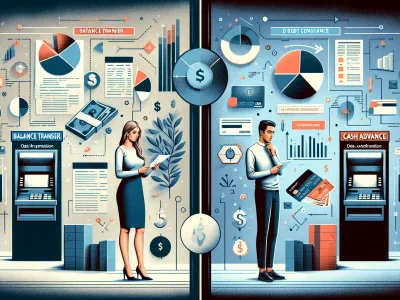
Picture your business as a bustling marketplace—money flows in like a river and streams out just as quickly. But do you really know which direction your cash is headed? The dance between accounts payable and accounts receivable shapes your financial story more than you might think.
Picture the quiet thrill of seeing payments land in your account or the subtle tension as bills pile up on your desk. Mastering the difference between what you owe and what you’re owed isn’t just about balancing books—it’s about unlocking a smoother, more profitable operation. By understanding these two sides of your finances, you’ll discover hidden opportunities to boost cash flow and make smarter decisions every day.
Overview of Accounts Payable and Receivable
Picture your business as a river, money flows both upstream and downstream, making each transaction ripple through your financial ecosystem. You manage accounts payable when your company owes dollars to vendors for goods like raw materials, or services like consulting fees. These liabilities mean you carry responsibility until you settle the balance.
In contrast, accounts receivable records the amounts your clients owe you, for products you’ve already delivered or services you finished. When invoices stack up in this column, you’re the creditor, waiting for cash to cover operating expenses or reinvest in growth.
You might’ve wondered: why do some businesses thrive while others struggle, even with similar revenue streams? Timing defines the answer, as late payments in receivables can dry up your cash much faster than a burst pipe. Walmart, for instance, negotiates lengthy payable terms with suppliers but demands quick customer payments—tilting the cash flow equation in it’s favor and securing financial leverage (source: Harvard Business Review).
There’s this famous story: in 2008, Starbucks adjusted its payment schedule with suppliers, shaving days off its cash conversion cycle. That simple dependency tweak, backed by a solid accounts receivable system, saved millions during the recession (source: Bloomberg). If customers push back and delay payment, though, you feel the pinch instantly—leaving you to scramble for liquidity or renegotiate terms.
Ask yourself, is your system of recording payables and receivables efficient enough? Are you proactively sending reminders, seizing early payment discounts, and avoiding late fees? Each part of the process—approval workflows, invoice collections, reconciliations—links directly to your company’s capacity to flourish.
In transactional linguistics, think of accounts payable as requiring a verb (to pay), with your business acting as the dependent actor. Accounts receivable, though, gives you agency as the subject receiving action, marking a subtle but crucial semantic shift within business financials.
You drive financial health by mastering the duality of owing and earning. When you understand these account categories not just as entries on your balance sheet, but as living, changing commitments, you’ll act with clarity and purpose, ready to capitalize on every opportunity in your financial stream.
Key Features of Accounts Payable
Accounts payable stands at the heart of your business’s financial landscape—it’s not just about bills; it shapes how you manage vendor relationships, cash flow, and even your company’s reputation in your industry. This key function often reveals how efficiently your team navigates the complexities of modern finance.
What Is Accounts Payable?
Accounts payable describes the short-term obligations your company owes suppliers or vendors for goods and services received. Every unpaid invoice records a promise: pay for raw materials, office supplies, or services that let your operations run. Think about your favorite coffee shop—maybe Starbucks, for example. It must pay coffee bean suppliers, cup manufacturers, and IT vendors. Each one pops up in accounts payable, forming a web of commitments (source: Investopedia, 2023).
When you ignore these, the consequences ripple quickly. The moment a deadline passes, you risk late fees, damaged supplier trust, and potential shortages. How many times have you felt overwhelmed by a stack of outstanding bills, your desk cluttered like a stormy sea? Every invoice carries a story—sometimes it’s a missed opportunity, sometimes it’s an open door to better bargaining.
Role in Business Operations
Accounts payable drives core operations by controlling outflows of cash, acting as a brake or accelerator. The AP department functions as your company’s financial traffic cop, monitoring every outgoing dollar and ensuring that goods, from paper to steel, are paid for accurately and on time. Walmart, for instance, famously negotiates extended payment terms from vendors, improving working capital while still honoring obligations (source: Harvard Business Review, 2016).
Efficient AP processes guard against fraud, giving you real-time insights into debt exposure and overall liquidity. Are you leveraging automated approvals and digital invoicing? Modern software cuts errors and speeds up processing, yet many companies still rely on manual systems that creates bottlenecks and inconsistencies.
If you’re considering supplier relationships, recognize that good AP management translates into trust. Prompt payments foster loyalty and can unlock early payment discounts. Missed payments, on the other hand, might pushes vendors to demand stricter terms or upfront cash.
What would happen if your team sped up or slowed down your payables cycle? The entire rhythm of your cash management—and even your company’s ability to grasp opportunities—hinges on how well you steer AP.
Key Features of Accounts Receivable
Accounts receivable tracks the amounts customers owe to your business for goods and services already delivered. This financial asset connects your business to clients through trust and expectation, transforming transactions into future cash inflows.
What Is Accounts Receivable?
Accounts receivable represents the money that’s expected to be received from your customers. Whenever you provide a product or service on credit, your accounts receivable increases. Picture the ledger as a storybook, each unpaid invoice a new chapter about trust between you and the buyer. In retail chains such as Target, receivables become lifelines, spelling the difference between a healthy cash cycle and a liquidity pinch (Investopedia). what happens if clients delay payment? Each overdue account extends the time before cash arrives, potentially putting other financial plans on hold. So, for every $1,000 sale on credit, that sum’s both an asset on your balance sheet and a symbol of your customer relationship. Sometimes, small businesses rely on receivables for up to 75% of their current assets, making them critical to everyday operations.
Role in Business Operations
Accounts receivable powers your business like fuel powers a car. When your collections run smoothly, you can reinvest in inventory, pay wages, and pursue new opportunities. Think of major airlines—they issue dozens of corporate invoices daily, hoping timely payments will keep cash flowing for aircraft maintenance and staff salaries.
But, sometimes, businesses get tripped up by poor tracking habits. Are you watching due dates closely? If account managers forget follow-ups, cash inflows slow, and vendors might question your reliability. On the flip side, companies with fast collection cycles—such as technology solution providers—can negotiate better supplier discounts or invest in innovation.
By examining your average collection period (for example, 35 days industry average in wholesale, per Deloitte), you can see how your business stacks up. If your number exceeds the benchmark, you might consider tightening credit policies or automating reminders. Consistent review of aging reports helps you spot trouble early—would you rather be caught off guard or steer proactively?
Anecdotes from real businesses show that regular communication with customers, clear invoicing practices, and digital payment options reduce disputes and speed up collections. In one case, a California-based distributor cut its outstanding receivables by $100,000 in three months, just by offering a 2% discount for payment within 10 days.
If you ask yourself, “How does my accounts receivable process affect my cash flow and strategy?”—that question alone starts your journey toward better financial control.
Main Differences Between Accounts Payable and Receivable
Both accounts payable and accounts receivable anchor your business’s daily cash movement, but they pull in opposite directions. Where one measures obligations, the other tracks income—these two forces never stay silent in your financial records.
Timing and Financial Position
Accounts payable always marks what you owe, showing on your balance sheet as current liabilities. Accounts receivable, on the other hand, represents what customers owe you—classified as current assets. If your supplier delivered a shipment of raw materials last week, then you’d record it as payables the same day the invoice arrived. Yet when you finish a design project for a client and send an invoice, the receivable’s clock starts ticking from delivery. Often, the timing difference between when you pay your vendors versus when your customers pay you creates a cash flow gap—one that, left unchecked, can stretch your working capital thin.
Impact on Cash Flow
Accounts payable draws cash away from opera—you likely stall payments to maximize what stays in your bank for as long as possible. When businesses like Tesla manage payables cleverly, they hang onto funds longer, fueling innovation and daily operations (Tesla 2023Q2 earnings report). Receivables, conversely, push money back to your accounts. Speeding up collection—say, offering discounts for early payments—feeds working capital, lets you avoid short-term borrowing, and supports new investments. Late collections, though, can bottleneck growth, just as a clogged river slows trade in a port city.
Examples in Real-Life Scenarios
Picture you run a neighborhood bakery: each morning, suppliers drop off flour and eggs, and you jot a bill in accounts payable. If you delay payment, you risk souring the relationship, but paying instantly drains your cash. Now, customers leave with a dozen cupcakes and a promise to pay next week—that’s your accounts receivable in action. Businesses like Walmart take this dance to the extreme. They buy from Procter & Gamble, pay weeks later (WMT 2023 annual report), while collecting customer dollars daily. This timing gives them an edge. Similarly, many hospitals lean heavy on receivables, treating patients before ever billing insurance—sometimes months before collecting. How does this shape your view? Does chasing down receivables spark bigger strategic questions about risk and opportunity for your business?
Account Type
Financial Position
Cash Flow Effect
Real-Life Example
Accounts Payable
Liability (current)
Outflow (delays can preserve)
Walmart delaying supplier payment
Accounts Receivable
Asset (current)
Inflow (speed increases reserves)
Hospitals waiting on insurance
With payables, you juggle obligations and relationships. With receivables, you chase promises and feed growth. Every day in business, the balance between these two semantic entities can decides if your cash flow cruise or hits rough waters.
Importance of Managing Both Accounts Effectively
Picture your business as a two-way street. Cars zip by—some bring in new revenue while others carry payment-sized parcels out. If you’ve ever driven the winding road of cash flow, you know how easy it’s to miss a detour when focusing only on what customers owe. But what happens when your vendor’s invoices stack up, or your clients don’t pay on time? Suddenly, even with a flurry of bookings or busy registers, there’s barely enough in the tank to pay staff or keep suppliers on your side.
Take Tesla, for instance. Elon Musk’s team keeps accounts payable and receivable humming like a finely tuned engine—negotiating supplier terms while collecting deposits from eager customers (Tesla, 2022 Annual Report). By synchronizing outflows with inflows, they steer clear of liquidity potholes, even when production lines lurch or markets turn. This balancing act isn’t just luck—it’s adaptive management.
Why does it matter? Each delay in collecting receivables or missing a payment deadline adds up. According to Harvard Business Review, poor receivables management contributes to 82% of business failures from liquidity crises. On the flip side, the world’s top retailers like Walmart often negotiate 60-day payment terms with suppliers but collect payment from customers at the register. This time-gap boosts cash flow and creates a buffer for unforeseen bumps in the road.
Think about communication channels. Have you established automated payment reminders for overdue accounts or transparent AP aging reports? SaaS platforms like QuickBooks or SAP use algorithms to flag at-risk accounts before they become fires to put out. If you haven’t adopted digital workflows yet, manual tracking can lead to missed opportunities and penalties—with ripple effects on buyer-supplier relationships.
What if you viewed accounts as alliances waiting to be strengthened, not checkboxes on a spreadsheet? Consistent on-time payments boost your negotiating power. Meanwhile, prompt receivables collections build trust and reliability with customers. Even negotiation styles reflect on your reputation, influencing future contract terms and partnerships.
, the unpredictability of global supply chains means agility matters. Picture a supplier suddenly raising prices due to shortages; with strong receivables in hand and payables under control, you’ve got the resources to negotiate or pivot quickly. But with accounts neglected, options dry up fast.
Which processes are letting small leaks drain your working capital reservoir? Are incentives or penalties in place to drive timely action on both sides? If you’re unsure, audit your recent AP and AR statements for outliers.
Test this mindset: Are you being proactive or reactive? When you see trends, do you ask why it’s happening—not just what’s happening? Historical analysis using tools from Xero or Oracle NetSuite—the giants in financial management—can reveal patterns or seasonality issues invisible at first glance.
In the end, thriving businesses treat accounts payable and receivable as more than numbers—they’re engines of strategy, trust, and resilience. Want to avoid the stress of sudden shortfalls or reputation loss? Start building visibility and controls into both accounts today—so that you’re always ahead, not behind, on your business journey.
Conclusion
Understanding the difference between accounts payable and accounts receivable gives you a clearer view of your business’s financial health. When you treat these accounts as active tools rather than just numbers on a balance sheet you’ll be better equipped to make smart decisions and strengthen your cash flow.
By staying proactive and refining your processes you can build stronger relationships with both customers and suppliers. This approach not only keeps your operations running smoothly but also positions your business for long-term growth and resilience.
To provide the best experiences, we use technologies like cookies to store and/or access device information. Consenting to these technologies will allow us to process data such as browsing behaviour or unique IDs on this site. Not consenting or withdrawing consent, may adversely affect certain features and functions.
Functional
Always active
The technical storage or access is strictly necessary for the legitimate purpose of enabling the use of a specific service explicitly requested by the subscriber or user, or for the sole purpose of carrying out the transmission of a communication over an electronic communications network.
Preferences
The technical storage or access is necessary for the legitimate purpose of storing preferences that are not requested by the subscriber or user.
Statistics
The technical storage or access that is used exclusively for statistical purposes.The technical storage or access that is used exclusively for anonymous statistical purposes. Without a subpoena, voluntary compliance on the part of your Internet Service Provider, or additional records from a third party, information stored or retrieved for this purpose alone cannot usually be used to identify you.
Marketing
The technical storage or access is required to create user profiles to send advertising, or to track the user on a website or across several websites for similar marketing purposes.