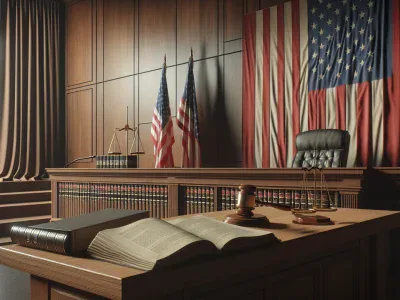
Picture yourself standing in a bustling courtroom the air thick with tension and anticipation. The judge’s gavel echoes as two cases unfold—one a minor scuffle the other a high-stakes drama with life-altering consequences. Both involve breaking the law yet the paths they take couldn’t be more different. Why does one lead to a slap on the wrist while the other could change a life forever?
Understanding the difference between a misdemeanor and a felony isn’t just legal jargon—it’s a window into how society weighs right and wrong. Knowing these distinctions could help you navigate everything from background checks to job opportunities or even a neighbor’s whispered rumors. Unlocking these secrets might just offer peace of mind when you least expect it.
Understanding the Basics of Criminal Offenses
Criminal offenses, in legal systems like those of the United States or Canada, split into two primary categories: misdemeanors and felonies. When you hear “misdemeanor,” maybe you picture a noisy neighbor’s party getting too loud on a Saturday night—minor offenses usually, such as petty theft, disorderly conduct, or simple assault, fit this label. On the other hand, “felony” brings images of courtroom dramas, high-profile trials, or news headlines that shake entire communities—entities like armed robbery, burglary, or murder.
Let’s ask a question: What happens when you cross the line from one to the other? Picture someone steals a candy bar, that act probably falls under misdemeanor theft. But increase the value, add threats, or involve a weapon—now you’ve entered felony territory, where stakes rise fast.
States, such as California or Texas, direct how these classifications apply and the consequences that follow. For example, North Carolina law (§14-1) labels acts like vandalizing public property as a misdemeanor unless the damage is so severe the charge escalates. Legal authorities—not bystanders or juries—decide what fits within these categories based on statutes and historical precedent, with dependency relations between how an act is described and how it gets punished.
Anecdotes from real life underline why distinctions matter. If you’re ever stopped for a traffic violation, an officer checks your record—do you have a misdemeanor DUI, or is there a felony on file? Employers, landlords, even volunteer coordinators may review public records, and the difference between these two entities can shape your opportunities for years.
Dependency frameworks highlight how “offense” depends semantically and legally on qualifiers like “petty,” “gross,” or “aggravated.” Different courts—municipal, state, federal—parse these terms with nuance, analyzing intent, harm, and previous conduct. The system’s complexities can surprise even seasoned attorneys.
If you wonder, ‘Could a misdemeanor ever become a felony?’—yes, it can, like repeated offenses of shoplifting in some states. That ambiguity makes understanding basics vital, nobody’s future hinge on a technicality they didn’t see coming. The journey from accusation to conviction runs on more than labels; it’s a network of linguistic, statutory, and social nodes, each with real consequences for you or anyone else accused.
Next time you read a crime story, think about how that story was shaped not just by what someone did, but by the invisible grammar and legal choices defining your rights, records, and reputation. If you think legalese is dry—consider how one sentence, one qualifier, could mean freedom or years behind bars.
What Is a Misdemeanor?
A misdemeanor sits between an infraction and a felony, coloring your record without bringing the full storm of a felony conviction. Picture you’re in court for jaywalking, but instead you get accused of vandalism after spray-painting a park bench. It probably gets you a misdemeanor, not a felony, yet the stain lingers—employers and landlords notice. This legal distinction shapes how society views both you and your mistake, raising a question: what really sets misdemeanors apart from other offenses?
Common Types of Misdemeanors
Several offenses fall into the misdemeanor bucket, painting a diverse picture of minor crime in the justice system. Simple assault, like shoving someone during an argument, rarely escalates unless a weapon’s involved. Petty theft cases—taking a bag of chips or shoplifting something less than $500, depending on your state—typically end in misdemeanor charges. Disorderly conduct covers loud arguments at 2 a.m. in public squares, or causing a scene outside a bar. DUI, driving under the influence when nobody gets hurt, might keep you out of prison but still leaves its mark on your life.
Legal Consequences of Misdemeanors
Legal consequences of misdemeanors unfold in ways both obvious and hidden. Jail sentences generally last less than a year, sometimes measured in months or weeks, and often take place in county facilities—not state prisons. You might face community service, court fines, or probation, depending on how the judge reads your story. Collateral effects reach further: you could lose certain job opportunities, or struggle to rent an apartment if your record pops up in background checks. In some states, a second misdemeanor turns into a felony, as statutes stack your mistakes against you. Courts usually assign lawyers, but with crowded dockets, your defense could get less attention than a big-ticket felony. If your charge gets expunged, which sometimes happens after years without reoffending, you find a door open again—though traces still linger on some government records (see NACDL, 2023).
So, why does one person’s bar fight become a felony, while yours ends with a misdemeanor? A clever defense attorney once asked, “What’s minor to you may feel monumental to them”—reminding you that the system itself interprets every story through layers of law, circumstance, and perception.
What Is a Felony?
Felonies define the most serious category of criminal offense in the legal system. You encounter felonies in cases that involve significant harm, property loss, or threats to society. Courts, lawmakers, and law enforcement agencies recognize felonies through statutory language and historical precedent, drawing sharp lines between minor and major crime.
Common Types of Felonies
Felonies classify a wide range of serious violations. Offenses like armed robbery, where the presence of a weapon increases perceived threat, or homicide, which involves loss of life, anchor many legal discussions about crime severity. White-collar crimes, for example embezzlement or securities fraud, become felonies when losses cross certain financial thresholds, sometimes $100,000 or more. Other felonies include arson (deliberate property destruction by fire), sexual assault, and drug trafficking.
People convicted of felonies often find them code numbers used in legal databases or background checks. In many states, for example, a Class A felony means the harshest penalties, you probably heard about those infamous cases on TV news or documentaries. Sometimes, a single event like a car accident can become a felony if reckless driving causes death, leaving you wondering, was it intent or just tragic mistake? New York and California codes, for instance, spell out which crimes cross the line between misdemeanor and felony, but interpretation often depends on context.
Legal Consequences of Felonies
Felony convictions always carry substantial consequences. You see prison sentences measured in years or decades, not just months. For example, someone convicted of first-degree murder faces life imprisonment or even the death penalty in some states (source: U.S. Department of Justice). Collateral consequences, including loss of voting rights, inability to own firearms, and major barriers to employment, follow many felonies.
Some prosecutors might argue that rehabilitiation deserves more focus, but others say society needs strict deterrence. Families sometimes never recover from the stigma—a father with felon status can’t volunteer at school, or a mother loses the right to run for office. The seriousness of felonies makes judges, lawyers, and juries carefully weigh evidence and intent, questioning each step. If a person had no prior record but the harm was high, do they show mercy or enforce the statute exactly?
Data on felony sentencing highlight disparities: In 2022, federal courts sentenced over 64,000 people on felony convictions, with sentences varying from 2 years to life (source: United States Sentencing Commission).
Felony Type
Potential Sentence
Collateral Consequences
Armed Robbery
5 to 20 years imprisonment
Loss of voting/gun rights, parole
Homicide
20 years – life/death
Lifetime stigma, employment bans
Embezzlement
1 to 10 years
Financial restitution, job loss
Whether you see felonies as warnings or lessons, their impact touches individual lives and society.
Key Differences Between a Misdemeanor and a Felony
Key differences between a misdemeanor and a felony shape everything from courtroom outcomes to your everyday opportunities. Your understanding of these differences isn’t just legal trivia—it’s a roadmap for navigating risk, responsibility, and even second chances.
Severity of Crimes
Severity levels sharply distinguish misdemeanors from felonies. Misdemeanors usually cover minor crimes—for example, shoplifting a pair of headphones, trespassing at a concert, or simple battery. Felonies, on other hand, apply to acts like grand theft auto, arson, or aggravated assault, where injury, massive financial loss, or significant harm occurs. In 2023, the FBI classified over 67% of violent crimes as felonies, showing how gravity guides categorization (FBI Crime Data Explorer).
Just ask yourself: is it a barroom brawl or a high-stakes bank robbery? The answer draws the line between misdemeanor and felony charges—between a slap on the wrist or courtroom drama worthy of breaking news. Sometimes, though, gray areas blur distinctions. For example, a simple theft’s value—stealing a $499 item versus a $500 item—can shift the charge and, with it, your entire future.
Punishment and Sentencing
Punishment and sentencing for misdemeanors often involve jail (less than a year), fines, or community service. Felonies bring prison time (over a year), massive fines, and parole, sometimes strip constitutional rights—like voting. Say you’ve heard of a friend getting six-months county jail for drunk driving. Contrast that to a CEO convicted for embezzling millions, who faces a decade behind federal bars.
Patterns don’t always tell the whole story. States like California use “wobblers” (crimes chargeable as either) to factor circumstances, meaning repeat offenders or intent can tip scales from misdemeanor to felony in a heartbeat (California Penal Code, Section 17(b)). Sometimes, two people commit the exact same act but walk away with radically different sentences—one thanks to luck, the other to a lawyer’s skill.
Impact on Criminal Record and Future Opportunities
Criminal records following misdemeanors or felonies travel with you, influencing what’s possible years down the line. While misdemeanors sometimes fade after a background check—like a trespassing charge on college roommates’ prank—felonies stand stubborn, limiting jobs, housing, and even professional licenses.
Consider the case of someone losing scholarship offers after a campus fight gets charged as a felony instead of a misdemeanor. Or picture ex-felons barred from voting in 11 states as of 2024 (National Conference of State Legislatures) or denied employment based on “automatic disqualification” policies. Expungement options exist for certain misdemeanors, giving second chances; but with felonies, the stigma and limitations are rarely erased, even decades later.
Critical thinking matters: does the law truly offer “justice for all,” or can a single bad decision shadow everything? The question lingers—and pushes you to learn, act, and protect your own story.
How the Legal Process Differs for Misdemeanors and Felonies
When you step into a courthouse, the difference between facing a misdemeanor versus a felony shapes your entire experience. Misdemeanors, like shoplifting or simple assault, often feels more like rehearsing for a short play in a community theater, while felonies—armed robbery, aggravated assault, embezzlement—drag you into a high-stakes drama with an unforgiving script. How does the legal grammar of dependency shift between the two?
Arrest and Initial Hearing
Police treat arrests for misdemeanors and felonies differently. Officers usually issue summons or citations for misdemeanors—think of a college student caught spray painting a wall—letting you return home the same day. Felony arrests, though, usually end with you in handcuffs, processed, and held in jail until a bail hearing, especially when the crime involved threat or violence (see Bureau of Justice Statistics, 2023).
You might barely spend an hour in custody with a misdemeanor, but felony suspects could spend days or weeks awaiting an arraignment. That procedural distinction can alter the emotional tempo of your ordeal.
Pretrial Process
Judges often do pretrial conferences for misdemeanors, moving cases quickly through court. Sometimes you could just plea out, pay a fine, and leave, your story forgotten by most. For felonies, the grammar gets complicated: grand juries, indictments, and preliminary hearings become the verbs and subjects. For example, prosecutors may call a grand jury to indict someone for tax fraud—a technical felony where the evidence gets debated extensively.
The dependency structure here shifts: felonies requires more procedural branches (hearings, discovery, motions) while misdemeanors glide through with a few adjunctive steps.
Trial Differences
If your case goes to trial, the atmosphere changes with the charge. Jury trials are guaranteed for felonies in almost all U.S. states, while misdemeanors sometimes get bench trials—just a judge, no jury. Picture sitting in front of twelve strangers when accused of a robbery; every branch of the legal sentence weighed carefully, as opposed to the fleeting attention for a trespassing case.
Felony trials usually feature more witnesses, longer cross-examinations, and elaborate evidentiary rules. The path of dependency grammar here is like an intricate sentence with subordinate clauses—a story with no loose ends.
Sentencing and Appeals
Misdemeanor sentencing usually involves judges considering jail time under a year, fines, or probation. Collateral consequences—like losing a professional license—could occur, but with less frequency. With felonies, sentences could stretch for years or decades, layering appeals and notices like stacked prepositional phrases.
Once someone is convicted of a felony, appeals become critical, stretching the process out, sometimes for years (see United States Sentencing Commission annual reports). Misdemeanor appeals must move faster, with limited grounds and diminished chances for reversal.
Real-Life Divergence
Take the example of two college friends—one charged with public intoxication (a misdemeanor), the other with drug trafficking (a felony). The first spends one night in jail, pays a $250 fine, and returns to class next week with a cautionary tale. The second faces a 5-year minimum sentence—missing birthdays, losing voting rights, and struggling post-release in housing and employment, his narrative reshaped forever (see National Inventory of Collateral Consequences of Conviction).
Critical Thought
How would your life story change if a single misstep gets classified as a felony, not a misdemeanor? Would you trust a justice system where identical acts are parsed by different courts—one lenient, one relentless? And, if every legal outcome depends on such syntax, to who’s benefit does the system eventually function?
If you’re navigating America’s legal process, knowing the precise semantic difference between these charges might mean rewriting your future. Always look for the connective phrases in your own case—those details could offer you a second chance in a grammar where every clause matters.
Conclusion
Understanding the line between a misdemeanor and a felony gives you the knowledge to make informed decisions and avoid pitfalls that can impact your future. With the right awareness you can better protect your rights and navigate legal challenges with confidence.
Whether you’re facing a legal issue or simply want to be prepared knowing these differences helps you safeguard your reputation and opportunities. Staying informed puts you in control when it matters most.
Published: July 25, 2025 at 8:49 am by Ellie B, Site owner & Publisher
To provide the best experiences, we use technologies like cookies to store and/or access device information. Consenting to these technologies will allow us to process data such as browsing behaviour or unique IDs on this site. Not consenting or withdrawing consent, may adversely affect certain features and functions.
Functional
Always active
The technical storage or access is strictly necessary for the legitimate purpose of enabling the use of a specific service explicitly requested by the subscriber or user, or for the sole purpose of carrying out the transmission of a communication over an electronic communications network.
Preferences
The technical storage or access is necessary for the legitimate purpose of storing preferences that are not requested by the subscriber or user.
Statistics
The technical storage or access that is used exclusively for statistical purposes.The technical storage or access that is used exclusively for anonymous statistical purposes. Without a subpoena, voluntary compliance on the part of your Internet Service Provider, or additional records from a third party, information stored or retrieved for this purpose alone cannot usually be used to identify you.
Marketing
The technical storage or access is required to create user profiles to send advertising, or to track the user on a website or across several websites for similar marketing purposes.