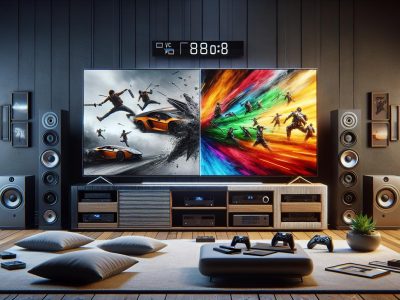
When determining the best display technology for your needs, understanding the distinctions between resolutions is pivotal.
Understanding Screen Resolutions
What Is 1080p Resolution?
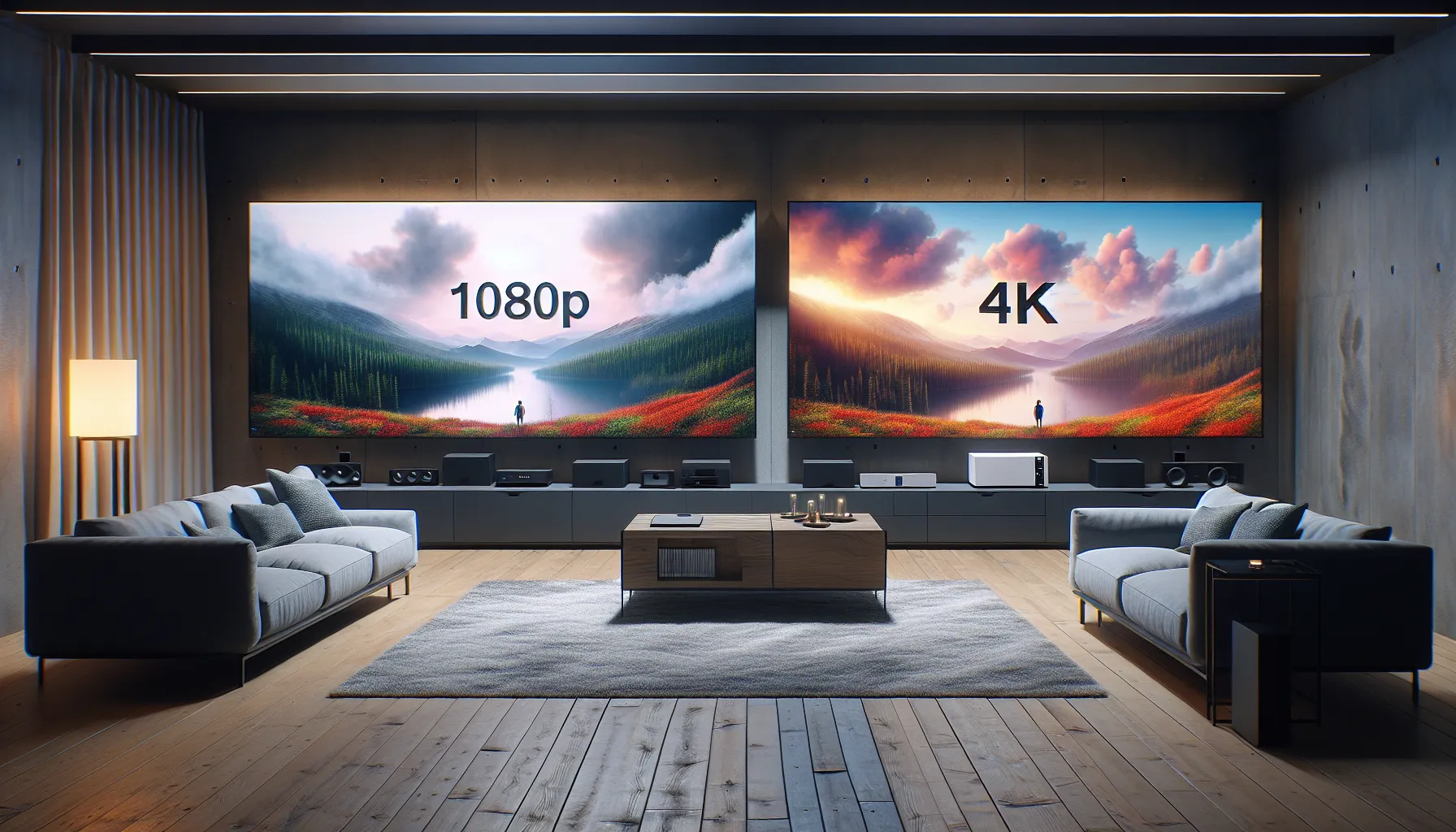
1080p resolution, also known as Full HD, comprises 1920 horizontal pixels and 1080 vertical pixels. This configuration results in a total pixel count of approximately 2.1 million, creating clear and detailed images suitable for most standard viewing needs.
Overview of 4K Resolution
4K resolution, often referred to as Ultra HD, features 3840 horizontal pixels and 2160 vertical pixels, culminating in over 8.3 million total pixels. This higher pixel density provides more detail and smoother visuals, even on larger screens.
Technical Specifications and Differences
Pixel Count and Aspect Ratio
While both resolutions typically use a 16:9 aspect ratio, the increased pixel count in 4K allows for more finely tuned images and textures.
Display Quality and Clarity
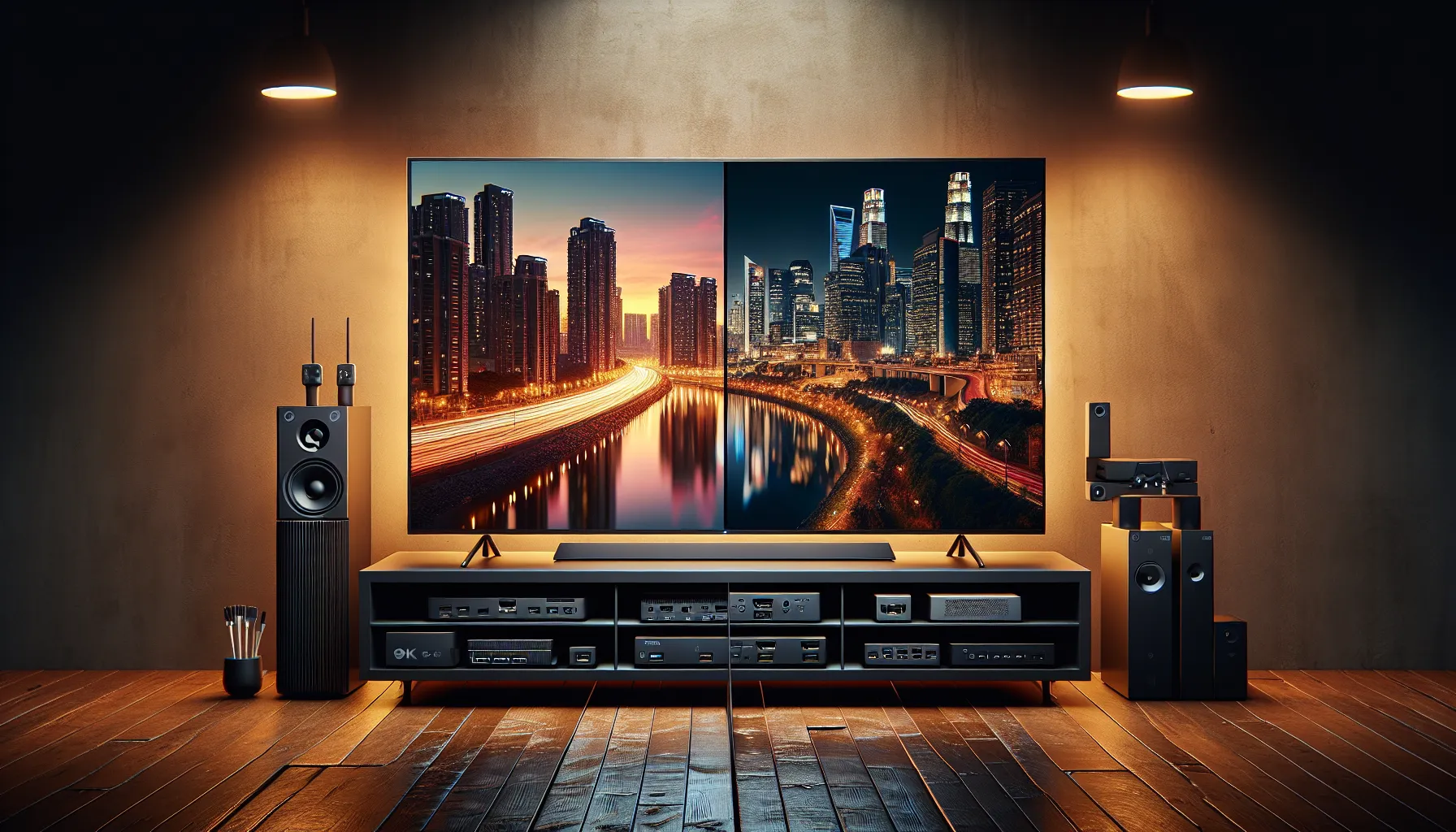
4K displays offer sharper and clearer images compared to 1080p, particularly noticeable on larger screens or when viewed from close distances.
Applications and Usages
1080p is commonly used in television broadcasts, laptop displays, and gaming. Conversely, 4K is preferred for high-definition streaming, professional video production, and modern entertainment systems.
Benefits of Upgrading to 4K
High-Definition Experience
With a fourfold increase in pixel density, 4K provides an unmatched, immersive viewing experience for users.
Media and Entertainment Advantages
Streaming services, Blu-ray discs, and video games have increasingly adopted 4K as the standard for high-definition media, capitalizing on its enhanced image quality and vibrant colors.
Considerations When Choosing Between 1080p and 4K
Compatibility and Device Requirements
To fully benefit from 4K technology, your device setup, including HDMI cables and playback devices, must be compatible with the higher resolution.
Cost and Accessibility
Although 4K devices are becoming more affordable, they typically incur higher costs compared to 1080p alternatives, requiring careful budget consideration.
Future Trends in Screen Resolution Technology
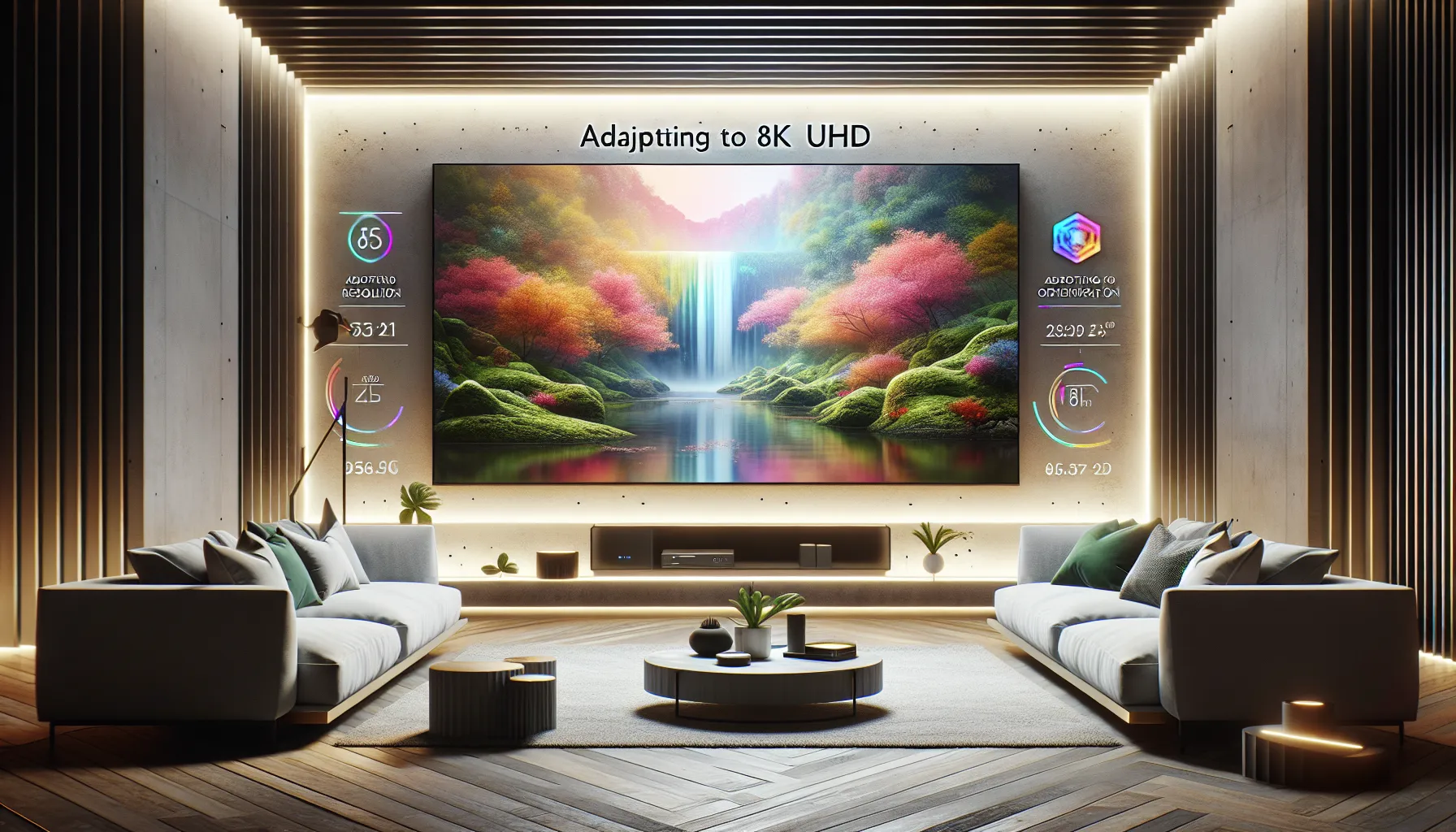
The trend toward higher resolutions continues, with innovations like 8K and dynamic resolutions gaining traction, promising even more detailed and immersive displays.
To provide the best experiences, we use technologies like cookies to store and/or access device information. Consenting to these technologies will allow us to process data such as browsing behaviour or unique IDs on this site. Not consenting or withdrawing consent, may adversely affect certain features and functions.
Functional
Always active
The technical storage or access is strictly necessary for the legitimate purpose of enabling the use of a specific service explicitly requested by the subscriber or user, or for the sole purpose of carrying out the transmission of a communication over an electronic communications network.
Preferences
The technical storage or access is necessary for the legitimate purpose of storing preferences that are not requested by the subscriber or user.
Statistics
The technical storage or access that is used exclusively for statistical purposes.The technical storage or access that is used exclusively for anonymous statistical purposes. Without a subpoena, voluntary compliance on the part of your Internet Service Provider, or additional records from a third party, information stored or retrieved for this purpose alone cannot usually be used to identify you.
Marketing
The technical storage or access is required to create user profiles to send advertising, or to track the user on a website or across several websites for similar marketing purposes.