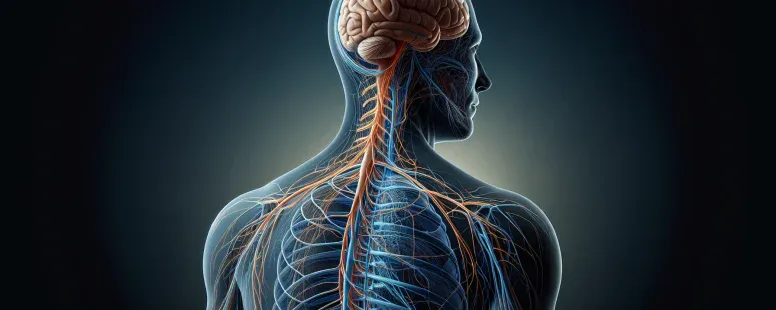
The human body operates as a profoundly intricate system, requiring precise coordination to sustain life functions and respond to external stimuli effectively. Central to this is the human nervous system, which orchestrates countless physiological and psychological processes. The nervous system is divided into two primary components, the Central Nervous System (CNS) and the Peripheral Nervous System (PNS). These systems, while structurally and functionally distinct, work in harmony to ensure optimal functionality. This article delves into the complexities of the CNS and PNS, highlighting their structures, functions, differences, and interdependence.
Understanding the Central Nervous System (CNS)
Structure and Components of the CNS
The Central Nervous System (CNS) is primarily composed of the brain and spinal cord. Encased within the skull and vertebral column, these structures are protected by layers of meninges and bathed in cerebrospinal fluid, which provides cushioning and nutrient delivery. The brain itself is divided into distinct regions, including the cerebrum, cerebellum, and brainstem, each serving specialized roles crucial for body function.
Functions and Roles of the CNS
The CNS serves as the processing hub of the nervous system. It interprets sensory data received from the body, initiates motor responses, and integrates cognitive functions such as reasoning, memory, and emotion. Essentially, it acts as the command center, ensuring that signals are accurately transmitted and appropriate responses are executed.
Understanding the Peripheral Nervous System (PNS)
Structure and Components of the PNS
The Peripheral Nervous System (PNS) comprises all neural elements outside the CNS, including cranial and spinal nerves. It is subdivided into the somatic nervous system, which oversees voluntary muscle movements, and the autonomic nervous system, which regulates involuntary functions such as heartbeat and digestion.
Functions and Roles of the PNS
The PNS serves as the communication network linking the CNS to the rest of the body. It transmits sensory information from peripheral receptors to the CNS and conveys motor commands from the CNS to muscles and glands. This system enables both reflexive and voluntary actions, maintaining homeostasis and reacting to environmental changes.
Key Differences Between the CNS and PNS
Functional Distinctions
A primary functional distinction is that the CNS is responsible for integration and decision-making processes, while the PNS handles relaying information to and from the CNS. The CNS initiates responses based on sensory input, whereas the PNS ensures these responses reach their target destinations effectively.
Structural Variations
Key structural differences include their protective environments, the CNS is encapsulated within bony structures and relies on cerebrospinal fluid for additional protection, while the PNS operates throughout the body without such shielding but benefits from flexibility and adaptability to peripheral conditions.
The Interdependence Between CNS and PNS
How the CNS and PNS Collaborate
The CNS and PNS collaborate seamlessly to regulate bodily functions. The PNS delivers sensory data to the CNS, which processes the information and dispatches appropriate motor commands back through the PNS. This interplay ensures precise coordination and efficient responses to stimuli.
Examples of CNS and PNS Integration in Daily Functioning
Consider the act of touching a hot surface: sensory neurons in the PNS detect the heat and send signals to the CNS. The CNS processes this information and quickly directs motor neurons in the PNS to withdraw your hand, illustrating this integrated mechanism.
Published: November 13, 2025 at 11:15 am by Ellie B, Site owner & Publisher
To provide the best experiences, we use technologies like cookies to store and/or access device information. Consenting to these technologies will allow us to process data such as browsing behaviour or unique IDs on this site. Not consenting or withdrawing consent, may adversely affect certain features and functions.
Functional
Always active
The technical storage or access is strictly necessary for the legitimate purpose of enabling the use of a specific service explicitly requested by the subscriber or user, or for the sole purpose of carrying out the transmission of a communication over an electronic communications network.
Preferences
The technical storage or access is necessary for the legitimate purpose of storing preferences that are not requested by the subscriber or user.
Statistics
The technical storage or access that is used exclusively for statistical purposes.The technical storage or access that is used exclusively for anonymous statistical purposes. Without a subpoena, voluntary compliance on the part of your Internet Service Provider, or additional records from a third party, information stored or retrieved for this purpose alone cannot usually be used to identify you.
Marketing
The technical storage or access is required to create user profiles to send advertising, or to track the user on a website or across several websites for similar marketing purposes.