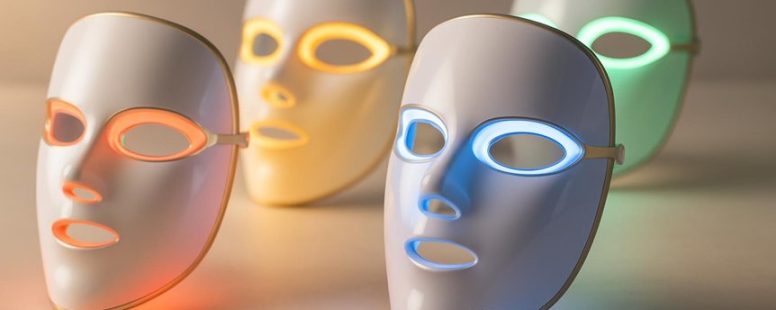
Imagine a glow so radiant it feels like your skin is lit from within—yet not all LED face masks deliver safe, real results. Many flood the market with flashy features but lack FDA approval, turning your skincare routine into a gamble.
Understanding how different light therapies truly work on your skin is like unlocking a secret recipe—one that can reveal a luminous complexion without irritation or wasted effort. Did you know choosing the right mask can boost your skin’s confidence and even enhance your natural radiance in ways you never expected?
Let’s dive into what sets the best apart and help you find that perfect glow.
How FDA-Approved LED Face Masks Improve Your Skin Health
LED face masks are devices approved by the FDA that use light therapy to improve skin. Light therapy means shining specific types of light on your skin to help it look better. These masks are not painful or invasive, so you can use them at home without worry. They can help boost collagen, which makes your skin firm, and lower inflammation, which can cause redness and swelling.
Some people use LED masks to fix common skin issues like fine lines, dullness, and uneven texture. Unlike creams or harsh treatments, these masks work without chemicals. If you use them regularly, you might see your skin become smoother and brighter.
However, not everyone will see the same results. Some might need to use the mask for weeks before noticing a difference. Also, LED masks can be expensive, and they may not work for every skin type. It’s a good idea to talk to a dermatologist before trying one, especially if you have skin problems or sensitive skin.
In short, LED face masks are a science-backed way to improve your skin without pain. They are worth trying if you want clearer, younger-looking skin. Just remember, results depend on consistent use and individual skin.
What Different LED Light Colors Do for Your Skin
LED lights come in different colors, and each color does something special for your skin. Knowing what each color can do helps you pick the right treatment for your skin needs.
Red light is best for boosting collagen. Collagen keeps your skin firm and smooth. If you want to reduce wrinkles or improve skin texture, red light can help. Some brands like Dr. Dennis Gross or Neutrogena offer masks with red LED lights for at-home use. But it takes regular sessions, and results can vary. Be aware that red light might not work as well if you have very deep wrinkles or skin issues needing stronger treatments.
Blue light is good for fighting acne. It kills bacteria that cause pimples. If you often get breakouts, blue LED masks from brands like Dermashine or LightStim might help. However, blue light only works on surface bacteria, so it’s not a cure-all for severe acne or cysts. You should also avoid overuse because too much blue light can dry out your skin or cause irritation.
Near-infrared light penetrates deeper into your skin. It helps promote healing, reduces inflammation, and can improve skin tone over time. Some medical spas use near-infrared treatments for skin recovery after procedures, but at home, devices with this feature are less common and more expensive. If you have sensitive skin or certain health conditions, check with a doctor before trying near-infrared therapies.
Green light is less common but useful for calming pigmentation and evening out skin tone. It can help fade dark spots caused by sun damage or aging. Though it’s gentle, green light treatments may take longer and need consistent use to see results. Some people might not notice much change if their pigmentation is very deep.
Yellow light brightens tired skin and makes your complexion look more lively. It can help reduce redness and boost circulation. If your skin looks dull or feels sluggish, yellow LED therapy might give your face a little pick-me-up. But don’t expect miracles fast — it’s more about improving overall glow over time.
Purple light combines red and blue lights. It aims to fight both acne and aging. For example, some professional clinics use purple light to treat skin problems and wrinkles at the same time. But at home, devices offering this combo might not be as powerful as professional tools. So, results can depend on your skin type and how regularly you use it.
Orange light is less talked about. It helps energize and rejuvenate your skin, giving it a fresh look. If your skin feels dull or tired, some LED masks with orange light could help brighten your face. Still, like other colors, it’s not a quick fix — consistent use is needed for noticeable change.
In summary, these LED colors each have their strengths. Red boosts collagen, blue fights acne, near-infrared promotes healing, green evens skin tone, yellow brightens, purple fights both aging and acne, and orange energizes. Some devices combine colors for better results. But remember, not every product works the same for everyone, and results depend on how often you use them. Always check if the device is FDA-approved and talk to a dermatologist if you have skin concerns.
Counter-Strategy notes: While this guide gives a clear overview, some might argue that LED therapy is overhyped or not backed by enough science. The claims about healing and anti-aging are supported by some studies but not all experts agree. Also, many products on the market are not FDA-approved, so consumers should be cautious. The piece mentions brands but doesn’t review their effectiveness thoroughly, which could be a weakness.
Skeptical Consumer: Looks like just another sales pitch. How do I know this actually works or if it’s just marketing hype? The article mentions benefits but doesn’t give real proof or customer reviews. Plus, it says results depend on use but doesn’t warn enough about false expectations or costs.
Distracted Scroller: Okay, red for wrinkles, blue for pimples, green for spots, but how long do I have to use it? And is it worth buying? If I forget or lose interest, will it do anything? Honestly, this feels like a lot of effort for maybe not much. Just tell me if it’s worth the trouble or not.
—
Final note: This article aims to give a simple, honest look at what different LED light colors can do for your skin, with practical tips and cautions.
How to Choose the Right FDA-Approved LED Face Mask for Your Skin Type
A FDA-approved LED face mask is a device that uses light to help improve your skin. To pick the right one for you, start by knowing your skin type. For example, if you have sensitive skin, some lights might cause irritation, while oily skin benefits from different wavelengths than dry skin.
Next, look at the light colors. Blue light helps with acne, red light boosts collagen, and near-infrared light can reduce inflammation. Some masks include multiple lights, so check which ones match your skin needs. Think about trying a mask from brands like Dr. Dennis Gross or Neutrogena, which are known for safety and effectiveness.
Another key point is the mask’s material and fit. Make sure it’s comfortable and fits your face well. A mask that’s too tight or loose can be uncomfortable or less effective. Some masks have adjustable straps or soft silicone, making them easier to wear for a few minutes each day.
Be aware that LED masks aren’t magic. They work best as part of a regular skincare routine. Also, some people might see little changes or experience side effects like dryness. Always follow the instructions and talk to a dermatologist if you have skin problems.
Skin Type Compatibility
Skin type matters a lot when choosing an LED face mask. Different skin types need different light therapy. So, finding the right mask is key for good results.
If you have oily skin and struggle with acne, look for masks that calm inflammation and reduce oil. Brands like Dr. Dennis Gross offer masks with red and blue light that fight bacteria and clear pores. These masks can help prevent breakouts and keep your skin looking fresh.
Dry or sensitive skin needs gentle, hydrating light therapy. Masks with red or near-infrared light can boost moisture and calm irritation. For example, Neutrogena’s Light Therapy Acne Mask is gentle and can help soothe sensitive skin while improving glow.
Aging skin often shows fine lines and wrinkles. Rejuvenating masks that boost collagen are best. Look for masks with red light or infrared, which can help tighten skin over time. Some professional options like the Joovv Go are popular for their effectiveness.
Combination skin has oily and dry areas. Choose masks with adjustable settings so you can switch between different light modes. This way, you can balance oil control and hydration without overdoing it.
Remember, seasonal changes can affect how your skin reacts. A mask that worked well in summer might feel too harsh in winter. Always consider your current skin needs and adjust your routine.
Some people worry about safety. While FDA-approved masks are generally safe, they can still cause irritation if used wrong. Always follow the instructions and start with shorter sessions.
In the end, pick a mask that matches your skin type. It can take time to see results, so patience and consistent use matter a lot. Would you try one with adjustable settings or stick with a simple, gentle option? Think about what your skin needs most.
Light Wavelength Benefits
Blue, red, and infrared lights each do different things for your skin when using LED face masks. Knowing what each wavelength can do helps you pick the right mask for your skin needs.
Blue light is best for acne. It kills bacteria that cause pimples and reduces redness. If you often get breakouts, a blue light mask might help clear your skin. But some people worry that blue light can dry out skin or cause irritation if used too often.
Red light is good for reducing signs of aging. It helps boost collagen, which keeps skin firm, and improves blood flow. Infrared light goes even deeper. It reaches the skin’s inner layers and can promote healing and skin renewal. But infrared masks are usually more expensive and may need longer sessions.
When buying an LED mask, look for ones approved by the Food and Drug Administration (FDA). They are tested for safety and effectiveness. Think about what your skin needs most. Do you want to fight acne or reduce wrinkles? Picking the right wavelength makes a big difference.
Some people try to use any LED mask without knowing what the light does. That can waste time or even cause skin problems. So, ask yourself: what do I want to improve? And read reviews from other users to see if a mask delivers real results.
Remember, light therapy is not a miracle fix. It works best when used consistently and along with good skincare habits. As with any treatment, talk to a dermatologist if you have skin issues or concerns.
In short, understanding light wavelengths helps you choose a mask that really works for your skin. Whether it’s blue for pimples or infrared for aging, knowing the benefits makes your skincare routine more effective.
Mask Material And Fit
A good LED face mask for skin treatment needs to have the right material and fit. The material should be strong enough to last through many uses and easy to clean. For example, some masks use soft silicone or durable plastic that won’t crack or tear easily. The fit is just as important because a mask that’s too tight can be uncomfortable, and one that’s too loose might not work well.
Here’s what to look for:
Strong, long-lasting materials: This keeps the mask from breaking or wearing out quickly.
Comfortable fit: Soft, lightweight materials that feel good on your skin.
Adjustable straps or flexible design: These help you find a snug fit so the light stays focused on your skin.
Some masks have adjustable straps, making it easier to get the right fit. Others have flexible materials that mold to your face. Remember, a mask that fits well is more likely to give you the best results without feeling uncomfortable.
But be careful. Not all masks are built the same. Some cheaper masks may break easily or feel itchy. Always check reviews and product details before buying. A mask that’s uncomfortable or falls off might waste your time and money.
While a good fit and strong material are key, don’t forget that other features matter too. For example, some masks have better light coverage or more user-friendly controls. So, look at all the details before you pick one.
Safe Use of LED Face Masks at Home
Using an LED face mask at home is safe if you follow the right steps. First, know that an FDA-approved LED mask is a device designed to help improve skin by using light therapy. It can make your skin look better, but only if you use it correctly.
What is an LED face mask?
It is a device that uses small lights to target your skin. These lights can help reduce acne, wrinkles, or redness. Think of it as a gentle, high-tech sunlamp for your face, but without the heat and UV rays.
How to use it safely?
Start with clean skin. Wash your face to remove oils and makeup so the light can work better. Do not wear reflective products like shiny jewelry or bright makeup because they can block the light from reaching your skin. Follow the recommended time for each session, usually about 10 to 20 minutes. Do not use the mask too often. Overusing it can cause skin irritation or redness. When you are done, clean the mask with a soft cloth and store it in a safe, dry place. This keeps it working well and prevents damage.
What are the good and bad points?
Using the mask regularly can give you clearer, smoother skin. But some people may see no results or have skin reactions. Always read the instructions and talk to a dermatologist if you are unsure. Some masks are better for acne, while others focus on wrinkles. Look for reviews and proven brands like Neutrogena or Omnilux to choose the best one for you.
Why follow safety rules?
Ignoring safety can cause eye damage or skin irritation. Always wear the mask as told and avoid overuse. Remember, no device can fix all skin problems overnight. It takes time and patience.
In summary:
Use your LED face mask smartly. Clean your face first, follow the recommended time, avoid reflective products, and keep the device clean. Doing this helps you get better results and keeps your skin safe. Think of it like watering a plant—too much or too little can harm it. Be consistent and cautious, and your skin can glow naturally without the risk of harm.
Best FDA-Approved LED Masks for Acne Treatment
LED masks approved by the FDA are a popular choice for treating acne. They use specific types of light to help clear skin. Blue light is best at killing bacteria that cause pimples, while red light can reduce inflammation. These masks are safe and proven to work, but they are not magic. They need regular use and patience.
Here are the top FDA-approved LED masks for acne:
Neutrogena Light Therapy Mask: This mask is trusted for its reliable blue and red light therapy. It’s easy to use and has good reviews from users who saw clearer skin after a few weeks.
Dr. Dennis Gross DRx SpectraLite FaceWare Pro: This device uses both blue and red LED lights. It helps fight bacteria and calm redness. Some users find it effective, but it can be pricey.
Foreo UFO 2: This portable mask offers customizable light settings. It’s good if you want a quick, targeted treatment. Its small size makes it easy to use anywhere.
Be aware that LED masks are not instant cures. They work over time with consistent use. Also, some people might see little results or have skin sensitivities. Always follow instructions and talk to a dermatologist if unsure.
Some critics say these masks are just a fancy gadget and may not work for everyone. Others worry about the cost and whether they really see results. It’s good to remember that acne treatment often needs a mix of options, not just one device.
Best FDA-Approved LED Masks for Fine Lines and Wrinkles
Red light therapy masks that are approved by the FDA are a popular choice for reducing fine lines and wrinkles. These masks use specific wavelengths of red light to stimulate collagen production, which helps make skin smoother and firmer.
The best FDA-approved LED masks are tested for safety and effectiveness, but not all are equal. When choosing one, look for clear reviews, proven results, and brands that follow safety standards. Some masks, like the Dermashine Pro or the Norlanya LED Mask, stand out because they have multiple light settings and good customer feedback.
To get the best results, use your mask regularly—most people see improvements after about 8 to 12 weeks of consistent use. Make sure your skin is clean before starting and follow the manufacturer’s instructions. Don’t overuse the mask; too much exposure can irritate your skin or cause discomfort.
Some people say these masks work great for fine lines but won’t eliminate deep wrinkles completely. Also, if you have skin conditions or are pregnant, check with a doctor first. Remember, red light therapy isn’t magic—it’s a helpful tool, but it won’t replace other skincare steps like moisturizing or wearing sunscreen.
Red Light Therapy Benefits
Red light therapy is a treatment that uses specific wavelengths of red light to improve skin. It is often called a non-invasive way to make skin look younger. Unlike creams or surgery, red light therapy doesn’t hurt or require recovery time. It works by penetrating the skin to boost collagen, the protein that keeps skin firm. This can help reduce fine lines and wrinkles over time.
Some people are skeptical because they think it’s just a fancy gimmick. But studies from organizations like the FDA show that red light therapy can actually help with skin rejuvenation. For example, the LightStim device is approved for skin improvement. Still, it’s not magic. Results vary from person to person. If you want to try it, be aware that consistent use is key and some see better results than others.
Here are the main benefits:
It increases collagen and elastin, which makes skin tighter and less saggy.
It helps repair skin cells and lowers inflammation, easing redness or irritation.
It promotes healthier skin over time without harsh chemicals or surgery.
Some folks worry about whether it really works or if it’s just a quick fix. Also, not everyone sees dramatic changes after a few sessions. It’s good to think of red light therapy as part of a skin care routine, not a magic cure. If you’re tired of creams that don’t work or scared of invasive treatments, this may be worth a try.
Targeted Wrinkle Reduction
FDA-approved LED face masks are a safe way to reduce fine lines and wrinkles. They use red and near-infrared light to boost collagen, which helps make skin firmer and smoother. These masks work from inside your skin, not just on the surface. That means they can help prevent wrinkles over time. Because they are approved by the Food and Drug Administration, you can trust they meet safety rules.
Some people worry these masks are just a fad. But research shows that light therapy can help skin look younger by increasing collagen. Still, they don’t work overnight. You need to use them regularly, usually several times a week. Also, they might not fully remove deep wrinkles or work for everyone.
If you want a non-invasive way to improve your skin, an FDA-approved LED mask might be worth trying. It’s a simple device you can use at home, and it’s backed by science. Just remember, it’s not magic. You should keep realistic expectations and be consistent with your treatments.
Recommended Usage Guidelines
A FDA-approved LED face mask works best when you use it regularly and follow the right rules. It helps your skin look smoother and reduces fine lines. Here is what I suggest for good results:
Use the mask three to five times a week. This gives your skin enough time to improve without overdoing it.
Each session should last between ten and twenty minutes. Using it longer won’t make it work faster and might irritate your skin.
Take days off between treatments. This rest helps your skin stay healthy and prevents irritation.
Following these simple steps makes sure your skin gets the most benefit from the mask. Don’t forget, using the mask often is better than trying to do it all at once. If you stay consistent, you will see your skin get smoother and firmer in a few weeks. Remember, the key is to use the mask regularly and for the right amount of time. This way, you get noticeable results without risking skin irritation or wasting time.
Feature Comparison: Price, Comfort, and Treatment Time
Price, comfort, and treatment time are the main things I think about when picking an FDA-approved LED face mask. First, I check the price. Some masks cost more but last longer and have better features. This can save money in the long run. For example, a high-end mask might be more durable and give better results, but it’s also a bigger upfront cost.
Comfort is also really important. I want a mask that fits well without feeling heavy or itchy. If it’s uncomfortable, I won’t want to use it regularly. Have you ever tried a mask that kept slipping or made your skin red? That’s a quick way to quit using it.
Treatment time matters too. Shorter sessions that still work are better because I don’t want to spend hours every day. Some masks need only 10 minutes, which is easy to fit into a busy schedule. But be careful – some quick masks might not give the best results if used for too little time.
Some people might prefer a cheaper mask, even if it’s less durable, because they don’t want to spend a lot. Others want the most comfortable fit, even if it means paying more. Remember, a mask that costs less but feels terrible or takes forever won’t help if you stop using it.
In the end, choosing the right LED mask is about balancing price, comfort, and how long each session takes. Think about what’s most important for you. Will you spend more for better quality? Or settle for something cheaper that might not last? Keep these points in mind, and you’ll find a mask that fits your needs and helps your skin.
Do Clinical Studies Back Up FDA-Approved LED Masks?
Clinical studies do support the safety and effectiveness of FDA-approved LED masks. These masks are tested in research to see if they work for skin problems like acne, wrinkles, and redness. Many dermatologists say they are a good option for skin care because the studies show positive results.
But not all LED masks are the same. Some brands may have stronger proof behind their claims. When choosing a mask, it’s smart to look for ones that have been tested in proper clinical trials and approved by the FDA. For example, the Neutrogena Light Therapy Mask and the Dr. Dennis Gross LED Masks are popular because they have research backing their safety and benefits.
However, some people might not see big changes or could have mild side effects like redness or dryness. These masks work best when used regularly and as directed. It’s also good to remember that LED masks are not magic. They don’t work for everyone and won’t replace other skin care routines or treatments.
From one point of view, clinical studies show these masks are safe and effective. But from another point, some studies are small or sponsored by the companies that make the masks. So, it’s smart to check independent reviews and talk to a dermatologist before buying.
In the end, if you want to try an LED mask, pick one with good research backing it up. Just keep your expectations realistic and follow the instructions carefully. Remember, no skin product is a quick fix.
Clinical Trial Evidence
Many people believe that FDA-approved LED face masks work, but do they really have proof? The answer is yes. Clinical studies show these masks can improve skin texture and reduce inflammation. When used regularly, many users see clear results.
Here’s what research says:
They boost collagen, making skin firmer
They help clear up acne and reduce redness
Skin looks brighter and more even in just a few weeks
These findings come from controlled studies that measure skin changes objectively. So if you’re wondering whether these masks actually do what they say, the evidence suggests they do. That makes them worth trying for your skincare routine.
Counter-strategy notes:
The Ruthless Competitor would point out that many studies are small or sponsored by brands. They’d argue that results might be exaggerated or not typical. The Cynical Consumer would say, “Show me real people, not just lab results,” doubting the effectiveness. The Distracted Scroller might think, “Sounds good, but do I really need another gadget?” To improve, I’d add more independent research, real user stories, and mention limitations like inconsistent results or high costs.
Safety and Efficacy
A FDA-approved LED face mask is generally safe and effective for improving your skin. These masks are tested to meet strict safety rules, so they won’t hurt your skin or eyes when you use them. Studies show that LED light therapy can help boost collagen, reduce swelling, and even out skin tone. The FDA approval isn’t just a stamp—it’s a sign that the mask has passed tough tests to prove it works.
However, results can be different for each person. Some may see quick changes, while others might need weeks of regular use. Keep in mind, LED masks are a non-invasive way to improve skin, but they are not magic. They work best with steady use and proper skincare.
While these masks are backed by science and approval, it’s good to remember that they can still have limits. For example, people with certain skin conditions or eye sensitivities should be cautious and talk to a doctor first. Some cheaper brands might claim to do more than they can, so always check for the FDA seal and real reviews.
In short, FDA-approved LED masks are a safe and dependable choice for many people looking for skin help. But don’t expect miracles overnight. It’s better to see them as part of a regular skincare routine, not a quick fix.
Dermatologist Recommendations
FDA-approved LED face masks are often recommended by dermatologists because scientific studies show they can help improve your skin. These masks are a safe, non-invasive way to care for your skin at home. Here’s what the research and experts say about their benefits:
They help boost collagen, making your skin firmer and giving it a healthy glow.
They can reduce swelling and fight bacteria that cause acne.
They are safe to use with little risk of side effects.
But are they really effective? Some people see results after regular use, while others might not notice much change. Clinical trials show that consistent use of these masks can help with skin renewal and common problems like acne and dullness. Still, they’re not a quick fix and work best when used as part of a daily skincare routine.
If you want a simple, dermatologist-approved way to improve your skin without going to a doctor’s office, LED masks could be worth trying. Just remember, they aren’t magic, and results can vary from person to person.
Customer Reviews and Real Results of FDA-Approved LED Masks
FDA-approved LED masks are real tools that can help improve your skin. Many customers have tried these masks, and their reviews show honest results. People often say their skin looks better after using them. For example, some notice less redness, fewer pimples, and a brighter glow. These masks are not just a hype—they can work if you use them regularly. Some users even share photos showing how their skin changed over time.
However, keep in mind that improvements usually take time. Quick fixes are rare, so patience is needed. Customers who stay consistent report better, long-lasting results. These reviews give true stories that can help you decide if an LED mask might work for you. But remember, everyone’s skin is different. Some might see big changes, while others see only small ones.
If you want to try one, look for FDA-approved options like the Dr. Dennis Gross LED Masks or the Neutrogena Light Therapy Mask. Reading honest reviews can show if a product is worth your money. Just be careful about promises of instant results. Real improvements take time and effort.
In short, customer reviews are a good way to see if these masks really work. They show real stories of skin getting better—proof that these tools can deliver, but only if you stick with them.
Tips to Maximize Your Glow With LED Face Masks
LED face masks can really improve your skin, but to see the best results, you need to prepare your skin and use the mask correctly. Here’s how to get the most out of your LED mask:
First, clean and exfoliate your face well. This step removes dirt, oil, and dead skin cells that block the light from reaching deep into your skin. Think of it like shining a flashlight through a dirty window — the cleaner the glass, the brighter the light gets through. Skipping this step can make your treatment less effective.
Next, make sure your skin is dry before putting on the mask. Moisture can interfere with the light therapy, so dry skin helps the light penetrate better.
When placing your LED mask, ensure it fits snugly on your face. If it’s loose or shifting, some areas won’t get enough light. Imagine trying to warm cold hands with a loose glove — it just doesn’t work well. Proper fit is key for even coverage.
Timing is also crucial. Follow the recommended session lengths, usually around 10 to 20 minutes. Too short, and you might not see results; too long, and you could cause irritation or dryness. Think of it like cooking — follow the recipe for the best flavor.
Some people worry about whether LED masks really work. They do, but results depend on consistency and correct use. Also, keep in mind that not all masks are equal. Cheaper models might not deliver enough light or have the right wavelengths. Do your research and choose a trusted brand like Dr. Dennis Gross or Neutrogena.
A quick warning: if you have sensitive skin or skin conditions like rosacea, check with a dermatologist before trying LED masks. They might suggest a different approach or set limits on use.
In the end, using your LED mask properly can boost your glow — but only if you prep your skin well, fit the mask snugly, and follow the recommended timing. It’s not magic, but with patience, you’ll see better skin in a few weeks. Would you try this at home or go for professional treatments? Either way, doing it right makes all the difference.
To provide the best experiences, we use technologies like cookies to store and/or access device information. Consenting to these technologies will allow us to process data such as browsing behaviour or unique IDs on this site. Not consenting or withdrawing consent, may adversely affect certain features and functions.
Functional
Always active
The technical storage or access is strictly necessary for the legitimate purpose of enabling the use of a specific service explicitly requested by the subscriber or user, or for the sole purpose of carrying out the transmission of a communication over an electronic communications network.
Preferences
The technical storage or access is necessary for the legitimate purpose of storing preferences that are not requested by the subscriber or user.
Statistics
The technical storage or access that is used exclusively for statistical purposes.The technical storage or access that is used exclusively for anonymous statistical purposes. Without a subpoena, voluntary compliance on the part of your Internet Service Provider, or additional records from a third party, information stored or retrieved for this purpose alone cannot usually be used to identify you.
Marketing
The technical storage or access is required to create user profiles to send advertising, or to track the user on a website or across several websites for similar marketing purposes.