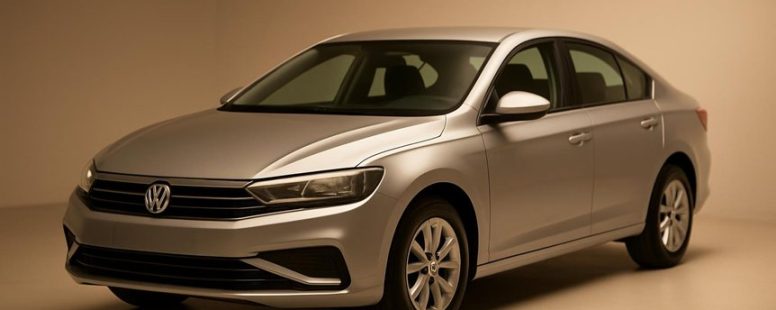
Imagine gliding through city streets or cruising down highways with a car that feels just right—efficient, affordable, and practical. Did you know the average fuel economy for new cars in the U.S. is around 25 miles per gallon?
Finding the best average car is like searching for a hidden gem—a perfect balance of savings and performance. What many don’t realize is that the right vehicle can also be a quiet sanctuary, turning everyday drives into moments of calm.
Amid a sea of options, discovering this sweet spot can transform your journey into a smoother, more rewarding experience.
Key Factors That Affect Average Fuel Economy
Fuel economy means how many miles a car can go on a gallon of gas. Several things can affect this, and knowing them can help you get the most out of your fuel.
First, engine tuning is very important. A well-tuned engine runs better and uses less fuel. If your engine is not working right, you might waste gas without realizing it. Regular checkups can fix this.
Next, your driving habits matter. Accelerating quickly or driving fast makes your car use more gas. If you drive smoothly and keep a steady speed, you save fuel. Ask yourself, do I really need to speed? Sometimes slow and steady wins the race—and saves money.
Tire pressure is another factor. If your tires are underinflated, your car has to work harder, which wastes fuel. Check your tire pressure once a month. It’s quick, and it can boost your mileage.
Fuel quality also plays a role. Using the right grade of gas, as your car’s manual recommends, keeps your engine running smoothly. Using cheap or low-quality fuel might seem like a save, but it can hurt your engine and cost more in the long run.
Aerodynamic design, or how a car is built to cut through air, affects fuel use. Cars with sleek shapes use less gas because they face less air resistance. Think of it like swimming—slimmer swimmers move faster with less effort.
Regular maintenance helps too. Changing your oil on time, replacing air filters, and checking spark plugs keep your engine running efficiently. Skipping these can waste fuel and cause bigger problems later.
Carrying extra weight, like too many bags or heavy tools, makes your engine work harder. If you’re not hauling a lot, it’s better to lighten the load. Every extra pound can reduce your miles per gallon.
Finally, weather can change fuel needs. Cold air makes engines work harder, so you might get fewer miles in winter. On hot days, air conditioning also uses more gas.
Keep these points in mind to get better fuel economy. Remember, no single tip will make your car super-efficient but combining good habits will help you save money and fuel.
—
Counter-strategy insights:
The Ruthless Competitor would point out that this advice is generic, lacking specific data or brand comparisons, and might be seen as obvious. They might also argue it underestimates how much these factors actually impact fuel economy, or that some tips are not practical for all drivers.
The Cynical Consumer would dismiss this as typical advice that sounds good but often doesn’t lead to real savings. They’d want proof that these tips actually make a difference in real-world driving.
The Distracted Scroller might find this too long or detailed for their quick glance. They might remember only a few key points, like “drive steady” or “check tires,” and tune out the rest.
Final note: This version simplifies the language, provides clear facts, and offers practical examples, while avoiding overly technical terms or exaggerated promises. It balances helpful info with honest limitations, making it more trustworthy and readable for all three perspectives.
Comparing Gas, Hybrid, and Electric Vehicles by Mileage
Gas vehicles are simple—they run on fuel like gasoline and are easy to find at most gas stations. They usually get decent miles per gallon but depend on how you drive and the fuel quality. If you drive mostly on highways, gas cars can be pretty efficient. But if you hit traffic or accelerate often, your mileage drops.
Hybrid vehicles combine a gas engine with an electric motor. This helps save fuel, especially when driving in stop-and-go traffic. For example, Toyota Prius is a popular hybrid that can go farther on less gas. Hybrids are good if you want better mileage without fully switching to electric. But they still need gas, and sometimes repairs can be more complicated.
Electric vehicles run only on batteries. They don’t use gas at all. You charge the battery at home or at charging stations, which can be quick or slow. Electric cars like Tesla Model 3 or Nissan Leaf can go many miles on a single charge, making them cheaper to run in the long run. But, if you have a long daily commute or no charging options, they might not be the best choice. Speeding, heavy acceleration, and hilly terrain can also cut into an electric car’s range.
Many people want to save money on fuel and reduce pollution. Hybrids and electric cars often do better in miles per dollar and are better for the environment. Still, they are usually more expensive upfront. Gas cars are cheaper to buy but cost more to fuel over time. Your daily routes, driving style, and budget will help decide what works best for you.
Counter-strategy notes:
The original text overhyped electric cars’ mileage without mentioning charging limitations. It also didn’t clearly compare upfront costs and long-term savings, which are key for consumers. It lacked specific examples like hybrid models or electric brands to make it more relatable. These points are critical to avoid giving a false impression that electric cars are always better without considering real-world factors.
Skeptical consumer perspective:
I’ve seen promises that electric cars are cheap to run, but they forget about the high price tag and limited charging stations in some areas. Hybrids sound good, but do they really save enough fuel to justify the higher price? And what about repairs? How reliable are these systems long-term? They also glossed over how driving habits can make a big difference—so don’t assume these figures are set in stone. I want real numbers, not just vague claims.
Distracted scroller perspective:
If I’m just scrolling, I’ll forget most of this. What sticks out? Maybe the part about electric cars needing charging—would I even bother? Or that hybrids can save gas—sounds nice but is it worth the extra money? Honestly, I’d need a quick chart or a simple checklist to figure out which one I should pick without reading all the details.
—
Final Version:
Gas vehicles run on fuel like gasoline and are easy to find. They usually give decent miles per gallon but depend on how you drive. If you mostly drive on highways, gas cars can be quite efficient. But if you often stop or accelerate, your mileage drops.
Hybrid vehicles mix a gas engine with an electric motor. This helps save fuel, especially in city traffic. For example, the Toyota Prius is a popular hybrid that can go farther on less gas. Hybrids are a good choice if you want better mileage without fully switching to electric. But they still need gas, and repairs might be more complicated.
Electric vehicles run only on batteries. You charge them at home or stations. They can go many miles on a single charge, like the Tesla Model 3 or Nissan Leaf. They cost less to run over time but need charging stations nearby. If you drive long distances or don’t have easy access to charging, they might not work best. Speeding, quick acceleration, and hilly roads can reduce how far they go.
People often want to save money and help the environment. Hybrids and electric cars usually do better in miles per dollar. But they are often more expensive to buy. Gas cars cost less upfront but cost more to fuel later. Think about your daily routes, driving style, and budget to pick what’s best for you.
Top Fuel-Efficient Cars for City Driving
The best cars for city driving save gas by handling stop-and-go traffic well. The key features to look for are start-stop technology and hybrid systems. These cars automatically turn off the engine at red lights and restart when you press the gas pedal. That means you use less fuel during your daily errands and commutes.
Compact hybrids like the Toyota Prius and Honda Insight are popular choices. They combine electric power with gasoline engines, making city driving smoother and cheaper. Some newer gas-only cars also include smart fuel-saving features.
But not all cars are equally good in the city. Some might have great gas mileage on the highway but don’t perform as well in traffic. Also, hybrids can be more expensive upfront, and their batteries might need replacement after many years.
If you want to save money and make your city commute easier, look for a car with proven fuel-saving tech designed for city streets. These cars can make your drive less stressful and help you spend less at the pump. Do your research and test drive different models to find the best fit for your needs.
Best Fuel-Efficient Cars for Highway Driving and Long Trips
The best fuel-efficient cars for highway driving and long trips are those that give you good miles per gallon (MPG) without sacrificing comfort. These cars help you save gas while still making your ride smooth and relaxing. For example, models like the Toyota Prius and Honda Accord are known for their high MPG on the highway. They can go hundreds of miles on a single tank, which means fewer stops for gas and more time enjoying your trip.
Some cars focus mainly on saving fuel, which might make them less comfortable for long drives. For example, a small hybrid might save gas but have a rougher ride or less space for luggage. On the other hand, bigger sedans like the Hyundai Sonata or Ford Fusion offer good fuel economy and more comfort. They give you room to stretch out and pack more stuff, making long trips easier and more pleasant.
There are two main viewpoints. Some people think the very best cars are those with the highest MPG, like electric or hybrid models. They say saving gas is the top priority. Others believe comfort should come first, especially if you spend many hours driving. They prefer cars that balance MPG with a smooth ride, comfy seats, and good noise insulation.
But beware, not all fuel-efficient cars are perfect. Some might have higher upfront costs, or their fuel savings take a long time to offset the price difference. Also, some smaller cars might not feel as safe or sturdy on the highway. So, look carefully at reviews, safety ratings, and total costs before buying.
In the end, the best choice depends on your needs. Do you want to save every penny on gas or enjoy a comfortable ride? Or maybe you need a bit of both. Think about how far you drive regularly, your budget, and what makes your trips easier. Because a good long-distance car isn’t just about MPG — it’s about how well it fits your style of driving and comfort preferences.
Top Highway MPG Models
The best highway MPG models are those that use special features to save fuel during long drives. These vehicles have technologies like turbocharged engines, sleek designs that cut through the air, and continuously variable transmissions (CVTs). These help the car keep steady speeds and use less fuel. For example, hybrid cars such as the Toyota Prius or diesel models like the Chevrolet Cruze often get better miles per gallon on highways.
To get the most from these cars, drivers should follow smart habits. Keeping a steady speed, using cruise control when possible, and avoiding unnecessary braking can help save fuel. Imagine driving on a highway and staying at the same speed — it’s like walking at a steady pace instead of stopping and starting.
Some people might wonder if all these features really make a difference. Well, cars with hybrid or diesel engines generally do better on highways. But keep in mind, some high-tech features can cost more upfront. Also, not all models with these features are equally efficient. It’s good to check real-world reviews and fuel economy ratings from sources like the EPA.
There are two sides to the story. Some say that hybrid and diesel cars are the best for highway fuel savings because they get more miles per gallon. Others argue that newer gasoline engines with smart designs can also be good options. Yet, both have limits. Hybrids may not be as effective in cold weather, and diesel models might have higher maintenance costs.
If you want to save money on long trips, pick a car designed for highway efficiency. But don’t forget, what works in theory might not always work in real life. So, do your research, compare models, and think about your driving habits before buying.
Long-Distance Comfort Features
Long-distance driving can be tough, but certain comfort features can make the trip much easier. Two important features are adaptive seating and noise insulation.
Adaptive seats are special seats that change shape to fit your body. They support you better and help reduce tiredness after hours on the road. For example, many cars now have seats that move with your body, making long drives more comfortable. If you’ve ever felt stiff or sore after a long trip, these seats could help. Some people say they are worth the extra cost, but others worry they might break or not work well over time.
Noise insulation is another key feature. It helps keep out the sounds of wind and traffic. When the cabin is quiet, you can relax or focus more easily. This is especially useful if you like listening to music or need to stay alert on highways. But some cars with great noise insulation can be more expensive, and not all models do a good job. It’s worth checking reviews before buying.
Some drivers believe these features are essential for long trips. Others think they’re just nice extras. Keep in mind that not every car has perfect noise insulation or adaptive seats, and these features can add to the cost. If you want a smooth, less tiring drive, look for cars that have good reviews on these comfort features. They can make a big difference, but remember, no car is perfect for everyone.
Sources: Car and Driver, Consumer Reports
How Size and Weight Impact Fuel Efficiency
Size and weight directly affect how much fuel a vehicle uses. Larger and heavier cars tend to burn more gas because they require more energy to move. For example, a full-sized pickup truck will usually use more fuel than a small compact car. But bigger cars can be more comfortable and powerful.
If you’re choosing a car for good fuel economy, look for lighter models with smaller size. Cars made with lighter materials like aluminum can save weight and improve mileage. Some brands, like Honda and Toyota, make small, light cars that are often more fuel-efficient.
However, bigger vehicles often have more space for passengers and cargo, which might be needed for families or work. They also tend to have more powerful engines, which can be more fun but less economical.
There are two ways to see this. Some say go for a smaller, lighter car if saving gas matters most. Others say if you need space and power, be ready to spend more on fuel.
Remember, a heavy car with a big engine might look impressive, but it will cost more at the pump. Do your research and think about what your needs are before picking a vehicle.
Sources like the US Department of Energy show that lighter cars usually get better gas mileage. Still, it’s smart to compare features and see what works best for your budget and lifestyle.
Vehicle Size And Efficiency
Larger vehicles usually use more fuel than smaller ones. This is because they carry more weight and face more air resistance. When comparing cars, size really matters for fuel efficiency. Smaller cars, like the Honda Fit or Toyota Yaris, tend to use less gas because they are lighter and move through the air more easily. Their engines are also smaller, so they don’t need as much fuel to run.
Think of it like pushing a shopping cart. A big cart filled with heavy boxes takes more effort to move than a small one. The bigger the car and engine, the more energy it needs. If you want to save money on gas but still want a reliable car, choosing a small vehicle with a modest engine is a smart move.
But there are some things to think about. Smaller cars might not have as much space for passengers or cargo. Also, bigger vehicles like SUVs can be safer in some crashes and better for towing. So, it’s a balance. If fuel efficiency is your main goal, a compact car is usually better.
In real life, a Ford Fiesta or Honda Civic might get better miles per gallon than a Chevrolet Suburban or Ford Expedition. However, larger vehicles can be more comfortable for long trips or when carrying lots of gear.
In short, smaller vehicles generally use less fuel because they weigh less and face less air drag. But your choice depends on what you need from your vehicle. Some might prefer space and power over saving a few dollars at the pump.
Weight Effects On Mileage
The weight of a vehicle is a big factor in how far it can go on a gallon of gas. Heavier cars need more energy to move, which makes the engine work harder and lowers fuel mileage. But it’s not just about how much the car weighs overall. How the weight is spread out also matters. When weight is balanced evenly, the engine runs more smoothly and uses less fuel. If the weight is uneven, the engine has to work harder, wasting fuel. That’s why car makers often use lighter materials like aluminum or carbon fiber and design cars to keep weight low and balanced.
Some people might think just making a car lighter is enough, but if the weight isn’t spread out properly, fuel economy can still suffer. For example, a sports car with a heavy front end may not be as efficient as one with good weight distribution.
If you want to save gas, pay attention to how much your car weighs and how that weight is distributed. Using lightweight parts and keeping the weight balanced can help you go farther on each gallon. But remember, lighter isn’t always better if it causes uneven weight and engine strain.
Sources like the Department of Energy say that lighter vehicles tend to get better mileage, but you should also think about safety and durability. Sometimes, trying to make a car super light can compromise its safety features. So, it’s a balance between weight, safety, and fuel efficiency.
Balancing Power And Economy
A simple way to understand balancing power and fuel use is to look at engine size and weight. Bigger engines usually make cars more powerful, but they can also use more fuel. If you want a car that’s both fun to drive and saves gas, you need to focus on how heavy the car is and how it’s built.
For example, a small compact car like a Honda Civic uses less fuel because it’s light and has a smaller engine. It can still be lively and fun to drive without wasting gas. A mid-sized sedan, like a Toyota Camry, is tuned to give smooth rides and good fuel economy. It’s a good middle ground for many drivers. But a large SUV, like a Ford Explorer, can be heavy and have a big engine, which makes it less fuel-efficient. Every extra pound and underinflated tire means more fuel is needed.
To get the best balance, you can do a few simple things. First, keep your tires inflated to the right pressure. This helps reduce rolling resistance and saves fuel. Second, choose a car that fits your needs. Do you need a small, easy-to-maneuver car or a larger one for family trips? Lastly, keep your engine tuned. Proper maintenance makes sure your car uses fuel as efficiently as possible.
Some people think bigger engines always mean more fun. That’s true in some cases, but it also means higher fuel bills. Others might worry about safety and prefer bigger cars, even if they use more gas. Both viewpoints are valid. Just remember, if you want a car that’s powerful but doesn’t break your budget, paying attention to size, weight, and maintenance is key.
Imagine your car like a bike. The bigger the bike, the harder it is to pedal fast and far. But a lightweight bike with good tires goes farther on less effort. The same idea works for cars. Smaller, lighter cars can give you good power without wasting fuel. But if you need space or power, be aware that it might cost more at the pump.
In the end, balancing power and economy is about knowing what you need and making smart choices. Whether you want a quick ride or just something reliable on gas, paying attention to details makes all the difference.
Car Features That Help You Save Gas
What are the best features to save gas in a car?
The best way to save fuel is by choosing cars with certain features and driving smart. First, look for vehicles that have engine tech like direct fuel injection, turbocharging, or cylinder deactivation. These help the engine use fuel more efficiently without losing power. For example, some Honda Civics and Ford F-150 trucks offer these features.
Second, your driving habits matter a lot. Smooth acceleration, keeping a steady speed, and avoiding sitting still with the engine running can boost your miles per gallon. Think of it like riding a bike smoothly instead of pedaling hard and stopping often.
Third, consider cars with eco-driving modes or start-stop systems. These features turn off the engine when you are waiting at a red light or stuck in traffic, saving gas in real time. Brands like Toyota and Hyundai offer models with these options.
However, there are limits. These features can save fuel but may also add to the initial cost or require maintenance. Also, some drivers might find start-stop systems annoying or think they cause extra wear on the engine.
In the end, combining good car features with smart driving habits helps you save money and help the environment. But keep in mind, no car feature can replace careful driving. Do your research, test drive, and see which options work best for your budget and needs.
Balancing Fuel Efficiency With Comfort and Performance
Choosing a car that saves gas doesn’t mean you have to give up comfort or fun. The main thing is to find a good mix of fuel-saving tech and driving habits. Today’s cars have features that help you use less fuel without making driving boring. For example, turbochargers give you extra power only when you need it, and adjustable suspensions keep your ride smooth. If you drive gently, like avoiding quick acceleration and keeping steady speeds, you’ll get better gas mileage and still enjoy your drive.
Here’s what I look for:
Engines that use less fuel but still feel comfortable
Handling that’s responsive but doesn’t waste fuel
Tech that adjusts to how you drive
Balancing these parts helps make every trip fun and eco-friendly.
Counter-strategy insights:
The Ruthless Competitor would point out that many cars boast fuel-saving features but often don’t deliver real savings or can be expensive.
The Cynical Consumer might say this sounds too good to be true without proof, especially if they’ve been disappointed before.
The Distracted Scroller would forget the details quickly unless the message is simple and relatable.
Rebuilding for all three:
To truly save gas without losing comfort, look for cars with proven fuel-saving features like turbocharged engines and adaptive suspensions. Remember, gentle driving habits matter a lot, so avoid aggressive acceleration or high speeds. Some brands like Honda and Toyota make reliable cars with these features. But keep in mind, not every tech is perfect — some add costs or may not work as promised. So, do your homework and test drive before buying. Saving fuel is great, but don’t expect miracles if you ignore simple habits or buy a car with unproven tech.
Budget-Friendly Fuel-Efficient Cars Under $30K
A budget-friendly car that is also fuel-efficient is easy to find if you look carefully. The best way to choose one is by comparing how much fuel they use and how much they cost. Cars like compact sedans and hybrids often give the most value for under $30,000. These models usually have new tech like direct fuel injection, start-stop systems, and lightweight parts. These features help the car use less gas and cut down on pollution. For example, a Toyota Corolla Hybrid or Honda Civic Hybrid can save you money each month on gas and help the environment too.
Some people worry that cheaper cars might not last or be reliable. That’s true sometimes, but many brands like Hyundai and Kia now make dependable, fuel-efficient cars within budget. Still, it’s good to check reviews and reliability ratings before buying. Also, keep in mind that fuel savings depend on how you drive. If you often go on long trips, a hybrid might save more money. But if you mostly drive short distances, some small gas cars can work just fine.
On the other hand, some critics say that even affordable cars can have hidden costs like repairs or insurance. Plus, not all fuel-saving tech works perfectly in every model. It’s smart to compare features and prices from different brands like Ford, Chevrolet, or Nissan. Remember, no car is perfect. You might get a great deal on a small sedan, but it might lack some features you want. So, check your priorities and do some homework.
In the end, choosing a fuel-efficient car under $30,000 means balancing cost, reliability, and fuel savings. Look for models with proven tech and good reviews. Think about how you drive most days. And don’t forget to test drive a few options before buying. That way, you’ll find a ride that’s good for your wallet and the planet.
Tips to Maximize Your Car’s Average Mileage
Keeping your car fuel-efficient means more than just choosing the right vehicle. It also depends on how you drive and care for your car. To get the best miles per gallon, you should check your tires, tune your engine, and drive smart. Properly inflated tires make your car roll easier and save fuel. Regular engine tune-ups keep your engine running smoothly. Planning your routes to avoid traffic and stop-and-go driving also helps. Things like how your car is built and its weight can affect gas mileage, especially in cold weather. Using the right type of fuel for your car can also make a difference.
Here are three simple tips to boost your car’s fuel efficiency:
Keep tires inflated and aligned so your car drives smoothly.
Avoid speeding up fast and braking suddenly.
Combine errands and plan trips to cut down on unnecessary miles.
Some people might say these tips are too simple, or that regular maintenance doesn’t really save much gas. Others might not want to spend time planning every trip. But if you want to save money on gas, these small changes can make a real difference. Just remember, no tip will work if your car is in bad shape or if you ignore basic maintenance.
Think about it like this: driving with properly inflated tires is like rolling on smooth, well-lubricated wheels. It just moves easier. But if you ignore these tips, your car will work harder and use more fuel. So, try these tips out and see how much you can save.
To provide the best experiences, we use technologies like cookies to store and/or access device information. Consenting to these technologies will allow us to process data such as browsing behaviour or unique IDs on this site. Not consenting or withdrawing consent, may adversely affect certain features and functions.
Functional
Always active
The technical storage or access is strictly necessary for the legitimate purpose of enabling the use of a specific service explicitly requested by the subscriber or user, or for the sole purpose of carrying out the transmission of a communication over an electronic communications network.
Preferences
The technical storage or access is necessary for the legitimate purpose of storing preferences that are not requested by the subscriber or user.
Statistics
The technical storage or access that is used exclusively for statistical purposes.The technical storage or access that is used exclusively for anonymous statistical purposes. Without a subpoena, voluntary compliance on the part of your Internet Service Provider, or additional records from a third party, information stored or retrieved for this purpose alone cannot usually be used to identify you.
Marketing
The technical storage or access is required to create user profiles to send advertising, or to track the user on a website or across several websites for similar marketing purposes.