Best Alternative to Stripe: Top Payment Processors for Your Business in 2023
Navigating the world of online payments can feel like walking a tightrope. You want a solution that’s reliable, flexible, and affordable, but not every platform checks all the boxes. While Stripe is often seen as the go-to option for businesses, it’s not always the perfect fit for everyone. High fees, limited features in certain regions, or specific business needs might leave you searching for something better.
What if there were alternatives that offered comparable—or even superior—features tailored to your unique requirements? From lower transaction costs to enhanced customization options and global accessibility, these hidden gems could transform how you handle payments. Whether you’re running an e-commerce store or offering subscription services, discovering the right payment processor could save you time and money while scaling your business effortlessly.
Ready to explore smarter options? Let’s jump into some of the best alternatives that might just outshine Stripe for your needs.
Why Look For An Alternative To Stripe?
Stripe’s popularity doesn’t guarantee it’s the best fit for every business. High transaction fees, especially for smaller businesses or those with tight profit margins, can become a significant burden. For example, Stripe charges 2.9% + $0.30 per transaction in the US, which adds up quickly for businesses processing numerous low-value transactions.
Limited features in certain regions restrict its usability for global operations. Businesses operating in countries where Stripe’s services are unavailable or partially supported might struggle with restricted payment methods or inconsistent customer support.
Customization options are limited compared to other providers that offer tailored solutions to suit specific business models like subscription services or marketplaces. If your business requires advanced features such as flexible payout schedules or custom invoicing workflows, you might find Stripe inadequate.
Account stability concerns arise due to sudden account holds and freezes reported by some users without prior warning. This unpredictability can disrupt cash flow and damage trust between you and your customers.
Exploring alternatives could lead to discovering platforms with lower fees, region-specific support, enhanced customization options, and more reliable account management practices tailored specifically to your needs.
Key Factors To Consider In A Payment Processor
Choosing the right payment processor impacts your business’s efficiency, costs, and customer satisfaction. Evaluating key factors ensures you select a solution tailored to your needs.
Pricing And Fees
Payment processors charge transaction fees, subscription costs, or additional service charges. For instance, some providers impose a 2.9% + $0.30 fee per transaction (e.g., Stripe), while others offer tiered pricing that benefits high-volume merchants. Compare transparent pricing models against hidden fees like chargeback penalties or currency conversion rates to optimize cost-effectiveness.
Supported Payment Methods
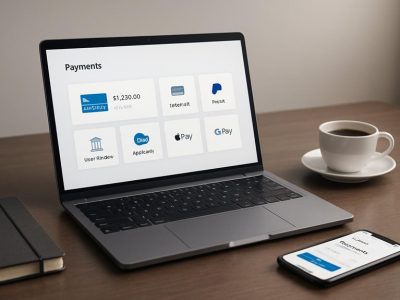
A diverse range of payment methods enhances user experience and increases sales conversions. Look for support for credit cards (Visa, Mastercard), digital wallets (PayPal, Apple Pay), ACH transfers, and alternative options like Buy Now Pay Later (BNPL) services such as Klarna or Afterpay. Ensure compatibility with region-specific preferences if your audience spans multiple countries.
Security And Fraud Prevention
Robust security protocols protect sensitive data and minimize fraud risks. Features like PCI DSS compliance, tokenization to encrypt card details, two-factor authentication (2FA), and real-time fraud detection tools enhance reliability in transactions. Providers with machine-learning-based fraud systems often identify suspicious activities more effectively than static rulesets.
Global Reach And Currency Support
Global businesses demand multi-currency processing capabilities and international payouts across regions like Europe or Asia-Pacific. Seek processors that support localized currencies alongside dynamic currency conversion features—this reduces friction for customers paying in their preferred denominations while avoiding manual reconciliation complexities on your end.
Integration And API Features
Seamless integration into eCommerce platforms is essential for smooth operations. APIs allowing custom configurations benefit businesses requiring unique setups—subscription billing automation or marketplace payment splitting are examples of specialized functionalities available via advanced APIs offered by providers like Adyen or Braintree.
Best Alternatives To Stripe
Stripe’s limitations make exploring other payment processors essential for businesses seeking tailored solutions. Below are some of the best alternatives to consider, offering unique features and advantages.
PayPal
PayPal provides a user-friendly interface with global acceptance in over 200 countries. Its extensive support for multiple currencies makes it ideal for international transactions. Businesses benefit from PayPal’s robust buyer protection policies, which boost customer confidence. For example, small e-commerce stores can integrate PayPal buttons easily without advanced technical skills.
Square
Square offers an all-in-one solution combining payment processing with point-of-sale (POS) systems. It’s perfect for brick-and-mortar stores needing hardware like card readers or terminals alongside online transaction capabilities. With competitive pricing and no monthly fees, Square caters well to startups and small businesses managing tight budgets.
Adyen
Adyen supports enterprise-level operations with tools for handling high-volume payments across 150+ currencies globally. Advanced fraud prevention mechanisms protect your business from potential risks while ensuring seamless integrations through Adyen’s APIs. Companies like Spotify leverage Adyen to manage subscription models efficiently.
Authorize.Net
Authorize.Net is known for its reliability and comprehensive security measures, including tokenization and encryption standards compliant with PCI DSS Level 1 requirements. It allows you to accept credit cards, e-checks, and digital wallets while supporting recurring billing—a feature beneficial for subscription-based services such as gyms or software providers.
Braintree
Braintree simplifies payment management by merging gateway functionality with merchant accounts under one platform. Owned by PayPal, it accepts diverse methods like Apple Pay, Google Pay, Venmo, and cards—suiting tech-savvy customers who prefer modern options when shopping online.
2Checkout
2Checkout specializes in global commerce solutions designed specifically for SaaS companies targeting worldwide markets. Features include localized checkout experiences adaptable across different languages or tax regulations plus automated invoicing systems that streamline recurring revenue streams effortlessly.
How To Choose The Right Alternative For Your Needs
Choosing the right Stripe alternative involves assessing your business’s specific requirements and comparing available options. Prioritize features that align with your operational goals to ensure seamless payment processing.
- Evaluate Pricing and Fees
Compare transaction fees, monthly charges, and additional costs like chargeback fees. For instance, if you’re a small business prioritizing cost savings, PayPal or Square might offer more competitive rates than enterprise-focused platforms like Adyen.
- Check Supported Payment Methods
Ensure the processor supports popular payment methods relevant to your customers’ preferences. If you operate in global markets, select providers offering currency conversions and regional payment options such as 2Checkout’s localized checkout feature.
- Assess Security Features
Focus on PCI compliance, tokenization, and fraud detection systems provided by alternatives. Authorize.Net excels in these areas by providing advanced encryption measures for secure transactions.
- Consider Integration Capabilities
Look at how well the provider integrates with your existing tools or platforms (e.g., CRM software). Braintree simplifies this process by combining gateway services with merchant accounts for efficient management.
- Review Scalability Options
Identify whether the platform can grow alongside your business needs. Adyen is designed for scalability with features tailored to high-volume enterprises seeking streamlined operations across multiple regions.
- Analyze Customer Support Quality
Reliable support minimizes downtime during technical issues or account discrepancies. Platforms like Square provide responsive customer service through various channels to address concerns promptly.
Conclusion
Choosing the right payment processor is essential for optimizing your business operations and meeting customer expectations. While Stripe is a strong contender, exploring alternatives can unlock better features, lower fees, and improved reliability tailored to your unique needs.
By evaluating key factors like pricing, customization, security, and global support, you can find a solution that aligns with your goals. The right choice will help streamline transactions, enhance user experiences, and support long-term growth for your business.

- Best Oats Alternative - September 21, 2026
- Router Software Comparison: OpenWrt vs. DD-WRT vs. PfSense - September 21, 2026
- Best Cdm of All Time - September 20, 2026
by Ellie B, Site Owner / Publisher