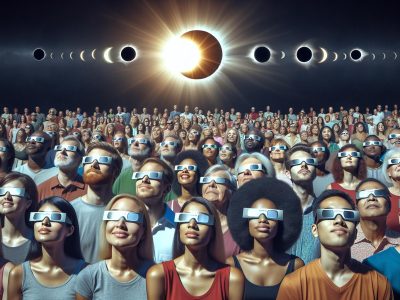
Picture standing under a sky slowly darkening as the moon begins its celestial dance across the sun. You’re eager to witness this breathtaking event, but there’s one problem—you don’t have eclipse glasses. Don’t let that stop you from experiencing one of nature’s most awe-inspiring spectacles. There are safe and creative alternatives that let you enjoy every moment without risking your eyesight.
Why You Might Need Alternatives To Eclipse Glasses
Eclipse glasses aren’t always accessible, especially during high-demand periods before a major solar event. Limited availability can make it challenging to purchase them in time, leaving you searching for other ways to experience the eclipse safely.
Cost may also be a factor. Some eclipse glasses are priced higher as demand increases, making them less affordable for everyone. Exploring cost-effective alternatives ensures that you don’t miss out due to budget constraints.
Durability is another concern. Eclipse glasses are often fragile and prone to damage if not handled properly. If your pair breaks or doesn’t meet safety standards (ISO 12312-2:2015), reliable substitutes become essential for safe viewing.
Environmental considerations might encourage you to seek reusable options instead of single-use glasses. Many alternatives offer sustainable solutions while maintaining eye protection during the event.
Unexpected circumstances like last-minute plans or forgotten purchases could leave you without proper gear on eclipse day. Having knowledge of alternatives allows you to prepare quickly and enjoy the phenomenon without compromising safety.
Best Alternative Options For Viewing An Eclipse
When eclipse glasses aren’t available, you can still safely observe the event using alternative methods. These options ensure eye protection and let you enjoy the celestial phenomenon.
Pinhole Projectors
Pinhole projectors use a small opening to project an image of the sun onto a surface. Create one by poking a tiny hole in a piece of cardboard or paper and letting sunlight pass through it onto another flat surface like the ground or wall. The projected image shows the eclipse in real-time without direct exposure to your eyes, making this method simple, safe, and cost-effective.
For better results, use sturdier materials like thick cardstock or aluminum foil for more precise holes. Keep your back to the sun when using this technique.
Solar Filters For Cameras Or Telescopes
Solar filters block most harmful solar radiation while allowing clear visibility of the eclipse’s details through cameras or telescopes. Attach certified solar filters securely over lenses to protect both equipment and eyesight during observation.
Avoid makeshift solutions like tinted films or unverified DIY materials that don’t meet safety standards outlined by NASA or ISO 12312-2 certification requirements.
Welder’s Glass
Welder’s glass with a shade rating of 12 or higher provides adequate protection for viewing eclipses directly. These are designed specifically for blocking intense light from welding torches but work well for solar observation too.
Ensure it’s free from scratches or damage before use; compromised glass won’t guarantee full UV and IR radiation blockage.
DIY Methods For Safe Eclipse Viewing
If eclipse glasses aren’t available, there are safe and simple alternatives to observe a solar eclipse. These methods use everyday items and require minimal effort.
How To Make A Simple Pinhole Projector
Create a basic pinhole projector using cardboard or thick paper. Poke a small hole in one sheet to act as the “lens.” Hold this sheet above another flat surface like white paper or the ground. The sunlight passing through the pinhole projects an inverted image of the sun onto the surface below.
Ensure that your back faces the sun when using this method to avoid direct exposure to harmful rays. Increase clarity by keeping the distance between sheets at least 3 feet (91 cm). Add creativity by cutting multiple holes into different shapes; these will cast unique patterns during partial phases of an eclipse.
Using Everyday Items For Projection
Household objects can substitute for specialized tools in projecting solar images. For example, colanders or slotted spoons with small holes form natural grids for filtering light, creating multiple projections of the sun’s disk on flat surfaces beneath them. Similarly, tree leaves serve as makeshift lenses, casting crescent-shaped shadows during partial eclipses.
Use mirrors cautiously for reflection-based viewing methods—cover all but a tiny section with opaque tape before angling it toward shaded walls or floors indoors. Never look directly at reflected sunlight without proper filters; its intensity remains dangerous even when indirect.
Tips For Safe Eclipse Viewing
Use Indirect Viewing Methods
Pinhole projectors, like a shoebox with a small hole on one side, let you safely observe the eclipse’s progression. Place the box under direct sunlight and watch the sun’s projection on the opposite surface. Everyday items such as colanders or slotted spoons can also create multiple projections of the eclipse.
Choose Proper Solar Filters
Solar filters certified to meet ISO 12312-2 standards protect your eyes from harmful UV rays. Attach these filters to telescopes or cameras for magnified views without risking damage to your vision.
Wear Welder’s Glass With High Ratings
Welder’s glass rated at shade 12 or higher blocks sufficient light for safe viewing of an eclipse. Lower ratings don’t offer adequate protection and could harm your eyes if used.
Avoid Unsafe Makeshift Solutions
Sunglasses, smoked glass, and photographic negatives fail to block hazardous radiation fully, even if they reduce brightness temporarily. Stick to proven safety tools instead of experimenting with unreliable alternatives.
Plan Ahead For Clear Skies
Cloudy weather obscures visibility during eclipses, so check forecasts beforehand and prepare alternate plans like traveling to another location within range of totality zones if necessary.
Engage In Group Activities Safely
Join local astronomy clubs hosting public viewings where experienced enthusiasts provide equipment like solar telescopes or share tips for optimal observation while ensuring everyone’s safety compliance is met.
Method
Equipment Needed
Safety Level
Pinhole projector
Cardboard/shoebox
High
Solar filters
Certified lens attachments
Very high
Welder’s glass
Shade 12+ welder lenses
High
Conclusion
Witnessing a solar eclipse is an unforgettable experience, and lacking eclipse glasses doesn’t have to dampen your excitement. By exploring safe, creative alternatives and preparing ahead of time, you can fully enjoy this celestial event without compromising your eyesight.
Whether you opt for DIY solutions like pinhole projectors or join local astronomy groups for guided viewings, there are plenty of ways to stay safe while marveling at the beauty of an eclipse. With the right tools and knowledge, you’ll be ready to make the most of this extraordinary moment.
To provide the best experiences, we use technologies like cookies to store and/or access device information. Consenting to these technologies will allow us to process data such as browsing behaviour or unique IDs on this site. Not consenting or withdrawing consent, may adversely affect certain features and functions.
Functional
Always active
The technical storage or access is strictly necessary for the legitimate purpose of enabling the use of a specific service explicitly requested by the subscriber or user, or for the sole purpose of carrying out the transmission of a communication over an electronic communications network.
Preferences
The technical storage or access is necessary for the legitimate purpose of storing preferences that are not requested by the subscriber or user.
Statistics
The technical storage or access that is used exclusively for statistical purposes.The technical storage or access that is used exclusively for anonymous statistical purposes. Without a subpoena, voluntary compliance on the part of your Internet Service Provider, or additional records from a third party, information stored or retrieved for this purpose alone cannot usually be used to identify you.
Marketing
The technical storage or access is required to create user profiles to send advertising, or to track the user on a website or across several websites for similar marketing purposes.