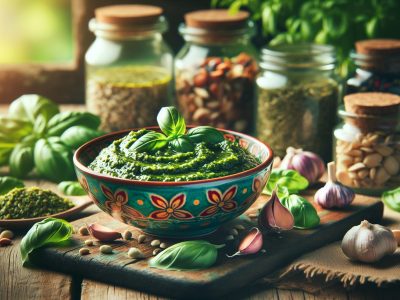
Your favorite pesto recipe calls for pine nuts, but what if they’re out of reach—too pricey, unavailable, or you’re dealing with an allergy? Don’t let that tiny ingredient halt your culinary creativity. Pine nuts may be prized for their buttery texture and nutty flavor, but they’re not the only players in the game. There’s a world of delicious and affordable alternatives waiting to elevate your dishes.
Imagine swapping pine nuts for something just as flavorful yet more accessible. From crunchy seeds to versatile nuts, these substitutes not only mimic the taste but also bring unique textures and nutritional perks to the table. Whether you’re whipping up sauces, salads, or baked goods, you’ll discover options that fit your needs without compromising on flavor. Ready to explore these hidden gems? Let’s immerse and find your perfect pine nut alternative.
Why Look For An Alternative To Pine Nuts?
Pine nuts, while flavorful, can be costly. Their price often exceeds $23 per pound in regions with limited supply, making them inaccessible for budget-conscious cooking. If you’re creating dishes in high volumes, like pesto sauces or salads, their expense might outweigh their culinary benefits.
Allergies are another reason to find substitutes. Pine nuts belong to the tree nut category, which is a common allergen. If you or someone you’re cooking for has tree nut allergies, using an alternative ingredient eliminates the risk of adverse reactions without sacrificing the nutty flavor.
Availability can also pose challenges. Pine nuts aren’t always easy to source, particularly in areas without specialty grocery stores. This scarcity can disrupt meal plans that require them, making substitutes an essential consideration for reliable recipe execution.
Their rich, buttery taste can sometimes overpower dishes. If a recipe’s balance is delicate or more subtle nut flavors are preferred, alternatives like sunflower seeds or cashews may offer a better fit. Pine nuts’ intensity isn’t ideal for everyone.
Common Alternatives To Pine Nuts
Pine nuts might not always be the best option in terms of cost, availability, or dietary needs. Fortunately, several substitutes can replicate their flavor or texture while enhancing your recipes.
Walnuts
Walnuts offer a robust, earthy flavor that pairs well with dishes requiring a nutty depth. They work particularly well in pesto, providing a slightly bitter aftertaste and creamy texture. To replicate pine nuts’ richness, toast walnuts lightly before use. Incorporate them into salads, grain bowls, or cookies for added crunch. Due to their larger size, chop walnuts for recipes needing smaller nut pieces.
Almonds
Almonds deliver a mild, slightly sweet taste, making them a versatile substitute. Slivered almonds are ideal for fine textures, such as in baked goods or sprinkled on dishes. Almonds can be blanched to soften their flavor, or roasted to emphasize their nutty profile for savory plates. Adjust seasoning accordingly when using almonds due to their subtle flavor.
Cashews
Cashews have a creamy, buttery profile that mirrors pine nuts closely. Use them raw or toasted in homemade pesto, sauces, or desserts. Ground cashews add texture in spreads and dips or can complement stews for added richness. Their neutral flavor adapts easily to both sweet and savory recipes.
Sunflower Seeds
Sunflower seeds provide affordability and accessibility. Their rich, nutty taste fits seamlessly in salads, granola, or energy bars. Use shelled, unsalted sunflower seeds for better control over seasoning. If you’re preparing pesto or sauces, blend them to achieve a smoother consistency similar to pine nuts. Sunflower seeds also serve as an allergy-friendly choice for those avoiding tree nuts.
Pumpkin Seeds
Pumpkin seeds, or pepitas, are nutrient-dense and loaded with a unique, subtly sweet flavor. They are suitable for savory dishes like salads, roofing soups, or granola toppings. Toasted pumpkin seeds intensify their flavor profile, adding more complexity to dishes. Blend them into dips or salsas to achieve a smooth, creamy texture. These seeds are also an excellent option for vegan and nut-free cooking.
Flavor Profiles Of Different Pine Nut Alternatives
Understanding the flavor profiles of substitutes helps you choose the best option for your recipes. Each alternative contributes unique characteristics, enhancing various dishes.
Walnuts: These have a robust, earthy flavor that’s slightly bitter, making them ideal for savory dishes like pesto or roasted vegetable salads. Their texture adds a satisfying crunch.
Almonds: Offering a mild, slightly sweet flavor, almonds blend well into desserts or light recipes. Toasting them intensifies their nutty aroma.
Cashews: Cashews have a creamy, buttery taste, closely resembling pine nuts. They’re excellent for vegan sauces or desserts, as their neutral flavor adapts easily.
Sunflower Seeds: Subtly nutty and slightly earthy, sunflower seeds complement dishes without overpowering them. They’re affordable and allergy-friendly, suited for salads and dips.
Pumpkin Seeds: With a rich, nutty flavor and a hint of sweetness, pumpkin seeds add a unique twist to recipes. Use them in vegan or gluten-free cooking for extra depth.
Hazelnuts: Known for their sweet, toasty flavor, hazelnuts work well in both sweet pastries and savory grain dishes. Chop them finely for added texture.
Pecans: These have a rich, buttery flavor that’s sweeter than most nuts. Pecans enhance desserts, like pies or cookies, and also add depth to savory dishes.
Macadamia Nuts: Creamy and subtly sweet, macadamia nuts mimic the richness of pine nuts. They’re ideal for exotic recipes or smoothies.
Experiment with combinations to discover flavors that complement your dish. Each alternative offers a unique taste and texture profile, creating opportunities for creative cooking.
Nutritional Comparison Of Pine Nut Alternatives
Alternatives to pine nuts differ significantly in nutritional profiles, offering various health benefits. Below is a comparison of common substitutes, including nuts and seeds, to help you select the best option for your dietary needs.
Alternative
Calories (per 1 oz)
Protein (g)
Fat (g)
Fiber (g)
Key Nutrients
Walnuts
185
4.3
18.5
1.9
Omega-3 fatty acids, manganese, copper
Almonds
164
6.0
14.0
3.5
Vitamin E, magnesium, calcium
Cashews
157
5.0
12.0
0.9
Iron, zinc, magnesium
Sunflower Seeds
165
5.5
14.0
2.4
Vitamin E, selenium, folate
Pumpkin Seeds
151
7.0
13.0
1.7
Zinc, magnesium, phosphorus, antioxidants
1. Walnuts: Great for their high omega-3 content, walnuts are ideal if you’re seeking healthy fats. These are a heart-healthy option but heavier in calories compared to others.
2. Almonds: With their high protein and fiber content, almonds are versatile and suitable for energy-boosting snacks. They offer higher vitamin E levels than pine nuts.
3. Cashews: If creaminess is a priority, go for cashews. While they’re lower in fiber, they’re rich in iron and zinc, making them a suitable option for plant-based diets.
4. Sunflower Seeds: These seeds are both allergy-friendly and budget-friendly. They have a balanced fat-to-protein ratio and significant selenium content, supporting immune system health.
5. Pumpkin Seeds: Known for their high protein and antioxidant levels, pumpkin seeds support muscle recovery and cellular health. They’re an excellent choice for vegan and gluten-free recipes.
Keep in mind that while these alternatives match certain nutrient categories of pine nuts, taste and texture may vary. For example, sunflower seeds have a nuttier flavor, while cashews emulate creaminess.
Tips For Substituting Pine Nuts In Recipes
Match Flavor Profiles
Choose substitutes with similar taste notes to pine nuts for the best results. Cashews and macadamia nuts offer a creamy, buttery flavor, making them ideal for creamy soups or pestos. For earthy and robust dishes, walnuts provide depth, while sunflower seeds add a subtle nuttiness perfect for salads or sauces.
Consider Allergies or Dietary Needs
Opt for seeds like sunflower or pumpkin if you’re accommodating nut allergies. These options mirror the texture of pine nuts without risks. Pair roasted pumpkin seeds with salads or grind sunflower seeds into spreads for a nut-free alternative.
Evaluate Texture
Aim for a similar mouthfeel by selecting substitutes with comparable textures. Almonds, when finely chopped, or roasted hazelnuts work well in baked goods. For finer results, grind your substitutes to match pine nuts’ texture before incorporating into recipes.
Toast For Enhanced Flavor
Toasting substitutes intensifies their flavor and brings out nutty undertones. For example, lightly toasted cashews can elevate stir-fries, while roasted pecans boost the richness of pasta dishes. Stir regularly while toasting to avoid burning and uneven results.
Adjust Quantities
Alter ingredient proportions based on the strength of the substitute’s flavor. For stronger-tasting nuts like walnuts, use a little less to prevent overpowering other components. In contrast, for milder options like sunflower seeds, slightly increase quantities for better balance.
Experiment With Mixes
Combine alternatives to create a unique flavor profile. A mix of almonds and sunflower seeds works well in granola, while blending cashews and pumpkin seeds adds complexity to pestos. Test small portions for your preferred flavor before using in larger recipes.
Conclusion
Finding the perfect substitute for pine nuts doesn’t have to be a challenge. With so many versatile and flavorful alternatives available, you can easily adapt your recipes to suit your budget, dietary needs, or taste preferences. Whether you’re looking for a nutty crunch or a creamy texture, there’s an option that’ll work for you.
Experimenting with different substitutes can open the door to new flavors and textures, allowing you to elevate your dishes in creative ways. By considering factors like flavor, texture, and nutritional benefits, you’ll be able to confidently choose the best alternative for any recipe.
To provide the best experiences, we use technologies like cookies to store and/or access device information. Consenting to these technologies will allow us to process data such as browsing behaviour or unique IDs on this site. Not consenting or withdrawing consent, may adversely affect certain features and functions.
Functional
Always active
The technical storage or access is strictly necessary for the legitimate purpose of enabling the use of a specific service explicitly requested by the subscriber or user, or for the sole purpose of carrying out the transmission of a communication over an electronic communications network.
Preferences
The technical storage or access is necessary for the legitimate purpose of storing preferences that are not requested by the subscriber or user.
Statistics
The technical storage or access that is used exclusively for statistical purposes.The technical storage or access that is used exclusively for anonymous statistical purposes. Without a subpoena, voluntary compliance on the part of your Internet Service Provider, or additional records from a third party, information stored or retrieved for this purpose alone cannot usually be used to identify you.
Marketing
The technical storage or access is required to create user profiles to send advertising, or to track the user on a website or across several websites for similar marketing purposes.