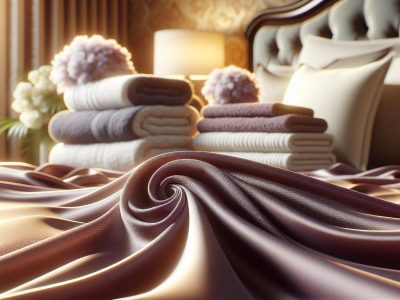
Imagine sinking into a bed so soft it feels like a cloud, or wrapping yourself in a towel that’s luxuriously smooth against your skin. That’s the magic Egyptian cotton promises. But is it really worth the hype, or can regular cotton offer the same comfort and quality? The choice between these two fabrics isn’t just about thread counts and price tags—it’s about understanding what sets them apart.
From the fields where they’re grown to the way they’re woven, Egyptian cotton and regular cotton tell two very different stories. One boasts long, silky fibers and a reputation for luxury, while the other is a versatile staple found in countless everyday items. If you’ve ever wondered whether the splurge on Egyptian cotton is justified or if regular cotton holds its own, you’re not alone. Let’s unravel the threads of this debate and discover what truly makes the difference.
What Is Egyptian Cotton?
Egyptian cotton is a premium variety of cotton praised for its exceptional softness, durability, and unmatched luxurious feel.
Origins And Characteristics
Egyptian cotton originates primarily from the fertile Nile River Valley, where the climate fosters the growth of extra-long staple (ELS) fibers. These fibers, measuring over 1.25 inches in length, are finer yet stronger compared to regular cotton. The longer fibers contribute to smoother threads, resulting in softer and more durable fabrics. Authentic Egyptian cotton is handpicked, minimizing stress on the fibers and preserving their purity.
This cotton type is exclusively grown in specific regions like Egypt and requires intensive care during cultivation. The focus remains on quality rather than mass production, distinguishing it from the frequently machine-picked regular cotton varieties found worldwide. For true Egyptian cotton, look for certifications like “Cotton Egypt Association” to ensure authenticity.
Unique Qualities
The unique structure of Egyptian cotton fibers allows for higher thread counts, enhancing fabric density and smoothness. Sheets made from this fabric often exceed 400 thread counts, delivering a luxurious sleeping experience. Also, the strong, uniform fibers resist pilling and maintain vibrant dyes, prolonging fabric longevity and brightness.
Unlike regular cotton, Egyptian cotton exhibits better moisture absorption and breathability due to its finer yarn. This makes it ideal for hot climates or for those with sensitive skin seeking lightweight comfort. Products such as high-end bed linens, premium towels, and bespoke clothing frequently highlight Egyptian cotton’s unparalleled texture and performance.
What Is Regular Cotton?
Regular cotton refers to the widely available cotton grown in various regions worldwide, including the United States, India, and China. It’s the backbone of everyday textiles, providing affordable and durable fabric for diverse uses.
Common Types And Features
Regular cotton is primarily classified into two staple lengths: short-staple cotton (up to 1 inch) and medium-staple cotton (1 to 1.5 inches). The shorter fibers make it less soft and durable compared to extra-long staple (ELS) cotton like Egyptian cotton. Shorter fibers contribute to the fabric’s tendency to pill and lose shape over time.
The plant is machine-harvested in most regions, which introduces impurities into the fibers. Processing often relies on chemical treatments, standardizing mass production but sometimes reducing the fabric’s natural softness. Regular cotton fabrics generally have lower thread counts, often between 150 to 400, resulting in a coarser texture.
Examples of products made from regular cotton include T-shirts, denim jeans, and casual bedding sets. The affordability of this cotton type makes it accessible for various markets.
Benefits And Drawbacks
Regular cotton offers affordability and widespread availability. It meets the needs of budget-conscious consumers without sacrificing versatility. The fabric is easy to dye into a wide range of colors, holds up well in daily laundering, and dries relatively quickly.
But, it lacks the luxurious texture and high durability associated with premium cotton varieties. Short fibers mean less tensile strength, which may lead to wear and tear in heavily-used items. Its susceptibility to pilling and fading detracts from its longevity. Also, machine harvesting often reduces the overall quality of the final product.
For example, though regular cotton bed sheets are cost-effective, they may not provide the same comfort or durability as those made from Egyptian cotton.
17 Key Differences: Egyptian Cotton Vs Regular Cotton
Egyptian cotton and regular cotton differ across several critical aspects that influence their performance, appearance, and value. Understanding these differences helps you make a better choice based on your needs.
Fiber Length
Egyptian cotton features extra-long staple (ELS) fibers, measuring up to 2 inches, resulting in a finer, smoother, and more durable fabric structure compared to regular cotton. Regular cotton fibers are shorter, usually under 1.1 inches, making them less resistant to fraying and breakage. For instance, products like Egyptian cotton sheets maintain strength longer in wash cycles than regular cotton bedding.
Texture And Softness
Egyptian cotton offers a luxuriously soft texture due to the ultra-smooth, long fibers, while regular cotton fabrics often feel coarser because of their shorter, uneven staples. High-end items like premium towels feel indulgently plush when made of Egyptian cotton, whereas T-shirts made of regular cotton can sometimes feel less refined.
Thread Count
Egyptian cotton supports thread counts exceeding 400, creating denser and smoother surfaces, while regular cotton often ranges between 150 and 400. High-thread-count Egyptian cotton sheets avoid pilling, whereas products using regular cotton may lose texture integrity over time.
Durability
Egyptian cotton’s long staples contribute to higher tensile strength, ensuring it withstands frequent use and washing. Regular cotton, with its shorter and less strong fibers, is prone to wear, tear, and thinning more rapidly.
Absorbency
Egyptian cotton’s superior moisture absorption capacity makes it ideal for humid environments or sensitive skin. Products like robes and spa towels crafted from these fibers feel drier and airy. In contrast, the lower absorbency of regular cotton affects its performance in similar applications.
Price Comparison
Egyptian cotton comes with a premium price tag, reflecting its quality and limited production areas, like the Nile River Valley. Regular cotton, being mass-produced globally, remains more affordable and widely accessible.
Weave Patterns
Weaves such as sateen and percale showcase the versatility of Egyptian cotton, delivering a smooth or crisp finish depending on user preference. Regular cotton weaves often lack the refined definition seen in Egyptian counterparts.
Sourcing And Production
Egyptian cotton is handpicked to preserve fiber integrity, while regular cotton is predominantly machine harvested, leading to more impurities and shorter fibers. Certified Egyptian cotton tags affirm authenticity, countering imitation concerns.
Sustainability
Egyptian cotton farming focuses on eco-conscious techniques and smaller-scale production, while conventional cotton cultivation may involve heavy pesticide use and resource strain. Certified organic cotton variants address this gap for environmentally conscious consumers.
Care And Maintenance
Egyptian cotton requires gentler washing cycles and air drying for longevity, but its resilience makes this investment worthwhile. Regular cotton tolerates machine drying, though its fibers are more likely to deteriorate over time.
Color Retention
Egyptian cotton maintains vibrant dyes due to the strength and density of its fibers, even after numerous washes. Regular cotton often fades quicker, with bright hues like red or blue losing intensity more noticeably.
Uses In Textiles
High-end applications like tailored clothing and luxury bed linens frequently rely on Egyptian cotton, valuing its softness and durability. Everyday items like casual wear or budget-friendly bedding are commonly crafted using regular cotton.
Availability Worldwide
Egyptian cotton is specific to certain regions, restricted by its cultivation range and high production standards. Regular cotton is far more accessible, growing in over 80 countries, ensuring a lower price and increased availability.
Allergen Resistance
The tighter weave and finer fibers of Egyptian cotton create a less hospitable surface for dust mites and allergens. Regular cotton, with looser yarns, may accumulate more irritants, impacting sensitive users.
Heat Regulation
Egyptian cotton’s breathability offers better temperature regulation, making it an ideal choice for both summer sheets and year-round comfort. Regular cotton, though breathable, may not provide the same level of thermal balance.
Longevity Over Time
Egyptian cotton retains integrity for decades when properly cared for, outlasting regular cotton products that wear out in a far shorter time frame, especially under high usage.
Brand And Market Perception
Brands using Egyptian cotton capitalize on its association with luxury and exclusivity. Regular cotton, while functional and dependable, aligns more with value-oriented branding.
Choosing The Right Cotton For Your Needs
Selecting between Egyptian cotton and regular cotton depends on your preferences, budget, and intended use. Each type has unique qualities that cater to different requirements.
Factors To Consider
Comfort: Egyptian cotton is known for its superior softness due to its extra-long staple fibers. Regular cotton, although less luxurious, still offers comfort for everyday use, especially in garments like T-shirts or casual bedding. If you’re prioritizing a plush, hotel-like feel for your sheets, Egyptian cotton might be the better choice.
Durability: Authentic Egyptian cotton fabrics, with higher thread counts and longer fibers, tend to last longer without pilling or fading. Regular cotton items often wear down quicker, particularly in frequent-use items like basic home textiles.
Cost: Egyptian cotton products are significantly more expensive, reflecting their premium quality and labor-intensive cultivation. Regular cotton is more affordable and widely available, fitting the needs of budget-conscious buyers.
Climate: Egyptian cotton’s moisture-wicking and breathable properties make it suitable for hot or humid conditions. Regular cotton lacks the same level of breathability but remains versatile in moderate climates.
Allergen Sensitivity: Egyptian cotton, with smoother fibers, is less likely to irritate sensitive skin. Regular cotton may still be suitable but could feel scratchier over time for people with sensitivities.
Ideal Uses For Each Type
Egyptian Cotton: Perfect for luxury bed linens exceeding 400 thread counts, high-end towels that maintain color vibrancy, and bespoke clothing items with a silky texture. These applications highlight its durability, refinement, and comfort.
Regular Cotton: Ideal for casual wear like T-shirts, affordable bedding, and everyday home goods where cost and availability matter. For example, regular cotton sheets with a 150–300 thread count balance soft texture with affordability, making them a staple in many households.
Conclusion
When deciding between Egyptian cotton and regular cotton, it eventually comes down to your priorities and budget. Egyptian cotton offers unmatched luxury, durability, and softness, making it perfect for those seeking premium-quality textiles. On the other hand, regular cotton provides affordability and versatility, catering to everyday needs without compromising functionality.
By understanding the key differences and considering factors like comfort, climate, and cost, you can confidently choose the cotton that best aligns with your lifestyle. Whether you’re investing in high-end bedding or opting for practical essentials, the right choice will ensure your satisfaction and comfort.
Published: July 25, 2025 at 8:42 am by Ellie B, Site owner & Publisher
To provide the best experiences, we use technologies like cookies to store and/or access device information. Consenting to these technologies will allow us to process data such as browsing behaviour or unique IDs on this site. Not consenting or withdrawing consent, may adversely affect certain features and functions.
Functional
Always active
The technical storage or access is strictly necessary for the legitimate purpose of enabling the use of a specific service explicitly requested by the subscriber or user, or for the sole purpose of carrying out the transmission of a communication over an electronic communications network.
Preferences
The technical storage or access is necessary for the legitimate purpose of storing preferences that are not requested by the subscriber or user.
Statistics
The technical storage or access that is used exclusively for statistical purposes.The technical storage or access that is used exclusively for anonymous statistical purposes. Without a subpoena, voluntary compliance on the part of your Internet Service Provider, or additional records from a third party, information stored or retrieved for this purpose alone cannot usually be used to identify you.
Marketing
The technical storage or access is required to create user profiles to send advertising, or to track the user on a website or across several websites for similar marketing purposes.