
Which Is More Nutritious: Watermelon or Cantaloupe
When deciding between two popular fruits like watermelon and cantaloupe, the choice often comes down to personal preference. But, understanding their nutritional profiles might influence your perspective. Both are staples during warm seasons, prized for their refreshing tastes and health benefits. This article will explore their nutrient contents, compare their advantages, and help you determine which aligns better with your dietary goals.
Nutritional Overview of Watermelon

Key Vitamins and Minerals in Watermelon
Watermelon is known for being particularly rich in vitamin C, contributing to immune system support, as well as lycopene, a potent antioxidant linked with heart health. Also, it provides modest amounts of vitamin A, encouraging healthy vision. Together, these nutrients enhance its reputation as a healthful fruit.
Calorie Content and Hydration Benefits
Containing about 46 calories per cup, watermelon is a low-calorie option that also consists of over 90% water. This high water content makes it a great choice to ensure hydration while also satisfying your sweet cravings.
Nutritional Overview of Cantaloupe

Key Vitamins and Minerals in Cantaloupe
Cantaloupe stands out for its high vitamin A content, promoting skin health and vision. It also provides significant amounts of vitamin C and potassium, important for electrolyte balance and immune function. These elements collectively contribute to a well-rounded nutrient profile.
Calorie Content and Dietary Fiber Contribution
With approximately 60 calories per cup, cantaloupe contains a slightly higher energy value than watermelon. It also offers dietary fiber, which supports digestive health and helps maintain satiety, making it suitable for weight management goals.
Comparison of Nutritional Profiles

Vitamin and Mineral Density
When comparing vitamins, cantaloupe packs a higher concentration of vitamin A, while watermelon excels in lycopene content. Both fruits contribute to vitamin C needs, with cantaloupe often having a slight edge. Mineral-wise, cantaloupe offers more potassium, beneficial for muscle function and heart health.
Health Benefits and Their Impacts
Consuming watermelon supports hydration and may reduce oxidative stress due to its antioxidant properties. In contrast, cantaloupe’s nutrient balance supports digestive health and may improve skin elasticity. Hence, each fruit offers distinctive health advantages.
Situational Preference: Watermelon vs. Cantaloupe
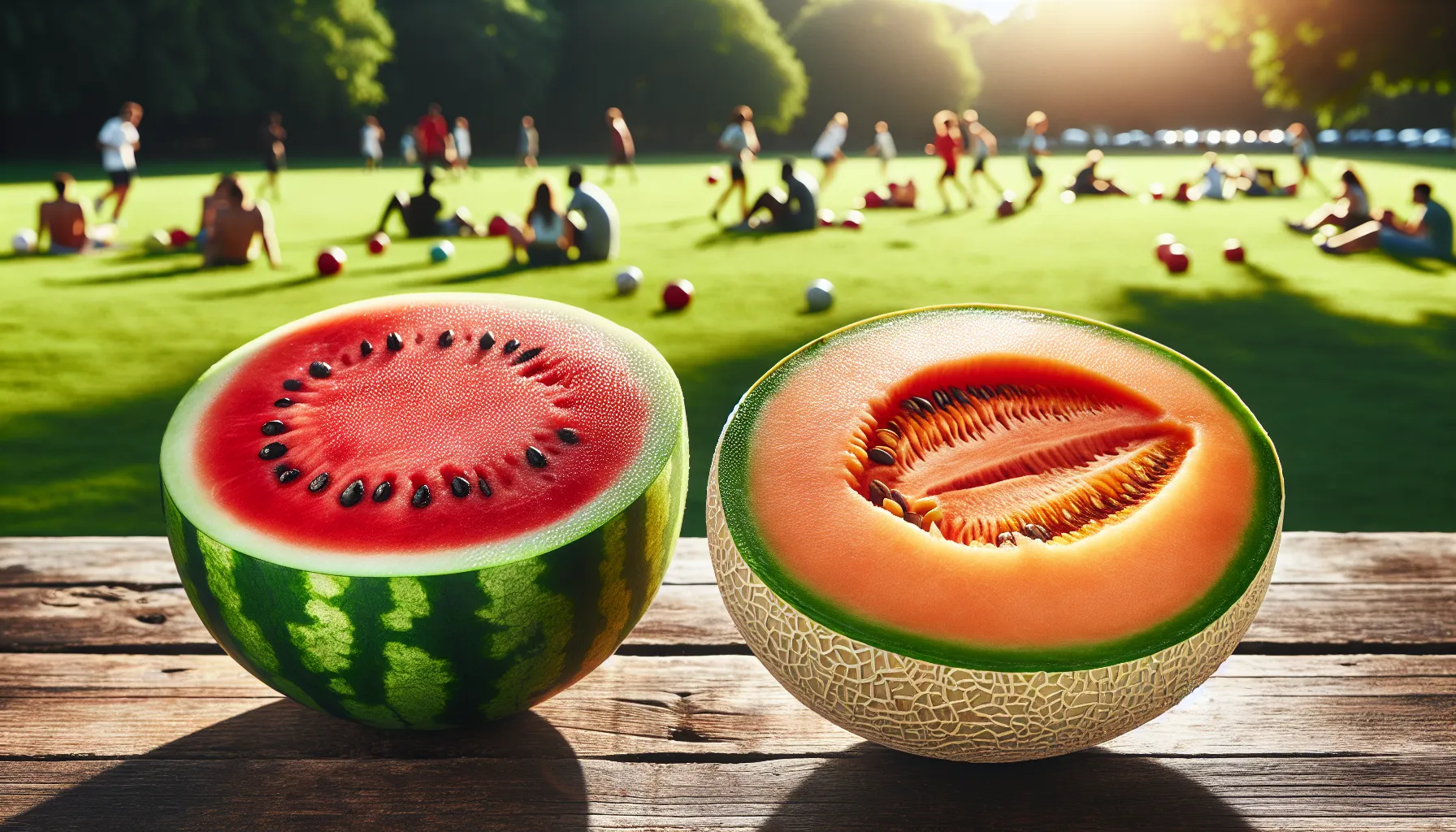
Hydration and Energy for Outdoors
Watermelon, with its exceptionally high water content, makes an ideal refreshment during outdoor activities or as a recovery snack post-exercise. Meanwhile, cantaloupe’s balance of fiber and sugars provides sustained energy, suitable for more prolonged events.
Balanced Diet Considerations
Incorporating both fruits can provide a comprehensive nutrient spectrum. Whether focusing on hydration or prioritizing fiber intake, selecting the appropriate fruit for your needs will ensure a balanced diet.

- Mikrotik Product Comparison: Which Router Is Right for You? - September 30, 2026
- The Best FDA-Approved LED Face Masks for Glowing Skin - September 30, 2026
- When Is the Best Time to Take a Pregnancy Test? - September 29, 2026
by Ellie B, Site Owner / Publisher