Picture sinking into your favorite playlist with sound so rich it feels like the artist is right beside you. choosing between JBL and Bose, you’re not just picking a brand—you’re deciding how your music moves you. Both giants promise powerful audio experiences but deliver it in uniquely different ways.
JBL often thrills with booming bass and rugged designs perfect for on-the-go adventures. Bose, on the other hand, wraps you in crystal-clear tones and sleek comfort that transform everyday listening into a luxury. Which one matches your vibe? Let’s jump into the subtle nuances and surprising perks that set these two audio legends apart, helping you find the perfect sound companion for your lifestyle.
Sound Quality Comparison
Sound quality defines the core experience between JBL and Bose, shaping how you connect with music in everyday moments. Explore their audio signatures to find which suits your ears best.
JBL Sound Profile
JBL’s sound radiate with robust bass that energizes genres like hip-hop, EDM, and rock. Its speakers often emphasize low-frequency sounds, delivering punchy beats and deep thumps that resonate in open spaces or outdoor settings. You’ll notice crisp treble that complements the bass without overpowering it, making vocals and instruments clear but secondary to the rhythmic force driving the music. For example, when listening to a live concert recording on a JBL speaker, the crowd’s cheer and bass drop hit with vivid intensity, creating a sense of presence. If you prefer sound that motivates physical activity or fills party environments, JBL’s profile thrives there. But, this emphasis on bass may overshadow subtle audio nuances in classical or jazz pieces, affecting your experience if you favor delicate detail.
Bose Sound Profile
Bose sound profiles prioritize clarity and balance, tuning audio to reveal fine instrumental layers and vocal subtleties. Its speakers are engineered for smooth mids and highs, offering a polished, crisp listening experience that suits acoustic, classical, or spoken-word genres. When you listen to a jazz quartet on a Bose system, each instrument feels distinct yet harmonious, as if you’re seated in the front row. Bose applies advanced noise-cancellation technology too, enhancing your focus by minimizing ambient distractions. If your listening habit includes podcasts or high-fidelity music, Bose enriches detail and spatial awareness. That said, some may find Bose’s lower bass less forceful, which could reduce the impact of bass-heavy tracks or lively party atmospheres.
Aspect
JBL
Bose
Bass Emphasis
Strong, punchy beats
Moderate, balanced bass
Treble and Mids
Crisp but bass-forward
Clear, detailed mids and highs
Best Genre for Use
Hip-hop, EDM, rock
Jazz, classical, spoken-word
Usage Environment
Outdoor, active settings
Quiet, indoor listening
Noise Cancellation
Basic
Advanced
You might find JBL suits your lifestyle if you crave energetic soundtracks that move your body, while Bose aligns with your needs if you prefer immersive detail and a refined audio palette. Trying both in your usual listening locations reveals how each adapts to your unique preference — because sound quality is personal, and your best choice reflects how you engage with the music.
Design and Build Quality
You want speakers that not just sound great but also survive your lifestyle. Design and build quality determine how well JBL and Bose gear stands up to daily use and fits your personal style.
Durability and Materials
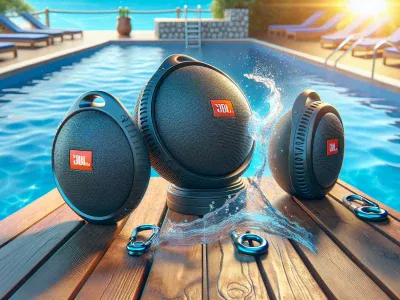
JBL usually engineers its products with rugged materials like reinforced plastics, rubberized exteriors, and metal grills. This choice creates durability for outdoor use, accidental drops, and water exposure, ideal if your beats accompany hikes, pool parties, or workouts. For instance, the JBL Flip series claims IPX7 waterproof ratings, letting you submerge the speaker up to 1 meter for 30 minutes. On the other hand, Bose opts for premium plastics combined with aluminum and fabric finishes, giving a more refined feel that resists scratches but might be less hardy against rough handling. If you demand a product designed to endure harsh conditions without sacrificing sound, JBL fits you better; but, if you favor subtle elegance with good durability, Bose appeals more. Do you often bring your speaker to unpredictable environments, or is it generally confined indoors? This question guides which brand suits your durability needs.
Aesthetic Appeal
JBL’s design language conveys energy and robustness—bold shapes, vibrant colors, and prominent logos emphasize an active lifestyle vibe. Your JBL speaker might stand out as a statement piece in your gym bag or backyard. Contrast this with Bose’s sleek, minimalist aesthetics focusing on smooth contours, neutral tones, and discreet branding that blend seamlessly into modern interiors. This visual restraint reflects Bose’s dedication to timeless design and sophistication. Would you like your speaker to be an eye-catching accessory or a subtle complement to your decor? Your preference influences which brand resonates with your aesthetic values.
Feature
JBL
Bose
Materials
Reinforced plastics, rubber, metal grills
Premium plastics, aluminum, fabric finishes
Durability
High (waterproof, rugged)
Moderate (scratch-resistant, elegant)
Design Style
Bold, vibrant, active
Minimalist, sleek, sophisticated
Color Options
Multiple vibrant colors
Mainly neutral, muted tones
Design and build quality affect how your speaker performs in real life, not just on technical sheets. Consider where you’ll use it most and how often you’ll move it around before deciding. Both JBL and Bose deliver quality but lean toward different priorities that shape your overall satisfaction.
Features and Technology
Understanding the features and technology behind JBL and Bose reveals why these brands attract different types of listeners. Both use advanced audio engineering but express it through unique approaches to connectivity, noise cancellation, and sound innovation.
Connectivity Options
JBL leads in versatile connectivity, offering Bluetooth 5.1 on many models that allows faster pairing and more stable connections. You can effortlessly connect multiple devices or pair several JBL speakers simultaneously with PartyBoost technology, creating an immersive multi-speaker experience. For example, the JBL Charge 5 supports connecting two phones at once, which is great if you share playlists with a friend. Apart from Bluetooth, some JBL models include an aux input for wired connections, catering to diverse usage scenarios.
Bose focuses on seamless integration within smart ecosystems, boasting Bluetooth 5.0 and rapid multipoint pairing that keep your phone and laptop connected without interruptions. Features like Bose Music app enable device management, firmware updates, and sound customization, giving you control over your audio setup. Unlike JBL’s rugged design, Bose emphasizes convenience, supporting voice assistants such as Alexa and Google Assistant right out of the box. If having smart home interactivity matters to you, Bose may better fit your needs. Nonetheless, neither brand excels in offering true wired LAN options, relying mostly on wireless tech flexibility.
Noise Cancellation and Other Technologies
Bose sets the bar in noise cancellation, with proprietary QuietComfort technology engineered to cancel out a wide range of ambient sounds. Its headphones and earbuds adapt continuously to your environment, ensuring clarity whether you’re in a bustling airport or a quiet office. Users report significant benefits during flights and noisy commutes, confirming Bose’s advantage for noise-sensitive users.
JBL counters with adaptive noise-canceling tech in models like the JBL Club series but focuses also on Ambient Aware and TalkThru functionalities. These features let you hear surroundings or engage in conversations without taking off your headphones — valuable if you want situational awareness during workouts or outdoor activities. While Bose emphasizes silent immersion, JBL blends noise canceling with environmental awareness, catering to users with active, mixed environments.
Both brands incorporate proprietary sound-enhancing technologies: JBL’s Signature Sound uses racetrack-shaped drivers to boost bass without distortion, while Bose applies TriPort acoustic architecture to deliver balanced mids and highs. Considering your primary listening environment helps decide which tech aligns better with your preferences.
Feature
JBL
Bose
Bluetooth Version
5.1 (most models)
5.0
Multi-Device Pairing
Supported through PartyBoost
Supported with multipoint pairing
Wired Connectivity
Aux input on select models
Limited
Noise Cancellation Tech
Adaptive ANC, Ambient Aware, TalkThru
QuietComfort adaptive noise cancellation
Voice Assistant Support
Limited
Alexa, Google Assistant integrated
Sound Enhancement Tech
Racetrack drivers for bass
TriPort acoustic architecture
Which brand you prefer depends heavily on your lifestyle and use case; if rugged versatility with social connectivity suits you, JBL’s offerings excel. If crystal-clear sound with top-tier noise isolation and smart integration capture your attention, Bose awaits. Your audio journey intertwines with these technologies, shaping how music, podcasts, and calls resonate throughout your day.
Price and Value for Money
JBL and Bose offer distinctly different price ranges, reflecting their brand positioning and target audiences. JBL products generally cater to budget-conscious buyers, with portable speakers starting around $50 to $150 and headphones priced between $60 to $200. Bose, on the other hand, sets a premium pricing model; their headphones and speakers often range from $200 to over $400. You get more options for entry-level and mid-range budgets with JBL, while Bose focuses mostly on high-end and audiophile-grade devices.
Value for money depends on what you prioritize. JBL provides rugged, versatile devices that suits active and outdoor use without very costly. For example, the JBL Flip 6 costs about $130 but delivers durable build and strong bass performance, making it ideal for hiking or beach trips. Bose charges a premium for advanced noise cancellation and sophisticated sound engineering. The Bose QuietComfort Earbuds at $280 come packed with industry-leading noise-cancelling tech and superb clarity that audiophiles swear by, justifying their pricetag.
Comparing features relative to price highlights JBL’s appeal for those valuing durability, battery life, and fun sound profiles at a lower cost. Bose excels if you want pristine sound clarity, comfort, and rich sound staging at a higher price. Your value calculation shifts depending on how important these features are in everyday listening.
Multiple consumer reports from sources like Consumer Reports and CNET indicate JBL scores high on durability and user satisfaction per dollar, whereas Bose consistently rates higher on sound refinement and noise cancelling efficiency. You could choose JBL if you want to maximize your investment with a solid allrounder, especially if your lifestyle demands toughness. Yet, if immersive listening experience and privacy trump cost concerns, Bose’s offerings stands out.
Consider how your music habits integrate with your budget: is your priority ruggedness for outdoor adventures or crystal-clear indoor listening? JBL suits social gatherings and active use. Bose fits solo, focused listening sessions in noisy environments. These distinctions frame value beyond raw price, concerning how your device earns its keep in everyday life.
Brand
Price Range (USD)
Key Value Offering
Example Product
Price (USD)
JBL
$50 – $200
Durability, bass, affordability
JBL Flip 6
$130
Bose
$200 – $400+
Noise cancellation, sound clarity
Bose QuietComfort Earbuds
$280
Your final choice comes down to balancing upfront cost, expected lifespan, sound preferences, and use case scenarios. Both JBL and Bose deliver tangible benefits, but your value depends on how those benefits sync with your lifestyle demands.
Customer Experience and Brand Reputation
You gauge customer experience by looking at user reviews, warranty services, and brand engagement. JBL users often praise the ruggedness and portability of products like the JBL Flip and Charge series, citing reliable performance in outdoor activities such as hiking and beach parties. Bose customers, but, highlight the comfort and premium sound quality, with models like QuietComfort 45 and Noise Cancelling Headphones 700 frequently recommended for daily commutes or office use.
Brand reputation strongly influences trust and satisfaction. JBL, owned by Harman International, maintains a reputation for durable and affordable audio gear with vibrant sound signatures. Bose, a pioneer in noise-cancellation technology since 2000, holds a prestige status among audiophiles and professionals. According to a 2023 survey by Statista, Bose consistently ranks higher in customer satisfaction within premium audio products, while JBL leads in value-for-money categories.
Customer support differentiates these brands. JBL offers straightforward support channels and warranties averaging 1 to 2 years, giving assurance to budget-conscious buyers. Bose provides extended customer service options, including in-store repairs and premium support packages, catering to users who prioritize long-term investment in sound quality.
You consider community engagement and brand loyalty when choosing between JBL and Bose. JBL fosters an active social media presence and user-generated content campaigns, encouraging an enthusiastic community around outdoor and party experiences. Bose invests in curated content and partnerships with artists and tech innovators, reinforcing its image as a lifestyle and innovation brand.
The choice reflects your priorities: If durability and lively, bass-heavy sound excite you, JBL’s reputation assures you’ll get value with a resilient product. If premium clarity, advanced noise cancelling, and attentive customer care matter more, Bose’s established expertise and loyal customer base provide reassurance.
Aspect
JBL
Bose
Customer Satisfaction
High in value and ruggedness
High in premium audio and service
Warranty Period
1-2 years
1-3 years with premium support options
Brand Reputation
Affordable, durable, vibrant sound
Innovative, clear sound, luxury feel
User Community
Social, outdoor, active lifestyle
Tech-focused, artist partnerships
Support Channels
Standard online and phone
In-store, extended, premium options
By reflecting on your environment and lifestyle, you can decide which brand’s customer experience and reputation align with your expectations. Both JBL and Bose bring their unique strengths to the table, making your choice a direct reflection of what matters most in your audio journey.
Conclusion
Choosing between JBL and Bose eventually comes down to what fits your lifestyle and sound preferences best. If you want rugged, bass-heavy audio gear that’s budget-friendly and perfect for active use, JBL is a solid pick. On the other hand, if crystal-clear sound, advanced noise cancellation, and a sleek design matter most, Bose stands out.
Consider how you’ll use your audio device, the environments you frequent, and your budget to guide your decision. Both brands offer quality products, so your choice will reflect what you value most in your listening experience.
Last Updated: December 31, 2025 at 11:09 am by Ellie B, Site owner & Publisher
To provide the best experiences, we use technologies like cookies to store and/or access device information. Consenting to these technologies will allow us to process data such as browsing behaviour or unique IDs on this site. Not consenting or withdrawing consent, may adversely affect certain features and functions.
Functional
Always active
The technical storage or access is strictly necessary for the legitimate purpose of enabling the use of a specific service explicitly requested by the subscriber or user, or for the sole purpose of carrying out the transmission of a communication over an electronic communications network.
Preferences
The technical storage or access is necessary for the legitimate purpose of storing preferences that are not requested by the subscriber or user.
Statistics
The technical storage or access that is used exclusively for statistical purposes.The technical storage or access that is used exclusively for anonymous statistical purposes. Without a subpoena, voluntary compliance on the part of your Internet Service Provider, or additional records from a third party, information stored or retrieved for this purpose alone cannot usually be used to identify you.
Marketing
The technical storage or access is required to create user profiles to send advertising, or to track the user on a website or across several websites for similar marketing purposes.