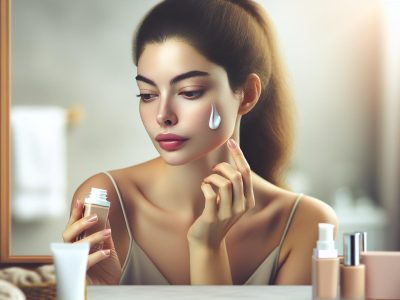
Picture unlocking the secret to radiant skin with just one powerful ingredient. You’ve probably heard the buzz about hyaluronic acid and retinol—two skincare giants promising youthful glow and smooth texture. But which one truly deserves a spot in your routine?
Hyaluronic acid feels like a refreshing drink for your skin, quenching its thirst and plumping every line. Retinol, on the other hand, works beneath the surface like a skilled sculptor, refining and renewing your complexion. Choosing between them isn’t just about popularity—it’s about understanding what your skin really needs.
Immerse as we unravel the surprising benefits and unique strengths of both, helping you decide which ingredient will transform your skincare game.
Understanding Hyaluronic Acid and Retinol
Knowing the core differences between hyaluronic acid and retinol gives you the power to choose the right ingredient for your skin. Each serves distinct roles in skincare, targeting hydration, renewal, or texture improvements in unique ways.
What Is Hyaluronic Acid?
Hyaluronic acid acts as a natural moisture magnet entrapped within your skin. This molecule, found in connective tissues, attracts and retains up to 1,000 times its weight in water, creating a plumping effect that smooths fine lines and adds radiance. For example, when you apply a hyaluronic acid serum, it form a hydrated layer on the skin’s surface that instantly boosts moisture and softness.
Hydration is vital because dry skin often looks dull and feels tight, leading to the premature appearance of wrinkles. Incorporating hyaluronic acid in your routine supports skin elasticity and resiliency by replenishing moisture levels without leaving greasiness. Consider its compatibility: suitable for all skin types, even oily or sensitive skins, making it a universal hydrator.
What Is Retinol?
Retinol, a derivative of vitamin A, functions deeper than hyaluronic acid by promoting cellular turnover and collagen production. It work within the skin’s layers to fade discoloration, smooth texture, and reduce wrinkles over time. Unlike hyaluronic acid, which offers immediate hydration, retinol’s effects develop gradually with consistent use.
Retinol’s impact can be quite transformative: think of it as a gardener trimming old branches to encourage fresh growth beneath. When you introduce retinol into your nighttime skincare regimen, expect initial skin sensitivity or redness due to cell renewal, though this often subsides.
Dermatologists recommend retinol for mature or acne-prone skin aimed at long-term improvements, but it demands careful use—starting with low concentrations and applying sunscreen daily, since it increases sun sensitivity.
Ingredient
Primary Function
Immediate Effect
Long-term Benefit
Suitability
Hyaluronic Acid
Hydration & skin plumping
Instant moisturization
Improved skin elasticity
All skin types, sensitive included
Retinol
Cellular turnover & renewal
Gradual texture refining
Wrinkle reduction, collagen boost
Mature, acne-prone skin
By understanding these differences, you’ll question which suits your needs best. Would your skin benefit more from the instant hydration and glow that hyaluronic acid grants or the structural renewal and anti-aging effects retinol delivers? Sometimes, both can coexist in a well-crafted routine—hydration precedes renewal to reduce irritation and maximize skin health.
Test, observe, and fine-tune your skincare. Remember, knowledge about hyaluronic acid and retinol translates directly into confidence in your choices and improved results. What next step will you take to elevate your skin’s vitality?
Key Benefits of Hyaluronic Acid
Hyaluronic acid delivers crucial skin benefits, focusing primarily on hydration and soothing effects. Its ability to attract and hold water sets it apart in skincare.
Hydration and Moisture Retention
Hyaluronic acid acts like a moisture magnet, binding water molecules to the skin’s surface, which enhances hydration levels instantly. You’ll notice skin feels plumper and smoother within minutes after application, a critical advantage when combating dryness. For example, using a hyaluronic acid serum before moisturizer creates a moisture-locking barrier, ensuring longer-lasting hydration throughout the day. According to a 2014 study published in Dermato-Endocrinology, topical hyaluronic acid increases skin water content significantly, improving elasticity and reducing fine lines.
Picture your skin as a sponge; hyaluronic acid saturates it with water, making it soft and supple. But, its effectiveness depends on the surrounding humidity, because in dry air, it might draw moisture out from deeper layers, causing temporary dryness if not paired with occlusive products. This dual nature means you should tailor your routine to seasonal changes or environmental conditions. why skin feels tight just after washing? Hyaluronic acid can help fix it by replenishing moisture rapidly.
Skin Soothing Properties
Hyaluronic acid doesn’t just hydrate; it also calms irritation and strengthens the skin barrier. Sensitive or inflamed skin benefits from its gentle, non-irritating nature, making it safe for even the most delicate complexions. For instance, after sun exposure or chemical exfoliation, applying hyaluronic acid soothes redness and supports repair. A 2017 clinical trial found that hyaluronic acid reduces inflammation markers and promotes faster healing of epidermal wounds.
Think of it as a soft cushion that calms the skin’s surface, reducing the discomfort caused by dryness or external aggressors. Unlike harsh ingredients that strip or aggravate, hyaluronic acid enhances comfort and resilience. Still, if your skin tends to react unpredictably, patch testing products with hyaluronic acid remains a smart step because formulations vary.
By incorporating hyaluronic acid thoughtfully, you’ll experience a hydration boost combined with soothing relief, a synergy that promotes healthier skin day after day. Consider this ingredient an essential foundation for any skincare routine, unlocking a more balanced and vibrant complexion.
Key Benefits of Retinol
Retinol offers powerful benefits for skin health and appearance, acting as a catalyst for cellular renewal and collagen formation. Understanding its unique advantages can help you decide when and how to incorporate retinol into your skincare routine.
Anti-Aging and Wrinkle Reduction
Retinol stimulates collagen production, reducing fine lines and wrinkles by improving skin’s elasticity and firmness. When applied consistently, it transforms the skin texture over weeks, smoothing rough patches and diminishing age spots. For example, research published in the Journal of Drugs in Dermatology shows that retinol increases collagen synthesis by up to 80%, enhancing skin’s structural integrity. While this process takes time — often several months — the gradual improvement supports long-term skin rejuvenation. But, retinol can cause irritation at first, so you benefit from starting with a lower concentration to allow skin to adapt. If you want younger-looking skin, retinol’s ability to boost collagen is unmatched, making it a staple in anti-aging skincare.
Acne Treatment and Skin Renewal
Retinol accelerates cellular turnover, helping to unclog pores and reduce breakouts effectively. It prevents dead skin cells from accumulating and causing blockages, so targeting acne at its core. Dermatologists frequently recommend retinol for adults who struggle with stubborn acne, as it not only treats existing blemishes but also prevents new ones. This process also promotes smoothing of uneven tone and texture, resulting in a clearer and more radiant complexion. If you’ve ever felt frustrated by persistent acne, retinol delivers real renewal by repairing skin from inside out. Though initial dryness or redness may occur, using retinol alongside a gentle moisturizer minimizes discomfort while maximizing skin renewal benefits.
Retinol demonstrates remarkable versatility, blending anti-aging effects with acne control. By promoting collagen growth and faster cell turnover, it tackles multiple skin concerns simultaneously. You could think of retinol as a skin architect — constantly renovating and reinforcing your skin’s foundation. But keep in mind, its benefits unfold gradually, requiring patience and consistent use.
Understanding how retinol influences your skin allows you to tailor your routine for best results. Would your skin benefit from a retinol regimen that balances treatment with care? Incorporating retinol gradually while maintaining hydration sets a foundation for healthier, smoother skin over time—this strategic approach maximizes retinol’s potential while minimizing irritation.
Benefit Category
Mechanism
Result
Notes
Anti-Aging
Stimulates collagen production
Reduces wrinkles and firms skin
Improvement takes several months; initial irritation common
Acne Treatment & Renewal
Accelerates cell turnover
Clears pores and reduces breakouts
May cause dryness; use with moisturizer advised
For a powerful boost to your skincare, combining retinol’s renewing power with hydration from ingredients like hyaluronic acid creates a balanced regimen that supports vibrant, resilient skin.
Differences in How They Work
Understanding how hyaluronic acid and retinol operate clarifies why they target different skin concerns. This section breaks down their distinct mechanisms, uncovering what makes each ingredient uniquely effective.
Mechanism of Action for Hyaluronic Acid
Hyaluronic acid acts primarily as a humectant, meaning it draws water molecules from the environment into the skin’s outer layer. When you apply it, the molecules bond tightly with moisture, creating a plumping effect that visibly smooths fine lines and softens the skin texture. Picture tiny water magnets attaching across your skin surface, instantly boosting hydration levels. Not all hyaluronic acid molecules behave the same; those with larger molecular sizes sit on the skin surface while smaller ones penetrate deeper layers, offering multi-dimensional moisture retention. This dual action increases skin elasticity and radiance. Research from the Journal of Clinical and Aesthetic Dermatology shows that daily use of hyaluronic acid can increase skin hydration by up to 96% within just one hour, illustrating its rapid efficacy (Source: DOI 10.2147/CCID.S92561). But, in dry environments, it may pull water from deeper layers, sometimes causing dryness instead of relief if your overall moisture is low.
Mechanism of Action for Retinol
Retinol functions on a cellular level, penetrating the dermis to stimulate collagen synthesis and accelerate epidermal turnover. This process revitalizes skin by removing dead cells and encouraging fresh ones, which results in reduced wrinkles, smoother tone, and clearer complexion over time. Think of retinol as a cellular coach, directing your skin to shed dullness and build strength beneath the surface. Unlike hyaluronic acid’s immediate plumping effect, retinol operates gradually and requires patience. According to a 2018 study published in the Journal of Drugs in Dermatology, retinol increases collagen production by up to 80% after 12 weeks of consistent use (Source: PMID 29469460). While it offers impressive anti-aging benefits, retinol can cause redness or peeling initially, making a slow introduction critical to let your skin build tolerance. Its ability to clear pores also combats acne, making it a versatile component if your goals include renewing texture and controlling breakouts.
By contrasting these mechanisms, you see why hyaluronic acid presents a gentle, instantaneous hydration solution, while retinol focuses on deep structural renewal over weeks and months. Combining their strengths in your regimen enhances overall skin health, balancing immediate moisture with long-term repair. That combination, when timed right, brings out the best in both ingredients without overwhelming your skin. Would your skin benefit more from an instant boost or a transformation beneath the surface? The answer guides your approach to choosing between these powerhouse actives.
Potential Side Effects and Considerations
Understanding the possible side effects and precautions behind hyaluronic acid and retinol empowers you to make informed skincare choices. Each ingredient interacts uniquely with your skin, influencing safety profiles and usage strategies.
Hyaluronic Acid Safety Profile
Hyaluronic acid generally ranks safe for almost every skin type, including fragile, sensitive, and acne-prone skin. It works by attracting water molecules to the skin’s surface, maintaining hydration without disrupting natural barriers. But, you could experience mild redness or irritation if you use formulations with very high concentrations or combine it harsh exfoliants. For instance, people living in dry climates might notice temporary dehydration since hyaluronic acid can pull moisture from deeper skin layers if surface humidity is low. This phenomenon emphasizes the need for pairing it with a good moisturizer to lock in hydration. According to the Journal of Clinical and Aesthetic Dermatology, hyaluronic acid’s low molecular weight variants penetrate deeply and might trigger sensitization but remain rare cases overall. When you apply hyaluronic acid, consider patch testing if your skin is highly reactive; most users tolerate it excellently and report immediate plumping and soothing effects.
Retinol Side Effects and Precautions
Retinol’s potency comes with a caution tape; it stimulates cell turnover and collagen but can irritate especially in the initial weeks of use. You likely encounter dryness, peeling, redness, or increased sun sensitivity after you start retinol, which decreases once your skin adapts. To minimize these effects, introducing retinol slowly, starting with low concentrations around 0.25% or less, reduces the risk of excessive irritation. Dermatologists agree that layering hyaluronic acid before moisturizing helps buffer retinol’s aggressiveness, making your routine better balanced. Anyone using retinol must apply broad-spectrum sunscreen daily because UV exposure complicates its side effects and diminishes benefits. The American Academy of Dermatology warns that pregnant or breastfeeding people avoid retinol due to potential risks, advising safer alternatives instead. You might love retinol’s ability to smooth wrinkles and treat acne but remain vigilant about side effects, adjusting frequency and strength accordingly.
Knowing the spectrum of side effects pushes you towards personalized skincare—balancing hydration with renewal for healthier, more radiant skin.
How to Choose Between Hyaluronic Acid and Retinol
Choosing between hyaluronic acid and retinol depends directly on your skin’s unique needs and goals. Understanding how each ingredient interacts with your skin types and concerns guides you towards the best choice, or even a powerful combination.
Skin Types and Concerns
You’ll find hyaluronic acid suits all skin types, including oily, dry, and sensitive skin. It’s a natural humectant, literally attracting moisture to your skin’s surface, which instantly plump and smooth fine lines. For instance, if your skin often feels tight or flaky, especially in dry climates or after exfoliation, hyaluronic acid hydrates and soothes without irritation. Research from the Journal of Clinical and Aesthetic Dermatology confirms its safety profile across diverse skin conditions.
Conversely, retinol excels when your primary goal targets aging signs like wrinkles, uneven texture, or acne. Since retinol accelerates cellular turnover and boosts collagen production, it tackles structural skin concerns more deeply but demands careful introduction. If your skin is sensitive or prone to redness, you’d want to start with low concentrations, gradually increasing as tolerance builds. Also, retinol increases sun sensitivity, so daily sunscreen becomes a must, according to the American Academy of Dermatology. Ask yourself, “Do I need rapid hydration or long-term renewal?” If you answer both, that’s where combining these ingredients comes into play.
Combining Both for Optimal Results
Incorporating hyaluronic acid and retinol together can transform your skincare routine into a dynamic duo for skin health. Hyaluronic acid primes your skin by saturating it with moisture, which cushions and buffers retinol’s potent effects. This synergy reduces dryness and peeling often linked with retinol use. For example, you might apply a hyaluronic acid serum in the morning for instant hydration, followed by retinol in your nighttime regimen, allowing renewal without sacrificing comfort. Real-life skincare experts often recommend layering hyaluronic acid before moisturizers to lock hydration and enhance retinol’s efficacy.
Still, it’s essential to listen your skin’s response. Some people find immediate improvement using both; others prefer alternating nights. Mixing these ingredients without overloading your skin means balancing intensity with hydration—think of it as nourishing a garden: moisture enables roots to absorb nutrients better. Skincare research points out that well-hydrated skin withstands retinol’s exfoliating action more effectively, leading to more radiant, resilient skin over time.
Making your decision leans on evaluating your skin goals alongside lifestyle factors like climate, sensitivity, and sun exposure. Whatever your choice, implementing consistent hydration paired with renewal maximizes skin vitality. Trial, patience, and attention to how your skin reacts unlock the best regimen tailored uniquely to you.
Conclusion
Choosing between hyaluronic acid and retinol comes down to what your skin truly needs. If you’re after instant hydration and a soothing boost, hyaluronic acid is your go-to. But if you’re focused on long-term renewal, improving texture, and fighting signs of aging or acne, retinol offers powerful benefits.
You don’t have to pick just one. Using both thoughtfully can create a balanced routine that hydrates while promoting skin renewal. Just remember to introduce retinol gradually and always protect your skin with sunscreen.
Your best results come from understanding your skin and tailoring your routine accordingly. With the right approach, you can enjoy healthier, more radiant skin every day.
Published: September 22, 2025 at 4:30 am by Ellie B, Site owner & Publisher
To provide the best experiences, we use technologies like cookies to store and/or access device information. Consenting to these technologies will allow us to process data such as browsing behaviour or unique IDs on this site. Not consenting or withdrawing consent, may adversely affect certain features and functions.
Functional
Always active
The technical storage or access is strictly necessary for the legitimate purpose of enabling the use of a specific service explicitly requested by the subscriber or user, or for the sole purpose of carrying out the transmission of a communication over an electronic communications network.
Preferences
The technical storage or access is necessary for the legitimate purpose of storing preferences that are not requested by the subscriber or user.
Statistics
The technical storage or access that is used exclusively for statistical purposes.The technical storage or access that is used exclusively for anonymous statistical purposes. Without a subpoena, voluntary compliance on the part of your Internet Service Provider, or additional records from a third party, information stored or retrieved for this purpose alone cannot usually be used to identify you.
Marketing
The technical storage or access is required to create user profiles to send advertising, or to track the user on a website or across several websites for similar marketing purposes.