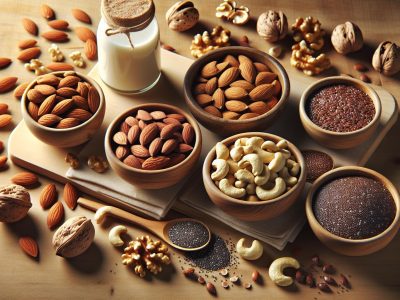
Picture this: you’re standing in a sun-drenched kitchen, smoothie in hand, eyeing two tiny powerhouses—flax seeds and chia seeds. Both promise to boost your well-being with just a sprinkle, but which one truly deserves a spot in your daily ritual? The answer isn’t as simple as you might think.
Picture the satisfying crunch of flax in your morning oats or the jelly-like texture of chia soaking up almond milk overnight. These seeds may look unassuming, yet they pack a punch with nutrients that can transform your energy and health. Some benefits will surprise you—think glowing skin, sharper focus, and even a happier gut. So, as you weigh your options, it’s time to dig deeper and discover which seed will help you unlock your healthiest self.
Nutritional Profile Comparison
Flax and chia seeds line your pantry shelf like tiny nutrition-packed treasures, but their value comes down to specifics. You could easily toss a spoonful of either into your smoothie, though the impact on your health goals might differ.
Macronutrients Breakdown
Macronutrients define what your body gains per serving, and flax and chia seeds deliver distinct numbers. Chia seeds, for example, offer about 5 grams of fiber per tablespoon, making them a gut-friendly pick for anyone seeking digestive regularity. Flax seeds, by contrast, bring about 3 grams of fiber, but they hold nearly twice the alpha-linolenic acid (ALA)—one of plant-based omega-3s most studied for heart health (NIH, 2022).
Protein content comes in close. You find around 2 grams protein per tablespoon in both, but flax delivers slightly more. Chia soaks up liquid and forms a gel, often used in vegan recipes as an egg replacer; have you ever tried chia puddings that transform overnight?
A quick macronutrient comparison table clarifies their nutritional profiles:
Seed Type
Calories (per tbsp/10g)
Protein (g)
Fiber (g)
Fat (g)
Omega-3 (ALA, g)
Flax
55
1.9
2.8
4.3
2
Chia
58
1.7
4.9
3.8
1.6
Vitamins and Minerals Content
Flax and chia both boast valuable micronutrients, but priorities vary. Flax seeds supply higher magnesium and selenium content, which enhances nerve function and antioxidant defenses. Chia seeds, on the other hand, shine with more calcium, iron, and phosphorus (USDA, 2023). Think of chia as the bone-strengthener—one tablespoon provides almost as much calcium as half a cup of milk. It’s a surprising detail, isn’t it?
Your body absorbs the nutrients best from ground flax, as whole flax often slides through digestion untouched. Crushed chia’s not necessary—chia seeds swell, break, and release nutrients when exposed to moisture.
If you scan ingredient lists for folate or B vitamins, both these seeds represent small sources, but they’re not nutritional powerhouses there. Zinc pops up with a bit more presence in flax, while chia brings a burst of manganese that helps enzyme function.
Do you crave more energy from iron or depend on calcium for strong bones? Your answer might nudge you towards one seed over another. Flax and chia may be tiny, yet the differences in their micronutrient profiles could echo loudly in your daily choices.
Health Benefits of Flax Seeds
Flax seeds deliver unique health advantages that center on your heart, digestion, and cellular health, giving you reasons to consider them as a daily addition. You’ll notice the small golden or brown seeds looking unassuming, yet their nutrients transform your meals and wellness routines.
Heart Health and Omega-3s
Flax seeds, unlike many pantry staples, contain alpha-linolenic acid (ALA), which contributes to cardiovascular health by supporting normal cholesterol levels according to the Cleveland Clinic. When you toss ground flax into your oatmeal or salad, it’s the ALA content—about 6,388 mg per two-tablespoon serving (USDA FoodData Central)—that works behind the scenes. , when seeing the golden dust mix with yogurt, how such a tiny seed can match fatty fish as a plant-based omega-3 source? Some nutritionists suggest flax helps your arteries by supporting anti-inflammatory response, especially if you eat them regularly. Picture the story of someone who, after adding two tablespoons of flax daily, saw their cholesterol shift towards favorable numbers during a routine checkup; the connection here lies in fiber and ALA. What about chia seeds? They also have omega-3s, but flax edges ahead in ALA, affecting your lipid profile more significantly, provided you grind the seeds so your body can absorb these fats.
Digestive Health and Fiber
Flax seeds improve your digestive function, and each tablespoon offers about 3 grams of dietary fiber (USDA). This soluble and insoluble fiber creates a gel-like texture in your gut, helping slow down digestion and promote regularity. Maybe you’ve stirred flax meal into muffins, then later noticed you feel fuller longer—that’s lignans and mucilage fiber at work. Each seed acts like a tiny sponge; when hydrated in your recipes, they swell and ease bowel transit. Have constipations bothered your mornings? Many people, like marathon runners or busy parents, report more predictable digestion after starting a flax routine. Studies in Nutrition Research highlighted that flax can soften stool consistency and encourage a thriving gut microbiome. Unlike chia, which produces a more dramatic gel but less lignan, flax seeds bring polyphenols that have shown antioxidant activity in human trials (National Institutes of Health). By switching up your smoothie ingredients, you could gently shift your digestive rhythm and support colon function, day by day.
Health Benefits of Chia Seeds
Chia seeds offer a spectrum of health-affirming benefits driven by their dense nutrients and unique biological structure. Your curiosity about their true impact might increase after a single spoonful expands and transforms in water, almost like witnessing a kernel of potential unfold.
Antioxidants and Anti-Inflammatory Properties
Chia seeds deliver potent antioxidants like quercetin and chlorogenic acid, which counteract free radicals and limit oxidative stress (Nieman et al, 2012). Picture your cells as tiny cities—antioxidants act like diligent maintenance crews clearing debris, preventing long-term damage. Research links the regular consumption of chia seeds to reduced inflammatory markers in people with heightened cardiovascular risk, though the degree may fluctuate depending on dietary patterns.
You might know a friend who stirs chia into smoothies every morning, claiming they feel less achy after workouts. While individual results can be subjective, clinical trials back up these antioxidant effects (Jovanovski et al, 2020) when chia integrates with a balanced diet. How you use chia—raw over yogurt, in pudding, or blended—can even affect how you absorb these compounds.
Bone Health and Nutrient Density
Strong bones need more than just calcium, right? Chia seeds provide 18% of your daily calcium needs per ounce, along with magnesium and phosphorus. That’s more calcium than Greek yogurt or milk when comparing calorie-for-calorie, an unexpected fact for many. Combined, these nutrients weave together the scaffolding that helps your bones resist fractures.
Anecdotes around plant-based eaters often reveal chia as their “secret weapon” for bone strength. Ask yourself: if small seeds hold up desert cacti for months with minimal rain, can they also support your own skeletal foundation? Clinical overviews (Ursula et al, 2018) suggest that the phosphorus-magnesium-calcium synergy in chia improves mineralization, especially in aging populations, but real-world outcomes depend on what else becomes part of your daily meals.
Curious if chia seeds fit your lifestyle? Their adaptability makes them easy to sprinkle, blend, or bake into almost any dish, so you rarely need to overhaul your habits to tap into their bone-nourishing power.
Ease of Use and Culinary Versatility
Flax seeds and chia seeds enter your kitchen with distinct personalities, shaping recipes and routines in different ways. From their response in a glass of water to the way they blend into smoothies, they invite your curiosity and creativity to explore.
Taste and Texture Differences
Taste stands as the first sentinel in your seed experience. Flax seeds, with their mild, nutty notes, lend subtle flavor to oatmeal, pancakes, and homemade granola. If you eat them whole, expect a crunch that many bakers praise in rustic bread.
Chia seeds, by contrast, taste almost neutral—they’re undetectable in jams, yogurt parfaits, or citrusy dressings. When soaked, these tiny seeds transform, becoming gel-like and slippery, resembling miniature tapioca pearls. This quality turns chia into a favorite for thickening puddings or overnight oats—no grinding needed. Your mouthfeel will steer your preference: do you crave a soft crunch, or does a silky mouth-coating gel sing to you? Research in the Journal of Food Science (2016) confirms that chia’s mucilage forms a unique hydrogel, influencing emulsion and texture in plant-based foods.
Best Ways to Add Them to Your Diet
Versatility marks both seeds, yet technique divides their use. You’ll release most nutrients from flax only after grinding (whole flax often passes through digestion unbroken, delivering less value), according to Harvard T.H. Chan School of Public Health. Ground flax, stirred into yogurt or sprinkled on roasted veggies, introduces omega-3s, fiber, and lignans to midday salads or morning bowls. Try two tablespoons of ground flax in your baking—the earthy tone deepens banana bread, while the lignans provide subtle antioxidants.
Chia seeds offer almost foolproof convenience—no grinding, no fuss. A handful thickens a smoothie in under ten minutes, while mixing one tablespoon with water makes the perfect vegan “egg” for cookies or pancakes. Vegans and busy parents often praise chia’s quick hydration in overnight oats, reducing prep while boosting fiber.
Both seeds adapt well to routine swaps: you can replace one tablespoon of eggs with a chia or flax gel in vegan baking. If you’re whipping up crackers, you’ll find chia holds water, adding crispness, while flax brings a richer flavor.
Ask yourself which habit fits your mornings or lunches best: do you want the savor of ground flax in muffins, or do you reach for a jar of pudding made velvety by chia? Brands like Bob’s Red Mill and Navitas Organics include both ground flax and whole chia in baking and smoothie lines, highlighting their mainstream culinary value.
Your pantry can become a playground for tiny, nutrient-packed seeds, each adapting quickly to your dietary rhythms, time constraints, and flavor preferences.
Potential Side Effects and Considerations
Digesting flax and chia seeds sometimes feels like guiding tiny ships across a choppy sea—most days the journey’s smooth, but occasional storms may surprise you. Gastrointestinal effects emerge as a common concern; both seeds are loaded with fiber, and if you dive straight in with heaping tablespoons, bloating and cramps can suddenly surface. Listen to Maribel from Denver, who sprinkled two tablespoons of chia on her oatmeal every morning. She later described feeling “like a balloon at a birthday party”—vivid imagery for an abdomen feeling overfilled. But when she cut her portion in half and increased her water intake, her discomfort faded.
Allergies, though rare, do shadow both flax and chia seeds. In recent case studies highlighted by NIH, sensitivity often reveals itself through itching, rashes, or even shortness of breath (National Institutes of Health, 2022). If you’ve ever felt throat tightness after eating seeds, pause, observe patterns, and consider seeking testing. Curiously, chia allergies occur less frequently than flax, which might embolden the cautious eater to try one over the other.
Medication interaction stories unfold like detective dramas in hospital wards. Flax seeds contain phytoestrogens, plant compounds mimicking estrogen; they sometimes clash with hormone-based therapies, such as tamoxifen or oral contraceptives, muddying treatment courses (Mayo Clinic, 2023). Chia seeds, on the other hand, can slightly lower blood pressure and thin your blood, raising flags for anyone taking anticoagulants or blood-pressure medications. Has your pharmacist ever double-checked your supplement list? If not, now may be the moment to start the conversation.
Digestibility also divides users. Whole flax seeds, you’d find, pass through the gut relatively undisturbed—much like smooth stones down a riverbed—unless ground before eating. Chia seeds, but, swell into a soft gel, making nutrients accessible, but excess intake with minimal water can occasionally lead to throat blockages, as some well-documented emergency room visits have shown (Cleveland Clinic, 2021). Have you ever felt a sticky clump after eating dry chia? Consider mixing with plenty of water or yogurt.
Balancing the scales, possible contaminants and heavy metals sometimes appear in bulk seed batches. Look for brands that test and report on purity—doing so lowers the risk of exposure to cadmium or lead, traceable in some soils.
Curious—have you noticed any differences in your own gut response, energy levels, or taste preferences between flax and chia? If exploring further, start low and go slow. The path to nutritional benefit doesn’t require racing—incremental, mindful changes guide most adventurers safely to their healthy destination.
Which Is Better: Flax or Chia Seeds?
You step into a grocery aisle, confronted by two tiny giants of nutrition: flax seeds and chia seeds. Both promise big health payoffs, but which one delivers more for your goals? Picture your breakfast oatmeal—do you sprinkle with the earthy crunch of flax, or let chia’s jelly-like pearls swirl into your smoothie?
First, the facts stick out in the data. Chia seeds carry around twice as much calcium as flax (177 mg vs. 76 mg per ounce, NIH FoodData Central). They’re perfect if you’re chasing stronger bones or trying to fill the gaps left by dairy-free diets. By contrast, flax seeds shine with more ALA omega-3s—2,338 mg per tablespoon compared to chia’s 1,975 mg. This difference matters most if you rarely eat fish, grounding your daily heart-health efforts in science (Harvard T.H. Chan School of Public Health).
Let’s jump into a real-life switch-up: Alex, a marathoner, swaps chia for flax during training, hoping for steadier energy. “I felt more satisfied after breakfast, less sugar crashes.” Why? The soluble fiber in chia gels up in your gut, slowing digestion—ideal if you want even, lasting fuel. Yet, after switching to flax, Alex noticed lighter digestion and improved regularity, probably thanks to flax’s insoluble fiber and unique lignans. These phytoestrogens have even been researched for their potential in moderating menopause symptoms and reducing LDL cholesterol (Journal of Nutrition, 2013).
You might be asking: What should you reach for—clattering seeds or swirling gel? The answer’s rarely black or white. If you take blood thinners, chia could lower blood pressure a bit too much (NCBI, 2021). For women navigating hormonal balance, flax’s lignans could serve up plant-based support, echoing through cellular health. If you hate grinding seeds, chia leaps ahead with no prep, while flax must be ground to unlock its nutrients—otherwise, it will just pass through you like tiny pebbles in a stream.
Consider the context of your dinner table. Want to thicken up pudding? Chia transforms overnight oats into a creamy delight with zero effort, an almost magical gel-forming reaction. Meanwhile, flax slides into breads and granolas for nuts and seeds lovers, adding texture and nutty flavor that can deepen the experience of homemade treats. For those who feels overwhelmed by choice, why not blend both? Try alternating day by day or mixing into one powerhouse snack—your palate and gut will guide you better than any label could claim.
Peer-reviewed studies keep things interesting. One 2020 meta-analysis found that daily chia helped lower markers of inflammation, while flax was superior for reducing total cholesterol (Nutrients Journal, 2020). Think about this—are you wrestling with cholesterol numbers or is your wellness journey just about feeling energized and full?
Every seed tells a story, and yours unfolds as you taste, experiment, and tune into how your body responds. Instead of chasing “the best,” explore which seed best matches your evolving needs. You might discover that you are a flax seed in autumn, craving hearty loaves, and a chia seed in summer, floating in cool, refreshing drinks.
Conclusion
Choosing between flax and chia seeds comes down to what your body needs and what fits best into your daily routine. Both seeds offer powerful health perks and can easily become a staple in your kitchen. If you’re open to trying new things and listening to your body’s signals you’ll find the right balance that supports your wellness goals. Don’t be afraid to mix things up—your healthiest self might just be a blend of both.
Published: August 16, 2025 at 4:30 am by Ellie B, Site owner & Publisher
To provide the best experiences, we use technologies like cookies to store and/or access device information. Consenting to these technologies will allow us to process data such as browsing behaviour or unique IDs on this site. Not consenting or withdrawing consent, may adversely affect certain features and functions.
Functional
Always active
The technical storage or access is strictly necessary for the legitimate purpose of enabling the use of a specific service explicitly requested by the subscriber or user, or for the sole purpose of carrying out the transmission of a communication over an electronic communications network.
Preferences
The technical storage or access is necessary for the legitimate purpose of storing preferences that are not requested by the subscriber or user.
Statistics
The technical storage or access that is used exclusively for statistical purposes.The technical storage or access that is used exclusively for anonymous statistical purposes. Without a subpoena, voluntary compliance on the part of your Internet Service Provider, or additional records from a third party, information stored or retrieved for this purpose alone cannot usually be used to identify you.
Marketing
The technical storage or access is required to create user profiles to send advertising, or to track the user on a website or across several websites for similar marketing purposes.