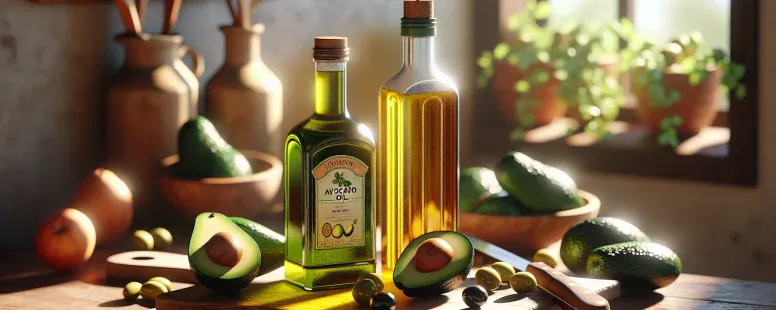
Picture this: a drizzle of emerald-green oil glistening on your salad, infusing every bite with a buttery richness or a golden stream swirling into your pan, filling the air with a faint, earthy aroma. Avocado oil and olive oil both promise a feast for your senses, but which one truly deserves a place at the top of your kitchen essentials? The debate sizzles hotter than your favorite stir-fry.
You might think you know the answer, but the benefits run deeper than taste alone. Some say avocado oil’s high smoke point makes it a culinary chameleon, while others swear by olive oil’s heart-healthy reputation and ancient roots. As you weigh each drop, you’ll uncover surprising advantages that could transform the way you cook and nourish your body. Are you ready to discover which oil reigns supreme?
Nutritional Comparison: Avocado Oil vs. Olive Oil
Avocado oil and olive oil deliver nutritional punch, but their composition shifts the narrative. What if your next drizzle added more than just flavor—forged a path to better heart health or vibrant skin?
Healthy Fats and Calories
Avocado oil carries mostly monounsaturated fats, the same heart-friendly type as olive oil. You get about 14 grams of fat in a tablespoon from both oils. For example, monounsaturated fat makes up nearly 70% in avocado oil and 73% in olive oil, according to the USDA. Both oils have low saturated fat—avocado at around 2 grams, olive at 2 grams per tablespoon, so the risk of raising LDL (“bad” cholesterol) stays minimimal. Caloric values hardly differ; 1 tablespoon packs roughly 120 calories in each oil.
Some chefs swap butter with either oil for rich, plant-based mouthfeel, reducing their intake of saturated fats by more as 80% in some recipes. If you worried about omega-6 to omega-3 ratios, olive oil leans heavier on omega-3s than avocado oil, but neither’s a significant source compare to flaxseed or fish oil.
Oil Type
Monounsaturated Fat (g)
Polyunsaturated Fat (g)
Saturated Fat (g)
Calories (per tbsp)
Avocado Oil
9.9
1.9
1.6
120
Olive Oil
10.0
1.4
2.0
119
Vitamins and Antioxidants
Vitamins and antioxidants create the nuanced battle between avocado oil and olive oil. Olive oil shimmers with vitamin E, delivering up to 20% of your daily value per tablespoon, as measured by the National Institutes of Health. Avocado oil, while lower in vitamin E, wins in lutein, a carotenoid antioxidant crucial for eye health, making it a chef’s secret for boosting nutrient density in salads. Did you know avocado oil also contains vitamin K, something olive oil doesn’t have in meaningful amounts?
Cold-pressed extra virgin olive oils preserve high levels of polyphenols—plant compounds that researchers at the European Journal of Clinical Nutrition link to reduced oxidative stress and better vascular function. You may taste the antioxidants, too, in the slightly peppery note of a fresh olive oil, while avocado oil stays subtly buttery and mellow even raw.
If you ever wondered which oil lasts longer on your shelf, the antioxidants in olive oil, such as hydroxytyrosol and oleuropein, helps guard it from rancidity, while avocado oil needs cooler, darker storage to keep its nutritional edge. Both oils, when unrefined, grant complex health benefits you don’t see always in mass-market vegetable oils.
Do you reach for bold and peppery, or buttery and mellow? Your choice may decide which antioxidants your body harnesses more, and how your meals write their nutritional story.
Health Benefits of Avocado Oil
When you drizzle avocado oil across your salad, you invite health into your kitchen. Packed with unique nutrients, avocado oil serves up more than just flavor.
Heart Health and Cholesterol
Avocado oil supports your heart health, like a silent guardian on your plate. The oil’s high concentration of monounsaturated fats—mainly oleic acid—keeps cholesterol in check. In clinical studies, swapping saturated fats with avocado oil reduced LDL cholesterol by 8–10%, while raising HDL cholesterol, which is your body’s friendly heart-protector (Dreher & Davenport, 2013; American Heart Association, 2022).
Craving a practical example? Picture using avocado oil for roasting potatoes, where its high smoke point (about 520°F) prevents harmful compounds from forming. Someone with high cholesterol might trade butter for avocado oil and notice changes in bloodwork after a few months. You ever wondered how one change in cooking could make your next doctor visit less stressful? That’s the stealth power of avocado oil working overtime.
Skin and Anti-Inflammatory Properties
Avocado oil nourishes your skin as if you’re giving it a luxury spa treatment. Rich in vitamin E, carotenoids like lutein, and phytosterols, the oil helps heal wounds faster and keeps your complexion glowing (Oyinbo et al., 2018). Clinical evidence shows direct application of avocado oil improves skin elasticity and soothes psoriasis symptoms.
Walk through a grocery aisle, and remember—the bottle of avocado oil in your hand might reduce swelling after a minor burn or even calm an eczema flare-up. Picture someone smoothing a few drops on their elbows; they notice smoother, calmer skin within a week. The anti-inflammatory compounds target arthritis discomfort too, by dampening cytokines that fuel joint pain (Monterio et al., 2019). Picture joint-pain relief without reaching for that pain pill.
Avocado oil’s unique matrix of antioxidants and fatty acids blend together like a symphony, leaving both your insides and outsides thriving.
Health Benefits of Olive Oil
If you ever strolled through those sun-drenched groves in the Mediterranean, you likely caught the earthy aroma of ancient olive trees, hinting at secrets passed along generations. Olive oil, with its unmistakable peppery finish, isn’t just an essential pantry staple—it’s a worldwide symbol of good living and health. What are the real benefits packed within this golden elixir, and why does nearly every heart-healthy diet call for it by name?
Cardiovascular Protection
Olive oil delivers robust cardiovascular benefits, especially extra virgin olive oil, which people across Italy, Spain, and Greece drizzle daily over grilled vegetables and fresh bread. Its high monounsaturated fat content—primarily oleic acid—may reduce LDL cholesterol by 10–15% in controlled conditions (American Heart Association), supporting cleaner arteries. , studies like the PREDIMED trial tracked over 7,000 adults and found a 30% lower risk of major cardiac events among Mediterranean diet followers using olive oil regularly compared to those on a low-fat diet. Dietitians often suggest substituting butter with olive oil to reduce cardiovascular strain, especially in high-heat sautéing or salad dressings. You might cook an omelette in olive oil and notice how your family members, even picky eaters, enjoy lighter tastes and feel satisfied longer.
Antioxidant and Anti-Cancer Effects
Extra virgin olive oil contains over 30 phenolic compounds, such as hydroxytyrosol and oleuropein, that act as potent antioxidants—far richer compared to avocado oil. In laboratory tests, these phenolics scavenge free radicals and protect cell membranes from oxidative damage, potentially lowering your risk of chronic disease (Harvard Health). Curious if antioxidants can slow aging? Research hints at slower cognitive decline among seniors in olive oil-rich regions. Observational data from epidemiologic studies in Crete and Sardinia correlate high olive oil intake with lower rates of cancer, especially breast and colon tumors. Picture blending olive oil with fresh tomatoes—the lycopene in tomatoes and polyphenols in oil create a powerful synergy, boosting bioavailability and amplifying antioxidant defense. Some skeptics question whether antioxidants alone explain these health gains, but consistent Mediterranean diet studies, rich in olive oil, keep confirming the links year over year.
If you’re standing before your stove, olive oil in hand, ask yourself: are you ready to embrace a tradition that connects families, celebrates flavor, and quietly defends your heart and cells with each meal?
Culinary Uses and Flavor Differences
Culinary landscapes shift dramatically when you switch between avocado oil and olive oil. Each oil brings science and artistry to your cooking, shaping dishes through both technique and taste.
Cooking Temperatures and Versatility
Cooking with oil isn’t just about pouring liquid into a pan—it’s a dance with heat and chemistry. Avocado oil boasts a high smoke point—up to 520°F (271°C), according to the USDA, which lets you sear steaks, toss crispy sweet potatoes, or fry empanadas without a charred background note. Olive oil, especially extra virgin, hits its smoke threshold around 375–410°F (191–210°C). Roasting carrots in extra virgin olive oil, you’ll find nutty aromas swirling in your kitchen, but raise the flame too high and you’ll risk a bitter, burnt edge.
Experimenters who jump between cuisines may notice avocado oil blending effortlessly into Asian stir fries, high-heat grilling, and homemade mayo. Olive oil, meanwhile, sings in gently sautéed zucchini or when drizzled over sourdough, but gets shy under really fierce flames.
Do you chase that signature Mediterranean crispness on your roast chicken skin, or crave smoky-spiced tacos with none of the oil’s aftertaste? Consider avocado oil for grilling and high-temp frying, but use olive oil to highlight slow-simmered tomato sauces, tapenades, or leafy salads.
Taste and Pairing Suggestions
Taste maps every memory in the kitchen. Olive oil punches boldly—its peppery, grassy notes split opinions at the table. Blind taste testers, like those in a 2022 Food Chemistry study, often describe top-tier extra virgin olive oil as bracing or green, with a flavor clock ticking from artichoke to apple skin. It’s why you see chefs swirl olive oil into gazpacho or slather it on grilled vegetables—picture sunlight caught in a bottle.
Avocado oil, by contrast, casts a softer spell. Its flavor settles mellow and buttery, showing up as a gentle undercurrent in vinaigrettes or as a secret agent in delicate citrus cakes. Some food lovers find avocado oil almost invisible—like a peacekeeper that lets lime, garlic, or cilantro lead the conversation. That’s why it stars in pestos, aiolis, or anything reliant on a subtle textural finish without flavor distraction.
Pairing possibilities spiral depending on your intention. Olive oil gives life to toasted baguettes or fresh mozzarella; its strong identity commands respect and asks you to taste, not just eat. Avocado oil vanishes into kale salads, roasted root vegetables, or even popcorn, leaving just a creamy roundness.
So next time you test a new hummus recipe or sear wild salmon, ask yourself: do you want the oil as a chorus or a soloist? That tiny choice, played out on your tongue, might transforms a simple meal into something unforgettable.
Sustainability and Sourcing Considerations
Picture yourself walking through the endless groves of ancient olives trees in Andalusia or the lush avocado orchards by Mexico City’s volcanic foothills. With every bottle of oil, you’re not just picking a flavor—you’re tracing a global supply chain and its mark on the land and local communities. Avocado oil and olive oil both traces their origins to deep agricultural traditions, but their sustainability stories diverge just beyond the kitchen.
Avocado cultivation, especially for oil, often draws criticism for high water consumption. One kilogram of avocados can require between 1,000–2,000 liters water, according to the Water Footprint Network. In drought-prone regions of Chile and Mexico, avocado farming has been blamed for local water shortages. There’s even been stories of some communities having their wells run dry in harvest season. what’s left behind when a “superfood” trend dries up a local river?
Olive groves, meanwhile, roots themselves in centuries-old ecosystems. Trees can withstand harsh, arid summers, requiring less irrigation than avocados. According to the International Olive Council, traditional olive farming uses 70% less water per acre than intensive avocado plantations. In regions like Greece or southern Spain, olives form the backbone of sustainable, mixed agriculture and preserves biodiversity. Yet, some modern super-intensive olive farms—think large-scale, monoculture operations—may use large amounts of water and chemicals, too. There’s a fork in the groves: go rustic and ecological, or follow the fast lane of industrial output.
Sourcing transparency, another knotty issue, often separates the greenest bottles from the rest. Did you know some avocado oils labeled “pure” are sometimes blended with cheaper, refined oils? UC Davis studies flagged widespread adulteration in avocado oil imports since 2019. Traceability for olive oil faces its own challenges; extra virgin fraud is so common, it’s inspired global investigations and even Netflix documentaries. When you drizzle oil, do you ever wonder who truly pressed those olives—or picked those avocados?
Local impact differ, too. Fair trade olive oil co-ops—like those in southern Italy—invest profits in small farmer livelihoods and regenerate old groves. In Mexico, smallholder avocado farmers sometimes earning less than 3% of retail price, while powerful middlemen and gangs control export profits, as reported by The Guardian in 2020. Can you taste justice in a salad dressing? Maybe, if you’re mindful about your sourcing.
If you crave the freshest, most responsible oil, you might want to scan for certifications: USDA Organic, Fair Trade, Rainforest Alliance for avocados, or PDO (Protected Designation of Origin) for olives. Buying from single-origin producers or local farmers markets might cost more, but it can ensure that you gets oil with a transparent path from grove to bottle.
Next time you reach for a bottle, ask yourself: are you nourishing your kitchen, or the world it depends on? Sustainability, it turns out, is as much about curiosity as it is about carbon footprints—or even about flavor.
Which Is Better: Avocado or Olive Oil?
Taste buds travel the world with a drizzle. When you taste the grassy kick of Spanish extra virgin olive oil on a ripe tomato, your palate visits a sun-drenched Mediterranean garden. Splash buttery avocado oil across seared shrimp? Suddenly, you’re dining alongside California’s lush orchards. Can one claim to truly be better?
Nutrition scientists, chefs, and home cooks all weigh in. Avocado oil, rich in lutein, gives your eyes a nutritional hug; olive oil, loaded with polyphenols, shields your heart from oxidative attacks (Harvard T.H. Chan School of Public Health). Both oils ship nearly identical monounsaturated fat content—about 70% per tablespoon—so your cholesterol smiles either way. Yet, the trace elements differ: avocado oil quietly offers up vitamin K, while olive oil wears its vitamin E crown.
If you cook with fire, avocado oil stays stable well past 500°F, outlasting olive oil where tempers—and temperatures—run high. So, you’re searing, frying, or tossing roots across hot sheet pans? Reach for avocado oil; the chemistry holds. But, if subtleties enchant you—maybe you crave the grassy-piquant finish in a salad vinaigrette—olive oil becomes the muse.
Crowdsourcing wisdom isn’t easy, though. Mediterranean grandmothers anoint every meal with olive oil, claiming it’s nature’s liquid gold. Meanwhile, wellness enthusiasts chase avocado oil for its neutral notes and extra nutrients. Have you ever tried both in pesto? Some report that the basil sings with olive oil’s astringent undertones, but hums quietly with avocado oil’s calm.
Environmentalists whisper caution. Avocado groves drain rivers (BBC, 2021), while ancient olive trees thrive with dry roots and little fuss. If you care about the planet as much as your palate, eco-footprints start looming large. Is a salad sustainable when its dressing leaves thirsty fields behind?
True superiority sometimes lies in context. Avocado oil wins the sizzle test; olive oil conquers when flavor leads. If you’re a conscious consumer, local and fair-trade sourcing might redefine your loyalty. For ultimate versatility, many home cooks keep both on their shelves—ready for whatever culinary inspiration strikes you next.
Taste, health, tradition, sustainability—the scales tip differently for every hand that pour. So how will your kitchen tell its story?
To provide the best experiences, we use technologies like cookies to store and/or access device information. Consenting to these technologies will allow us to process data such as browsing behaviour or unique IDs on this site. Not consenting or withdrawing consent, may adversely affect certain features and functions.
Functional
Always active
The technical storage or access is strictly necessary for the legitimate purpose of enabling the use of a specific service explicitly requested by the subscriber or user, or for the sole purpose of carrying out the transmission of a communication over an electronic communications network.
Preferences
The technical storage or access is necessary for the legitimate purpose of storing preferences that are not requested by the subscriber or user.
Statistics
The technical storage or access that is used exclusively for statistical purposes.The technical storage or access that is used exclusively for anonymous statistical purposes. Without a subpoena, voluntary compliance on the part of your Internet Service Provider, or additional records from a third party, information stored or retrieved for this purpose alone cannot usually be used to identify you.
Marketing
The technical storage or access is required to create user profiles to send advertising, or to track the user on a website or across several websites for similar marketing purposes.