Picture this: the power goes out during a crucial moment—you’re midway through an important task, or perhaps the heat of summer is unbearable without your air conditioning. In times like these, a reliable backup power source isn’t just convenient; it’s a game-changer. But when it comes to choosing between a generator and an inverter, how do you know which one truly fits your needs?
Generators and inverters both promise to keep your devices running, but they operate differently and suit different lifestyles. Whether you’re powering an entire home, running tools at a job site, or simply charging gadgets during a camping trip, the choice can feel overwhelming. Understanding their unique strengths and limitations is key to making the right decision. So, which one is best for you? Let’s unravel the differences and help you power through with confidence.
Understanding Generators And Inverters
Generators and inverters both offer solutions for backup power needs, but understanding how they function and differ is essential to choosing the right one.
What Is A Generator?
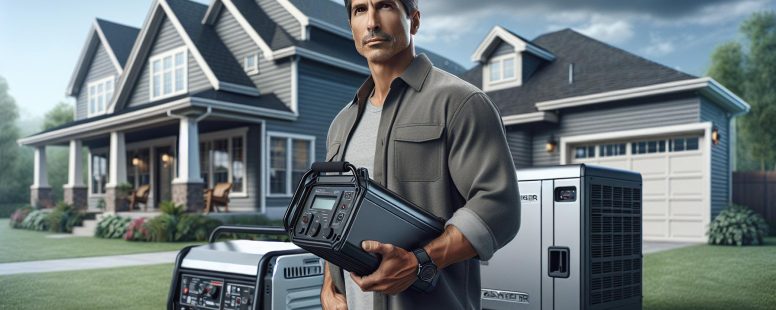
A generator converts mechanical energy into electrical energy through an internal combustion engine. It’s commonly used for homes, businesses, and outdoor events. Generators are designed to produce higher power output, making them useful for powering heavy appliances like refrigerators, HVAC systems, and multiple electronic devices simultaneously.
Generators require fuel like gasoline, diesel, or propane. They’re effective in extended power outages, operating continuously as long as there’s fuel available. Noise levels can be high, especially for older models, and regular maintenance is necessary to ensure engine longevity and performance.
What Is An Inverter?
An inverter converts direct current (DC) into alternating current (AC), enabling you to power household appliances and electronics. Typically paired with batteries or solar panels, inverters are designed for energy efficiency and quiet operation. They’re well-suited for low to medium power requirements, such as laptops, lights, and small kitchen appliances.
Modern inverters often include built-in safeguards like overload and short-circuit protection, making them safer for sensitive electronics. Unlike generators, inverters depend on stored power, limiting operational time unless integrated with renewable energy sources like solar panels.
Key Differences Between Generators And Inverters
Feature
Generators
Inverters
Power Output
High, suitable for heavy appliances
Moderate, ideal for small devices
Noise Levels
Often noisy
Quiet operation
Fuel Dependence
Requires fuel for operation
Relies on stored battery power or solar
Operational Duration
Continuous with fuel supply
Limited to battery capacity
Maintenance Needs
Regular upkeep for engine performance
Minimal maintenance required
Generators are ideal for high-demand situations like power outages impacting entire houses. Inverters cater to portable needs or environments prioritizing quiet and eco-friendly energy use.
Performance Comparison: Generator Vs. Inverter
Understanding the performance of generators and inverters helps in choosing the right power backup option for your needs. Both serve distinct purposes, but their performance varies based on power output, efficiency, noise levels, and portability.
Power Output And Efficiency
Generators deliver higher power output, making them ideal for running heavy-duty appliances like refrigerators and HVAC systems during outages. Typical home generators can produce 5,000 to 10,000 watts. Inverters, on the other hand, excel in efficiency, converting DC to AC with minimal energy loss while producing 150 to 5,000 watts, depending on the model. They’re best suited for phones, laptops, and small devices.
Generators rely on fuel types such as gas, diesel, and propane, requiring consistent refueling. Inverters use stored energy from batteries or solar panels, lasting several hours depending on load capacity. If you’re prioritizing runtime over eco-friendliness, generators usually come out ahead.
Noise And Environmental Impact
Generators are noisier due to internal combustion engines operating at high speeds. Noise levels can reach 70 to 100 decibels, which might be disruptive in residential areas. Inverters operate much quieter, averaging 45 to 60 decibels, thanks to advanced soundproofing and design.
From an environmental perspective, inverters generate no emissions during use if charged via renewable energy. Generators emit pollutants according to the fuel type, impacting air quality. If eco-consciousness is your goal, inverters represent the greener choice.
Portability And Ease Of Use
Portability differs significantly between generators and inverters. Inverters often weigh under 50 lbs, include handles, and are easily transportable. Generators, while portable, can weigh over 100 lbs and may need wheels for mobility.
Generators feature straightforward controls but involve regular fuel handling and maintenance. Inverters are simpler, requiring only charging setup and minimal upkeep. They fit well with urban and on-the-go lifestyles. If flexibility matters most, inverters are generally more convenient.
Cost And Maintenance Considerations
Selecting between a generator and an inverter involves assessing initial investment, ongoing expenses, and maintenance needs. Each option offers distinct financial implications tied to its operation and reliability.
Initial Cost
Generators typically have a lower upfront cost compared to inverters with similar power capacities. For instance, a conventional 5,000-watt generator might cost $600 to $800, while an inverter generator of equal wattage often ranges from $1,000 to $1,200. This price difference arises because inverters integrate advanced circuitry for cleaner power output, making them more expensive. If your budget is limited, you might lean towards a generator for larger power needs, even though its less refined features.
Long-Term Operating Costs
While generators may seem economical initially, their operational expenses can surpass those of inverters. Fuel consumption often becomes a significant factor. For example, a standard portable generator consuming 0.75 gallons of fuel per hour during a 10-hour blackout translates into substantial costs over time. Inverters, on the other hand, efficiently store and deliver energy, reducing reliance on costly fuel sources. Also, charging inverters with renewable energy like solar panels can further lower expenses, especially in regions with abundant sunlight.
Maintenance Requirements
Generators demand consistent maintenance to ensure functionality, including oil changes every 50 to 100 operating hours and regular fuel system cleanups. Neglecting upkeep can lead to performance decline, especially when fuel degrades in storage. In comparison, inverters require less robust maintenance, with key tasks being battery checks and occasional cooling system inspections. For instance, an inverter used bi-weekly for small appliances might need minimal attention beyond charging and basic care, making it convenient for busy individuals. But, you should consider the availability of spare parts and repairs, as inverters with specialized technology can pose challenges if components fail.
Choosing The Right Option For Your Needs
Selecting between a generator or an inverter depends on your specific requirements. Each serves distinct functions and excels in various scenarios.
For Home Backup Power
Generators provide a higher power output, making them ideal for running large appliances like refrigerators, air conditioners, or heaters during prolonged outages. If your home frequently experiences storms or blackouts, a mid-sized portable generator ensures uninterrupted power supply. But, consider the noise levels and the need for fuel storage.
Inverters are better suited for short-term backup during routine outages. They can power lower-consumption devices like Wi-Fi routers, LED lights, or laptops. If your priority involves quiet operation and minimal maintenance, inverters, charged using solar panels or your home’s grid power, fit seamlessly.
For Outdoor And Recreational Use
Generators are less practical for campsite or tailgating use due to their bulky size and noise. Their reliance on fuel can also complicate remote setups. But, if you’re hosting outdoor events needing high-power tools or multiple heavy-duty devices, portable industrial generators could meet these demands.
Inverters shine in compactness and quiet functioning for recreational activities. Lightweight inverter models, such as those below 2,000 watts, can charge personal electronics, run a small fan, or power an electric grill at the campsite. When planning eco-friendly trips, an inverter paired with solar can ensure sustainable energy use.
For Sensitive Electronics
Inverters excel in delivering stable electricity, which safeguards delicate electronics like computers, gaming systems, and home automation systems. They convert direct current into clean alternating current without spikes, ensuring gadgets remain safe.
Generators can pose risks due to power surges. If you connect sensitive devices to a generator, investing in a surge protector becomes essential. Use generators for machinery like pumps or saws, where the electrical stability might be less critical.
While assessing, weigh portability, noise sensitivity, and financial constraints before making your pick.
Conclusion
Choosing between a generator and an inverter depends on your specific power needs, lifestyle, and priorities. Generators offer robust power for heavy-duty appliances and extended outages, while inverters provide quiet, efficient energy for smaller devices and eco-friendly use.
Consider factors like power output, noise levels, portability, and long-term costs when making your decision. Whether you need reliable backup for your home or a portable solution for outdoor activities, understanding your requirements will help you select the best option for your situation.
To provide the best experiences, we use technologies like cookies to store and/or access device information. Consenting to these technologies will allow us to process data such as browsing behaviour or unique IDs on this site. Not consenting or withdrawing consent, may adversely affect certain features and functions.
Functional
Always active
The technical storage or access is strictly necessary for the legitimate purpose of enabling the use of a specific service explicitly requested by the subscriber or user, or for the sole purpose of carrying out the transmission of a communication over an electronic communications network.
Preferences
The technical storage or access is necessary for the legitimate purpose of storing preferences that are not requested by the subscriber or user.
Statistics
The technical storage or access that is used exclusively for statistical purposes.The technical storage or access that is used exclusively for anonymous statistical purposes. Without a subpoena, voluntary compliance on the part of your Internet Service Provider, or additional records from a third party, information stored or retrieved for this purpose alone cannot usually be used to identify you.
Marketing
The technical storage or access is required to create user profiles to send advertising, or to track the user on a website or across several websites for similar marketing purposes.