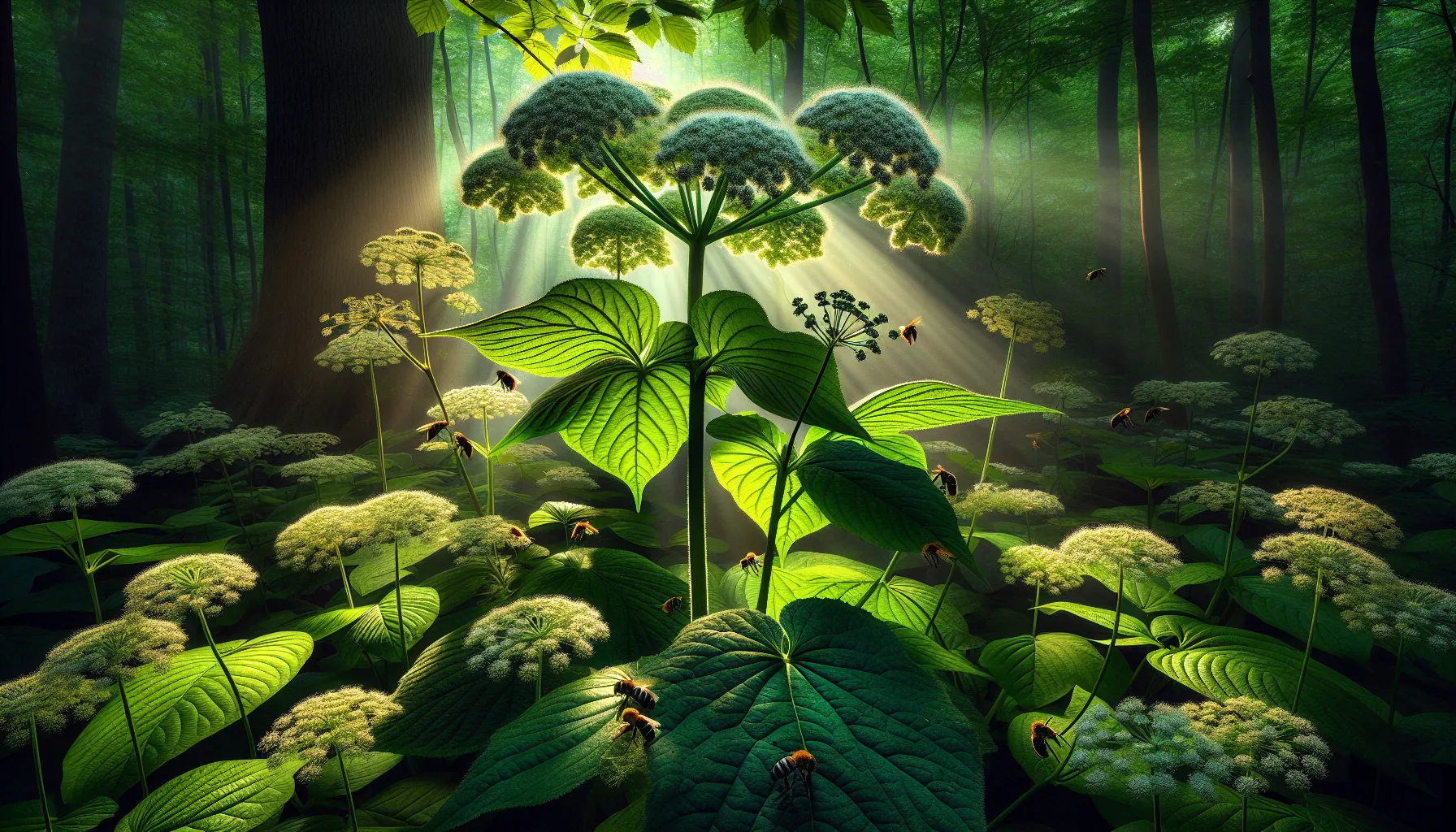
Imagine wandering through a sun-dappled forest, only to return home covered in an itchy, blistering rash. Poison ivy is notorious for its discomfort, but what if we told you that there are even worse culprits lurking in our environment? While poison ivy can be a nuisance, its sting pales in comparison to the potentially severe outcomes from certain other plants and diseases. Today, we embark on an exploration to uncover what truly lies beyond the itchy reach of poison ivy. Along the way, we’ll sift through common misconceptions, compare it to other toxic plants, and highlight the environmental implications tied to allergens and infectious diseases. Let’s jump into this unexpected journey headfirst, and find out what we should be most wary of in our natural surroundings.
Understanding Poison Ivy and Its Effects
Poison ivy, scientifically known as Toxicodendron radicans, is a plant that many of us know too well. Its leaves, which can appear as a three-leaf cluster, contain an oil called urushiol. This oil triggers allergic reactions in approximately 85% of people who come into contact with it, leading to rashes, itching, and discomfort. The severity of these reactions can vary widely, sometimes resulting in blistering and secondary infections if not properly managed.
In the vast landscape of skin irritants, poison ivy is certainly a top contender, but it is far from the only threat we face in the wild. Understanding poison ivy’s effects helps us appreciate just how important it is to be educated about other plants that might be even more hazardous.
Common Misconceptions About Poison Ivy
Even though its commonality, many myths surround poison ivy. One prevalent belief is that touching the plant will always result in a rash, which isn’t true for everyone. Some individuals may handle it without any immediate reaction, only to experience symptoms days later due to the delayed response of the immune system.
Another misconception is that the rash is contagious. This is a falsehood: while the urushiol oil can linger on clothing or objects, the rash itself cannot spread from person to person. As we navigate through these myths, it’s essential to recognize that misinformation can lead to unnecessary fear and mismanagement of exposure.
Comparative Plants and Reactions
While poison ivy is well known, other plants can trigger even worse reactions than its notorious rashes.
Severe Allergic Reactions to Other Plants
For instance, poison oak and poison sumac contain similar oils as poison ivy and can induce allergic reactions that might be equally severe, if not worse, depending on individual sensitivities. On top of that, invasive plants like giant hogweed can cause extreme skin burns and even blindness if their sap makes contact with the skin and then is exposed to sunlight. These plants underscore the idea that understanding our environment is vital to safeguarding our health.
Comparison With Other Toxic Plants
Many are surprised to learn about the beauty of some plants that hide serious hazards beneath their attractive façades. Plants like Ricinus communis, or the castor bean plant, embody this hidden danger. A single seed contains enough ricin to be lethal. Learning to identify these plants equips us with the knowledge to appreciate nature’s beauty while keeping safe.
Infectious Diseases Misidentified as Plant Reactions
It’s not only plants we need to be cautious about: sometimes, what seems like a reaction to poison ivy could actually be a symptom of an infectious disease. For example, Lyme disease, transmitted by ticks, can manifest through rashes that appear similar to those caused by poison ivy. Misidentifying these symptoms can lead to underestimating potentially serious health issues.
Recognizing the signs of Lyme disease, such as fever and fatigue, alongside skin reactions, is hence crucial for effective treatment. Through this lens, we see how the environment can complicate our understanding of health and wellness.
Environmental Consequences of Allergens
Allergens from plants like poison ivy not only affect our skin but can also take a toll on the environment. As climate change alters rainfall patterns and temperature, plants experiencing stress may produce higher levels of allergens. Poison ivy, in particular, has been shown to increase its urushiol production under certain environmental conditions.
This uptick can lead to a worrying cycle, where more individuals experience reactions, escalating the public health burden. Understanding how our changing environment affects allergens is vital for both personal and community health.
Managing and Preventing Exposure
Now that we’ve established the various threats that surpass poison ivy, how can we manage and prevent exposure? First and foremost, education is key. Knowing what plants to avoid and recognizing symptoms of various allergic reactions can make a significant difference in our approach to outdoor activities.
Secondly, employing protective measures, such as wearing long sleeves and gloves when venturing into areas where these plants grow, helps minimize direct contact. If we do encounter these plants or unexpected reactions, prompt treatment can alleviate symptoms and reduce complications. Over-the-counter treatments, calamine lotion, and antihistamines can provide relief, while more severe reactions may require medical intervention.
Conclusion
In our exploration of what is worse than poison ivy, we discover a mix of misidentified reactions and environmental concerns that pose significant threats to our well-being. We realize the importance of expanding our knowledge beyond poison ivy. Through understanding various plants and potential diseases, we strengthen our ability to enjoy nature safely. So, the next time we wander into the wild, let’s remember to look beyond the familiar three-leafed menace and recognize the broader horizons of nature’s potential hazards.
Last Updated: February 5, 2026 at 11:09 am by Ellie B, Site owner & Publisher
To provide the best experiences, we use technologies like cookies to store and/or access device information. Consenting to these technologies will allow us to process data such as browsing behaviour or unique IDs on this site. Not consenting or withdrawing consent, may adversely affect certain features and functions.
Functional
Always active
The technical storage or access is strictly necessary for the legitimate purpose of enabling the use of a specific service explicitly requested by the subscriber or user, or for the sole purpose of carrying out the transmission of a communication over an electronic communications network.
Preferences
The technical storage or access is necessary for the legitimate purpose of storing preferences that are not requested by the subscriber or user.
Statistics
The technical storage or access that is used exclusively for statistical purposes.The technical storage or access that is used exclusively for anonymous statistical purposes. Without a subpoena, voluntary compliance on the part of your Internet Service Provider, or additional records from a third party, information stored or retrieved for this purpose alone cannot usually be used to identify you.
Marketing
The technical storage or access is required to create user profiles to send advertising, or to track the user on a website or across several websites for similar marketing purposes.