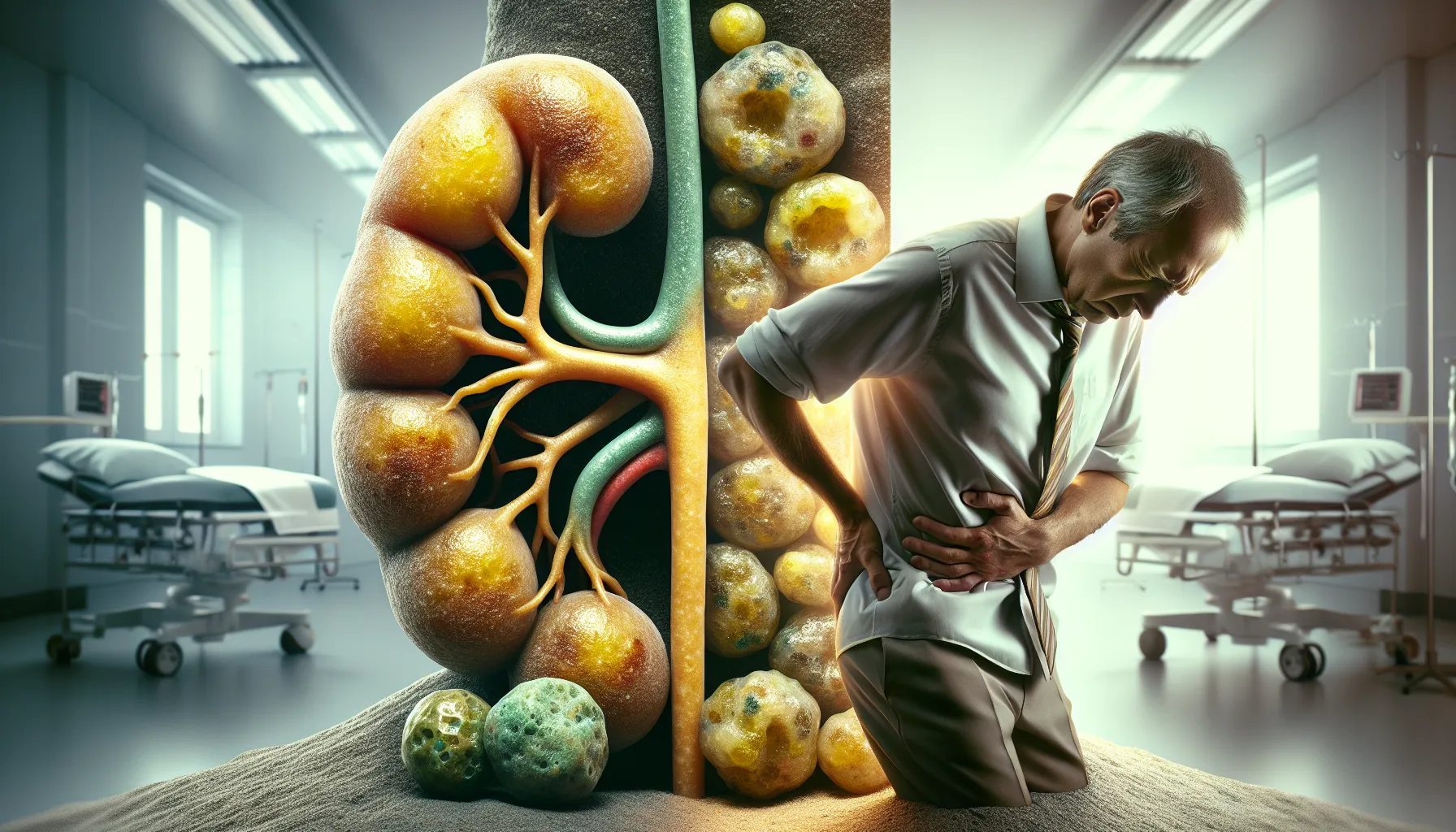
When we think about health challenges, certain issues can strike fear into our hearts. Among those, kidney stones and gallstones often emerge as two of the most dreaded. They both create intense pain and can lead to significant health complications, but which one do we really want to avoid? Picture the sharp, piercing agony of a kidney stone versus the often vague discomfort of gallstones, which can silently wreak havoc. While one may assume both conditions share a common thread of excruciating pain, they’re quite distinct in their causes, treatment, and prevention strategies. We’re here to unravel the nuances of these two conditions, examining how they compare in severity, symptoms, and impact on our well-being, so we can make informed choices about our health.
Understanding Kidney Stones
Causes and Risk Factors
Kidney stones form when our urine contains more crystal-forming substances than the fluid in our body can dilute. There are several types of kidney stones: calcium oxalate, uric acid, struvite, and cystine stones. Risk factors are diverse, including dehydration, diet, obesity, certain medical conditions, and some medications. Those of us with a family history of kidney stones may find ourselves at an increased risk. Interestingly, the metabolic factors that contribute to stone formation — particularly elevated triglycerides and cholesterol — overlap with broader cardiovascular concerns, which is why understanding whether LDL or triglycerides pose the greater health risk is relevant for anyone managing stone-prone conditions.
Symptoms and Diagnosis
The most striking symptom we experience with kidney stones is intense pain, often described as sharp and occurring suddenly, typically in the back or side. Other symptoms can include blood in urine, frequent urination, or a burning sensation while urinating. If a stone obstructs the urinary tract, nausea and vomiting may also occur. Healthcare providers usually diagnose kidney stones through methods such as a CT scan, ultrasound, or urine tests to analyze the stone’s composition.
Treatment Options
For small stones, we may manage our condition with increased hydration, allowing the stone to pass naturally. But, larger stones might require medical intervention, such as lithotripsy, where shock waves break the stone into smaller pieces, or ureteroscopy, which involves removing the stone with a thin tube. Surgical options are available for particularly stubborn or large stones. It’s also worth noting that kidney stone pain is commonly compared to the pain of childbirth — a comparison explored in detail in our article on kidney stones versus giving birth.
Understanding Gallstones
Causes and Risk Factors
Gallstones form in our gallbladder, primarily made of cholesterol or bilirubin. Common risk factors include obesity, high-fat diets, being female, and having a family history of gallstones. Certain conditions like diabetes or liver disease can also play a role. We should be mindful of our background and dietary habits, as these can influence our risk.
Symptoms and Diagnosis
Many of us with gallstones may not even realize we have them, as they can remain asymptomatic. But, when symptoms appear, they typically include sudden and intense pain in the upper right abdomen, often following a fatty meal. Other signs include bloating, nausea, and vomitting. Healthcare professionals may diagnose gallstones using an ultrasound or CT scan, focusing on the presence of stones in the gallbladder.
Treatment Options
If we experience painful symptoms, treatment often involves surgery, specifically cholecystectomy, the removal of the gallbladder. This procedure can be performed laparoscopically for a shorter recovery time. In some cases, non-surgical methods like medication to dissolve the stones are considered, though they are less common.
Comparing Kidney Stones and Gallstones
Pain and Discomfort Levels
One notable difference between kidney stones and gallstones is the nature of the pain. Kidney stones often induce sharp, severe pain that can incapacitate us. In contrast, gallstone pain may not be as severe but can still cause significant discomfort. The pain from gallstones often comes in waves, sometimes accompanied by other digestive symptoms. So, while each can be excruciating, kidney stones typically reign as the more severe condition in terms of acute pain.
Frequency and Recurrence
In terms of frequency, kidney stones are notably common, affecting about 1 in 10 people during their lifetime, with a high chance of recurrence. Gallstones, meanwhile, can vary by individual but often develop without noticeable symptoms, making them harder to gauge. Even if we surgically remove gallstones, that doesn’t necessarily prevent the formation of new ones.
Long-Term Health Effects
The long-term health effects of these conditions differ significantly. Kidney stones can lead to chronic kidney disease if we experience frequent stone formation and don’t manage our hydration and diet effectively. Gallstones, on the other hand, if left untreated, could lead to serious complications, such as pancreatitis or cholecystitis (inflammation of the gallbladder) — complications severe enough that knowing when to go to urgent care versus the emergency room becomes an important decision in those acute moments.
Lifestyle and Prevention Strategies
Dietary Considerations
Both kidney stones and gallstones call for a careful approach to our diet. For kidney stones, we might consider reducing our intake of oxalate-rich foods like spinach and nuts while increasing our calcium intake. Meanwhile, a balanced diet low in saturated fats is vital for gallstone prevention. Understanding what we eat can significantly affect our risk levels.
Hydration and Exercise
Staying hydrated is key in preventing both conditions. We should drink plenty of water throughout the day, aiming for at least 2-3 liters daily. Regular exercise also plays a crucial role in maintaining a healthy weight and reducing risks associated with gallstones and kidney stones alike.
Regular Health Checkups
Regular health checkups are invaluable for catching potential issues before they escalate. We should discuss any symptoms or concerns with our healthcare provider, ensuring we address risk factors proactively.
Conclusion
Summarizing, both kidney stones and gallstones present unique challenges to our health. With intense pain, potential complications, and a risk of recurrence, each condition requires us to be vigilant and take care of ourselves. Eventually, while kidney stones often strike with more acute pain, gallstones can lead to serious long-term complications if not addressed. By understanding the differences, prevention strategies, and treatment options, we empower ourselves to take charge of our health and well-being.
To provide the best experiences, we use technologies like cookies to store and/or access device information. Consenting to these technologies will allow us to process data such as browsing behaviour or unique IDs on this site. Not consenting or withdrawing consent, may adversely affect certain features and functions.
Functional
Always active
The technical storage or access is strictly necessary for the legitimate purpose of enabling the use of a specific service explicitly requested by the subscriber or user, or for the sole purpose of carrying out the transmission of a communication over an electronic communications network.
Preferences
The technical storage or access is necessary for the legitimate purpose of storing preferences that are not requested by the subscriber or user.
Statistics
The technical storage or access that is used exclusively for statistical purposes.The technical storage or access that is used exclusively for anonymous statistical purposes. Without a subpoena, voluntary compliance on the part of your Internet Service Provider, or additional records from a third party, information stored or retrieved for this purpose alone cannot usually be used to identify you.
Marketing
The technical storage or access is required to create user profiles to send advertising, or to track the user on a website or across several websites for similar marketing purposes.