
What Is Stronger: Oxycodone or Vicodin
Pain management is a complex topic. For many, finding effective relief means sifting through medications and understanding their strengths and limitations. We often wonder which options offer the most relief, especially when it comes to common pain meds like oxycodone and Vicodin. These two medications have become household names, often discussed among patients, caregivers, and healthcare professionals alike. But how do they compare in potency? Do we fully grasp their implications for our health? Let’s investigate deeper into oxycodone and Vicodin, uncovering their unique properties and assessing their strengths in the realm of pain management.
Understanding Oxycodone

What Is Oxycodone?
Oxycodone is a powerful prescription opioid pain reliever. It falls under the category of narcotics and is primarily used to treat moderate to severe pain. Available in both immediate-release and extended-release formulations, oxycodone allows for flexibility depending on individual needs.
How Oxycodone Works
Oxycodone alters how our brain and nervous system respond to pain. It binds to opioid receptors, producing a sense of relief along with euphoria for some users. This mechanism makes it effective but also increases the risk of misuse. If you’re also considering how oxycodone compares to another common opioid, see our guide on what is stronger: oxycodone or hydrocodone.
Uses of Oxycodone
We typically encounter oxycodone after surgeries, injuries, or during cancer treatment. It’s often recommended for short-term pain relief but may be prescribed for chronic conditions as well, balancing efficacy with the need for careful management.
Understanding Vicodin

What Is Vicodin?
Vicodin is a combination medication that contains hydrocodone and acetaminophen. Hydrocodone, like oxycodone, is an opioid, while acetaminophen enhances its pain-relieving effects. This mix often targets similar pain levels.
How Vicodin Works
Similar to oxycodone, Vicodin binds to specific receptors in our brain to reduce the perception of pain. The addition of acetaminophen contributes to its efficacy but may also impact the metabolism of both drugs.
Uses of Vicodin
Doctors often prescribe Vicodin for moderate pain, especially after injuries or surgical procedures. Its inclusion of acetaminophen makes it attractive for patients needing extra relief without the full strength of opioid medication. For over-the-counter alternatives, explore our comparison of what is stronger: Advil or Aleve.
Comparative Strength of Oxycodone and Vicodin
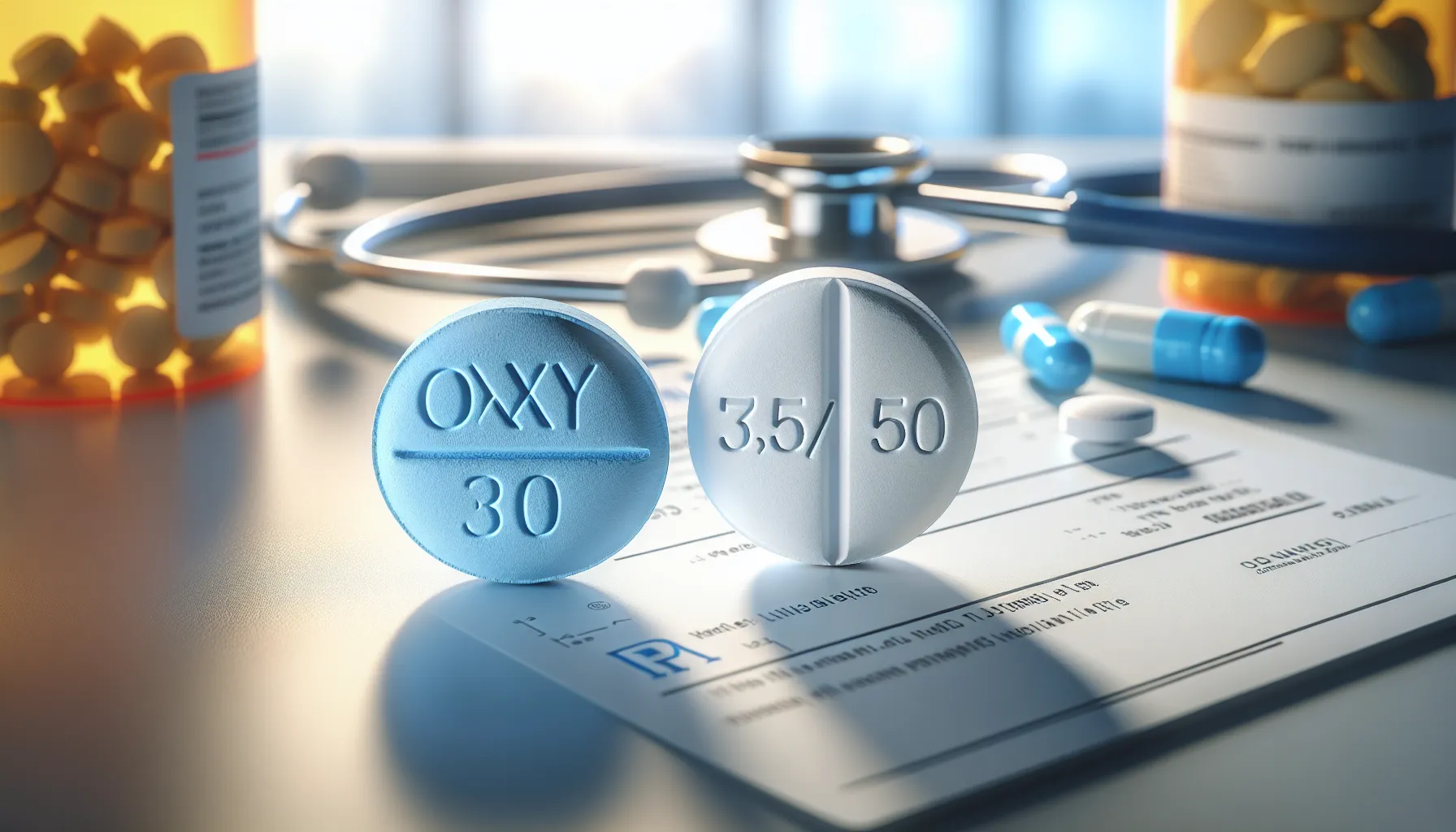
Potency and Dosage Comparison
When comparing potency, oxycodone is generally considered stronger than Vicodin. For instance, 5 mg of oxycodone can be roughly equivalent to 10 mg of hydrocodone found in Vicodin. This distinction is vital in understanding dosage recommendations and patient management.
Metabolism and Duration of Effects
Oxycodone typically has a longer duration of action than Vicodin, often lasting up to 12 hours depending on its formulation. This extended release can influence management strategies, particularly for patients with chronic pain requiring consistent relief.
Safety and Side Effects

Common Side Effects of Oxycodone
While oxycodone can be effective for pain management, it also carries a risk of side effects. Common issues include dizziness, nausea, constipation, and the potential for respiratory depression, particularly when misused.
Common Side Effects of Vicodin
Vicodin, with its hydrocodone component, shares many of these side effects, including dizziness and constipation. But, the addition of acetaminophen may lead to issues with liver overload if taken in excessive amounts.
Potential for Dependence and Addiction
Both medications pose a risk for dependence and addiction. Oxycodone, being more potent, may lead to higher rates of misuse. Our awareness of these issues is crucial in reducing risks associated with long-term use.
Choosing Between Oxycodone and Vicodin

Factors to Consider When Making a Choice
When deciding between oxycodone and Vicodin, we need to consider several factors. This includes the severity of pain, duration of treatment, potential side effects, and individual patient needs. Each case is unique, and what works for one individual may not work for another.
Consulting with Health Professionals
Engaging with healthcare professionals is essential when faced with these choices. We should discuss our pain levels, treatment history, and any other medications we’re taking to ensure a tailored approach for maximum efficiency and safety.
Conclusion
Summarizing, while oxycodone often stands as the stronger option between the two medications, Vicodin remains a valid alternative for moderate pain relief. Our knowledge of each medication’s mechanisms, side effects, and potential for misuse shapes our decisions about pain management. For a broader comparison across the opioid spectrum, see our article on what is stronger: oxycodone or morphine. Eventually, collaboration with healthcare providers ensures that we choose the most appropriate treatment tailored to our specific needs, enhancing our health and wellbeing.
by Ellie B, Site owner & Publisher

- Japanese Maple Bloodgood Vs. Atropurpureum - March 9, 2026
- Best Alternatives To Chrome - March 9, 2026
- The Difference Between Sunrise and Dawn, Explained Like You’Re Busy - March 9, 2026