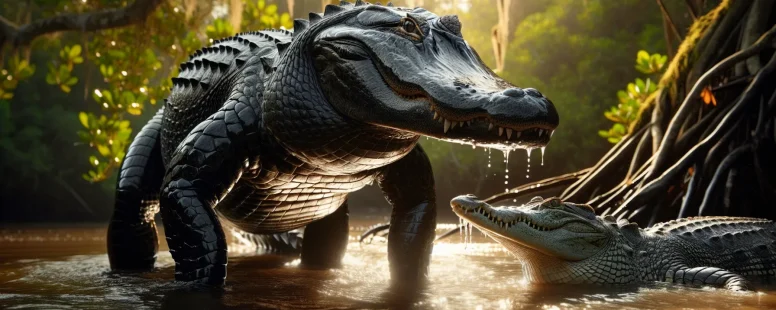
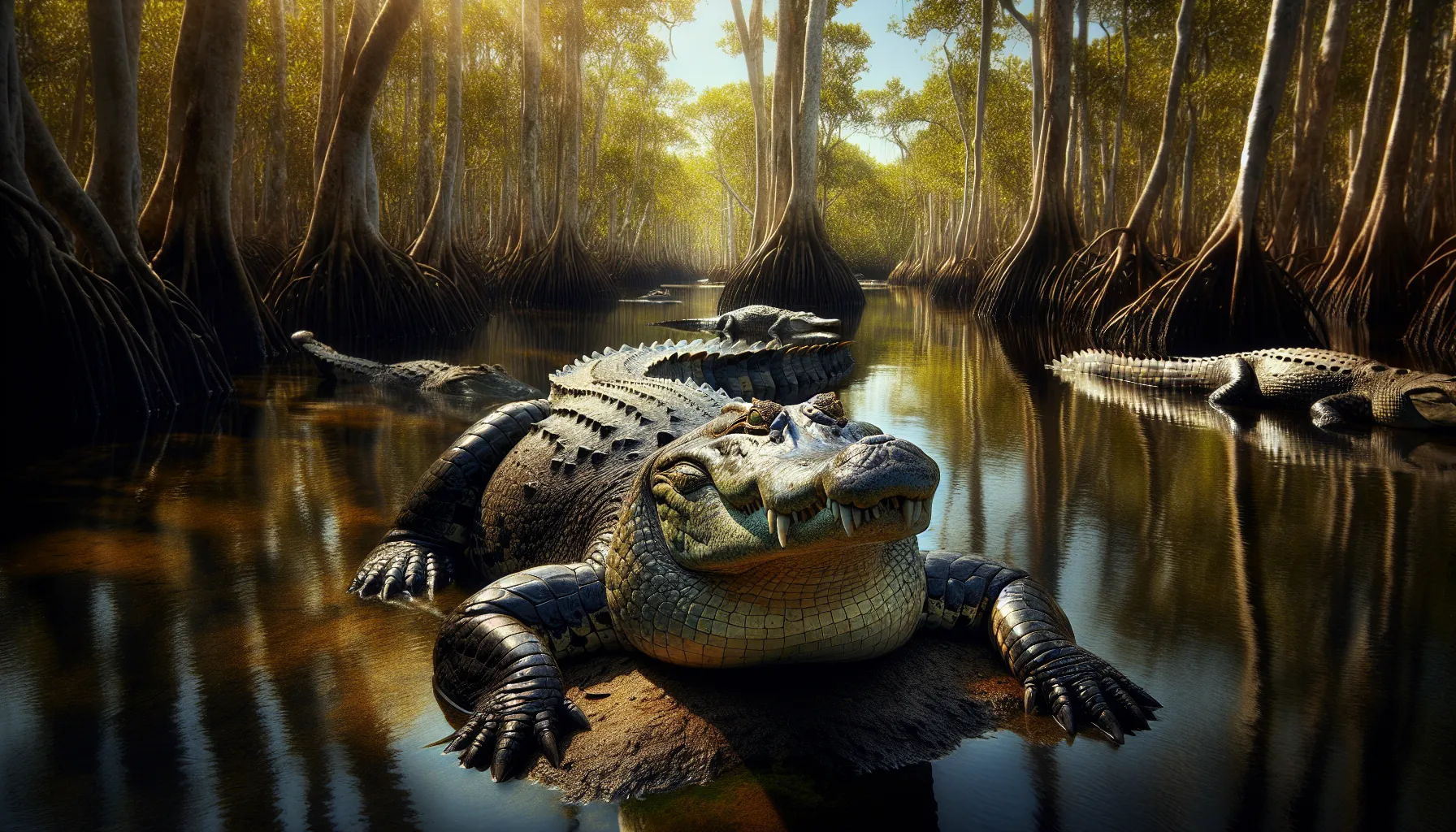
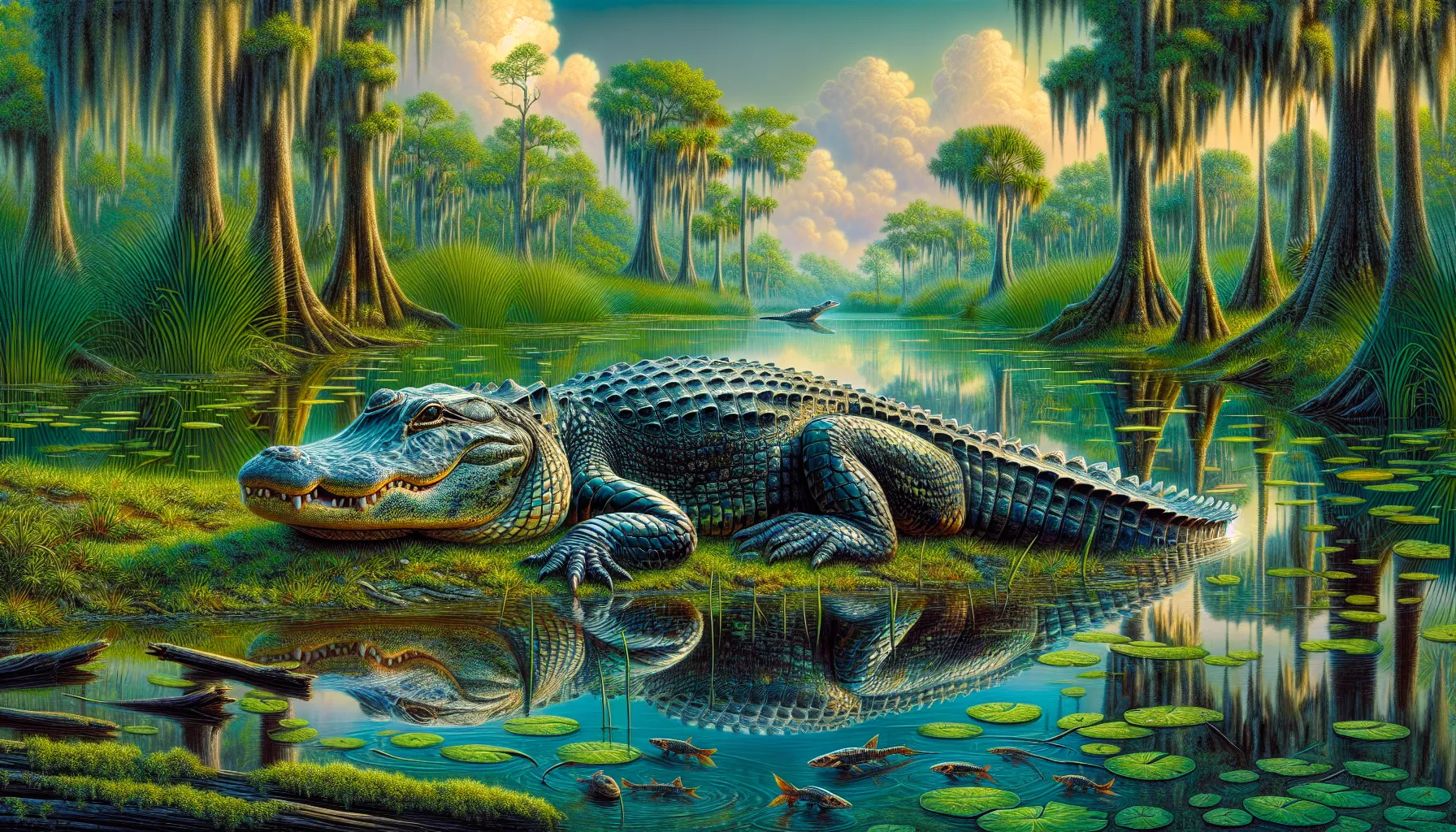
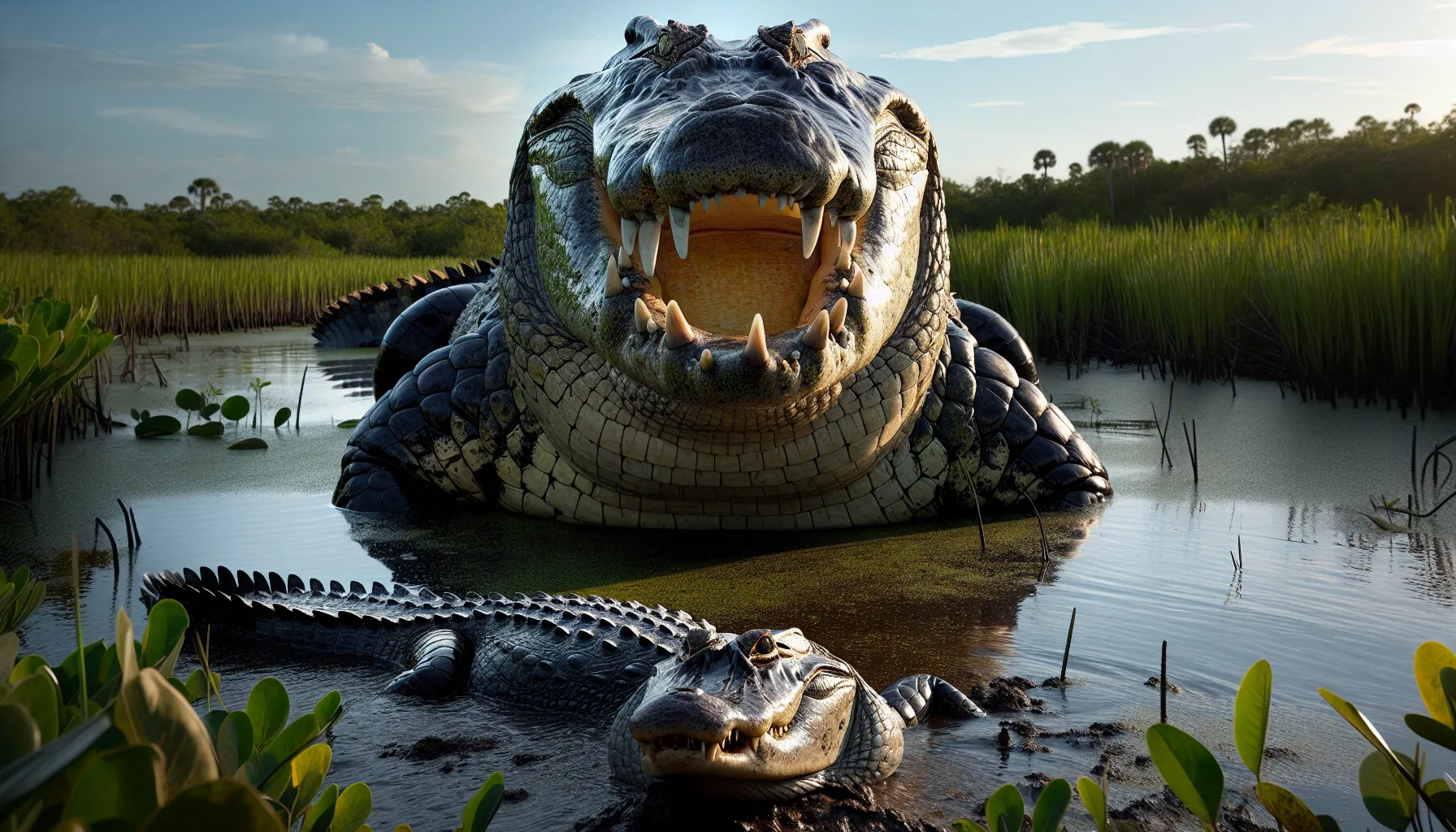
In the world of reptiles, few creatures spark as much intrigue and fear as alligators and crocodiles. With their armored bodies and formidable jaws, both species have evolved into apex predators. But if we were to pit them against each other, which would come out on top? Would the alligator’s stocky build and aggressive nature triumph, or would the crocodile’s longer body and powerful bite secure its superiority? Join us as we jump into various aspects of these remarkable reptiles, uncovering the truths behind their strength and behavior, and settling the age-old debate of who reigns supreme in the waters.
Understanding Alligators and Crocodiles
Alligators and crocodiles, while often mistaken for one another, belong to different families within the order Crocodylia. Alligators belong to the family Alligatoridae, which primarily consists of two species: the American alligator and the Chinese alligator. Crocodiles, on the other hand, belong to the family Crocodylidae, featuring a diverse range of species, including the famous saltwater and Nile crocodiles. Their differences run deep, from anatomical features to behavioral patterns.
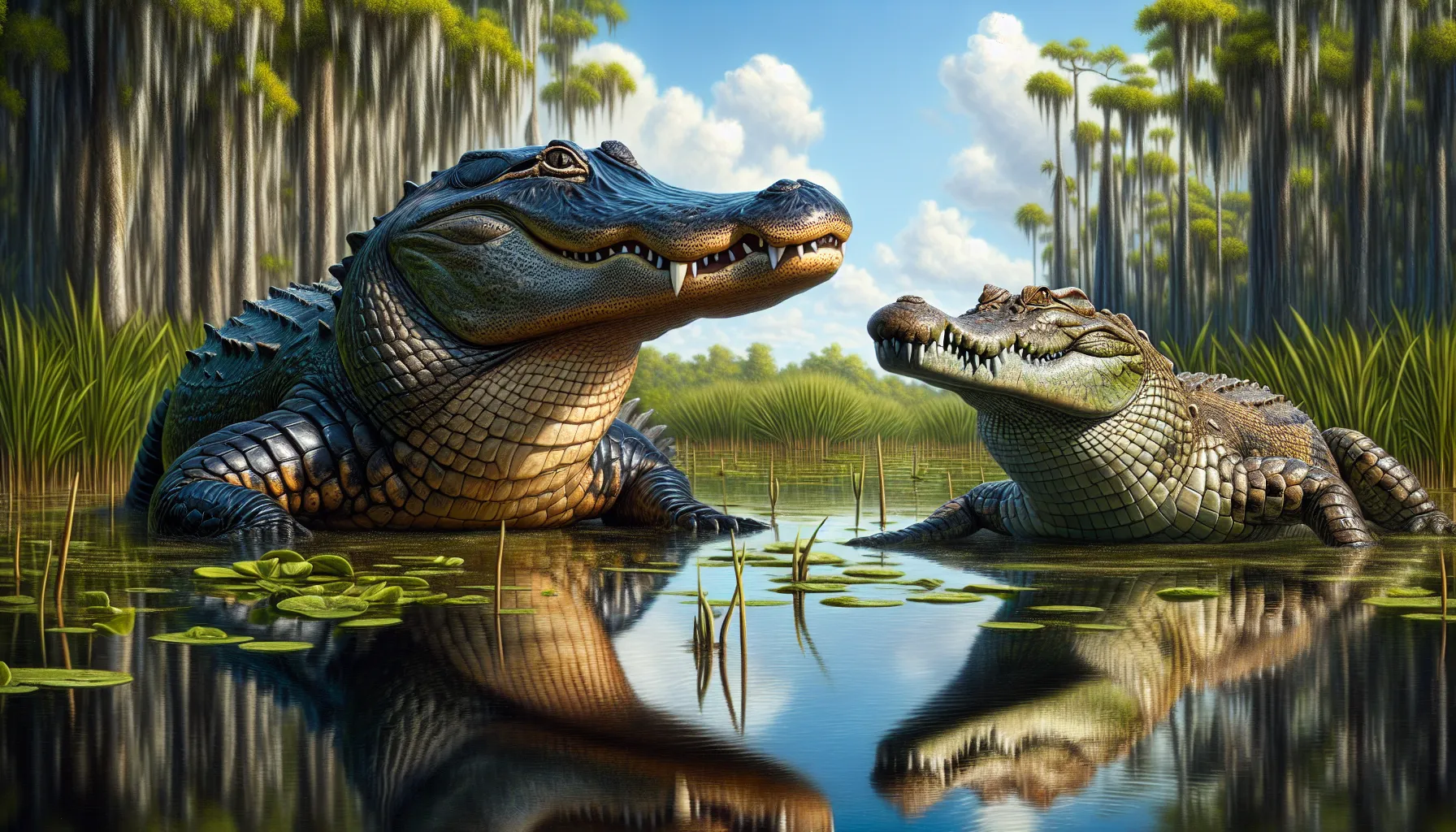
One key distinction is their snouts. Alligators have broad, U-shaped snouts suited for crushing prey, whereas crocodiles exhibit V-shaped snouts that allow for a more varied diet. This simple anatomical difference has significant implications for their hunting strategies and feeding habits. In terms of coloration, alligators typically sport darker, blackish-grey skin, while crocodiles tend to be lighter, often a tan or olive green.
Understanding these foundational differences sets the stage for a deeper exploration into how each species has adapted to their environments and hunting styles.
Physical Characteristics Comparison
When comparing the physical characteristics of alligators and crocodiles, we see that size plays an important role in defining their strength. Typically, crocodiles surpass alligators in length. The largest species, the saltwater crocodile, can reach lengths of over 20 feet, making it one of the most formidable reptiles on the planet. In contrast, the American alligator averages about 13 to 15 feet.
Weight is another critical factor, with adult crocodiles averaging between 1,500 and 2,200 pounds, while American alligators can weigh anywhere from 500 to 1,000 pounds. This difference in size and mass contributes to the crocodile’s reputation as the larger, more powerful animal.
More importantly, we should notice the muscle structure. Crocodiles have a more muscular buildup in their limbs, which aids in both swimming and short bursts of speed on land. Alligators, being stockier, also have considerable muscle mass but are designed more for power than speed.
We can’t forget skin and armor either. Both possess tough, scaly skin, but crocodiles have a unique epidermal structure that provides better protection against abrasions, enhancing their survival rates in harsh environments.
Habitat and Behavior Differences
The habitats of alligators and crocodiles are often touted as a key area of distinction. Alligators prefer freshwater environments such as ponds, marshes, and rivers, predominantly found in the southeastern United States and parts of China. Crocodiles, conversely, thrive in brackish or saltwater habitats, seen in regions like the coasts of Australia, Africa, and Southeast Asia. This adaptability offers crocodiles a wider search area for food, potentially enhancing their strength as predators.
Behavioral differences also play a significant role in the strength dynamics of these reptiles. Territoriality is more pronounced in crocodiles, particularly during breeding seasons. They will aggressively defend their territory against rivals, showcasing their dominant nature. Alligators are territorial too, but their aggression often seems more focused when defending nests or food sources, making their confrontational nature a bit more predictable.
In terms of social interactions, alligators appear to exhibit a more complex social structure, often seen basking alongside each other in groups, while crocodiles prefer solitude or small family units. This can affect their strength in social learning and hunting techniques.
Bite Force Analysis
One of the most compelling indicators of strength in these animals is their bite force. Scientific studies suggest that crocodiles possess the strongest bite of any animal on the planet. In a striking analysis, the saltwater crocodile has recorded bite forces exceeding 3,700 pounds per square inch (psi). In comparison, the American alligator typically boasts a bite force of around 2,900 psi. This substantial difference gives crocodiles a notable edge in terms of raw crushing strength, allowing them to tackle larger prey.
Also, let’s consider what this means in practical terms. A crocodile can dispatch larger prey such as deer or even sharks with its strong jaws. Alligators tend to consume smaller animals, although they can also take down substantial prey, but they usually keep to fish, birds, and small mammals. This ability to tackle larger prey is where the crocodile truly outshines the alligator.
Strength in Predatory Skills
Strength doesn’t merely come from size or bite force: it’s also about hunting techniques and skills. Alligators rely on stealth and ambush tactics. They often hide underwater with just their eyes and nostrils exposed, waiting for the perfect moment to strike. This strategy is evident in their hunting of fish and birds, rendering alligators highly effective predators in their freshwater habitats.
Crocodiles, in contrast, display more diverse hunting techniques. Their adaptability allows them to tackle a wider range of prey in various environments, from land to water. A perfect example lies in their pursuit of land mammals. Crocodiles often lie in wait at the water’s edge before lunging toward unsuspecting animals, using their powerful bodies to drag them into the water.
We can see these unique methods shining through during interactions with humans. When they see a potential threat, their ability to strike quickly can demonstrate their superior predatory skills, asserting their dominance over alligators in many scenarios.
Human Interaction and Safety Considerations
The strength of alligators and crocodiles also influences their interactions with humans. Encounters with crocodiles are known to be particularly hazardous due to their aggressive behavior and territorial nature. Numerous reports indicate that saltwater crocodiles are responsible for more human attacks than alligators, which tend to be less aggressive toward people, preferring to retreat rather than confront.
Interestingly, both species are often misunderstood. While we may imagine alligators as predominantly friendly due to their portrayal in media, they are still capable of inflicting serious harm if provoked. Crocodiles, but, maintain a formidable reputation that aligns with their behavior, giving them the edge in perceived danger.
It is crucial to respect their habitats and understand that their territoriality can lead to dangerous situations. Awareness can often mitigate risks: familiarity with local wildlife can help prevent unwarranted encounters, safeguarding both humans and these incredible creatures.
Conclusion
To conclude, determining whether the alligator or crocodile holds the title of the stronger reptile is complex, reflecting both physical and behavioral attributes. We have seen how crocodiles tend to outsize and outperform alligators in various metrics, from sheer power to predatory skills. But, we also recognize that alligators possess their own strengths within their unique environments. Eventually, it’s important to appreciate these remarkable creatures for their differences rather than simply declaring one as the victor. Their incredible adaptations allow both to thrive in their respective habitats, reminding us of the diverse strengths found in the animal kingdom.
Published: February 8, 2026 at 10:06 am by Ellie B, Site owner & Publisher
To provide the best experiences, we use technologies like cookies to store and/or access device information. Consenting to these technologies will allow us to process data such as browsing behaviour or unique IDs on this site. Not consenting or withdrawing consent, may adversely affect certain features and functions.
Functional
Always active
The technical storage or access is strictly necessary for the legitimate purpose of enabling the use of a specific service explicitly requested by the subscriber or user, or for the sole purpose of carrying out the transmission of a communication over an electronic communications network.
Preferences
The technical storage or access is necessary for the legitimate purpose of storing preferences that are not requested by the subscriber or user.
Statistics
The technical storage or access that is used exclusively for statistical purposes.The technical storage or access that is used exclusively for anonymous statistical purposes. Without a subpoena, voluntary compliance on the part of your Internet Service Provider, or additional records from a third party, information stored or retrieved for this purpose alone cannot usually be used to identify you.
Marketing
The technical storage or access is required to create user profiles to send advertising, or to track the user on a website or across several websites for similar marketing purposes.