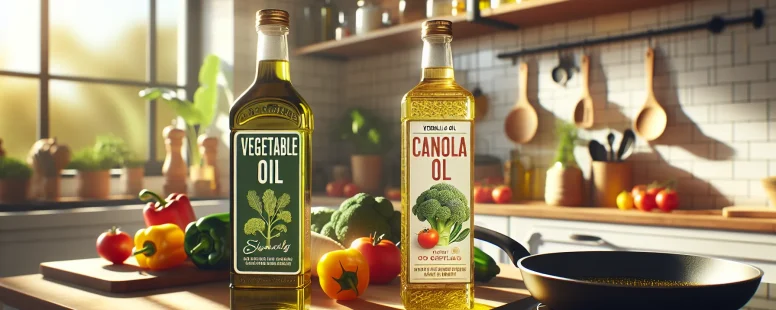
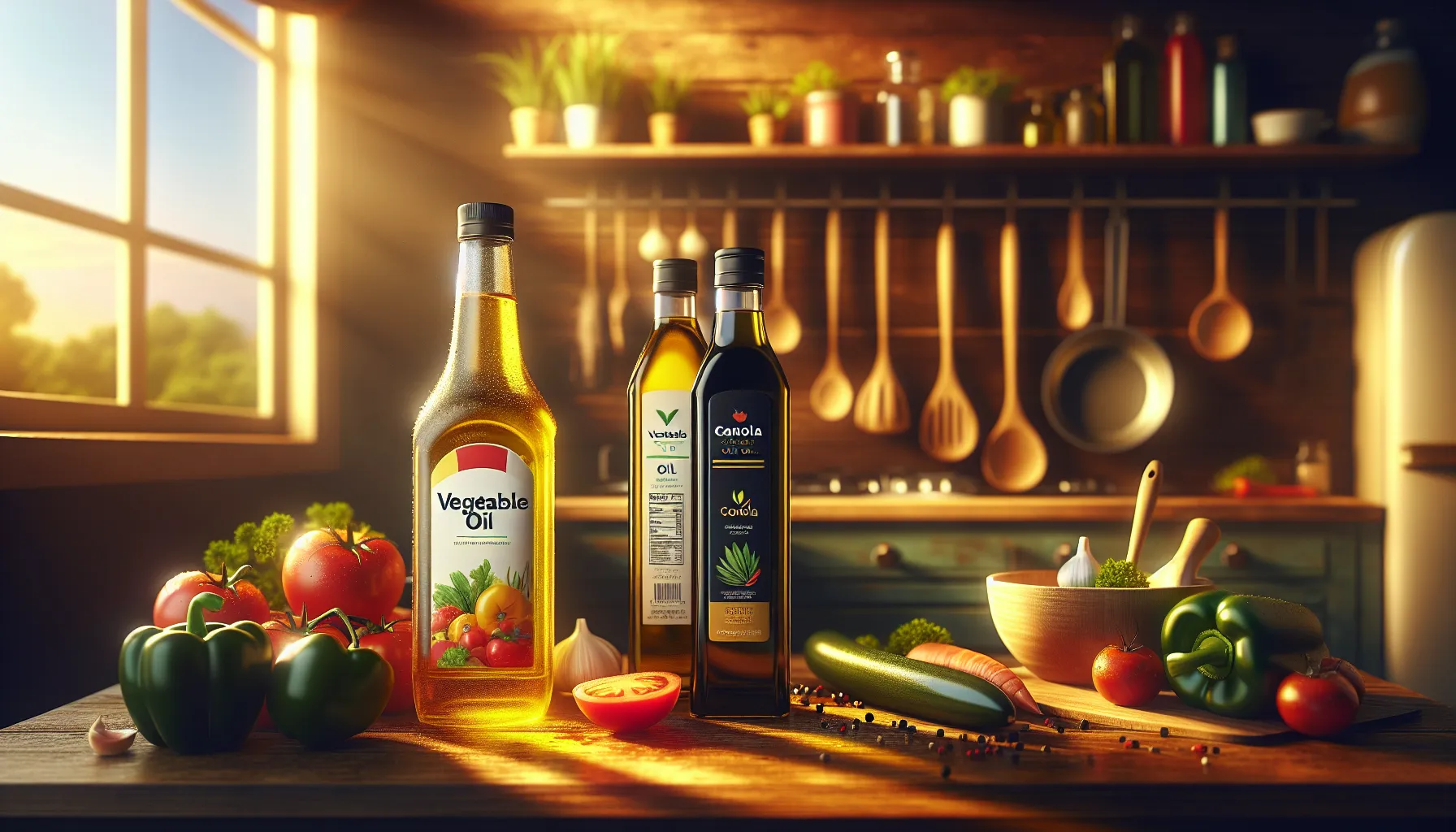
In the bustling world of cooking oils, the debate between vegetable oil and canola oil captures our attention. Imagine stepping into the kitchen, faced with the versatility of both options, but unsure which to choose for our next culinary adventure. What if we told you that the choice goes beyond basic functionality? From differences in flavor profiles to nutritional values and cooking temperatures, understanding these oils can transform our cooking experience. Let’s uncover the nuances that make each option unique and how they can fit into our everyday lives, ensuring we make the best choice for our health and cooking needs.
Understanding Vegetable Oil
Types of Vegetable Oils
Vegetable oil, as a term, actually encompasses a wide variety of oils derived from different plant sources. The most common types include soy, corn, and sunflower oil. Each type boasts its individual characteristics, often influencing their cooking properties and flavors.
Nutritional Profile of Vegetable Oil
Vegetable oils generally contain a blend of polyunsaturated and monounsaturated fats. While they can be a source of essential fatty acids, their nutritional profiles vary by type. For instance, soybean oil is high in omega-6 fatty acids, while canola oil offers a more balanced fatty acid profile.
Culinary Uses of Vegetable Oil
In our kitchens, vegetable oil shines due to its neutrality and high smoke point, making it ideal for frying and baking. We love to use it in salad dressings, marinades, and just about any cooking technique where flavor should not be a dominating factor.
Understanding Canola Oil
Nutritional Profile of Canola Oil
Canola oil, derived from the seeds of the canola plant, has gained popularity for its health benefits. With low saturated fat content and a healthy balance of omega-3 and omega-6 fatty acids, it provides a nutrient-dense option in our cooking arsenal. It’s often touted as one of the healthier cooking oils available.
Culinary Uses of Canola Oil
Similar to vegetable oil, canola oil is incredibly versatile. Its light taste and high smoke point make it excellent for frying, grilling, and baking. We often find ourselves reaching for it when preparing everything from stir-fries to baked goods, appreciating its ability to enhance flavors without overpowering them.
Comparing Vegetable Oil and Canola Oil
Health Benefits of Vegetable Oil vs. Canola Oil
When we consider health impacts, canola oil often comes out on top due to its favorable fat composition and lower levels of saturated fat. But, not all vegetable oils are created equal. For example, some oils, like olive and avocado oils, also provide substantial health benefits.
Environmental Impact of Oil Production
As environmental concerns rise, the production methods of these oils come into play. Canola oil is usually sourced from genetically modified crops, which has sparked debates about sustainability. In contrast, vegetable oils can vary widely in their farming practices, influencing their ecological footprints.
Taste and Cooking Characteristics
From a flavor perspective, canola oil is more neutral, allowing the other ingredients in our dishes to shine. In contrast, some vegetable oils impart distinct flavors, think olive oil and its robust profile. When we select oils, we must keep in mind what culinary experience we aim to achieve.
Choosing the Right Oil for Your Needs
Factors to Consider When Selecting Oil
As we navigate our cooking, several factors guide our choice of oil. Health considerations, flavor preferences, cooking methods, and even dietary restrictions must inform our selections. We often ask ourselves: Do we prioritize taste or health? Are we deep-frying, sautéing, or baking?
Storage and Shelf Life of Oils
Proper storage plays a crucial role in maintaining oil quality. Vegetable oils generally have a shelf life of 6 to 12 months, while canola oil may last longer if kept in a cool, dark place. We have to be mindful of keeping oils airtight to prevent rancidity.
Conclusion
To conclude, both vegetable oil and canola oil offer unique benefits that cater to our varied culinary needs. While canola may provide a healthier choice, vegetable oils’ versatility cannot be overlooked. Eventually, our decision should align with our cooking preferences, health considerations, and sustainability values. By understanding the characteristics of each, we can make informed choices that elevate our culinary experiences and align with our beliefs.
Published: February 26, 2026 at 8:29 pm by Ellie B, Site owner & Publisher
To provide the best experiences, we use technologies like cookies to store and/or access device information. Consenting to these technologies will allow us to process data such as browsing behaviour or unique IDs on this site. Not consenting or withdrawing consent, may adversely affect certain features and functions.
Functional
Always active
The technical storage or access is strictly necessary for the legitimate purpose of enabling the use of a specific service explicitly requested by the subscriber or user, or for the sole purpose of carrying out the transmission of a communication over an electronic communications network.
Preferences
The technical storage or access is necessary for the legitimate purpose of storing preferences that are not requested by the subscriber or user.
Statistics
The technical storage or access that is used exclusively for statistical purposes.The technical storage or access that is used exclusively for anonymous statistical purposes. Without a subpoena, voluntary compliance on the part of your Internet Service Provider, or additional records from a third party, information stored or retrieved for this purpose alone cannot usually be used to identify you.
Marketing
The technical storage or access is required to create user profiles to send advertising, or to track the user on a website or across several websites for similar marketing purposes.