In today’s vibrant tech landscape, two names consistently rise to the top in the smartphone arena: iPhone and Samsung. For many, the decision between these giants can feel like choosing between two competing worlds, each promising unique experiences, advanced technology, and lifestyle integration. As we navigate the features, advantages, and potential drawbacks of both brands, it’s crucial to investigate deep into what truly sets them apart. Are you seeking simplicity and elegance, or do you prefer versatility and customization? Let’s explore these giants in detail to help you discover which one aligns best with your needs.
Overview of iPhone and Samsung
Brand History and Reputation
Apple launched its first iPhone in 2007, revolutionizing the smartphone market with its intuitive touchscreen interface and premium design. Since then, the iPhone has grown to symbolize status and innovation, boasting a loyal customer base. Samsung, on the other hand, released its first smartphone in 2009. Known for its diverse range of devices, Samsung’s reputation hinges on innovation, with features that often push the boundaries of mobile technology.
Market Share and Popularity
Both brands dominate global smartphone sales, with Samsung leading in overall market share thanks to its wide range of devices across various price points. iPhone, while not the market leader, holds significant prestige and is incredibly popular in North America and other key markets, reinforcing its position as a desirable choice among mid to high-end consumers.
Operating Systems Compared
iOS vs. Android Features
The iPhone operates on iOS, known for its seamless integration and user-friendly nature. iOS emphasizes simplicity, making it an appealing choice for those who prefer a straightforward user experience. In contrast, Samsung devices use Android, which offers more flexibility and customization options but can feel overwhelming for some users.
User Experience and Interface
With iOS, we enjoy consistency across updates and an environment that feels cohesive and polished. Android provides an extensive customization ability, allowing us to tailor our devices to fit our preferences, but this can result in a fragmented experience due to varying device capabilities.
Security and Privacy Concerns
Apple takes pride in its security features, frequently updating iOS to address issues swiftly. Samsung, though secure, may sometimes lag in updates, raising concerns about vulnerabilities. Our choice may depend on how much emphasis we place on privacy and security.
Hardware and Design
Build Quality and Aesthetics
When it comes to design, the iPhone presents a sleek and minimalist aesthetic, often featuring materials like glass and aluminum that lend a premium feel. Samsung, particularly with its Galaxy lineup, opts for innovative designs that incorporate curves and vivid colors, capturing a distinct appeal. The choice may boil down to personal taste and how we want our devices to represent us.
Display Technology
Samsung is renowned for its OLED displays, offering vibrant colors and deep blacks, making the visual experience captivating, especially for media consumption. Apple’s Retina displays are bright and accurately reproduce colors, but some may argue that Samsung leads in sheer display innovation.
Camera Capabilities
Photo and Video Quality
Both brands excel in camera technology, but they cater to slightly different users. iPhones are praised for their natural image processing, making them excellent for everyday photography. Samsung cameras, meanwhile, often produce more vibrant photos, catering to those who prefer more striking visuals.
Camera Features and Performance
In recent models, Samsung has introduced features like super-fast zoom and high-resolution sensors that appeal to avid photographers. But, iPhone’s ease of use, even in challenging conditions, remains a strong selling point for users seeking reliability.
Battery Life and Charging
Battery Capacity and Longevity
When evaluating battery life, Samsung often delivers higher-capacity batteries, providing longer usage on a single charge. But, iPhone tends to optimize its energy use effectively, often ensuring a full day of normal activity.
Charging Speeds and Technology
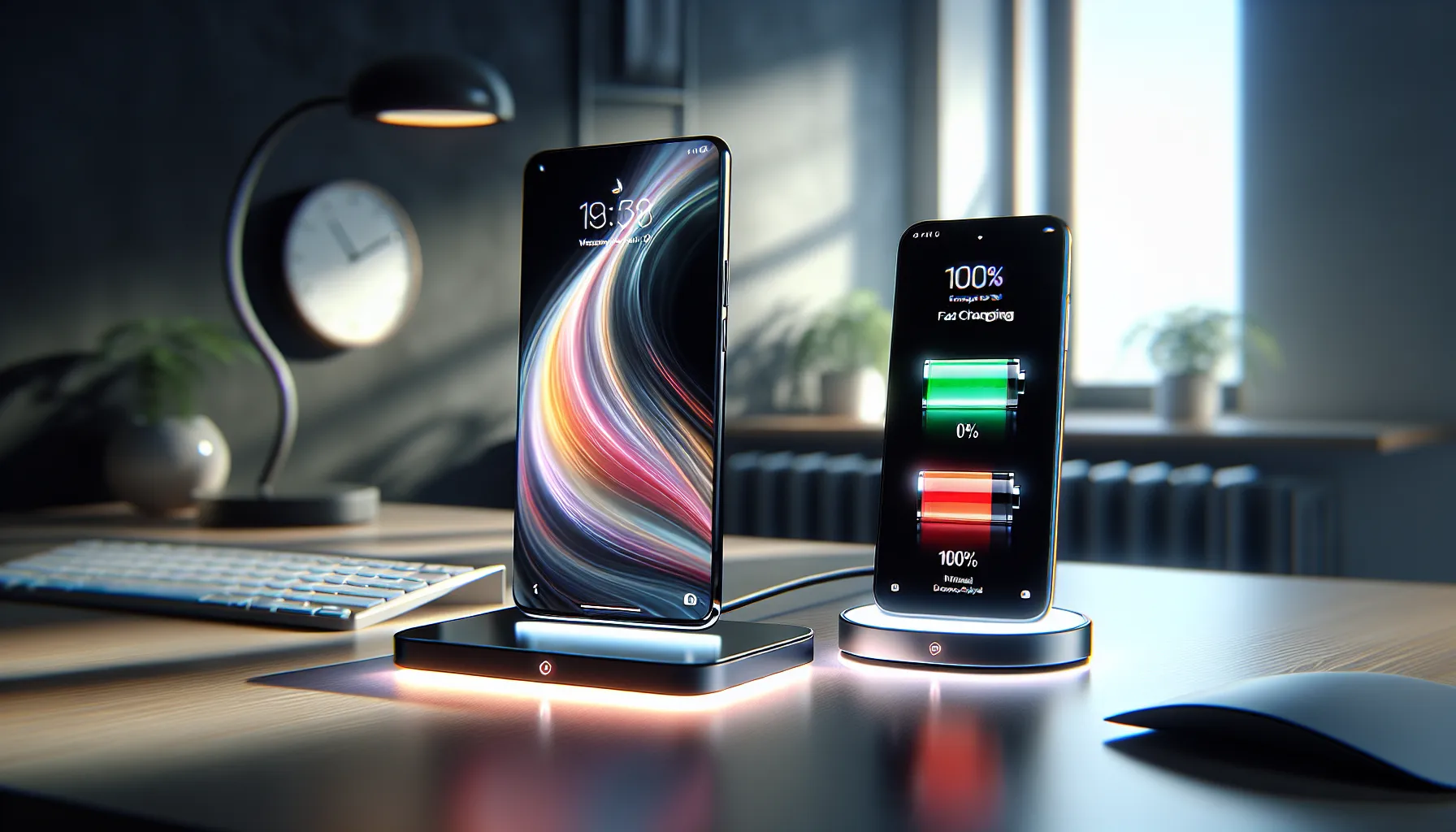
Samsung typically allows for faster charging options, including wireless, while Apple is known for its more conservative approach to fast charging, resulting in a slow-but-steady charge.
Pricing and Value for Money
Cost Comparison
Pricing remains a crucial factor in our decision-making process. iPhones are generally priced higher, reflecting their premium positioning. Samsung’s Galaxy line ranges from budget-friendly to luxurious, giving us a broader array of options depending on our budget.
Long-Term Value and Resale
iPhones tend to maintain their value better over time, making them a sound investment. Samsung devices, while great initially, often depreciate faster. We should consider how long we plan to keep our phone before it’s time for an upgrade.
Ecosystem and Compatibility
Integration with Other Devices
Apple has cultivated a tight-knit ecosystem with its products, allowing seamless interaction between devices like Macs, iPads, and Apple Watches. Samsung, while offering integration between its devices, often requires third-party solutions for optimal performance.
App Ecosystems and Availability
While both ecosystems feature vast app selections, many professionals prefer Apple’s App Store for its stringent quality guidelines, ensuring a smoother experience. But, the Google Play Store offers more variety, arguably making it a better choice for users exploring more niche applications.
Customer Support and Service
Warranty and Repair Options
Apple’s customer support is frequently lauded for its efficiency, often making repairs and troubleshooting straightforward. Samsung is showing improvement in this area, but we might still experience variability depending on our location.
User Feedback and Support Experience
User feedback often highlights the superior support experience from Apple, which can play a crucial role in our decision, especially if we are someone who values excellent customer service.
Conclusion
Eventually, the battle between iPhone and Samsung is subjective, hinging upon personal preferences, lifestyle, and usage requirements. While iPhones shine in simplicity and design, Samsung stands out in customization and variety. As we weigh the pros and cons of each, it’s vital to ask ourselves what truly matters more in our smartphones, the affinity for a cohesive brand ecosystem or the flexibility of Android? This choice is ours to make.
Published: February 27, 2026 at 7:10 pm by Ellie B, Site owner & Publisher
To provide the best experiences, we use technologies like cookies to store and/or access device information. Consenting to these technologies will allow us to process data such as browsing behaviour or unique IDs on this site. Not consenting or withdrawing consent, may adversely affect certain features and functions.
Functional
Always active
The technical storage or access is strictly necessary for the legitimate purpose of enabling the use of a specific service explicitly requested by the subscriber or user, or for the sole purpose of carrying out the transmission of a communication over an electronic communications network.
Preferences
The technical storage or access is necessary for the legitimate purpose of storing preferences that are not requested by the subscriber or user.
Statistics
The technical storage or access that is used exclusively for statistical purposes.The technical storage or access that is used exclusively for anonymous statistical purposes. Without a subpoena, voluntary compliance on the part of your Internet Service Provider, or additional records from a third party, information stored or retrieved for this purpose alone cannot usually be used to identify you.
Marketing
The technical storage or access is required to create user profiles to send advertising, or to track the user on a website or across several websites for similar marketing purposes.