In the bustling world of technology, where our everyday tasks demand speed and efficiency, the ever-present question looms: which brand reigns supreme, AMD or Intel? Imagine launching your favorite game or tackling demanding tasks like editing videos, does the brand of your processor make a noticeable impact? With a colorful history and competitive edge, both AMD and Intel have cemented their places in the CPU market, but the dynamics continue to evolve. What exactly sets these two giants apart, and how can we decide which is the right choice for our needs? Let’s explore these facets and discover the surprising nuances that can influence our computing experience.
Overview of AMD and Intel
Historical Context of CPU Development
Starting from the early days of computing, Intel emerged as a leader with its groundbreaking Pentium series, instantly becoming synonymous with reliable performance. Meanwhile, AMD offered a compelling alternative by emphasizing value and innovative designs. Over the years, both companies have pushed each other, resulting in technological leaps and a product landscape rich in options.
Market Share and Popularity
As of recent studies, Intel still retains a significant lead in market share: but, AMD has gained traction, particularly among gamers and professionals looking for multi-threaded performance. This rise has created an interesting competition, shifting loyalties along the way and sparking passionate debates among tech enthusiasts.
Performance Comparison
Gaming Performance
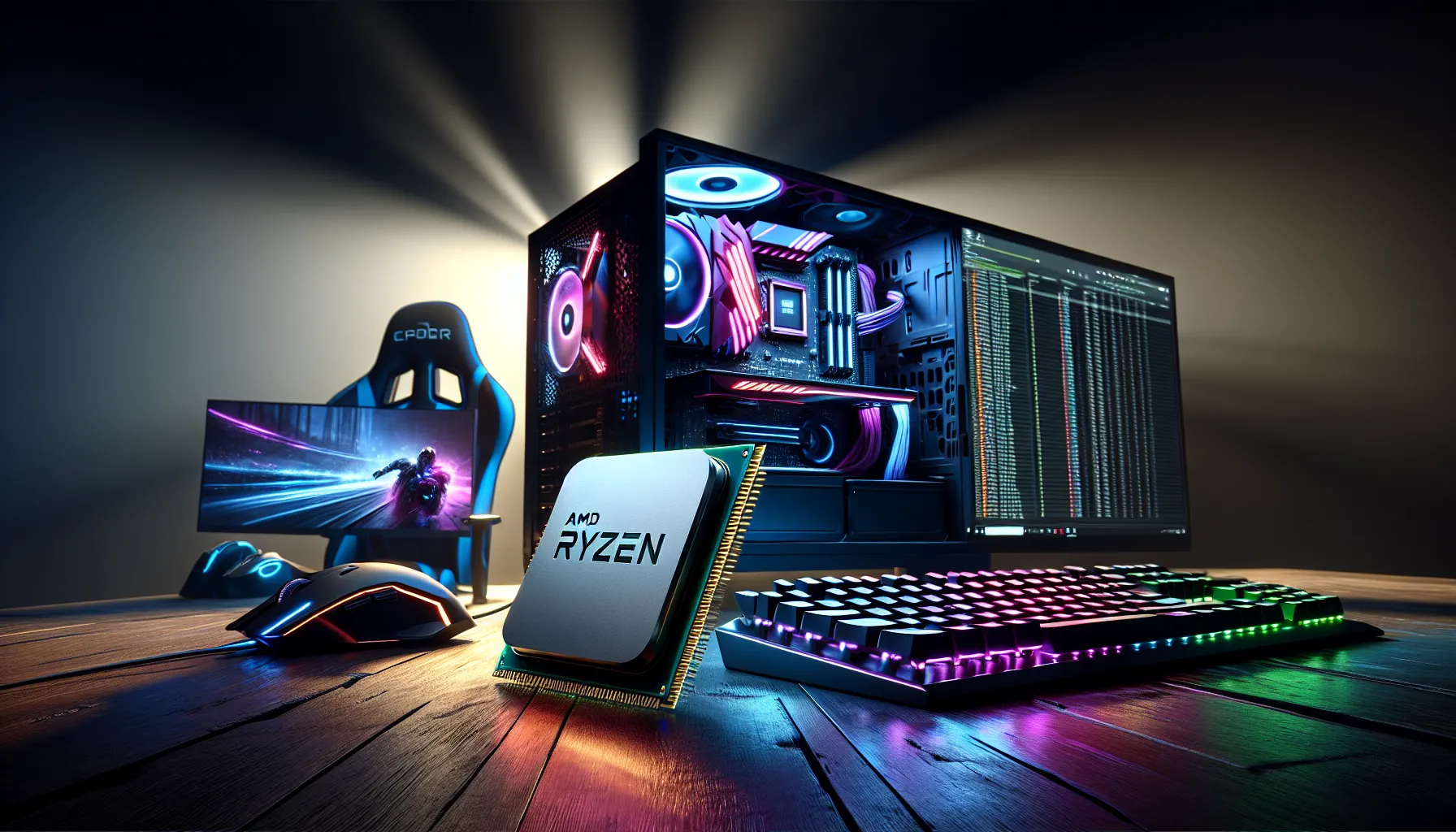
When it comes to gaming, the performance metrics can vary widely between the two. AMD’s Ryzen processors have recently provided tremendous value, offering performance that rivals Intel’s more expensive offerings. For those of us passionate about gaming, this translates to smoother frame rates and better experience without very costly.
Multitasking and Productivity Performance
For multi-core performance, AMD has proven to excel. This advantage shows in scenarios involving data processing or video editing, where the extra cores can handle multiple threads efficiently. Intel, but, excels in single-thread tasks, making it an alluring choice for certain workflows.
Power Consumption and Efficiency
AMD has consistently pushed for efficiency with its Ryzen series, often leading the charge in lower power consumption per performance unit. This efficiency not only cuts energy costs but also results in less heat generation, an aspect many enthusiasts value.
Price-to-Performance Ratio
Budget Options
For budget-conscious consumers, AMD offers an exceptional price-to-performance ratio with its Ryzen 3 and Ryzen 5 series. These processors tend to be cheaper while still offering strong performance, making them an appealing choice for those looking to build a gaming rig on a budget.
High-End Options
On the high-end side, Intel has introduced its Core i9 processors, aimed at professionals and gamers who want elite performance. But, AMD’s Ryzen 9 lineup has proven to deliver comparable, if not superior, performance in certain scenarios while maintaining competitive pricing.
Future Developments and Innovations
Upcoming Releases from AMD
AMD is preparing for its next-generation products with a focus on improved performance and energy efficiency. As the company continues to innovate, we anticipate seeing features that will push the envelope in gaming and professional workloads.
Upcoming Releases from Intel
Intel is also gearing up for a strong lineup of new processors, aiming to close the gap in multi-core performance and further enhance gaming capabilities. Their focus on hybrid architecture may introduce new possibilities in efficiency and power management.
Customer Support and Community
User Experience and Software Compatibility
When considering our options, we must not overlook customer support. Both companies offer good resources, but AMD users often note a more active community providing unofficial support through forums and social media. In terms of software compatibility, both brands provide broad support: but, some specialized software may perform better on Intel due to historical optimizations.
Building and Upgrading Considerations
Choosing between AMD and Intel often depends on our particular needs. If we plan to build or upgrade a system, we should consider not only the CPU performance but also the compatibility with other components, such as motherboards and cooling solutions. This may lead us towards one brand over the other, based on the systems we wish to create.
Conclusion
Eventually, the decision between AMD and Intel doesn’t have a one-size-fits-all answer. We must weigh factors like performance, cost, and future upgrades to determine the best choice for our specific needs. As technology evolves, both brands bring unique strengths to the table, making it essential to stay informed and consider how these innovations align with our personal or professional computing goals.
To provide the best experiences, we use technologies like cookies to store and/or access device information. Consenting to these technologies will allow us to process data such as browsing behaviour or unique IDs on this site. Not consenting or withdrawing consent, may adversely affect certain features and functions.
Functional
Always active
The technical storage or access is strictly necessary for the legitimate purpose of enabling the use of a specific service explicitly requested by the subscriber or user, or for the sole purpose of carrying out the transmission of a communication over an electronic communications network.
Preferences
The technical storage or access is necessary for the legitimate purpose of storing preferences that are not requested by the subscriber or user.
Statistics
The technical storage or access that is used exclusively for statistical purposes.The technical storage or access that is used exclusively for anonymous statistical purposes. Without a subpoena, voluntary compliance on the part of your Internet Service Provider, or additional records from a third party, information stored or retrieved for this purpose alone cannot usually be used to identify you.
Marketing
The technical storage or access is required to create user profiles to send advertising, or to track the user on a website or across several websites for similar marketing purposes.