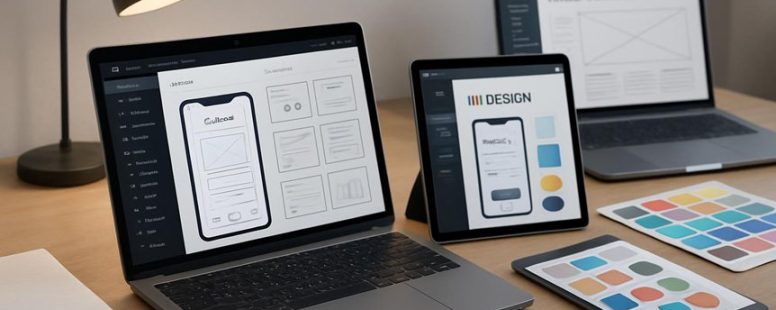
Uxpin Alternatives
Thinking of leaving Uxpin behind? Imagine discovering a tool that fits your workflow like a glove, enhancing every click and drag.
The right alternative can transform your design process, blending creativity with collaboration seamlessly. From advanced prototyping to beginner-friendly platforms, the options are as diverse as colors on a palette.
Surprisingly, some lesser-known tools offer lightning-fast feedback loops, turning your ideas into reality in the blink of an eye.
Let’s explore these contenders and find the perfect match for your creative journey.
Key Features to Evaluate in Uxpin Alternatives
When you look for Uxpin alternatives, you need to know what features really matter. First, user experience is key. Pick a tool that is easy to use and helps you design faster, not slower. If the tool feels complicated, it will waste your time. Second, design flexibility is important. You want a platform that works for wireframes, prototypes, and high-quality designs. For example, some tools focus only on simple wireframes, but others let you create detailed prototypes. Third, collaboration features matter. Make sure you and your team can work together easily without sending endless emails or files back and forth. Also, check if the tool connects well with other programs you use, like Slack or Jira. Good integration saves time and avoids errors. Lastly, think about responsiveness and interactive features. Your designs should work on different devices and include interactive parts that show how users will actually experience your app or website. These features help you choose the right tool. But remember, no tool is perfect. Some may be simple but lack advanced features. Others might be powerful but hard to learn. Be honest about what your team really needs before making a choice.
Choosing the Best Uxpin Alternative for Your Workflow
If you want to find the best Uxpin alternative, you need clear ways to compare tools. First, look at design flexibility. Your chosen software should let you create your ideas easily, not make you fight with it. For example, some tools like Figma are known for their flexible design options. Second, consider user experience. A simple, easy-to-use interface helps you work faster. Imagine trying to use a complicated app that wastes your time—nobody wants that. Third, check if the tool works well with other software you already use. Integration with tools like Slack or Jira keeps your work smooth.
It’s also smart to see what other users say about the tool. Active community support means you can get help fast if you get stuck. For example, tools like Adobe XD have large communities that share tips and tricks. Fourth, think about how well the software manages projects. Does it let you organize tasks and keep deadlines? Good project management features save you from losing track of work.
Some people prefer certain tools over others because they fit different needs. For example, some users might choose Sketch because it’s great for Mac users, but it might lack some collaboration features found in Figma. Be aware of these limits when choosing.
In the end, the right alternative should match your way of working. It should make teamwork easier and help you produce better designs faster. Picking a tool that balances flexibility, user experience, and integration helps you spend more time creating and less time fixing problems.
Best Uxpin Alternatives for Beginners
Choosing the right design tool is key for beginners. The best tools are simple to use, have clear layouts, and don’t ask you to learn complicated menus. For example, Figma and Canva are popular because they are easy to understand. They give you enough features to make prototypes but don’t overwhelm you with options.
If you are new to UX design, look for alternatives that come with helpful tutorials and simple interfaces. These tools help you learn faster because you spend less time figuring out how to use them. Instead, you can focus on understanding design rules and ideas.
Some people may think that easy tools are not powerful enough. That’s true sometimes. You might find that more advanced tools like Adobe XD or Sketch offer more features but can be harder to learn. If you want to grow quickly, start with beginner-friendly options. As you improve, you can try more complex tools later.
Affordable Uxpin Alternatives for Budget Designers
If you are looking for design tools that save money but still work well, here are four good options. These tools are easy to use and won’t hurt your wallet. They are perfect for designers who want to create great projects without spending a lot.
- Figma – The best free option with many features. It lets you work with others in real time, making teamwork easy. Even the free plan offers enough tools for most projects. Some say it can get slow with big files, so be careful if your team grows large.
- Canva – Known for its simple drag-and-drop setup. It’s perfect for quick designs and small projects. But if you want very detailed or complex designs, Canva might not have all you need. Still, it’s great for beginners and quick tasks.
- Gravit Designer – This tool offers full vector design features. Its free version covers most needs, including creating logos and icons. Some users find the interface a little clunky at first, but it’s powerful once you get used to it.
- Lunacy – A free, offline tool that works on Windows. It’s lightweight and easy to learn. You can make prototypes and design files without internet. But since it’s a newer tool, some advanced features are missing compared to bigger names.
These options keep costs low and still give you the chance to be creative. But remember, they each have their limits. For example, free plans may have restrictions or fewer tools. So, choose what fits your project and budget best. Do you want simple, fast, or more advanced? Think about your needs before picking one.
Uxpin Alternatives With Advanced Prototyping Features
Advanced prototyping tools go beyond basic features and help you create more realistic and interactive designs. These tools are great if you want prototypes that feel close to real user experiences. They include options like adding animations, making parts change based on user input, and designing for different screen sizes. For example, some tools let you create animations that show how a button reacts when clicked, or make parts of your app respond differently depending on what the user does.
Using these features can save you time because you find problems early and fix them before coding begins. However, some tools with advanced features can be complicated to learn and might be more expensive. If you just need simple prototypes, these tools might be overkill.
Two popular alternatives to Uxpin are Figma and Adobe XD. Both offer strong prototyping options, but Figma is known for its real-time collaboration, while Adobe XD is often praised for its ease of use. Keep in mind that if you want to test very complex interactions or incorporate dynamic data, make sure the tool you choose can handle that.
In the end, picking the right prototyping tool depends on what you need. If you want highly realistic and interactive prototypes that closely mimic real apps, look for tools with animation, conditional logic, and responsive design features. They can make your ideas feel more real and help catch issues early, but be prepared for a learning curve and higher costs. Using the right tool helps you create better user experiences from the start, making your finished product more polished and user-friendly.
Collaboration-Focused Uxpin Alternatives for Teams
When teams need to work closely and get things done fast, picking a good collaboration tool for prototyping can really help. Some tools are better for remote teams because they make sharing ideas and giving feedback simple. Here are four important features to look for in alternatives to Uxpin that focus on teamwork:
- Real-time editing lets everyone work on the project at the same time without confusion. Imagine a team editing a design together, like a group drawing on the same whiteboard. This saves time and avoids mix-ups.
- Built-in comments and notes keep feedback clear and easy to organize. Instead of emails or scattered messages, team members can leave comments directly on the design, making it easy to follow what needs fixing.
- Integration with chat platforms like Slack or Microsoft Teams makes sharing updates quick. If your team already chats there, choosing a tool that connects with these apps keeps everything in one place, saving time.
- Version control keeps track of what changes are made and lets the team go back if needed. Imagine accidentally deleting a good idea — version control allows you to restore previous versions easily.
Some tools might offer different strengths. For example, Figma is known for real-time collaboration, but it can be slow on older computers. Miro is great for visual teamwork but might lack deep version control. Be sure to pick a tool that matches your team’s needs, not just what looks fancy.
In the end, the best collaboration tools simplify teamwork, make feedback clear, and fit your workflow. Remember, no tool is perfect — some might have limits or require a learning curve. Always test a few options before choosing one for your team.
Uxpin Alternatives Made for Design Systems
A good prototyping tool for design systems should support the way you keep your brand consistent and speed up work. The best Uxpin alternatives are those that connect smoothly with design systems. They let you keep one central source of truth for your components. This helps make sure all parts stay the same and any updates show up right away. That saves time and stops mistakes. Some tools also let you get feedback from users directly inside the prototypes. This makes making changes faster and easier.
If you want a tool that keeps your design system strong while helping your team work better and share ideas faster, look at these alternatives. They make your workflow easier without losing control of your brand. Your design system becomes a real asset, not just a set of rules.
But be careful. Some tools claim to support design systems well, but they might not handle updates smoothly or may lack good sharing features. Always test if a tool really fits your needs before switching. Remember, a tool is only good if it helps you stay consistent and work faster, not just if it looks fancy.
Tips for Switching From Uxpin to a New Tool
Switching from Uxpin to a new design tool is a big step. Here’s what you should do to make the change smooth and successful:
- Get feedback from your team first. Ask them what features they really need. For example, if your designers rely on specific collaboration tools, make sure the new one has them. This helps avoid regrets later.
- Check how well the new tool works with your current assets. Will you be able to move your files easily? Will the quality stay the same? For example, if you’re switching from Uxpin to Figma or Adobe XD, see if they support your existing projects without losing details.
- Try out the new tool with a small project first. This way, you can see if it fits your workflow before switching everything over. Like testing a new app on a single task before using it for your main project.
- Train your team well. Make sure everyone knows how to use the new tool. This will cut down on mistakes and confusion. A quick workshop or tutorial can help get everyone on the same page.
Some people might say switching tools is easy, but it’s not always that simple. You might find some features missing, or your team might take time to get used to it. Be ready for some bumps along the way.
Remember, what works for one team might not work for yours. It’s worth comparing tools carefully and not rushing the switch. When done right, it can save time and improve your design process, but rushing could cause delays or frustration.
—
Adversarial perspectives:
Ruthless Competitor: They might claim their tool is the best, but what about compatibility? They could overlook that many teams depend on existing assets. Also, their success stories are often exaggerated. Better to test with your own team before jumping in.
Cynical Consumer: I’ve seen promises like this before. Switching tools sounds simple, but it’s just a way to sell new software. Most times, it’s more trouble than it’s worth. I want real proof it saves time, not just marketing fluff.
Distracted Scroller: I’d want to see a quick example or demo. If it looks complicated or takes forever to learn, I won’t bother. Keep it short and show me how it makes my work easier, not harder.
Combined verdict: Keep the advice straightforward, warn about possible pitfalls, and give practical steps without overpromising. The key is to test first, involve your team, and be prepared for some hiccups.

- CFRA Competitors: Top Financial Research Alternatives - September 18, 2026
- Uxpin Alternatives - September 18, 2026
- SSENSE Competitors: Top Luxury Fashion E-Commerce Sites - September 17, 2026
by Ellie B, Site Owner / Publisher