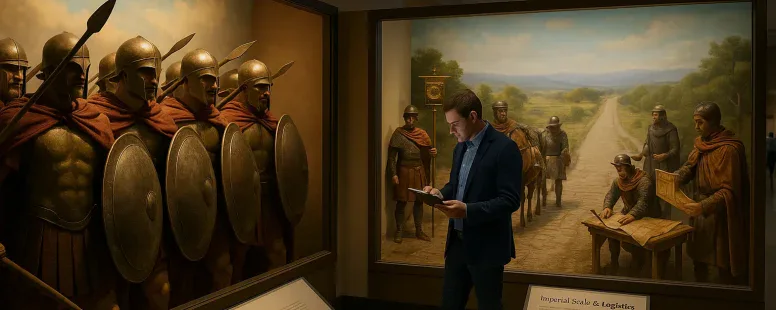
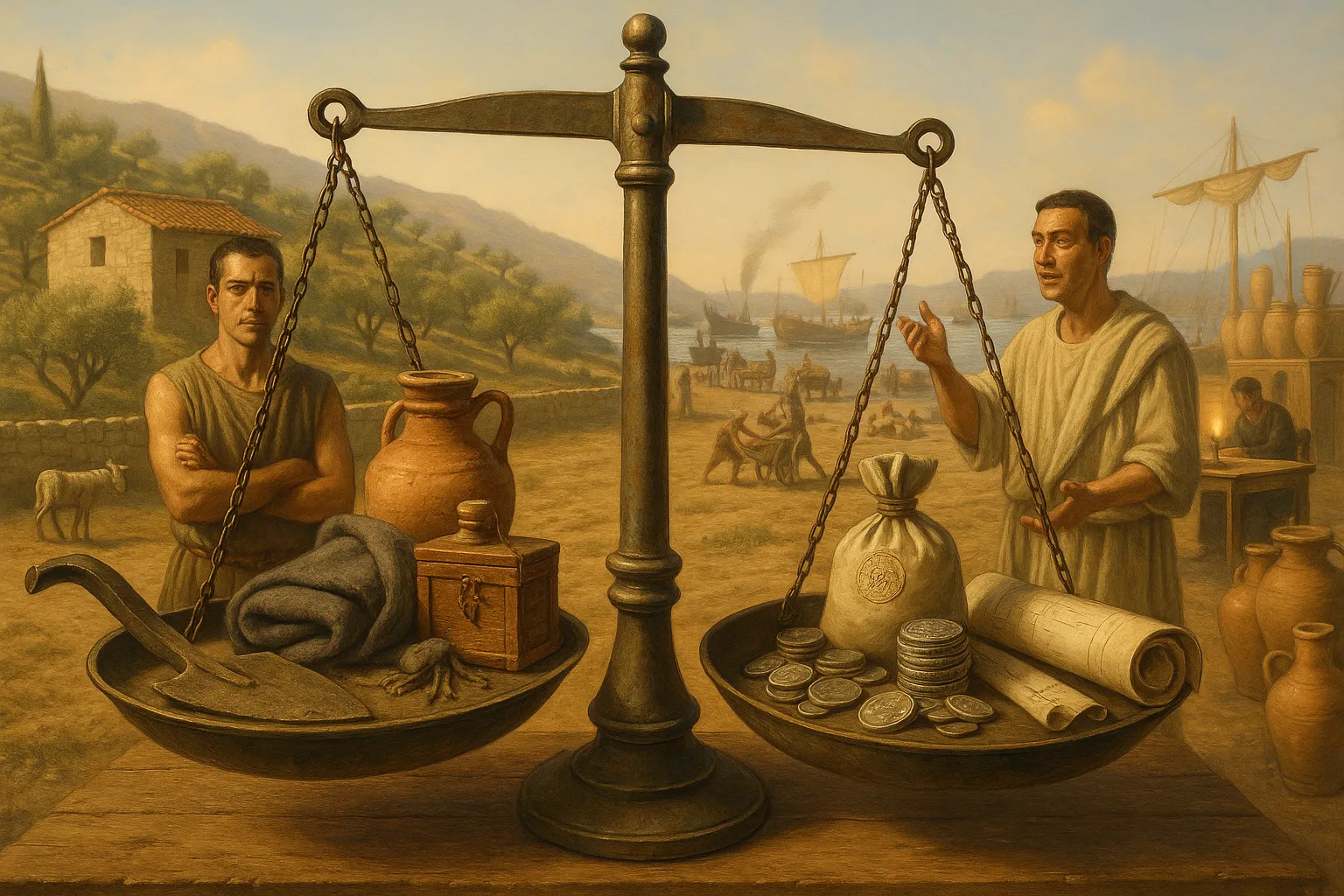
You see them in films and textbooks: the compact phalanx and the sprawling imperial road. At first glance, Sparta and empires like Rome or Persia seem like opposite answers to the same problem, how to organize men, money, and meaning so a state survives. This article compares the two models not as heroic caricatures but as functional systems: one built on concentrated civic discipline and the other on scale, integration, and resource extraction. Expect tactical details, blunt assessments of social pain, and concrete lessons you can apply to organizations or teams today.
Historical Context And Key Examples
Fact: Sparta is a Greek city‑state centered on Lakonia: empires are large polities that control diverse regions, such as the Achaemenid Persian Empire, Alexander’s Hellenistic realms, and the Roman Empire.
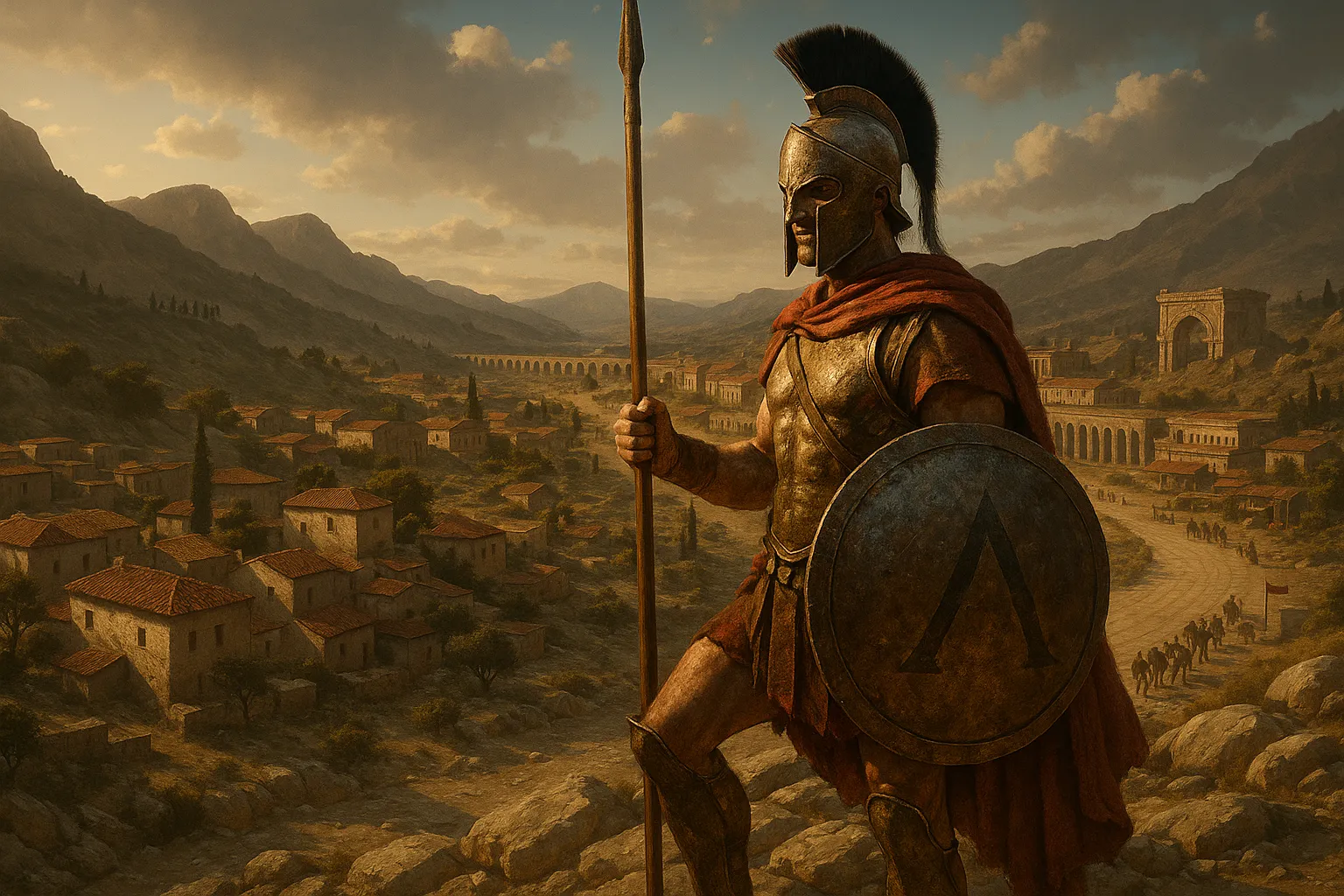
Sparta rose in the 7th–5th centuries BCE as a land power in the Peloponnese. You should picture compact towns, long-standing rivalries with Athens, and decisive battles like Thermopylae and Plataea. By contrast, the Achaemenid state (c. 550–330 BCE) stretched from Anatolia to the Indus. Rome expanded from a city on the Tiber into an imperial system spanning Europe, North Africa, and the Near East.
You’ll notice different drivers. Sparta stabilized a narrow geographic base with a rigid social order. Empires grew by conquest, absorbed elites, and layered administration. Each model answered specific historical pressures: Sparta aimed for internal cohesion and battlefield dominance: empires aimed for revenue, political control, and cultural integration.
A vulnerable moment: Sparta’s manpower shortage after the Peloponnesian War shows a civic system can crumble under demographic strain. Rome’s crisis of the 3rd century CE shows empires can fracture when logistics, finances, and political legitimacy fail together. Both examples teach you that institutions break where you least expect them.
Political Structures: City‑State Oligarchy Versus Imperial Rule
Fact: Sparta had an oligarchic system with two kings and a council: empires used hierarchical administration with appointed governors.
Sparta’s constitution combined dual kingship (the Agiad and Eurypontid houses), the gerousia (council of elders), and the ephorate (five magistrates). Power concentrated in a narrow elite you could name and confront. Decisions moved fast. You can see how that clarity gave Sparta consistent military policy, but it also limited innovation and broadened the inequality gap.
Empires like Rome relied on senatorial structures early and later on imperial bureaucracy and provincial governors (proconsuls, legates). The Achaemenids used satraps and royal inspectors. Empire rule trades local autonomy for centralized oversight. You get scale, but you also create layers where corruption, miscommunication, and regional variation flourish.
Ask: who holds accountability? In Sparta it is visible but exclusive. In empires it is dispersed and often opaque. That shift changes incentives, and it molds elites differently. When you design organizations, note this tradeoff: speed and cohesion vs. reach and adaptability.
Military Organization And Combat Doctrine
Fact: Spartan military doctrine centered on citizen hoplites and the phalanx: empires used mixed forces, auxiliaries, cavalry, and logistics to project power.
Spartan Military Training And Society
Fact: Sparta trained boys through the agoge to be heavy infantry.
The agoge made you disciplined, physically hardened, and loyal to your mess group (phiditia). Training prioritized collective action over individual heroics. The hoplite phalanx rewarded discipline and cohesion. You must realize that this system demanded sacrifice: reduced private wealth, strict social norms, and scarce latitude for personal ambition. Sparta’s strength came with social costs you seldom see in imperial armies.
Imperial Armies, Logistics, And Force Projection
Fact: Empires fielded diverse units and emphasized supply, roads, and naval power.
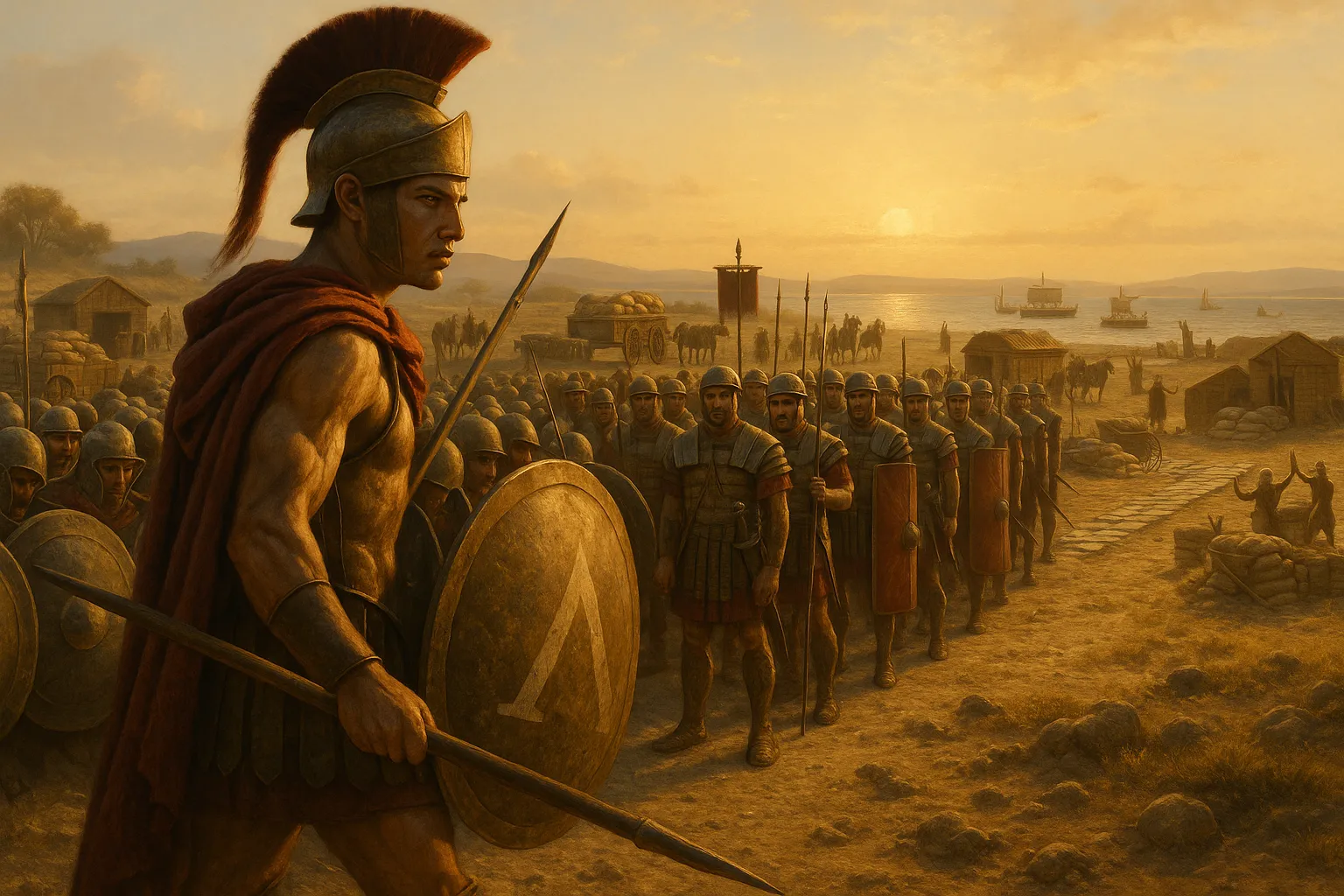
Rome combined legions, auxilia, and fleets to hold broad frontiers. The Achaemenids relied on cavalry and regional levies. Empires invested in infrastructure, roads, bridges, granaries, to ensure movement and resupply. Where Sparta relied on local mobilization, empires built institutions to move forces across continents. Logistics became a strategic weapon.
Tactics, Technology, And Battlefield Adaptability
Fact: Empires often embraced tactical flexibility and new technologies faster than Spartan conservatism allowed.
Sparta kept a proven formula: empires adapted to new troop types and siegecraft. When Macedon innovated with the sarissa and combined arms, the rigid Spartan method showed limits. Empires could absorb technology from subject peoples, which made them dangerous in the long term.
You should see the pattern: Sparta’s doctrine made you unbeatable in certain conditions, but empires could change the conditions.
Social Structure, Daily Life, And Civic Identity
Fact: Spartan society prioritized martial citizenship and shared mess life: empires housed multiple civic identities under imperial institutions.
Education, Citizenship, And Civic Rituals
Fact: Spartan education emphasized communal rites and military ethos: empires used legal status and local institutions to incorporate peoples.
In Sparta, your identity formed in the agoge and communal meals. Loyalty to the polis came before family. In empires, citizenship could be legal and layered: Roman citizenship, for example, was granted to communities and individuals to bind elites. Rituals varied by city and culture, giving empires cultural flexibility but sometimes weaker civic cohesion.
Role Of Women And Family Life
Fact: Spartan women had relatively greater property rights and public roles compared with many ancient societies: imperial women’s roles varied widely.
Spartan women managed estates because men served in arms. You’d find taller, more active women in Laconia than in many contemporary states. In Rome, elite women like Livia or Agrippina influenced politics indirectly, while ordinary women’s lives depended on local customs and class. Both systems created gendered tradeoffs between authority and constraint.
Slavery, Labor Systems, And Social Mobility
Fact: Both Sparta and empires relied on coerced labor: empires developed complex taxation and labor extraction systems.
Sparta depended on helots, state serfs who farmed land for Spartiate citizens. Helot revolts were a constant hazard. Empires taxed provinces, requisitioned corvée labor, and integrated local elites into revenue systems. Mobility existed in empires through patronage and citizenship grants: Sparta offered almost no upward path for outsiders. That difference shaped resilience under stress.
Economy, Resources, And Sustaining Power
Fact: Sparta’s economy was narrow and land-centered: empires used diversified trade, taxes, and tribute to fund scale.
Landholding, Agriculture, And Local Wealth In Sparta
Fact: Spartiate citizens held land allotments (kleroi) that supported their status.
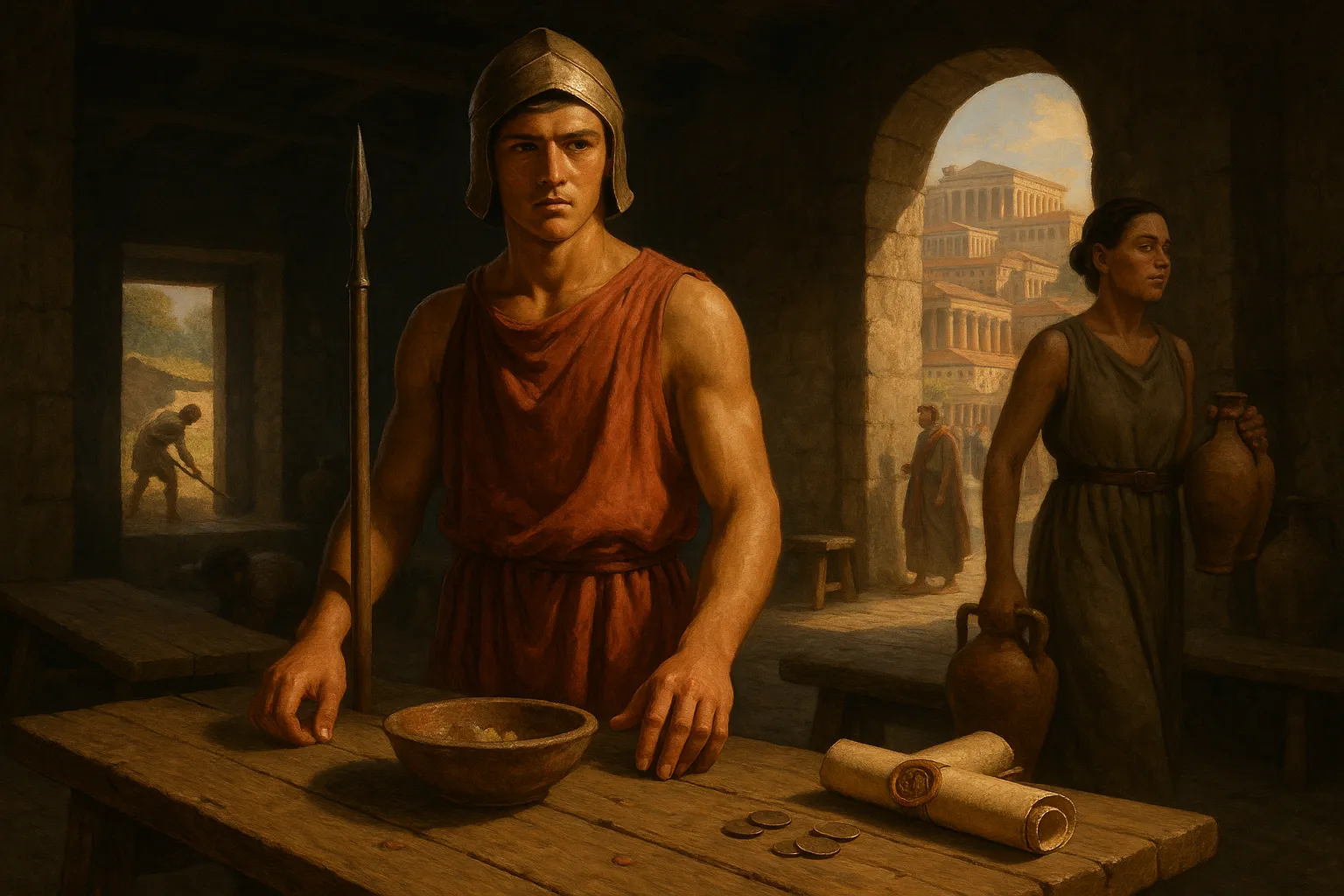
Those allotments funded the military lifestyle. You must note: Sparta discouraged commerce and luxury, which limited wealth accumulation and demographic growth. Fiscal simplicity kept social order but starved demographic renewal.
Taxation, Trade Networks, And Resource Extraction In Empires
Fact: Empires taxed provinces, regulated trade, and extracted resources through formal mechanisms.
Rome levied provincial taxes, minted coin, and controlled grain supply to feed cities. The Achaemenids collected tribute and used courier systems to move wealth. Empires could scale armies because they tapped diverse revenue sources. But scaling also meant vulnerability: a bad harvest, pirate activity, or tax revolt could crack the system.
Strengths, Weaknesses, And Strategic Tradeoffs
Fact: Spartan systems excelled at cohesion and battlefield performance: empires excelled at resource mobilization and long-term control.
Resilience, Flexibility, And Institutional Limits
Fact: Sparta was resilient in focused conflicts: empires were resilient to regional shocks but fragile to systemic crises.
Sparta’s institutional tightness gave brief but decisive advantages. Yet it lacked flexibility, when demographics or economic pressures changed, Sparta’s institutions were slow to adapt. Empires adjusted by recruiting provincials, reforming taxation, or changing administrative practices. But empires accumulated bureaucracy and dependencies that sometimes collapsed all at once.
When Spartan Models Succeeded And When Empires Prevail
Fact: Spartan models work where the objective is defensive dominance and social unity: empires prevail where integration across distance and resource mobilization matter.
Use cases: If you need a small, cohesive strike force or a high-trust team, a Spartan-like model can win. If you need scale, supply chains, and the ability to absorb shocks across regions, such as Rome during the Punic Wars, an imperial model wins. The practical lesson is simple: match strategy to structure. Don’t expect Spartan discipline to create rapid economic growth: don’t expect imperial scale to guarantee loyalty.
Legacy, Cultural Influence, And Modern Perceptions
Fact: Spartan image emphasizes martial virtue: empires shape law, language, and infrastructure across centuries.
Historical Memory, Myths, And Literary Portrayals
Fact: Spartan myths (Thermopylae) and Roman narratives (Pax Romana) shaped later identities.
Sparta became a symbol of austerity and courage in works by Plutarch and later Western historiography. Empires offered institutions that persisted: Roman law, Latin, and road networks influenced medieval and modern Europe. Modern culture simplifies both: you see Spartans in movies and empires in grand narratives, often divorced from nuance.
Lessons For Modern Organizations And Military Thought
Fact: The core lesson is to align structure with mission.
If you run a startup, you might favor Spartan-like focus: tight teams, clear roles, and discipline. If you manage a multinational, you need imperial tools: regional offices, distributed decision-making, and complex logistics. In military thought, small-unit cohesion matters, but so does joint logistics and sustainment. Be honest about tradeoffs. Sometimes you must choose which sacrifices to accept, just like Sparta did when it limited trade, or Rome did when it raised taxes. That honesty will save you from ironic failure.
A final provocation: you can borrow from both. Create a core ‘phalanx’ team with empire-grade support systems. That hybrid often outperforms pure models.
To provide the best experiences, we use technologies like cookies to store and/or access device information. Consenting to these technologies will allow us to process data such as browsing behaviour or unique IDs on this site. Not consenting or withdrawing consent, may adversely affect certain features and functions.
Functional
Always active
The technical storage or access is strictly necessary for the legitimate purpose of enabling the use of a specific service explicitly requested by the subscriber or user, or for the sole purpose of carrying out the transmission of a communication over an electronic communications network.
Preferences
The technical storage or access is necessary for the legitimate purpose of storing preferences that are not requested by the subscriber or user.
Statistics
The technical storage or access that is used exclusively for statistical purposes.The technical storage or access that is used exclusively for anonymous statistical purposes. Without a subpoena, voluntary compliance on the part of your Internet Service Provider, or additional records from a third party, information stored or retrieved for this purpose alone cannot usually be used to identify you.
Marketing
The technical storage or access is required to create user profiles to send advertising, or to track the user on a website or across several websites for similar marketing purposes.