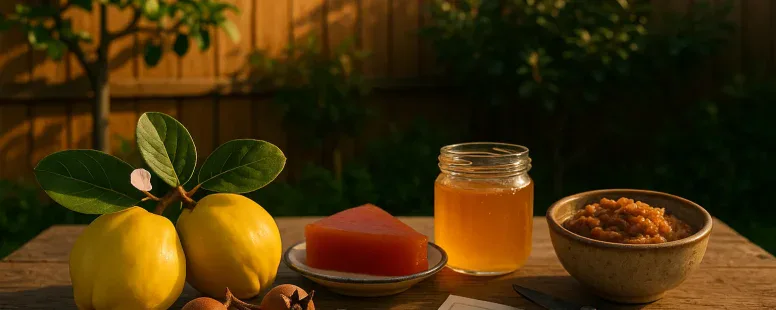
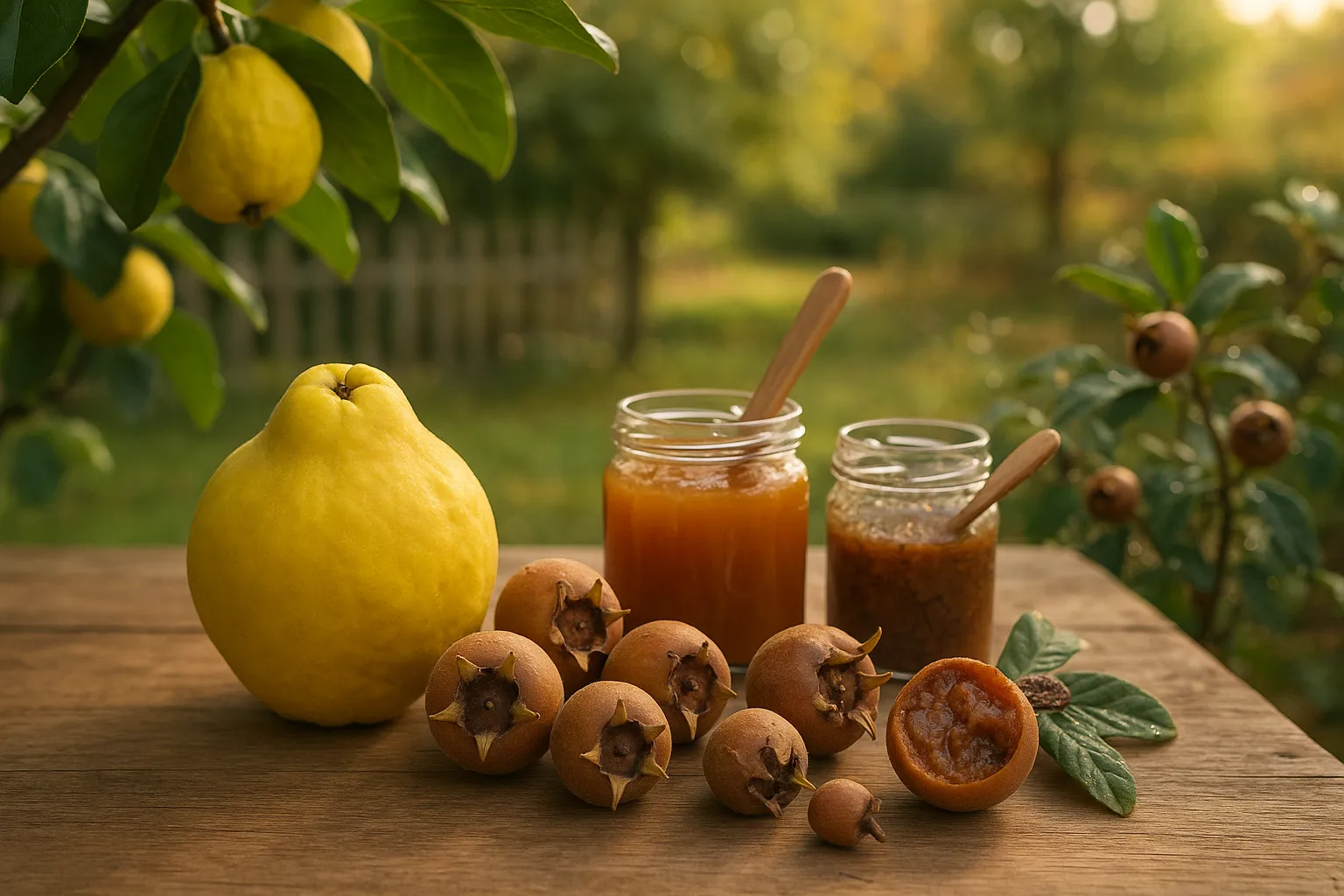
You can grow both quince and medlar in a small garden, but they offer very different returns to your table. One gives aromatic, hard fruits that transform into golden jellies: the other yields softer, brown fruits that require bletting before they become edible. In this comparison you’ll learn clear differences in taste, growth, care, and kitchen uses, plus honest trade-offs gardeners often ignore. Expect practical tips, crisp examples, and a few real mistakes I made while testing recipes, so you don’t repeat them.
Quick Comparison At A Glance
Fact: Quince and medlar are distinct species with different harvest behaviors and uses.
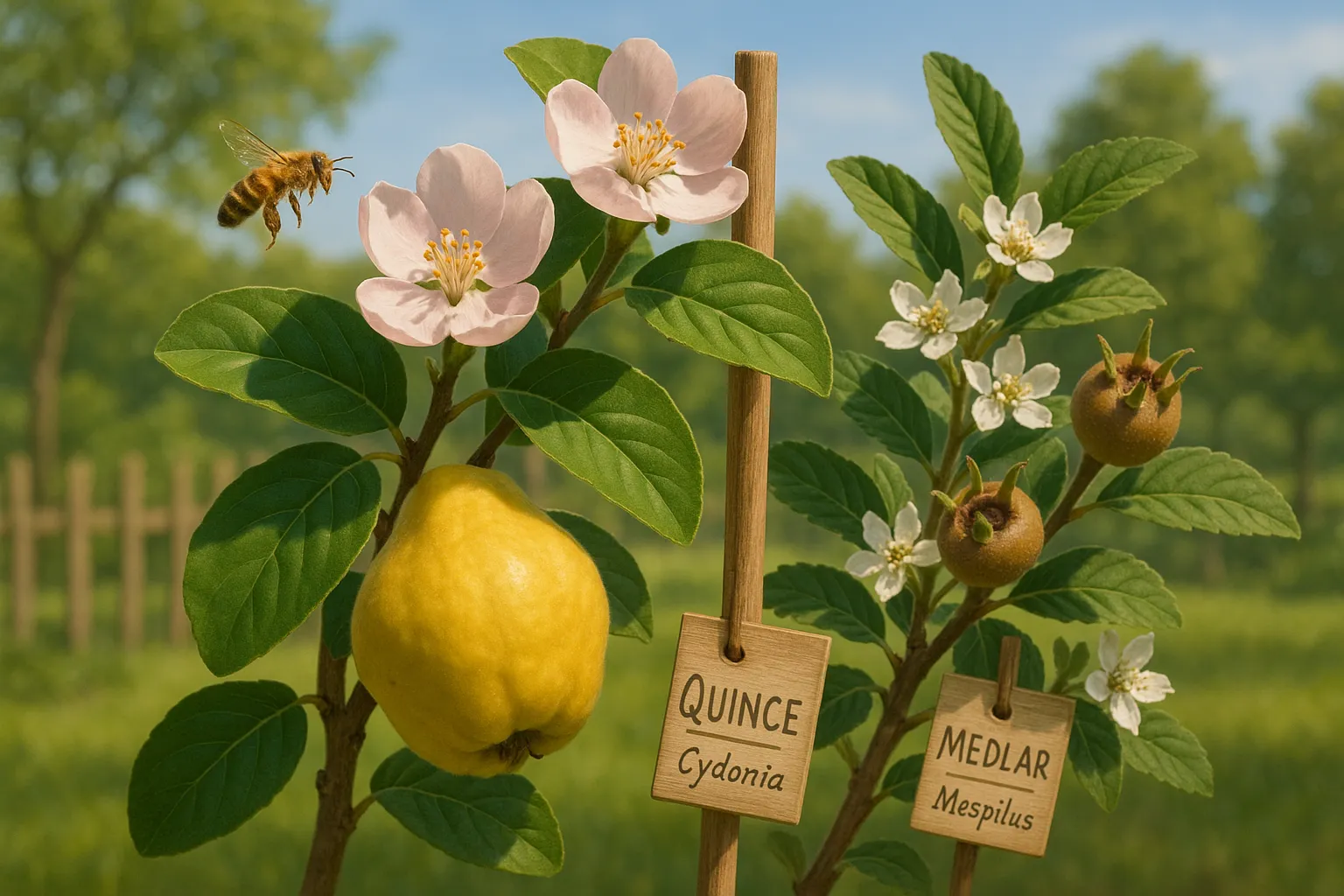
Quince (Cydonia oblonga) produces large, fragrant, hard yellow fruits. Medlar (Mespilus germanica) produces smaller, brown, open-calyx fruits that soften after frost or storage. If you want a fruit that makes firm jams, jellies, and pastes, quince is the reliable choice. If you want a novelty fruit for soft, apple-like dessert texture after bletting, choose medlar.
Key quick points:
Size and yield: Quince trees are larger and give heavier crops: medlars are smaller, often single-stemmed or bushy.
Flavor trajectory: Quince is astringent raw but aromatic and sweet when cooked: medlar is sour and gritty raw and becomes sweet, spiced, and soft after bletting.
Culinary use: Quince suits preserves and baking: medlar suits fresh-when-bletted eating and small-batch preserves.
Maintenance: Quince tolerates a wider climate range (Mediterranean to temperate): medlar prefers milder winters and can be more disease-prone in wet climates.
You’ll read specifics below that let you pick by taste, space, and tolerance for experimentation.
Botanical Origins And Key Taxonomy Differences
Fact: Quince and medlar belong to the Rosaceae family but occupy separate genera.
Quince is Cydonia oblonga. The genus Cydonia is monotypic (one species), close to apples (Malus domestica) and pears (Pyrus communis) but distinct. Historical records place quince cultivation in western Asia and the Mediterranean for thousands of years: the fruit appears in Greek myth and Roman literature. Medlar is Mespilus germanica. It likely originated in the Caucasus and spread through Europe in medieval times. Botanists note medlar’s closer kinship to hawthorns and loquats in growth habit and flower structure.
Taxonomy matters because it explains fruit chemistry and pollination. Quince flowers are typically solitary and need pollination from bees and nearby apple/pear relatives for best fruit set. Medlar also produces insect-pollinated white blossoms but often sets fruit with fewer cross-pollinators. Many modern quince cultivars (like ‘Smyrna’ or ‘Van Deman’) were selected for size and aroma: medlar varieties (for example, ‘Nottingham’) vary mainly in fruit size and winter hardiness.
You should choose based on climate and garden ecology. If you keep honeybees, quince will reward you: if you prefer a small, uncommon fruit tree, medlar adds historical interest.
Appearance, Growth Habit, And Fruit Characteristics
Fact: Quince grows into a small tree or large shrub with bright yellow fruits: medlar forms a large shrub or small tree with brown, russet fruits.
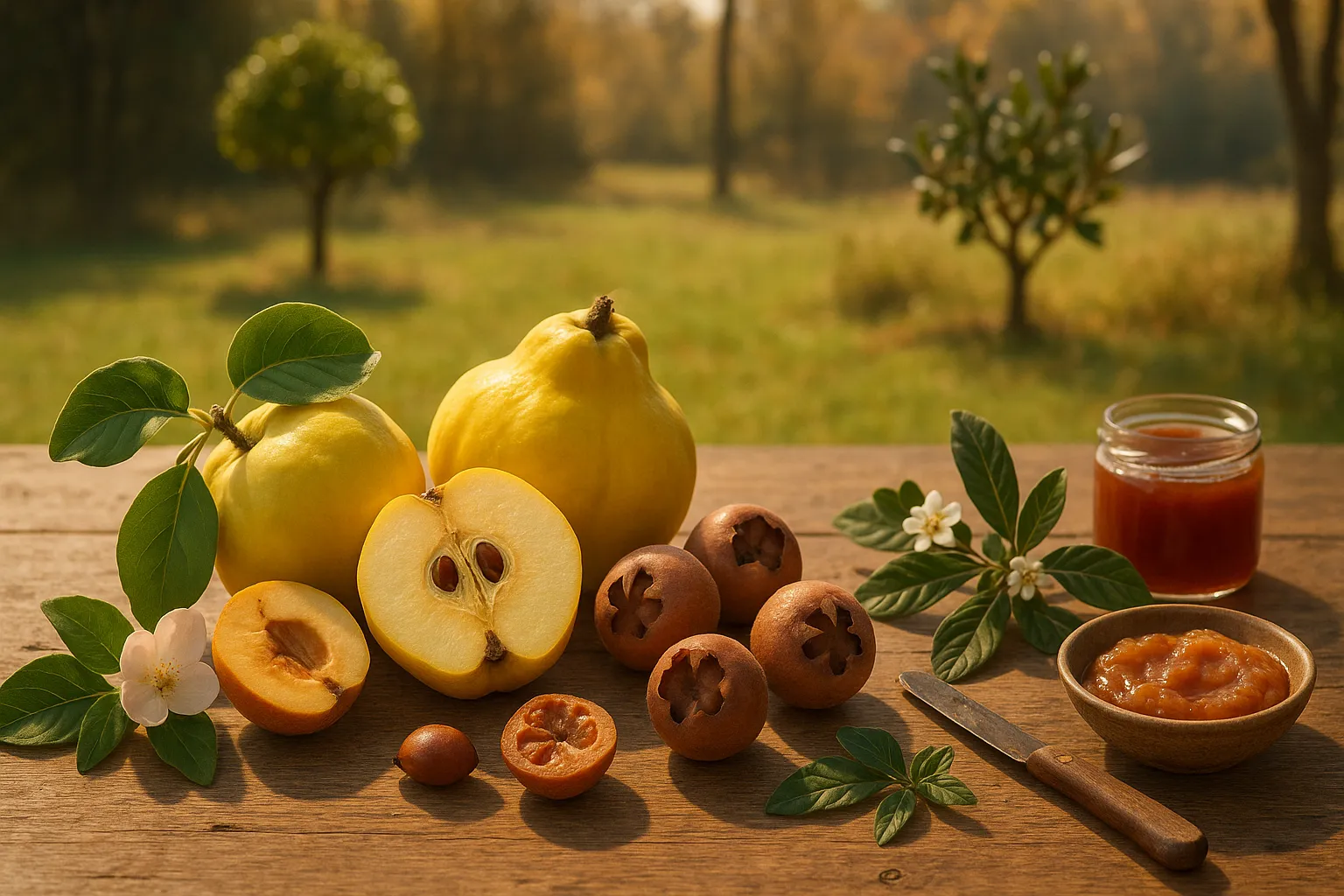
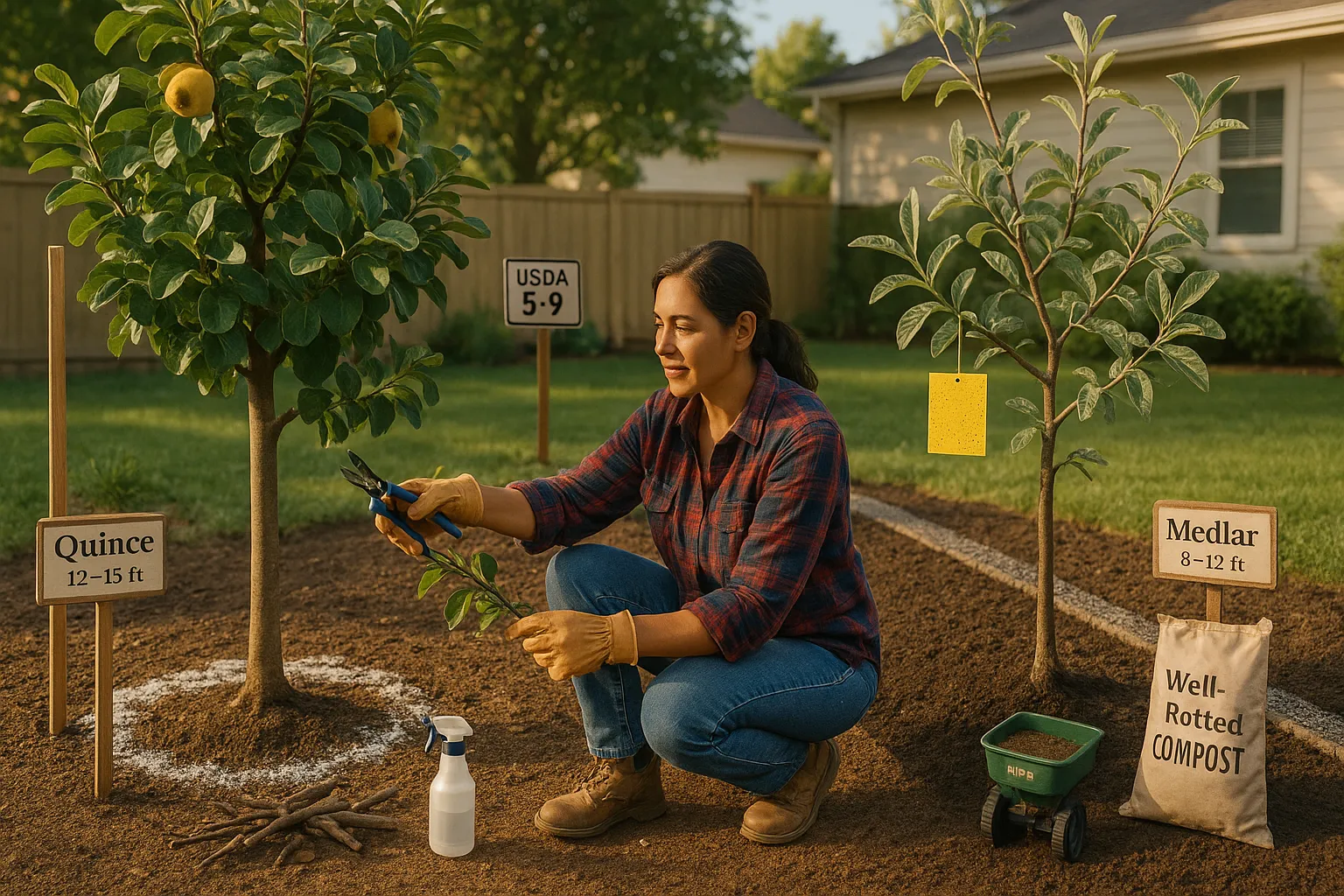
Quince plants reach 10–15 feet, with glossy leaves and single, pale pink blossoms. Fruits are pear-shaped or round, covered in fuzzy down when young, and turn golden with a strong perfume when ripe. Medlar plants are often 8–12 feet, with dark glossy leaves and clusters of white flowers. Fruits are 1–2 inches wide, brown, and have an open-calyx star at the tip.
Fruit Flavor, Texture, And When To Harvest
Fact: Harvest timing changes the eating experience.
Quince is firm and tannic when raw. You harvest quince after they turn fully yellow: then you cook them to taste. The fruit contains high pectin, so it makes excellent jelly and paste. Medlar is hard and astringent at harvest. You harvest medlars after they brown on the tree, then store them to blett, softening by frost or cellar ripening, until the flesh becomes brown, sweet, and spreadable. Medlar flavor often gets described as spiced apple or date-like.
Traditional Uses And Culinary Transformations
Fact: Both fruits transform dramatically with heat or time.
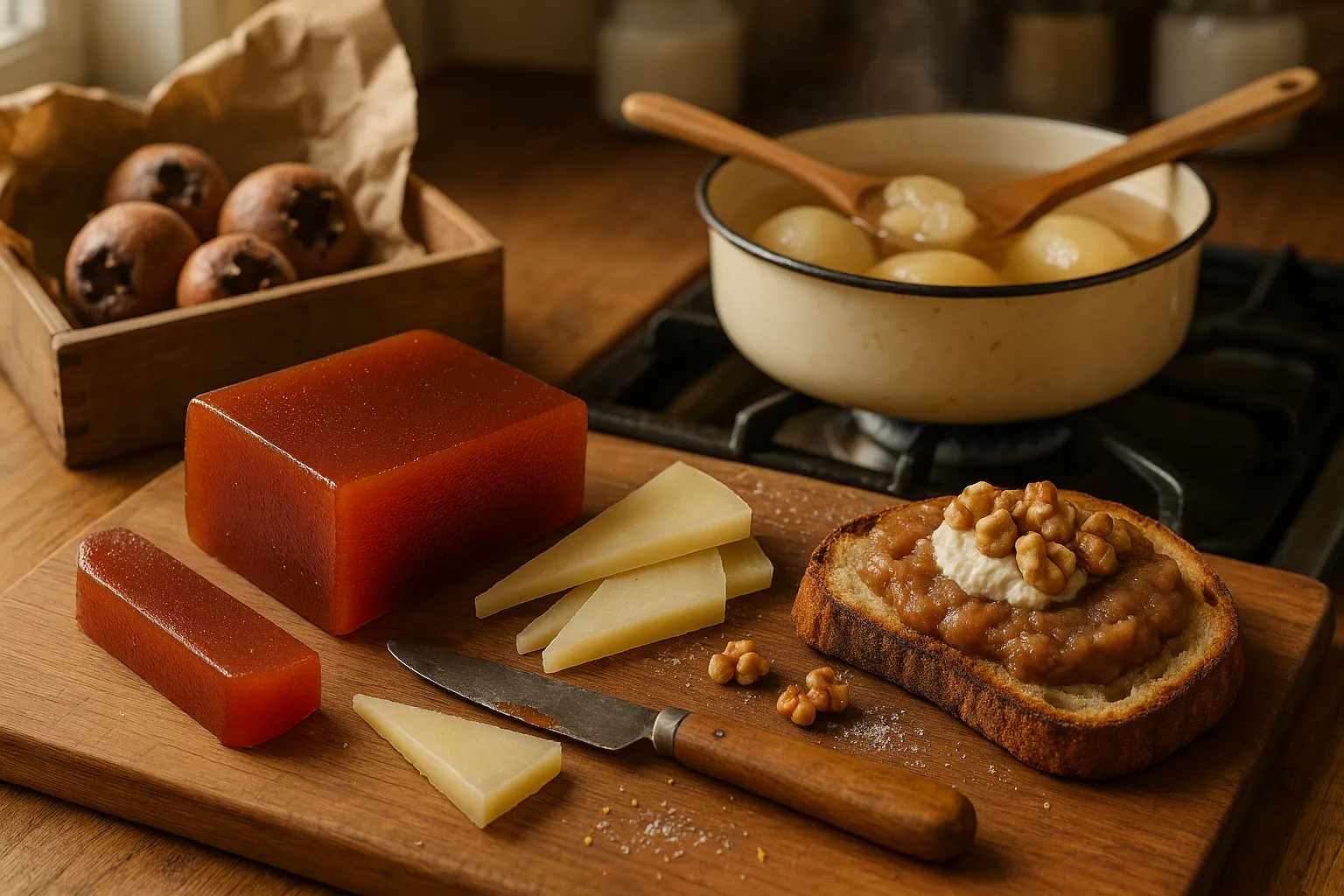
Quince becomes floral, pear-like, and jammy after long cooking. It makes membrillo (Spanish quince paste), Turkish quince jam, and fragrant poached wedges. Medlar becomes creamy and jammy after bletting: Victorian-era recipes list medlar cheese and medlar jelly. Both fruits pair well with pork, game, sharp cheeses (like Manchego or Roquefort), and warm spices such as cinnamon and clove.
Cultivation, Soil, And Climate Requirements
Fact: Quince tolerates a wider soil pH and colder winters: medlar prefers milder, well-drained sites.
Quince grows in USDA zones roughly 5–9 depending on cultivar. It prefers full sun and fertile, well-drained soil but tolerates heavier soils and some drought once established. Medlar suits zones 6–9 and favors loamy, slightly acidic to neutral soils with consistent moisture. Excess water and poor drainage increase fungal risk for medlar.
Planting And Care Tips
Fact: Proper planting preserves root health and fruit set.
Plant both trees in spring or fall. Give quince at least 12–15 feet spacing: medlar can fit into 8–12 feet. Use well-rotted compost at planting. Quince benefits from annual pruning to open the canopy: prune in late winter. Medlar needs lighter pruning, remove crossing branches and dead wood after harvest. Fertilize with balanced NPK in early spring. Protect young quince from fireblight by spacing from apples or choosing resistant rootstocks.
Quince is susceptible to fireblight (Erwinia amylovora). Watch for blackened shoots and oozing lesions: remove infected wood 8–12 inches below symptoms and disinfect tools. Medlar often shows leaf spot (Venturia) and can host codling moth larvae in fruit. Use integrated pest management: monitor traps for moths, remove fallen fruit to reduce overwintering pests, and apply targeted fungicides if necessary. If a planting shows poor fruit set, check pollinator presence and nearby compatible trees.
Culinary Uses, Preparation, And Recipes
Fact: Quince excels cooked: medlar excels after bletting or slow cooking.
Quince transforms into fragrant jellies, pastes, and compotes. Try classic membrillo: cook peeled quince with water until soft, then puree and cook with sugar until thick and deep red. I once overcooked a batch and ended with a caramelized mess, don’t stir constantly and watch temperature. Medlar needs bletting: place fruit in a cool dark box for 2–4 weeks, check weekly, and transfer to fridge once flesh becomes soft and brown. Use bletted medlar mashed with sugar and lemon to make medlar jam or spread.
Preserving, Cooking, And Making Jellies Or Pastes
Fact: Both fruits are high in pectin, ideal for preserves.
To make quince jelly, simmer chopped fruit with water, strain the juice, then add sugar and lemon and boil to gelling point. For membrillo, cook fruit longer and caramelize slightly for color. Medlar paste requires less sugar: cook bletted pulp low and slow with minimal water to concentrate flavor.
Fresh Eating, Ripening Techniques, And Serving Ideas
Fact: Quince is rarely eaten raw: medlar is edible raw after bletting.
Serve quince as poached wedges with yogurt or roast alongside pork. Slice quince paste with Manchego for a classic Spanish board. Spread bletted medlar on toast with ricotta, or mix medlar puree into baked goods for moistness and a date-like sweetness. Both fruits pair well with cider or fortified wines. Try a medlar and walnut salad, you might be surprised how well the soft fruit contrasts crunchy greens.
Nutritional Profile And Potential Health Benefits
Fact: Both fruits provide fiber, vitamin C, and phytochemicals: processing changes nutrient levels.
Quince contains vitamin C, potassium, and dietary fiber. It also contains polyphenols and tannins that offer antioxidant activity. Cooking reduces vitamin C but concentrates pectin and sugars. Medlar offers similar fiber and vitamin C levels when fresh: bletting increases simple sugars and reduces astringency while preserving fiber. Both fruits show traditional medicinal use: quince syrup for coughs in folk medicine, medlar as mild digestive aid in Europe.
Be cautious: some people react to raw quince tannins and may get stomach upset. Moderation and proper preparation remove most issues. If you have specific health conditions, consult a registered dietitian or your physician before using fruit-based remedies.
Where To Buy, How To Select, And Storage Tips
Fact: Quince appears seasonally in markets: medlar is rarer and often sold by specialty growers.
Buy quince at farmers markets in fall or from grocers that source Mediterranean produce. Look for bright yellow color, firm texture, and strong fragrance. Avoid bruises. Buy medlars from specialty orchards, heirloom vendors, or online nurseries. Choose fruits that are brown but firm if you plan to blett at home.
Storage: Store quince in the crisper for up to a month: wrap in paper to protect aroma-sensitive foods. Keep medlars in a cool, ventilated box for bletting, room temperature near 50–60°F works well. Once bletted, refrigerate and use within a week or freeze prepared pulp.
Selection tips for cooks: For jelly, choose heavily aromatic quince. For fresh bletting experiments, select firm medlars with intact calyxes. If you want convenience, buy quince paste (membrillo) from Spanish brands like La Catedral de Navarra or artisanal preserves from local producers.
Practical warning: Never eat unbletted medlar expecting sweet fruit. Many first-timers bite into a hard medlar and regret the experience, learn from my own mistake: I bit one at a tasting and had to spit it out. You’ll avoid that if you wait.
To provide the best experiences, we use technologies like cookies to store and/or access device information. Consenting to these technologies will allow us to process data such as browsing behaviour or unique IDs on this site. Not consenting or withdrawing consent, may adversely affect certain features and functions.
Functional
Always active
The technical storage or access is strictly necessary for the legitimate purpose of enabling the use of a specific service explicitly requested by the subscriber or user, or for the sole purpose of carrying out the transmission of a communication over an electronic communications network.
Preferences
The technical storage or access is necessary for the legitimate purpose of storing preferences that are not requested by the subscriber or user.
Statistics
The technical storage or access that is used exclusively for statistical purposes.The technical storage or access that is used exclusively for anonymous statistical purposes. Without a subpoena, voluntary compliance on the part of your Internet Service Provider, or additional records from a third party, information stored or retrieved for this purpose alone cannot usually be used to identify you.
Marketing
The technical storage or access is required to create user profiles to send advertising, or to track the user on a website or across several websites for similar marketing purposes.