Debt can feel like a storm cloud hanging over your head—heavy, relentless, and impossible to ignore. When juggling multiple payments with varying interest rates, it’s easy to feel overwhelmed. That’s where debt consolidation steps in, offering a glimmer of clarity in the chaos. But is it the lifeboat you need, or could it create waves of its own?
Debt consolidation promises simplicity: one payment, one interest rate, and a clear path forward. But, beneath its appealing surface lie potential pitfalls that could impact your financial future. Understanding the trade-offs can mean the difference between relief and regret. Whether you’re seeking to streamline your finances or reduce stress, knowing the pros and cons of this approach is essential before diving in.
What Is Debt Consolidation?
Debt consolidation combines multiple debts into a single loan or payment. Instead of managing multiple loans, like credit card balances or medical bills, you merge them into one account. This approach often includes a fixed interest rate, creating predictability in your monthly budget.
You might connect with a bank, credit union, or online lender to secure a debt consolidation loan. The lender pays off your listed debts, leaving you with one repayment obligation. This process can simplify your financial management if you struggle with tracking various payment dates or terms.
Debt consolidation doesn’t erase debts; it restructures them. For example, if you owe $10,000 across three credit cards, consolidation could turn those three balances into a singular $10,000 loan. It may also lower monthly payments by extending the loan term, though you might pay more interest long-term.
Pros Of Debt Consolidation
Debt consolidation can offer significant advantages for managing multiple financial obligations. Its benefits range from simplifying your payments to potentially improving your credit profile.
Simplified Financial Management
Streamlining payment obligations into a single monthly installment makes managing your finances easier. Instead of dealing with several due dates and amounts, you focus on one payment. For example, combining credit card debts and medical bills into a single account eliminates the stress of juggling multiple creditors. This approach lets you allocate your income more effectively.
Potential For Lower Interest Rates
Debt consolidation often features lower interest rates than typical credit cards or payday loans. For instance, if your credit card interest rates average 18%–24%, a consolidation loan may offer a fixed rate between 5% and 15% based on your creditworthiness. Securing a lower rate reduces your overall repayment cost, making payoffs faster and potentially saving thousands of dollars.
Improved Credit Score Over Time
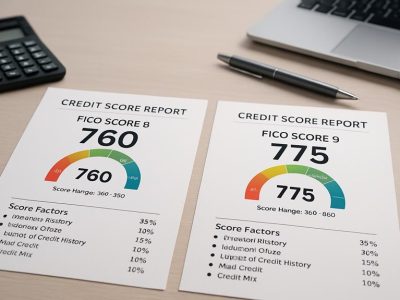
Consolidation impacts your credit utilization ratio, which plays a key role in your credit score. If current debts are paid off through the loan, utilization lowers, leading to a better score. Maintaining consistent, on-time payments on the consolidated account fosters monthly positive reports to credit bureaus. But, irresponsible use of freed-up credit could offset gains.
Fixed Repayment Schedule
Debt consolidation introduces a structured repayment timeline. This fixed schedule offers predictability, ensuring you know when the debt ends if payments are maintained. For example, if you consolidate into a 5-year fixed loan, you have a clear roadmap to becoming debt-free. This contrasts with revolving credit, where fluctuating balances make planning harder.
Cons Of Debt Consolidation
Debt consolidation may seem like a straightforward path to financial relief, but it’s not without its drawbacks. Understanding these challenges helps you make informed decisions that align with your financial well-being.
Upfront Costs And Fees
Debt consolidation often involves origination fees, balance transfer charges, or closing costs. For instance, personal loans might require a 1-8% origination fee, while balance transfers on credit cards can cost 3-5% of the transferred amount. These expenses reduce the immediate financial benefit, especially if you’re consolidating small debts with minor interest savings.
Also, some lenders charge prepayment penalties on existing loans, increasing the financial burden. It’s essential to evaluate all associated costs before pursuing consolidation, as they affect the loan’s overall savings potential.
Risk Of Accumulating More Debt
If you consolidate debt without addressing habits, it’s easy to rack up new balances. For example, paying off credit cards through consolidation frees up credit limits, making it tempting to overspend. This cycle leads to higher debt loads and negates consolidation’s benefits.
Financial discipline is key. Combine debt consolidation with a strict budget to break the cycle, or risk ending up with both a consolidation loan and new high-interest debts.
Potential Negative Impact On Credit Score
Debt consolidation impacts your credit in several ways. Applying for a loan triggers a hard inquiry, temporarily lowering your score. Closing credit card accounts after transferring balances reduces the average account age, a key factor in credit scoring.
Missed payments on the new loan have more significant consequences, damaging your score further. If you’re committed to improving your financial health, consistent on-time payments mitigate these effects over time.
Not Suitable For All Types Of Debt
Debt consolidation isn’t effective for every debt type. Mortgages, student loans, and tax debt often require specialized repayment plans that differ from standard consolidation loans. Attempting to consolidate such debts can incur penalties or disqualify you from beneficial government programs.
If your debt mostly comprises medical bills or payday loans, consolidation can be helpful. But, always assess the nature of your liabilities to determine whether this approach aligns with your financial structure.
Alternatives To Debt Consolidation
When debt consolidation doesn’t align with your goals or circumstances, exploring other strategies can provide effective relief. Here are alternative options to consider.
Debt Snowball And Avalanche Methods
These repayment strategies focus on tackling debts without combining them into one loan. In the snowball method, you prioritize paying off the smallest debt first while making minimum payments on others. Once the smallest debt is cleared, you redirect those funds to the next smallest debt, creating a “snowball” effect. This approach builds momentum by offering quick wins.
In contrast, the avalanche method targets the debt with the highest interest rate first. By focusing on high-interest obligations (e.g., credit cards with 22% APR), you minimize total interest costs over time. While slower in producing visible results, it reduces long-term financial burden. Tools like spreadsheets or apps help you track your payments effectively.
Seeking Financial Counseling
Certified credit counselors provide guidance on managing debt and creating a budget. Nonprofit counseling agencies, such as those accredited by the National Foundation for Credit Counseling (NFCC), assess your financial situation and suggest tailored solutions. They might recommend a debt management plan (DMP), which consolidates payments without taking out a new loan.
DMPs involve negotiating lower interest rates or monthly payments with creditors and channeling all obligations into one monthly payment. Successful participation can improve your financial habits and relieve stress. But, DMPs usually require closing credit card accounts and charging a startup fee. Ask questions about hidden costs before agreeing.
Negotiating With Creditors
Direct communication with creditors allows you to request alternative repayment options. Common strategies include seeking interest rate reductions, extending payment timelines, or settling debts for less than owed. For example, if you’re struggling with a $5,000 medical bill, you might negotiate a reduced lump-sum payment or smaller installments.
Explain your financial difficulties honestly and maintain clear documentation throughout your discussions. Lenders are more likely to cooperate if you demonstrate a willingness to repay. Negotiation, while not guaranteed to succeed, can reduce obligations and sidestep the need for new loans.
By exploring these methods, you equip yourself with practical tools to manage debt responsibly and efficiently.
Conclusion
Debt consolidation can be a powerful tool for simplifying your financial life and potentially reducing your overall repayment costs. But, it’s not a one-size-fits-all solution and comes with its own set of risks and limitations. By carefully weighing the pros and cons and considering alternative strategies, you can choose the best approach for your unique financial situation. Taking the time to understand your options ensures you’re making a decision that supports your long-term financial well-being.
To provide the best experiences, we use technologies like cookies to store and/or access device information. Consenting to these technologies will allow us to process data such as browsing behaviour or unique IDs on this site. Not consenting or withdrawing consent, may adversely affect certain features and functions.
Functional
Always active
The technical storage or access is strictly necessary for the legitimate purpose of enabling the use of a specific service explicitly requested by the subscriber or user, or for the sole purpose of carrying out the transmission of a communication over an electronic communications network.
Preferences
The technical storage or access is necessary for the legitimate purpose of storing preferences that are not requested by the subscriber or user.
Statistics
The technical storage or access that is used exclusively for statistical purposes.The technical storage or access that is used exclusively for anonymous statistical purposes. Without a subpoena, voluntary compliance on the part of your Internet Service Provider, or additional records from a third party, information stored or retrieved for this purpose alone cannot usually be used to identify you.
Marketing
The technical storage or access is required to create user profiles to send advertising, or to track the user on a website or across several websites for similar marketing purposes.