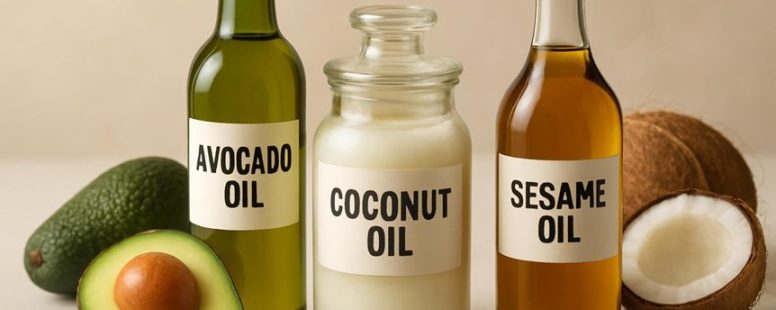
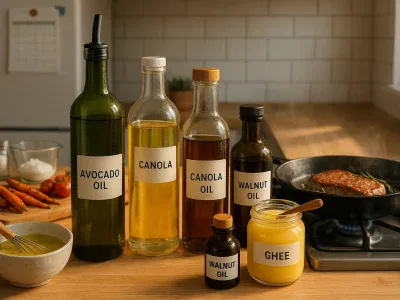
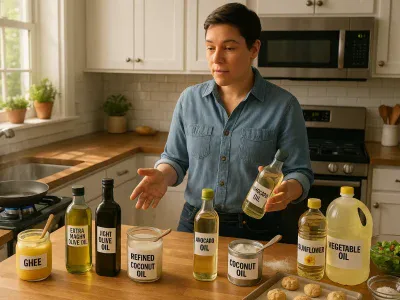
Olive oil may be a kitchen favorite, but it’s not always the hero in every cooking scenario. Imagine the sizzle of a hot pan or the delicate burst of flavor you crave—sometimes, olive oil just can’t keep up.
Choosing the right oil can transform your dishes from good to extraordinary, revealing surprising benefits like enhanced nutrient absorption.
Let’s uncover when to swap your olive oil for a more suitable partner and discover flavors that truly shine.
Why Olive Oil Isn’t Always the Best Choice for Cooking
Olive oil is popular for its health benefits and flavor, but it’s not always the best choice for cooking. Different types of olive oil have different smoke points and flavors, which affects how they should be used.
Extra virgin olive oil has a rich, fruity flavor that is great for salads or drizzling over cooked dishes. However, it can burn or turn bitter when heated too high. So, if you are frying or cooking at high temperatures, extra virgin olive oil might not be the best pick.
Light or refined olive oils have higher smoke points, meaning they can handle higher heat without burning. But these oils usually lack the strong flavor of extra virgin olive oil. They are good for baking or stir-frying when flavor is less important.
Knowing these differences helps you choose the right olive oil for each cooking method. For example, if you want a strong olive flavor, use extra virgin for low-heat dishes or finishing touches. If you need to cook at high heat, consider using a light or refined olive oil or other oils like canola or avocado oil.
Some people prefer olive oil for all cooking because of its health benefits. But be careful—using the wrong type for high heat can ruin the flavor or make the oil less healthy. Remember, sometimes other oils work better to keep your food tasty and avoid burning.
When to Avoid Olive Oil for High-Heat Cooking
When cooking at high heat, olive oil is not always the best choice because it has a lower smoke point compared to other oils. This means it can burn easily, which can produce harmful compounds and give your food a bitter taste. If olive oil burns, it can also ruin the flavor of your dish. For high-heat cooking like frying or searing, oils with higher smoke points are better. Examples are avocado oil and grapeseed oil. These oils stay stable at higher temperatures and won’t burn as quickly.
Some people prefer olive oil for flavor, but they should use it for low or medium heat cooking instead. For example, drizzling olive oil on salads or finishing dishes is fine. When you need to cook at very high temperatures, switch to oils labeled as “high smoke point” to keep your food safe and tasty.
Smoke Point Considerations
Smoke point is the temperature when oil starts to burn and create smoke. It’s very important to know this when cooking with oil. If you heat oil past its smoke point, it can break down and make harmful compounds. For high-heat cooking like frying or searing, you should not use extra virgin olive oil because it has a lower smoke point. Instead, choose oils that can handle higher heat without smoking.
Refined oils like canola, peanut, or sunflower oil have higher smoke points. These oils are good for cooking at very hot temperatures because they won’t smoke or break down as easily. Flavored oils and infused oils often have lower smoke points because of added ingredients. These are better for finishing dishes after cooking, not for high heat.
Unrefined oils like extra virgin olive oil or flaxseed oil are more sensitive to heat. When cooking with intense heat, they can burn quickly and produce smoke. Be careful when using these oils in very hot cooking methods.
Oils like avocado or grapeseed oil are good options for high-temperature cooking. They have high smoke points and are less likely to produce smoke or harmful compounds. If you want to cook at high heat, these oils are safer choices.
Some people believe all oils are fine for high heat if used carefully. Others warn that even high-smoke-point oils can produce harmful substances if overheated. Always watch your oil while cooking and avoid overheating it.
Flavor Alteration Risks
Olive oil is best used for low to medium heat cooking because high heat can change its delicate flavors. When olive oil gets too hot, it loses its natural aroma and can taste burnt or bitter. This can hide the fresh fruity or grassy notes that make olive oil special. For example, if you cook with olive oil at high temperatures, it might taste unpleasant and mask the flavors of your vegetables or meats.
Some people prefer to use olive oil only for salad dressings or finishing dishes to keep its flavor intact. Others might use oils with higher smoke points, like canola or avocado oil, for frying or high-temperature cooking. These oils can handle the heat better without changing their taste much.
However, there are two sides to this. Some cooks believe that lightly heating olive oil can add a richer flavor to dishes, especially when used in stir-fries or sautéing. But they warn not to overheat it because the flavor can quickly turn bitter or burnt.
If you want to keep the original aroma and taste of olive oil, stick to low or medium heat. For high heat cooking, choose oils that are more stable at high temperatures. This way, your food will taste better and stay true to the ingredients.
Better High-Heat Alternatives
High heat can cause olive oil to break down and develop bad flavors. Because of this, it’s better not to use olive oil for searing or frying foods that need really high temperatures. Although olive oil is sometimes processed to make it more heat stable, many ads still claim it’s good for high-heat cooking. This can be confusing.
Instead, consider these better options:
Avocado oil – it has a high smoke point and a mild flavor. It’s great for frying or searing. For example, you can use it to cook eggs or make crispy chicken.
Refined coconut oil – it stays stable at high heat. You can use it for stir-frying vegetables or roasting potatoes.
Grapeseed oil – has a neutral flavor and can handle high temperatures. It works well for deep frying or sautéing.
Peanut oil – very good for frying because it resists breaking down. It’s popular in Asian cuisine for frying spring rolls or chicken.
Using these oils helps keep your food tasty and nutritious. Plus, they won’t break down as quickly as olive oil when cooked at high heat. However, some people prefer olive oil for flavor and health benefits, so it’s good to use it for salads or low-heat cooking instead.
In short, choosing the right oil based on the cooking method can make a big difference in how your food turns out. If you need high heat, these options are safer and more reliable than olive oil.
Best Oils for Searing and Frying at High Temperatures
When you want to sear or fry food at high heat, the best oils to use are those with high smoke points. Smoke point is the temperature where the oil starts to smoke and break down. Oils like avocado oil and refined vegetable oils, such as canola or sunflower oil, can handle high heat without burning. These oils help you get a crispy crust without smoke or burnt flavors.
Olive oil is popular for cooking, but extra virgin olive oil has a lower smoke point, usually around 375°F. This makes it less ideal for high-heat searing. However, refined olive oils have higher smoke points, often above 465°F, making them better suited for high-temperature cooking. Just remember, storing olive oil in a cool, dark place helps it stay fresh longer, but for searing, it’s better to choose a refined type.
Some cooks prefer oils like peanut or grapeseed because they have high smoke points and a mild flavor. These oils won’t overpower the taste of your food and can handle the heat needed for searing steaks or frying crispy chicken.
However, there are some warnings. Not all oils with high smoke points are healthy. For example, some refined oils contain processed fats that you might want to limit. Also, if you heat an oil past its smoke point, it can produce harmful compounds and give your food a burnt taste. So, always watch the temperature and choose the right oil for your cooking method.
How to Choose the Right Oil Based on Flavor and Use
When choosing the right oil, you should think about both its flavor and how you plan to use it. Light oils, like vegetable or canola oil, are good for salad dressings because they don’t change the taste of the ingredients. They are also good for baking or light sautéing. Stronger oils, like extra virgin olive or sesame oil, add more flavor and are better for stir-fries or roasting vegetables. They give your dishes more depth and richness.
A simple way to pick the right oil is to ask yourself what you want the oil to do. If you want a mild taste that doesn’t interfere with other flavors, go for light oils. If you want the oil to add flavor, choose a more intense one. For example, if you are making a simple green salad, a light oil like canola is perfect. But if you are making Asian stir-fry, sesame oil can give it a special touch.
Some people like to keep a few different oils in their kitchen so they can choose the best one for each dish. Remember that some oils, like extra virgin olive oil, are best used raw or in low heat cooking because they can burn or lose flavor at high temperatures. Others, like vegetable oil, can handle higher heat better.
In short, matching the oil’s flavor with your cooking method makes your meals taste better. Think about the dish you are making and pick an oil that will complement it. That way, every bite will be just right.
Flavor Profile Considerations
Choosing the right oil is mainly about flavor. Each oil has its own taste that can change how your dish turns out. When picking a substitute, think about these factors:
Infused varieties are a good option. Oils infused with herbs, spices, or citrus add extra flavor without overwhelming the dish. For example, basil-infused olive oil can make salads taste fresher.
Regional flavors matter too. Some oils reflect the ingredients of their region. Sesame oil works well in Asian dishes, while avocado oil pairs nicely with Latin recipes. Using the right regional oil can make your dish more authentic.
Flavor intensity is key. Some oils are mild, like canola or light olive oil. Others have bold tastes, like walnut or toasted sesame oil. Stronger oils can add a nutty or fruity note, but too much can overpower the other ingredients.
Pairing with ingredients helps create harmony. Match the oil’s flavor with what you are cooking. For example, use mild oils for delicate fish, and bolder oils for hearty vegetables. This makes sure all flavors work well together.
Cooking Method Compatibility
Choosing the right oil depends on both how you’ll cook and the oil’s smoke point. The smoke point is the temperature where oil starts to burn and produce smoke. For high-heat cooking like frying or searing, pick oils with higher smoke points. Examples include avocado oil and refined oils, which can handle heat without burning. Extra virgin olive oil, however, has a lower smoke point and can burn easily, so it’s better for drizzling or salad dressings.
For cooking methods like sautéing or roasting, olive oil can work if you’re careful. Keep the oil away from heat, light, and air to keep it fresh longer. Storing it in a dark, cool cupboard helps prevent it from going bad. When you store oil properly, it stays fresh and maintains its flavor longer.
Some people worry that high temperatures will ruin healthy oils. While high-heat oils like avocado or refined oils are stable, extra virgin olive oil can lose flavor and nutrients if overheated. So, think about how hot your cooking gets and choose your oil accordingly.
Top Substitutes for Olive Oil in Salad Dressings and Raw Dishes
If you want to change up your salad dressings or raw dishes, there are many good alternatives to olive oil. These options can add new flavors and even provide different health benefits. For example, some can make your salad taste brighter or creamier, while others add a tangy punch. Here are some of the best substitutes:
Avocado oil – This oil has a mild flavor and is packed with healthy monounsaturated fats. It’s great for dressing salads and adds a smooth texture. Some people prefer it because it doesn’t overpower other flavors.
Nut oils like walnut or macadamia – These oils give a nutty taste that can make your dish more interesting. Walnut oil, for example, has antioxidants that are good for your health. But keep in mind, nut oils can be strong, so use them in small amounts.
Lemon juice or vinegar – These options add brightness and acidity to your dishes. Lemon juice works well in light salads or raw vegetables, bringing freshness. Vinegar, like balsamic or apple cider vinegar, can give a tangy punch, but be careful not to use too much or it might overpower the dish.
Hemp seed oil – This oil has a grassy flavor that many people find refreshing. It also contains omega-3 fatty acids, which are good for your brain and heart. However, hemp oil has a delicate flavor, so it’s best used in small amounts.
Some people might choose one of these options over olive oil depending on the flavor they want or their dietary needs. For example, if someone needs to avoid nuts, they might skip nut oils. But with so many choices, you can find an alternative that suits your taste and health goals. Do you like a nutty flavor or prefer something more tangy? Trying different options can make your salads more exciting.
Healthy Oils for Baking and Roasting
When baking and roasting, the best oils are those that can handle high heat without breaking down or losing their flavor. Oils like avocado oil and coconut oil are good choices because they stay stable at high temperatures. Avocado oil has a high smoke point of around 520°F, making it great for roasting vegetables or baking bread. Coconut oil also withstands heat well, with a smoke point of about 350°F to 400°F, depending on whether it is refined or unrefined.
Choosing the right oil depends on what you are cooking. For example, if you want a neutral flavor, avocado oil is a good option. If you prefer a slightly sweet taste, coconut oil works nicely. Some people worry about the saturated fat in coconut oil, but recent studies suggest it can be part of a healthy diet when used in moderation.
On the other hand, some oils like olive oil are better for lower-temperature cooking or finishing dishes because they have lower smoke points. Extra virgin olive oil is flavorful but can burn if used at high heat, which makes it less suitable for roasting at very high temperatures.
Best Oils for Baking
Choosing the best oils for baking and roasting depends on what you want. Different oils have different flavors and health benefits. Here are four top oils to consider:
Avocado oil is great for baking at high heat. It has a high smoke point, which means it doesn’t burn easily. It is rich in monounsaturated fats that are good for your heart. If you want an oil that can handle hot ovens, avocado oil is a solid choice.
Coconut oil is stable when baked and adds moisture to baked goods. It has a unique flavor that many people love. But, it is higher in saturated fats, which some health experts say should be eaten in moderation. If you enjoy the taste of coconut, this oil can make your baked treats extra tasty.
Grapeseed oil has a neutral flavor, so it won’t change the taste of your baked goods. It is high in polyunsaturated fats, which are good for you. It’s a good choice if you want a light oil for cookies or muffins. But, it does have more omega-6 fats, which some say should be balanced with omega-3s.
Sunflower oil has a mild taste and a high smoke point. It’s good for roasting vegetables or baking bread. It can be used in many recipes because it doesn’t add much flavor. Just remember, some sunflower oils are processed and may have fewer nutrients.
All these oils are healthy options, but they each have their own strengths and limits. For example, avocado oil is good for high heat but can be more expensive. Coconut oil tastes strong and has more saturated fats. Grapeseed and sunflower oils are lighter but sometimes processed. Think about what flavor and cooking method you prefer when picking an oil.
Ideal Oils for Roasting
Choosing the right oil for roasting is important for good flavor and health. The best oils for high-temperature roasting are those with a high smoke point. Examples include refined avocado oil and grapeseed oil. These oils can handle the heat without burning or smoking, which keeps your food tasting better and prevents harmful compounds from forming.
Infused oils are good for adding extra flavor after roasting. For example, you can drizzle garlic or rosemary-infused olive oil on your vegetables once they come out of the oven. This adds a nice flavor without risking the oil burning at high heat.
Olive oil, especially extra virgin olive oil, is famous for its flavor. However, it has a lower smoke point, so it is better for drizzling on food after roasting or cooking at lower temperatures. Some brands make olive oil blends that mix extra virgin olive oil with more heat-stable oils. These blends give you some flavor and also stand up better to higher heat.
Some people prefer pure extra virgin olive oil because of its taste and health benefits. But keep in mind, it can burn if used at very high temperatures. Blends are more versatile and less likely to smoke during roasting.
If you want great roasted dishes, pick your oil based on how hot you plan to cook. Oils with high smoke points are best for roasting at high temperatures. Infused oils are perfect for adding flavor after cooking. Just remember, using the right oil can make your food taste better and keep it healthy.
Oils for Special Diets and Allergies
Oils for Special Diets and Allergies
Some oils are better for people with allergies or special diets. Choosing the right oil can be tricky, but there are safe options. Here are some good choices:
Coconut oil. This oil is safe for people who don’t eat dairy or follow a paleo diet. It also has natural antimicrobial properties, which means it can help fight germs in your food.
Hemp seed oil. Made from hemp seeds, this oil is rich in omega fatty acids. It works well for vegans because it comes from plants and doesn’t contain animal products.
Sunflower oil. This oil is hypoallergenic, meaning it rarely causes allergies. It is also versatile and can be used for frying, baking, or salad dressings.
Avocado oil. This oil is nutrient-rich and safe for many diets. It’s good for cooking at high heat and works well for people with nut or seed allergies.
Some people might worry about allergies or sensitivities with certain oils. For example, even though sunflower oil is hypoallergenic, some rare cases still report reactions. Always check labels and talk to your doctor if you are unsure.
If you have allergies or special diet needs, these oils can help you cook healthy meals without risking allergic reactions. Just remember that no oil is 100 percent safe for everyone. It’s best to start with small amounts and see how your body reacts.
Why Smoke Points Matter When Choosing Cooking Oils
Understanding smoke points is key when choosing cooking oils because it tells you how hot an oil can get before it starts to break down and release dangerous fumes. Oils with higher smoke points, like avocado oil or refined peanut oil, can handle high heat without burning. Oils with low smoke points, such as extra virgin olive oil or flaxseed oil, are best for salad dressings or low-heat cooking. If you heat oil past its smoke point, it can produce harmful compounds and cause unpleasant flavors.
Oil filtration also matters. When oils have impurities, their smoke points can drop, making them less safe for high-heat cooking. For example, unfiltered sesame oil may burn more easily than filtered sesame oil. Proper storage helps too. Keep your oils in cool, dark places like pantry shelves away from sunlight. This helps keep the oil fresh and prevents it from breaking down faster.
Some people think you can just use any oil for high-heat cooking, but that’s not true. Using the right oil with a high smoke point like refined canola or grapeseed oil makes your food safer and tastier. Others say that oils with lower smoke points still have health benefits when used in salads or as finishing oils. Just be careful not to heat them too much because they can produce harmful fumes.
In short, knowing the smoke points of oils helps you cook safely. It’s a good idea to choose oils based on how hot your cooking gets. Always store your oils well, and consider filtering them if you want to extend their heat tolerance. Cooking with the right oil at the right temperature makes your food taste better and keeps you healthier.
Budget-Friendly Olive Oil Alternatives
Olive oil is known for its health benefits, but it can be expensive. Luckily, there are cheaper options that still give you good quality oil for everyday cooking. If you store these oils properly, they will stay fresh longer.
Here are four budget-friendly olive oil substitutes:
Vegetable oils like canola or sunflower oil are affordable and have a neutral taste. They work well for frying and baking because they don’t add much flavor to your food. For example, many households use canola oil for popcorn or salad dressings.
Avocado oil is often cheaper when bought in bulk. It has healthy fats similar to olive oil and a mild flavor. Some people use avocado oil for grilling or drizzling on salads.
Grapeseed oil is another low-cost choice with a light, clean taste. It’s good for sautéing or making mayonnaise. Some chefs prefer it because it doesn’t overpower other flavors.
Refined olive oil is a processed version of extra virgin olive oil. It costs less but still offers some health benefits. It’s a good option for cooking at high heat, like stir-frying.
Some people think these options are just not the same as real olive oil. That’s true in some cases, especially for salads or cold dishes where flavor matters most. But for everyday cooking, they can save you money and still do the job.
Remember, storing your oils in a cool, dark place helps keep them fresh longer. Even cheaper oils can go bad if exposed to light and heat. So, always check the label and use them within a few months of opening.
In the end, choosing the right oil depends on your needs. If you want the flavor of real olive oil, it’s worth saving up for the extra virgin kind. But if you’re cooking for convenience and budget, these alternatives are good options.
How Your Oil Choice Affects Flavor and Texture
Oil choice is key because it affects both the flavor and texture of your dish. Different oils bring out different tastes and feelings when cooking. For example, walnut oil has a nutty flavor that makes earthy dishes taste richer. Light oils like canola or vegetable oil don’t overpower delicate flavors, making them good for baking or salad dressings.
When it comes to texture, heavier oils such as olive oil or avocado oil add a smooth, rich feel to foods. Lighter oils create a more subtle mouthfeel, which is nice for light salads or quick sautés. Think about the dish you want to make. A strong oil might add depth to roasted vegetables, while a mild oil keeps salads fresh and light.
Choosing the right oil depends on how its flavor and texture will complement your ingredients. For instance, using a strong-flavored oil on a simple dish can add a bold note, but it might overpower more delicate flavors. Always consider what the oil will bring to the dish and what you want it to taste like. Using the right oil can make your cooking more flavorful and better textured, but too heavy or strong a flavor can take over if you’re not careful.
To provide the best experiences, we use technologies like cookies to store and/or access device information. Consenting to these technologies will allow us to process data such as browsing behaviour or unique IDs on this site. Not consenting or withdrawing consent, may adversely affect certain features and functions.
Functional
Always active
The technical storage or access is strictly necessary for the legitimate purpose of enabling the use of a specific service explicitly requested by the subscriber or user, or for the sole purpose of carrying out the transmission of a communication over an electronic communications network.
Preferences
The technical storage or access is necessary for the legitimate purpose of storing preferences that are not requested by the subscriber or user.
Statistics
The technical storage or access that is used exclusively for statistical purposes.The technical storage or access that is used exclusively for anonymous statistical purposes. Without a subpoena, voluntary compliance on the part of your Internet Service Provider, or additional records from a third party, information stored or retrieved for this purpose alone cannot usually be used to identify you.
Marketing
The technical storage or access is required to create user profiles to send advertising, or to track the user on a website or across several websites for similar marketing purposes.