Imagine walking into a store filled with exquisite leather handbags and jackets. The rich texture, the allure of its scent, the promise of quality, leather evokes a sense of luxury. Yet, amidst the genuine articles, counterfeit leather lurks, ready to deceive the unsuspecting buyer. How can we discern the real from the imitation? Understanding the nuances of leather types can empower us to make informed decisions, whether we are shopping for ourselves or advising others. Jump into this guide, where we unveil the truths behind leather, equipping ourselves for a purchase we won’t regret.
Understanding Leather Types
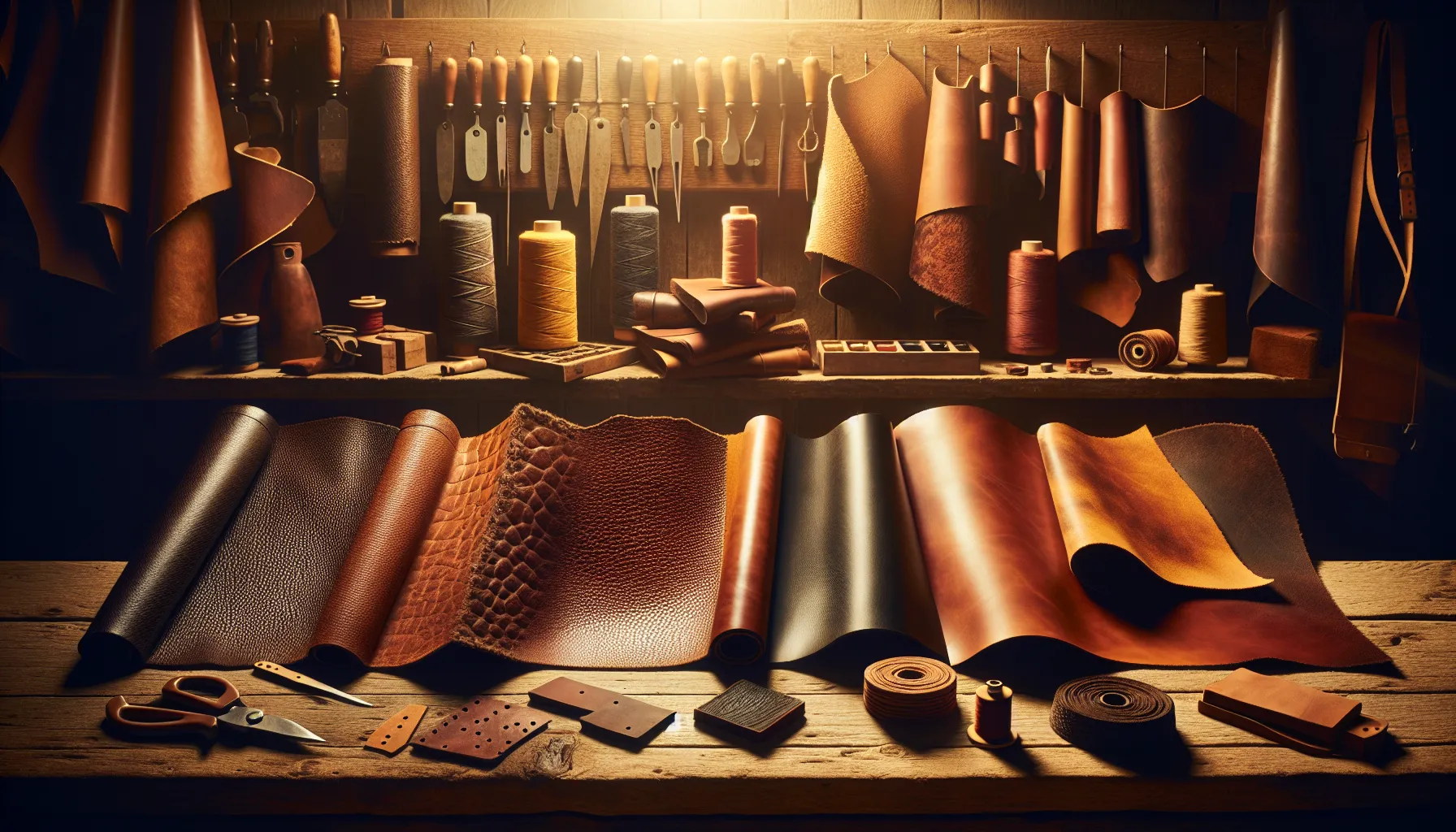
Leather comes in several types, each with unique attributes. At the forefront, we have full-grain leather, known for its durability and natural finish. It retains the hide’s original texture and character, often exhibiting beautiful variations. Next is top-grain leather, which is sanded and treated to remove imperfections but still boasts quality. Below these, we find corrected grain leather, made from lower-quality hides and treated to appear more refined. Finally, bonded leather incorporates leather scraps and fibers combined with synthetic materials. Understanding these distinctions prepares us for better decision-making.
Characteristics of Genuine Leather
Genuine leather possesses specific traits that set it apart. First, let’s appreciate the tactile benefits: it feels soft and pliable, exhibiting a natural warmth that can’t be replicated. The scent of real leather is distinctive, a rich, earthy aroma as opposed to the sharpness of synthetic options. When we observe the surface, real leather displays imperfections, showcasing its authenticity. Also, genuine leather patinas beautifully, developing a unique character over time, unlike unnatural materials that may look worn or faded without the same charm.
Identifying Faux Leather
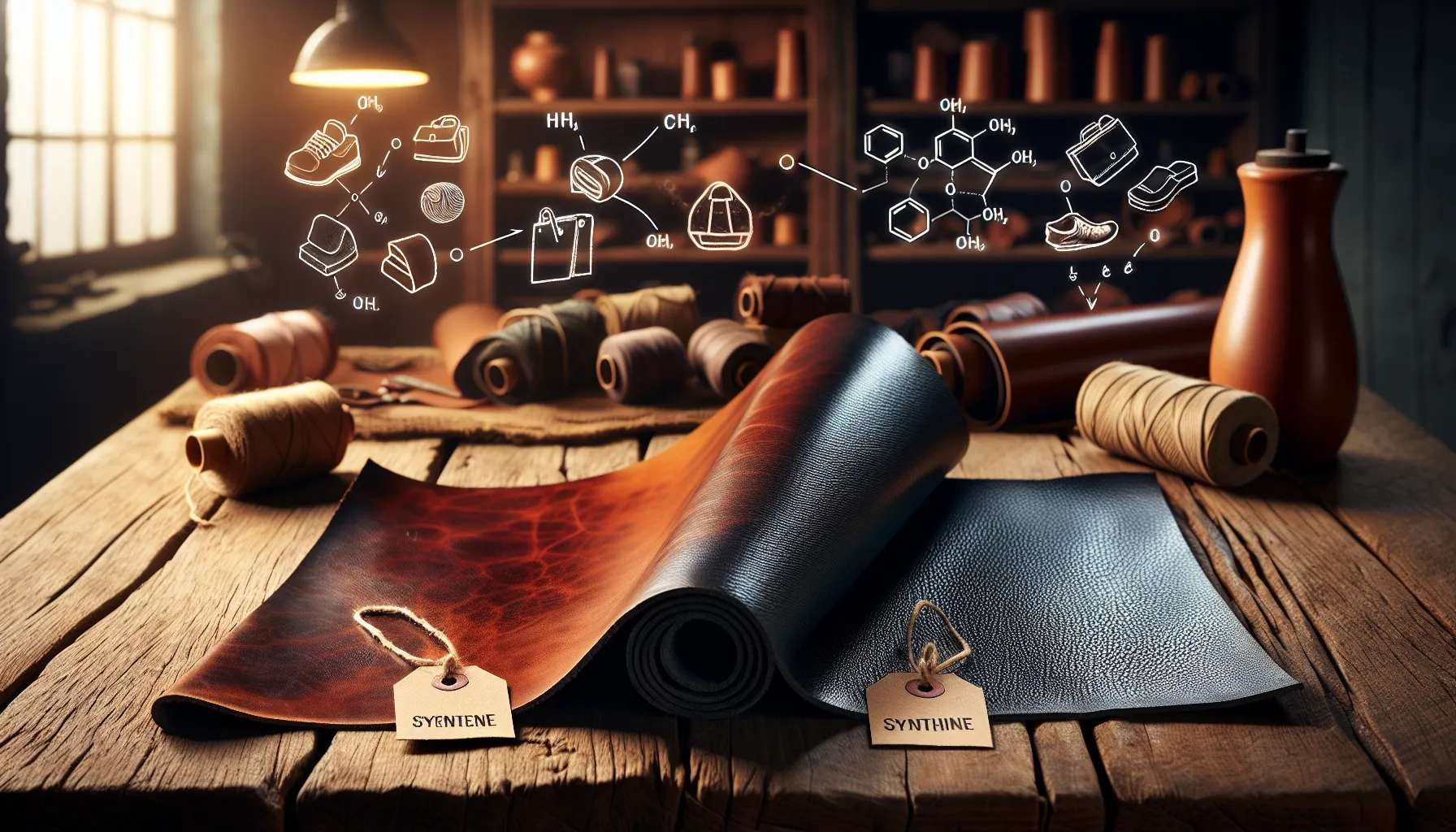
Faux leather, often made from polyurethane (PU) or polyvinyl chloride (PVC), has its own set of identifiers. A quick test involves the scent: if it smells overly chemical or plasticky, it’s likely not the real deal. We can also check the surface: faux leather might have a uniform pattern and appears overly shiny. Also, if you bend the material, it may feel stiff or hardened, lacking the supple nature of real leather. Understanding these identifiers can save us from an uninspired purchase.
Practical Tests for Verification
Before committing to a leather purchase, we can employ several tests to confirm authenticity. The water test serves as a reliable indicator: real leather absorbs water, while faux leather repels it. A small drop placed on the surface can reveal much. We can also consider the fire test, placing a small piece of leather in a flame: real leather chars while faux leather melts. Finally, examining the stitching can help: high-quality leather items often exhibit neat, tight stitches that reflect craftsmanship.
Common Myths About Leather
Many myths surround leather, often clouding our judgments. One common misconception is that all expensive items must be genuine leather. Prices can sometimes be inflated due to branding rather than quality. Another myth suggests that all leather items require extensive care. In reality, many quality leathers are quite durable and require minimal upkeep. We must also be aware that ‘genuine leather’ doesn’t guarantee quality: it merely indicates a product contains some leather content, often of the lowest grade.
Sustainable Leather Options
As we become more conscious of our consumption, exploring sustainable leather options is paramount. Several brands prioritize ethical sourcing and eco-friendly practices. Vegetable-tanned leather, for example, uses natural tannins and avoids toxic chemicals, making it a more sustainable choice. Recycled leather products also provide innovative solutions, transforming waste into fashion. By choosing sustainable options, we contribute to a more responsible leather industry and feel good about our purchases.
Conclusion
Distinguishing real leather from fake doesn’t have to be overwhelming. With a clear understanding of the types, characteristics, and practical tests, we can confidently shop for genuine leather goods. Let’s embrace quality over quantity, ensuring our leather investments are both ethical and enduring. By equipping ourselves with this knowledge, not only do we enhance our own shopping experiences, but we also empower others by sharing what we’ve learned.
Published: February 6, 2026 at 10:50 am by Ellie B, Site owner & Publisher
To provide the best experiences, we use technologies like cookies to store and/or access device information. Consenting to these technologies will allow us to process data such as browsing behaviour or unique IDs on this site. Not consenting or withdrawing consent, may adversely affect certain features and functions.
Functional
Always active
The technical storage or access is strictly necessary for the legitimate purpose of enabling the use of a specific service explicitly requested by the subscriber or user, or for the sole purpose of carrying out the transmission of a communication over an electronic communications network.
Preferences
The technical storage or access is necessary for the legitimate purpose of storing preferences that are not requested by the subscriber or user.
Statistics
The technical storage or access that is used exclusively for statistical purposes.The technical storage or access that is used exclusively for anonymous statistical purposes. Without a subpoena, voluntary compliance on the part of your Internet Service Provider, or additional records from a third party, information stored or retrieved for this purpose alone cannot usually be used to identify you.
Marketing
The technical storage or access is required to create user profiles to send advertising, or to track the user on a website or across several websites for similar marketing purposes.