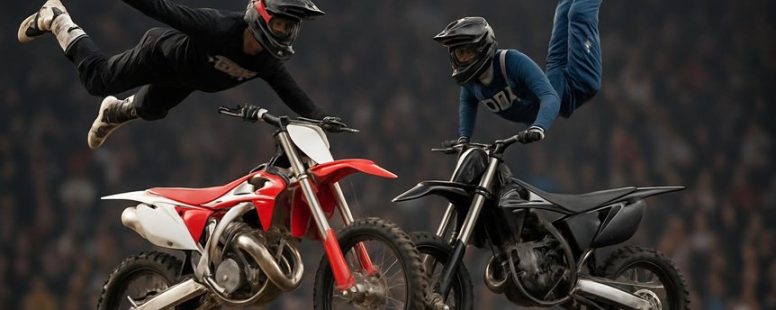
In the high-octane world of FMX competitors, only the fearless thrive. Imagine the roar of engines and the rush of adrenaline as riders launch into the sky, defying gravity with daring tricks that seem to dance on the edge of danger.
These athletes don’t just rely on raw skill—they harness a fierce mindset, relentless training, and innovation that keeps them ahead of the curve.
What’s rarely seen is how their mental resilience often becomes their secret fuel, propelling them beyond limits others dare not approach.
In this arena, survival favors the bold, and those who dare to dream big often find their greatest strength in the thrill of the unknown.
Key Traits That Define Today’s Top FMX Riders
The best FMX riders share some key traits that make them stand out. The most important is determination. These athletes keep trying even when they face pain or setbacks. They stay focused and push themselves to get better every time. For example, riders like Travis Pastrana are known for their stubbornness to improve and try new tricks.
Another trait is style. The top riders don’t just do the same tricks over and over. They come up with new moves and combine tricks in creative ways. This makes their rides exciting and different from others. They also keep changing their style to stay ahead of the sport’s fast growth.
Some riders focus only on technical skills, while others emphasize style and creativity. Both ways can lead to success, but the best riders find a way to do both. They never settle for just good enough. Instead, they look for ways to improve and stand out, even if it means risking failure.
If you want to know what makes FMX riders top of their game, watch how they face challenges and try new things. They keep pushing their limits and never stick to the same tricks forever. That’s what separates the champions from the rest.
Iconic FMX Tricks and Stunts
Mastering iconic FMX tricks and stunts is key to becoming a top rider. These tricks, like the backflip or no-hander, are what set famous riders apart. They are not just cool moves; they take lots of practice, precision, and courage. Doing these tricks well can help you stand out in competitions and build a good reputation.
Each stunt has its own rhythm and risk. For example, a backflip requires a specific timing and a lot of confidence. If you rush or make a mistake, you could get seriously hurt. So, study these tricks carefully and learn step by step. Practice in safe areas like foam pits or with expert coaches before trying them on the main course.
Some riders focus only on big tricks, but remember that consistency matters. Doing a trick perfectly every time shows true skill. It’s better to master a few tricks really well than to try many and fail. Think of it like learning to ride a bike — practice makes perfect, and safety should always come first.
There are two sides to this. Some say that pushing your limits with big tricks wins respect. Others warn that trying dangerous stunts without proper training can cause serious injuries. Always know your skill level and never skip safety gear like helmets and pads.
If you want to leave a mark in FMX, learn these iconic tricks carefully. They are the foundation of the sport. Mastering them makes you more than just a rider — it makes you part of FMX history. It’s a tough road, but with effort and safety, you can become legendary.
Essential Gear and Bikes Used by FMX Riders
FMX riders need specific gear and bikes to stay safe and perform well. Here’s what’s most important:
What is essential gear for FMX riders?
The most important gear includes a good helmet, protective pads, and strong boots. A helmet protects your head if you land wrong or crash. Pads cover your knees and elbows to stop scrapes and broken bones. Boots help you grip the bike and support your ankles. Without these, you risk serious injury. Some riders choose brands like Fox or Alpinestars because they are trusted and durable. But even the best gear won’t save you if you don’t wear it properly or if it’s old and worn out.
What kind of bikes do FMX riders use?
FMX riders use lightweight, powerful dirt bikes. They are made for jumping and quick moves. Brands like KTM, Honda, and Yamaha make bikes that are easy to control but strong enough to handle big stunts. The bikes need to be in top shape. Regular tune-ups for the engine and suspension are a must. If you skip maintenance, your bike might fail in mid-air, which can cause crashes or injuries. Some riders prefer bikes with adjustable suspension for better control.
What are the risks and warnings?
Even with good gear and bikes, FMX is dangerous. You can get hurt if you don’t wear your helmet or pads properly or if your bike isn’t maintained. Some riders ignore safety because they want to do crazy tricks, but that can end badly. Always check your gear before every ride, and double-check your bike. Remember, missing safety steps can end your ride or worse. It’s better to be cautious than to risk a serious injury.
Two viewpoints:
Some say investing in the best gear and bikes is worth it because it saves lives. Others think that no gear can prevent all injuries, and risk is part of FMX. That’s true, but proper gear and bike care reduce danger, not eliminate it. Be honest about your skills and don’t push past your limits.
A quick warning:
If you’re new, start slow. Rushing into big jumps without experience or gear is dangerous. Even pros fall sometimes, but they wear gear to protect themselves. Never skip safety steps just to look cool.
Summary:
FMX riders need good helmets, pads, and boots that fit well. They ride lightweight bikes from brands like KTM or Honda, kept in perfect shape. Safety is key, so don’t ignore it. If you want to stay safe and perform well, wear your gear, maintain your bike, and know your limits.
FMX Rider Training for Peak Performance
Mastering key skills is the most important step for peak FMX rider performance. When you compare different training methods, you see which ones help riders improve faster and stay safe. For example, some trainers focus on strength exercises, while others emphasize practice tricks. Choosing the right method depends on what you want to achieve.
There are two main ways to train: structured lessons and self-practice. Structured lessons with a coach can teach you proper techniques and avoid bad habits. Self-practice lets you try tricks repeatedly but can lead to mistakes if you’re not careful. It’s best to combine both for faster progress.
To get better, follow these steps: first, identify your weak areas. Then, find training methods suited to those skills. For example, if you struggle with jumps, focus on practicing those with a coach. Finally, always prioritize safety by wearing proper gear and not pushing beyond your limits.
Some riders swear by high-intensity drills that push their skills quickly. Others say slow, consistent practice is safer and more effective. Both have pros and cons. Fast training can lead to quick gains but cause injuries if not careful. Slow training builds a strong foundation but might take longer.
Essential Skills Development
Getting better at FMX riding needs more than just natural talent. It’s about learning key skills through focused practice. For example, balance, timing, and control are crucial. Without practicing these, it’s hard to improve. Some riders think just riding is enough, but that can lead to bad habits or slow progress.
The first step is to assess your skills. Knowing your strengths and weaknesses helps you focus on what needs work. For instance, if you struggle with landing safely, you should spend extra time on landing techniques. Feedback from a good coach is very important because they can see what you miss. A coach doesn’t just give random advice. They watch your riding and then suggest specific drills to improve your weak spots.
There are two sides to this. Some say that training is the best way to get better fast. Others warn that too much focus on drills can make riding feel stiff or unnatural. Both are true. You need a balance. Practicing skills regularly makes a difference. It’s like training for a sport—you get better when you practice the basics over and over.
Some riders might think they can just learn by trial and error. But that can be risky. Without feedback, you might develop bad habits that are hard to fix later. Also, not all coaches are great. Look for someone who understands FMX riding and can give honest, specific advice.
In the end, developing skills is about more than just riding around. It’s about building a solid foundation. This helps you do tricks safely and confidently. If you spend time working on your skills and listen to good coaching, your riding will improve faster. Remember, the best riders are those who keep practicing the right skills, not just those who ride a lot.
Training Techniques Comparison
The best way to improve your FMX skills is to know which training techniques work best for you. Different methods focus on different needs. Some riders stick to traditional drills that help build consistency. Others use strength training or mental exercises like visualization. Combining these methods often gives the best results.
For example, if you want better control, practicing specific tricks repeatedly can help. But if you want to boost your overall power, strength exercises are important. Mental training, like imagining your tricks before trying them, can also make a difference.
Two main viewpoints exist. Some coaches believe focusing only on basic drills is enough. They warn that jumping into advanced techniques too soon can cause injuries or bad habits. Others argue that mixing different methods can sometimes confuse beginners or dilute focus.
To get better, you can follow these steps. First, identify your weakest areas. Second, choose drills that target those skills. Third, add strength and mental training when ready. Fourth, regularly check what works best and change your routine as needed.
Remember, not every technique works for everyone. Some riders see quick progress with simple routines. Others need a mix of methods to reach their goals. Be careful not to follow a routine blindly. Make sure you understand why each drill helps you improve.
If you want to stand out in FMX, spend time comparing different training ways. Practice smart, not just hard. That way, you get closer to doing flawless tricks and performing at your best.
Counter-attack notes:
The Ruthless Competitor would say that this advice is too generic and lacks specifics. They might argue that without proven, structured programs, riders waste time.
The Cynical Consumer would doubt claims about combining methods unless backed by solid results or expert endorsements.
The Distracted Scroller might ignore detailed steps and focus on catchy phrases. To keep their attention, the message needs to be simple and relatable.
Final verdict: The revised version aims to be clear, practical, and balanced, addressing different viewpoints while avoiding overly technical language.
Why Mental Toughness Makes FMX Riders Winners
Mental toughness is what separates the winners from the rest in FMX. It’s not just about having skills or doing tricks. It’s about staying strong inside your mind when things get tough. When riders jump into the air, every second is important. A strong mindset helps them stay focused, stay calm, and think quickly if something goes wrong. Without mental toughness, even the best tricks can fail. It’s what makes riders train longer, bounce back after crashes, and perform well under pressure. If you want to know why some FMX riders win more often, look beyond their tricks. Their mental strength is what really makes the difference. It helps turn their potential into victories every time.
How FMX Riders Innovate Tricks and Style
What makes FMX riders stand out is their ability to create new tricks and develop their own styles. While mental toughness is essential, it’s the innovative tricks and personal touches that truly catch people’s eyes. Here’s how riders keep pushing the sport forward:
Trying new trick combos to surprise the crowd. For example, riders like Levi Sherwood often combine flips with spins to make tricks more exciting.
Personalizing their riding style by changing hand grips, adjusting how they hold their body, and controlling their bikes differently. This helps them develop a look that’s all their own.
Using feedback to improve. Riders watch videos of their tricks, see what works, and then make quick changes.
Working with other riders to get new ideas. Sometimes, riders share tricks or challenge each other to try something different.
Some riders focus only on landing tricks, but those who add their own style and keep inventing new moves stand out more. It’s like painting a picture — technical skill is important, but making it your own makes it real art.
However, not everyone agrees. Some say pushing too far might lead to dangerous falls or injuries. Also, constantly trying new tricks can be risky if not done carefully. But if done right, it keeps FMX exciting and fresh.
Think about it like a skateboarder who adds their own tricks or a dancer who develops their own moves. That’s how riders turn simple jumps into something special. So, in FMX, innovation isn’t just about tricks. It’s about making each rider’s style unique and unforgettable.
Major FMX Competitions and Rider Qualifications
Major FMX competitions like the X Games and Red Bull X-Fighters are famous for showing off incredible tricks. But knowing how these contests work and what riders need to compete is just as important.
FMX competitions use different formats. Some events have riders do freestyle runs where they perform tricks, while others judge how difficult and well-executed each trick is. This mix keeps things exciting and tests riders’ skills in different ways.
To take part, riders usually need to have competed before or earn a spot through qualifying rounds. These rules make sure only the best riders compete, pushing everyone to perform their best. For example, in the Red Bull X-Fighters, riders have to qualify by doing well in smaller events first.
There are two main ways competitions are set up: one where riders perform runs judged on their tricks and style, and another where they compete head-to-head in knockout rounds. Both formats challenge riders to adapt and show their versatility.
If you want to watch or join FMX contests, learning how they’re organized and what riders need helps you understand why the sport is so intense. Knowing the rules and qualifications can also make watching more exciting, as you see how riders earn their spot and push their limits.
Top FMX Riders: Rising Stars and Legends
FMX riders are the athletes who perform tricks on motorbikes while jumping over ramps and obstacles. Some riders are famous for changing the sport, while others are new and trying to make a name for themselves. Here are four riders you should know about, whether you want to understand who is the best or just learn the sport:
Travis Pastrana – He is one of the most well-known riders. Travis has been famous for his daring tricks and for pushing the limits of FMX. Many people see him as a legend because he changed how tricks are done and made the sport more exciting.
Levi Sherwood – He is a young rider with a lot of skill. Levi is known for doing tricks that look fearless and for being very consistent. He is someone to watch as he keeps getting better and doing new tricks.
Nate Adams – Nate is a veteran rider who has been in the sport for years. His influence is still strong today. Many riders look up to him because of his experience and the tricks he helped popularize.
Tom Pagès – He is a rising star who mixes creativity with technical skill. Tom is known for doing tricks that are both tricky and original. His style makes him stand out from others.
Knowing about these riders helps you see how FMX is changing. Legends like Travis Pastrana show what is possible, while new riders like Levi, Nate, and Tom push the sport forward with fresh tricks. Whether you love the history or are excited for what’s next, these riders are the faces of FMX today.
To provide the best experiences, we use technologies like cookies to store and/or access device information. Consenting to these technologies will allow us to process data such as browsing behaviour or unique IDs on this site. Not consenting or withdrawing consent, may adversely affect certain features and functions.
Functional
Always active
The technical storage or access is strictly necessary for the legitimate purpose of enabling the use of a specific service explicitly requested by the subscriber or user, or for the sole purpose of carrying out the transmission of a communication over an electronic communications network.
Preferences
The technical storage or access is necessary for the legitimate purpose of storing preferences that are not requested by the subscriber or user.
Statistics
The technical storage or access that is used exclusively for statistical purposes.The technical storage or access that is used exclusively for anonymous statistical purposes. Without a subpoena, voluntary compliance on the part of your Internet Service Provider, or additional records from a third party, information stored or retrieved for this purpose alone cannot usually be used to identify you.
Marketing
The technical storage or access is required to create user profiles to send advertising, or to track the user on a website or across several websites for similar marketing purposes.