Picture flashing a confident smile without worrying about your overbite. For many, the idea of fixing dental issues discreetly feels like a dream, but invisible aligners have made this a reality. If you’ve ever wondered whether these sleek, clear trays can tackle an overbite effectively, you’re not alone. It’s a common question with answers that might surprise you.
Overbites don’t just affect aesthetics—they can impact chewing, speech, and even jaw health. The thought of bulky braces may seem daunting, but invisible aligners promise a subtle yet powerful solution. Are they up to the challenge? With advancements in orthodontics, correcting an overbite has become more accessible and less intrusive than ever before.
What Is Invisible Aligners?
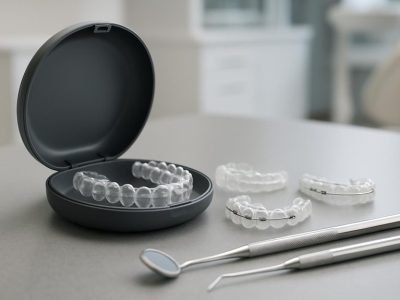
Invisible aligners are custom-made, clear trays designed to straighten teeth gradually. They use advanced 3D imaging technology to map out your dental structure and create a precise treatment plan. Unlike traditional metal braces, these aligners are transparent and removable.
Each set of aligners applies controlled pressure to specific areas of your teeth. Over time, this shifts them into the desired position. They’re typically replaced every one to two weeks with a new set tailored for the next phase of adjustment.
Invisible aligners are often made from BPA-free plastic materials that prioritize comfort and durability. They reduce irritation compared to brackets and wires in conventional orthodontics. For example, Invisalign is one popular brand known for its effectiveness across various alignment cases.
These aligners can address several dental issues beyond overbites, including crowding, gaps between teeth, and crossbites. Treatment duration varies based on complexity but usually lasts between six months and two years.
For best results, users wear them around 20-22 hours daily except when eating or brushing their teeth. This flexibility makes them ideal for individuals seeking discreet orthodontic solutions while maintaining normal routines.
Understanding Overbite
An overbite occurs when the upper front teeth excessively overlap the lower front teeth. It’s one of the most common dental issues, often affecting both function and appearance.
Types Of Overbites
Overbites fall into two primary categories: skeletal and dental. Skeletal overbites result from jawbone irregularities, where either the upper jaw protrudes or the lower jaw recedes. Dental overbites occur due to improper teeth alignment without significant jawbone involvement.
In severe cases, deep bites—a type of skeletal overbite—can lead to complications like gum irritation or enamel wear on lower teeth. Mild dental overbites are usually cosmetic but may still affect speech clarity or chewing efficiency.
Causes Of Overbites
Genetics plays a significant role in determining your jaw structure, which can predispose you to an overbite. Childhood habits such as thumb-sucking, prolonged pacifier use beyond age three, or tongue-thrusting during swallowing can exacerbate this condition.
Tooth loss without timely replacement might cause adjacent teeth to shift out of place, resulting in a worsening bite alignment. Also, nail-biting or excessive chewing on hard objects can contribute to uneven tooth wear that exacerbates existing misalignments.
Does Invisible Work With Overbite?
Invisible aligners are a popular option for addressing overbites. Their design targets gradual teeth adjustments, offering an effective solution depending on the severity of the condition.
Effectiveness For Mild Overbites
Invisible aligners effectively treat mild overbites caused by improper teeth alignment. These cases involve minimal overlapping of the upper front teeth over the lower front teeth. Aligners use controlled pressure to shift teeth into their proper positions, correcting bite issues without invasive procedures.
For instance, individuals with a 2-4 mm overlap may see significant improvement within 6-12 months. Aligners also benefit patients seeking a discreet alternative to traditional braces, preserving aesthetics during treatment. Regular use of aligners for 20-22 hours daily ensures optimal progress in correcting mild dental overbites.
Challenges With Severe Overbites
Treating severe overbites using invisible aligners can be more complex because they often stem from skeletal irregularities rather than just dental misalignment. Severe cases typically feature overlaps exceeding 5 mm and may require additional interventions like elastics or jaw surgery alongside aligner therapy.
For example, if you have a pronounced skeletal discrepancy, orthodontists might recommend combining clear aligners with other advanced techniques to address bone structure concerns comprehensively. Treatment durations for severe overbite corrections using aligners alone could extend beyond two years due to these complexities.
Benefits Of Using Invisible Aligners For Overbite
Invisible aligners offer a range of advantages for correcting overbites, enhancing both functionality and aesthetics. These benefits make them an appealing choice for many individuals seeking orthodontic treatment.
Discreet Appearance
The clear design of invisible aligners ensures they remain virtually unnoticeable while in use. Unlike traditional braces with metal brackets and wires, these aligners allow you to straighten your teeth without drawing attention.
Improved Comfort
Made from smooth BPA-free plastic, invisible aligners eliminate the discomfort often associated with sharp edges or protruding wires found in metal braces. Their custom-fit design minimizes irritation to your gums and cheeks.
Removability
You can remove invisible aligners while eating, drinking non-water beverages, or brushing your teeth. This flexibility lets you maintain better oral hygiene compared to fixed appliances like braces.
Reduced Treatment Visibility During Social Interactions
Whether you’re attending meetings, events, or social gatherings, the subtle nature of these trays helps boost confidence by reducing self-consciousness about orthodontic treatment.
Efficient Progress Tracking
Each set of aligners is designed to achieve specific tooth movements within a defined time frame—typically 1-2 weeks per set—enabling measurable progress throughout the treatment period.
Shorter Treatment Times (In Some Cases)
Mild cases of dental overbites may see significant improvements within 6-12 months using invisible aligners when worn as recommended (20-22 hours daily). This duration often compares favorably with traditional methods that might require longer adjustment periods.
Fewer Orthodontist Visits
Aligner adjustments are less frequent than brace tightening appointments since new trays can be delivered directly after initial fittings if no major issues arise during monitoring visits.
Dual Functionality For Multiple Issues
Beyond overbites caused by misaligned teeth, invisible aligners also address problems such as crowding (e.g., overlapping incisors), gaps (e.g., diastema between front teeth), and mild crossbites effectively through controlled pressure application across targeted areas simultaneously.
These advantages position invisible aligners as a modern solution tailored for convenience and effectiveness while maintaining focus on user comfort and discretion during orthodontic corrections involving overbite conditions specifically tied more closely too dental misalignment rather than skeletal irregularities..
Potential Limitations And Considerations
Invisible aligners can effectively treat mild to moderate overbites, but they aren’t always suitable for every case. Complex overbites caused by skeletal discrepancies, where the jaw structure is misaligned rather than just the teeth, often require additional interventions. For example, severe cases with overlaps exceeding 5 mm may involve treatments like elastics or even jaw surgery alongside aligners.
Treatment timelines vary significantly depending on the severity of your overbite. While mild cases might see improvement within six months to a year, more complex conditions could take two years or longer. Patients should also maintain consistent aligner use—wearing them less than 20 hours daily can delay progress and reduce effectiveness.
Cost considerations are another factor. Invisible aligners tend to be more expensive than traditional braces for some individuals even though their advantages in comfort and aesthetics. Insurance coverage varies widely; ensure you check your plan’s orthodontic benefits before starting treatment.
Compliance plays a critical role in success when using invisible aligners. Forgetting to wear them regularly or failing to switch trays as directed by an orthodontist can hinder results. For instance, if users frequently remove their aligners during meals and forget to replace them promptly, it disrupts continuous pressure application essential for realignment.
Certain dental issues may limit eligibility for invisible aligner treatment altogether. Examples include untreated gum disease or severely worn teeth that might not provide a stable foundation for proper correction. Preexisting oral health problems must be addressed before beginning any orthodontic program involving clear trays.
Conclusion
Invisible aligners provide a modern, discreet, and effective way to address mild to moderate overbites caused by dental misalignment. Their comfortable design and removability make them an appealing option for those seeking flexibility in their orthodontic treatment. While they may not be suitable for severe skeletal cases without additional interventions, they remain a powerful solution for many individuals looking to improve both function and appearance. By staying consistent with wear and following your orthodontist’s guidance, you can achieve noticeable results and take a significant step toward a healthier, more confident smile.
Published: July 25, 2025 at 9:25 am by Ellie B, Site owner & Publisher
To provide the best experiences, we use technologies like cookies to store and/or access device information. Consenting to these technologies will allow us to process data such as browsing behaviour or unique IDs on this site. Not consenting or withdrawing consent, may adversely affect certain features and functions.
Functional
Always active
The technical storage or access is strictly necessary for the legitimate purpose of enabling the use of a specific service explicitly requested by the subscriber or user, or for the sole purpose of carrying out the transmission of a communication over an electronic communications network.
Preferences
The technical storage or access is necessary for the legitimate purpose of storing preferences that are not requested by the subscriber or user.
Statistics
The technical storage or access that is used exclusively for statistical purposes.The technical storage or access that is used exclusively for anonymous statistical purposes. Without a subpoena, voluntary compliance on the part of your Internet Service Provider, or additional records from a third party, information stored or retrieved for this purpose alone cannot usually be used to identify you.
Marketing
The technical storage or access is required to create user profiles to send advertising, or to track the user on a website or across several websites for similar marketing purposes.