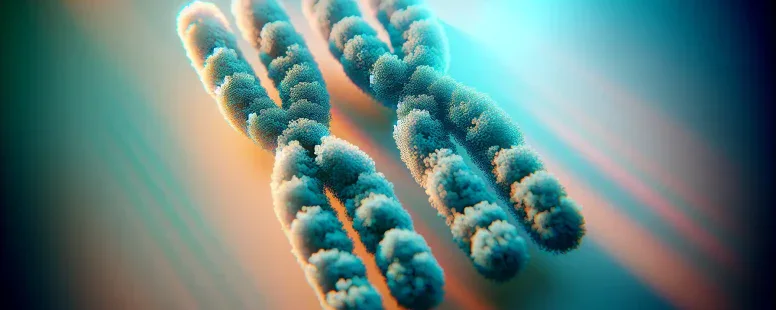
Picture unlocking the secrets of what makes you uniquely you—right down to the tiniest strands of DNA. Picture two microscopic shapes, the X and Y chromosomes, quietly orchestrating everything from your eye color to the pitch of your voice. They’re like the conductors of a symphony, guiding the melody of life in ways you might never expect. how a single letter difference can set the stage for so much diversity? The X and Y chromosomes don’t just decide biological sex—they influence hidden talents, health risks, and even how you experience the world. Discovering their differences isn’t just science—it’s a journey into the blueprint of humanity, full of surprises waiting to be revealed.
Overview of Chromosomes in Humans
Chromosomes shape your blueprint—they’re like library shelves, each holding chapters of your DNA story. Each of your cells typically contains 23 pairs of chromosomes, totaling 46 (NIH, Genetics Home Reference). These pairs divide into autosomes and one pair of sex chromosomes—X or Y—that set the stage for biological sex. For example, women commonly have two X chromosomes (XX), while men often carries both an X and a Y (XY). how a single letter’s difference in this genetic alphabet can ripple through generations?
X chromosomes span more base pairs and store over 1,000 genes, ranging from color vision (OPN1LW, OPN1MW) to immune responses (IL2RG), shaping countless features. Compare that to the Y chromosome, home to fewer than 100 genes, like the SRY gene, which triggers testis development. Think of X as an encyclopedic archive, while Y’s a specialized toolkit.
Chromosomal anomalies rewrite this genetic script. Aneuploidies like Turner syndrome (X0 configuration) or Klinefelter syndrome (XXY) can change the narrative—perhaps altering height, fertility, or medical risk. Picture facing life with an unexpected plot twist, written into your DNA before birth.
Which genetic story are you carrying? The 8 million possible combinations from parents’ chromosomes mean everyone’s code blends surprises, resilience, and vulnerabilities. Medical advances can now reveal chromosomal mosaicism or microdeletions, sometimes explaining health mysteries that puzzled generations.
If you gaze at your family tree, remember each branch grew from the differing choreography of Xs and Ys—each step a leap in genetic diversity. What chapters might remain unread in your own?
Structure of X and Y Chromosomes
X and Y chromosomes each follow a distinct blueprint, shaping every cell in your body. Their unique genetic structures influence everything from inherited traits, to genetic disorders that ripple through generations.
Genetic Composition
X and Y chromosome genes determine a cascade of traits. The X chromosome, carrying over 1,000 genes according to NIH sources, encodes instructions for vision, blood clotting, and neural development—just to name a few examples. Your X chromosome might hide a rare color vision variant or a resilience to hemophilia. Y chromosome tells a different story; it holds less than 100 genes, but one of it’s crown jewels is the SRY gene. That SRY gene triggers a symphony of male biological development, creating traits you might never notice, like the shape of your chin or the pitch of your voice. Ask yourself—what hidden genetic message rides along each X or Y you inherited?
Size and Shape Differences
Size and shape separates the X and Y chromosomes under the microscope. The X chromosome is larger, stretching about 155 million base pairs, making it almost five times the length of the Y. This bulk means it towers over the stubby Y chromosome, which only carries about 58 million base pairs (NCBI, 2023). Picture a bustling city versus a small rural town: X’s urban sprawl allows so much more traffic—genes, regulatory sequences, and genetic diversity. In contrast, the Y chromosome stands like a skinny bridge, carrying only essential traffic for male differentiation. Some scientists even like to joke that the Y chromosome is on a structural diet, since over evolutionary time, it’s lost most of it’s genetic baggage.
Chromosome
Gene Count
Base Pair Size
Structural Features
Example Genes
X
>1,000
155 million
Large, submetacentric, rich in regulatory regions
MECP2, DMD, F8
Y
<100
58 million
Small, acrocentric, mostly male-specific genes
SRY, DAZ, TSPY
If you could look inside one of your own cells and see your chromosomes, X chromosome would appear broad and robust, while the Y seems almost like a narrow strand beside it. what stories your own chromosomes would tell, if their structures could speak? Their contours and curves continue writing your genetic story, generation after generation.
Functions of X and Y Chromosomes
Your X and Y chromosomes shape much more than a simple biological label—they orchestrate an intricate symphony of genetic functions. Their influence weaves through your growth, your family story, and even your potential.
Role in Sex Determination
Your sex chromosome pairing—XX or XY—determines sex in humans. The Y chromosome carries the SRY gene, which acts like a switch, starting the process that makes male characteristics appear. If you got two X chromosomes, one from each parent, your development goes along the female pathway, SRY gene isn’t there. If an XX person lacks the correct balance, for example with a genetic mutation, the story can take unexpected turns—like the rare Swyer syndrome, where XY individuals develop as females (NIH Genetics Home Reference).
The timing is narrow: the SRY gene triggers testis formation just weeks after conception, with cascading effects. Without Y, ovaries will form, leading to the female phenotype. But if there’s an atypical SRY gene, the genetic script rewrites itself, revealing how these few genes steer such visible outcomes.
Influence on Inheritance Patterns
Your X and Y chromosomes direct how certain traits and diseases pass down through generations. The X chromosome, holding more than 1,000 genes, affects conditions like color blindness, hemophilia, and Duchenne muscular dystrophy, all X-linked traits. You might noticed that these often appear in men—since they only have one X, a single altered gene writes the code for the whole trait.
The Y chromosome only passes from fathers to sons. Its genes, fewer than 100, stick together in inheritance—hardly changing across many generations. This creates a genetic compass for surname or ancestry tracing. Picture the Y chromosome as a single brush stroke, unchanged, across a family painting.
X-linked inheritance creates a puzzle: sometimes, mothers are carriers, but never affected, while sons express the trait with just one copy. Its complexity shows in famous royal bloodlines, where hemophilia traced from Queen Victoria into multiple European monarchies (National Hemophilia Foundation).
How do these patterns play out in your family? Each generation turns a new genetic page, sometimes copying the story as written, sometimes giving a surprise twist—X and Y chromosomes hold the pen, whether you realize it or not.
Key Differences Between X and Y Chromosome
You can think of your X and Y chromosomes as the two narrators of your genetic story, each weaving a separate but intertwined plot. These chromosomes don’t just determine biological sex—they sculpt the possibility space of traits, risks, and sometimes even hidden strengths in ways you might never expects.
Gene Content and Expression
You’ll spot a striking contrast when you compare gene content and expression between the X and Y chromosomes. The X chromosome houses over 1,000 protein-coding genes, including critical regulators for color vision, blood clotting, and brain function (NIH Genetics Home Reference). For example, genes like G6PD and F8—linked to glucose metabolism and hemophilia A—reside here, quietly influencing health across generations. The Y chromosome, in contrast, carries fewer than 100 functional genes with the majority focused on male sex determination and sperm production, a classic example being the SRY gene. Picture two vast cities: X is bustling and busy; Y is a small outpost, vital yet more specialized.
You might wonders why this gap exists. Over millions of years, the Y chromosome lost much of its original content—a genetic strip-mining that left behind only what mattered to male lineage survival. If both chromosomes are like libraries, the X offers a sprawling archive while the Y stores just a handful of essential reference books. How does this genetic minimalism affect you? Males, with one X and one Y, express recessive X-linked traits in full, which is why color blindness—caused by changes in the OPN1LW gene on the X chromosome—shows up much more in boys than girls. Girls have a second X chromosome, providing a backup for many of these crucial instructions.
Disorders Related to X and Y Chromosome Abnormalities
You’ll often hear real-life stories where genetics rewrite someone’s path. Consider hemophilia, a bleeding disorder that haunted royal European families and changed political alliances; Queen Victoria’s descendants spread this X-linked trait across continents. Turners syndrome, affecting about 1 in 2,500 female births, results from the loss or alteration of an X chromosome—presenting with short stature, delayed puberty, and sometimes heart defects (CDC). Males aren’t exempt; Klinefelters syndrome (XXY karyotype) leads to small testes, low testosterone, and sometimes learning difficulties.
Y chromosome anomalies can slip under the radar, yet they sometimes delivers surprises. Males born with Swyer syndrome own a typical XY set, but a faulty SRY gene means their bodies develop female characteristics—and many only discover the truth in adolescence. Y chromosome microdeletions can also cause infertility: silently shaping couples’ stories and family dreams after years of searching for answers.
Every chromosome carries possibilities, not guarantees. Would knowing your X and Y secrets shape decisions about family planning, health screenings, or even career paths? Some advocate early genetic counseling (American Society for Reproductive Medicine), while others caution about determinism. The only certainty: These chromosomes keep revealing new chapters, sometimes offering clues, sometimes posing riddles that genetics is only now beginning to solve.
Importance of Understanding Chromosomal Differences
Grasping chromosomal differences transforms not only your understanding of biology but also unveils unseen threads in your life’s story. X and Y chromosomes, like two architects shaping different wings of a house, decide your body’s blueprint in ways that goes far beyond boy-or-girl questions. Genetics researchers, like those at the National Institutes of Health, shown how the X chromosome’s 1,000+ genes touch everything from your color vision to how your blood clots (NIH, Genetics Home Reference). Ever wonder why red-green colorblindness seems to run mostly in men? The answer’s hidden in that single, unpaired X chromosome males carry—meaning an X-linked gene flaw reveals itself with brutal honesty.
Doctors use chromosome analysis as a lens for medical mysteries. Consider families where daughters inherit hemophilia from carrier mothers but sons manifest bleeding disorders—these stories sound like Greek tragedies because they literally rewrite destinies. In rare corners of clinics, someone with Swyer syndrome (missing the SRY gene on the Y chromosome) hears doctors explain, “Biologically, you have an XY chromosome set, but your development followed a different script.”
Understanding these genetic blueprints helps families break cycles. Picture parents with a family history of Duchenne muscular dystrophy—their decision to seek genetic counseling is rarely just academic. It’s as personal as holding a newborn’s hand and hoping they’ve dodged a genetic curse.
Curiosity about ancestry leads people to do DNA tests, searching the Y chromosome for ancestors who crossed continents generations ago, because it’s nearly unchanged—each mutation like a breadcrumb. Yet, the X chromosome, because of its complexity, tells richer, more tangled stories—for instance, how a hidden gene for a rare disease can surface generations after it was “silent”.
Ask yourself: If your genes could predict future risks, maybe heart disease or certain cancers, what choices would you make today? Genetic knowledge lets you shape tomorrow’s story, not just react to today’s plot twist. While it’s tempting to see chromosomes as a deterministic fate, most scientists, like Dr. Mary-Claire King (discoverer of BRCA1, the breast cancer gene), urge caution: DNA’s just one chapter; environment and choices write the rest.
In everyday language, misunderstanding these differences breeds myths and stigma. Too many people still believe women “inherit more” from their mothers, or that the Y chromosome carries “all” of manhood. Accurate knowledge corrects these tales; it empowers—not limits—your sense of self.
Instead of just reading about X and Y chromosomes, start asking new questions. What if your family’s quirks, strengths, and vulnerabilities trace back to this ancient chromosomal lottery? What actions could unlock better health, deeper self-awareness, or even a fresh appreciation for your own unique inheritance? Think of your chromosomes not just as biology, but as the prologue to a story you continually write.
Conclusion
Exploring the X and Y chromosomes opens up a deeper appreciation for the intricate ways your DNA shapes who you are. By understanding these genetic building blocks, you gain insight into your health, family history, and even your potential for future generations.
Stay curious about your genetic story. Each discovery not only helps you make informed choices but also connects you to a broader narrative shared by all of humanity. Your chromosomes hold more than answers—they spark new questions and possibilities every day.
To provide the best experiences, we use technologies like cookies to store and/or access device information. Consenting to these technologies will allow us to process data such as browsing behaviour or unique IDs on this site. Not consenting or withdrawing consent, may adversely affect certain features and functions.
Functional
Always active
The technical storage or access is strictly necessary for the legitimate purpose of enabling the use of a specific service explicitly requested by the subscriber or user, or for the sole purpose of carrying out the transmission of a communication over an electronic communications network.
Preferences
The technical storage or access is necessary for the legitimate purpose of storing preferences that are not requested by the subscriber or user.
Statistics
The technical storage or access that is used exclusively for statistical purposes.The technical storage or access that is used exclusively for anonymous statistical purposes. Without a subpoena, voluntary compliance on the part of your Internet Service Provider, or additional records from a third party, information stored or retrieved for this purpose alone cannot usually be used to identify you.
Marketing
The technical storage or access is required to create user profiles to send advertising, or to track the user on a website or across several websites for similar marketing purposes.