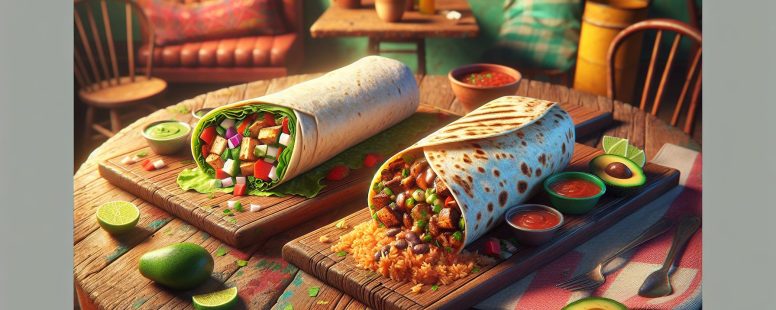
Picture this: you’re standing in line at your favorite lunch spot, stomach growling, and you’re faced with a tantalizing choice—wrap or burrito? Both promise a delicious meal wrapped in a soft tortilla, but what truly sets them apart? As you ponder your decision, the subtle yet significant differences between these two culinary delights begin to unfold.
A wrap, with its roots in the world of sandwiches, offers a lighter, often healthier option. It embraces a variety of fillings, from fresh veggies to lean proteins, all snugly encased in a thin, pliable tortilla. On the other hand, the burrito, a staple of Mexican cuisine, is a hearty feast wrapped in a thicker tortilla, typically packed with beans, rice, meat, and a medley of flavors that burst with each bite.
Understanding these distinctions not only satisfies your curiosity but also enhances your dining experience, allowing you to savor each choice with newfound appreciation.
Understanding Wraps And Burritos
When comparing wraps and burritos, it’s important to clarify their definitions. Though similar in presentation, their flavor profiles and origins offer unique dining experiences.
Definition Of Wrap
Wraps, a modern culinary creation, take inspiration from traditional sandwiches. Typically they’re made using a thin flatbread or tortilla encasing a variety of fillings, like fresh vegetables, lean proteins, and spreads. Popular in healthy eating circles, wraps offer flexible meal options. For example, a chicken Caesar wrap combines crisp lettuce, grilled chicken, and tangy Caesar dressing in a light package. While flour tortillas are commonly used, options like whole-wheat or spinach wraps add extra nutritional value.
Definition Of Burrito
Burritos, a staple of Mexican cuisine, feature a more robust construction. They typically consist of a thicker flour tortilla filled with flavorful ingredients like rice, beans, and meat. This hearty combination makes burritos a substantial meal choice. For instance, a classic beef burrito might include seasoned beef, refried beans, and Spanish rice, all wrapped snugly in a warm tortilla. In contrast to wraps, burritos often come with a side of salsa or guacamole, enhancing their rich flavors.
Historical Background
Understanding the origins of wraps and burritos adds depth to your dining experience. Each carries a rich culinary heritage that shapes its distinct identity.
Origin Of Wraps
Wraps descended from the sandwich family, embracing diverse culinary traditions. In the late 20th century, wraps gained popularity as health-conscious trends emerged, often associated with lighter, nutritious meals. San Francisco, a creative melting pot, played a pivotal role in their rise, with California’s health-focused vibe drawing attention to wraps as a practical, trendy option. Also the introduction of various flatbreads like lavash and tortilla expanded wrap boundaries, incorporating global flavors.
Origin Of Burritos
Burritos have deep roots in Mexican culture, tracing back to the Mexican Revolution of the early 20th century. As a robust meal, burritos provided sustenance to travelers in Northern Mexico. The term “burrito,” meaning “little donkey” in Spanish, reflects how these packed tortillas carried essential nourishment, much like donkeys carried loads. Further adaptation of burritos in the United States, particularly in Texas and California, reflected the migration of Mexican culinary traditions. The inclusion of rice, beans, and other ingredients enriched the burrito, blending Mexican authenticity with regional tastes.
Ingredients And Composition
The differences between wraps and burritos become evident when examining their ingredients and composition. While both use tortillas as their base, the fillings often reflect their unique culinary heritage and intent.
Typical Ingredients In Wraps
Wraps usually feature a range of fresh and healthy ingredients. Common components include lean proteins like grilled chicken, turkey, or tofu, paired with fresh vegetables such as lettuce, spinach, or bell peppers. Wraps might also include spreads like hummus or avocado for added flavor and texture. The tortilla in wraps is often thinner and may be made from diverse grains like whole wheat or spinach, offering a nutritious alternative. Wrap’s versatility makes it popular in health-conscious food trends, as you can customize fillings to suit your dietary preferences.
Typical Ingredients In Burritos
Burritos offer a heartier and more traditional composition rooted in Mexican cuisine. Key ingredients typically include proteins such as seasoned beef, pork, or chicken, accompanied by staples like rice and beans. A burrito’s thicker tortilla encases these robust fillings, which may also feature cheese, sour cream, and salsa to enhance flavor. The combination of these elements results in a filling meal that differs significantly from a wrap’s lighter construction. Burritos often embrace authenticity in Mexican cooking, reflecting rich, flavorful profiles celebrated worldwide.
Understanding these distinct ingredient choices and their cultural contexts enhances your appreciation of both wraps and burritos. By selecting ingredients that align with your taste and dietary needs, you can fully enjoy these versatile meal options.
Techniques And Preparation
Wraps and burritos, even though their similar appearances, follow distinct preparation methods. Understanding these techniques enhances your appreciation for each dish and aids in creating authentic versions at home.
How Wraps Are Made
To make a wrap, you start by selecting a thin flatbread, such as a tortilla or lavash. These flatbreads provide a flexible base that makes rolling easier. You can choose fillings ranging from fresh vegetables and lean proteins like grilled chicken to spreads such as hummus or avocado. Arrange your ingredients evenly across the center of the flatbread to ensure a uniform bite in every mouthful. Gently fold the sides inward, then carefully roll it from one end to the other, applying light pressure as you go.
How Burritos Are Made
Crafting a burrito involves a robust technique using thicker tortillas. You often fill burritos with heartier ingredients, like seasoned meats, rice, beans, and cheese, promoting a rich flavor profile. Begin by warming a large tortilla to increase flexibility. Place your ingredients in the center, ensuring a balanced mix of tastes and textures. Fold the sides, similar to a wrap, then roll tightly from the bottom, securing the filling inside. Using press pressure on the roll ensures structural integrity, making the burrito easier to eat and enjoy.
Nutritional Differences
Understand how wraps and burritos differ nutritionally to make informed meal choices. Both offer diverse ingredients but vary in calories and nutrition.
Caloric Content
Caloric content varies significantly between wraps and burritos due to their ingredient compositions. Burritos often have higher calories, as they include beans, meat, rice, and cheese. These ingredients add bulk and energy to the meal. For example, a typical beef burrito can pack around 500-700 calories. In contrast wraps, often include lean proteins and fresh vegetables, leading to a lighter calorie count. A chicken Caesar wrap might contain about 300-400 calories. Choosing depends on your caloric needs and dietary goals.
Nutritional Benefits
Nutritional benefits differ between wraps and burritos, influenced by ingredient choices. Wraps generally offer more vitamins and minerals, incorporating vegetables like spinach and tomato, which provide fiber and antioxidants. Lean protein options like grilled chicken contribute to lower fat content. Burritos, but, deliver high protein and fiber through ingredients like beans and meat, beneficial for muscle growth and digestive health. Salsa, often paired with burritos, adds vitamins C and A. Whether you’re prioritizing vitamins or protein, understanding these differences helps align choices with nutritional priorities.
Cultural Significance
Wraps and burritos serve not only as delicious meal options but also hold cultural value, showcasing distinct culinary traditions. Each dish’s popularity in various regions reflects its cultural essence and diverse impact.
Popularity of Wraps
The modern culinary scene embraces wraps for their versatility and health-conscious appeal. With influences from Middle Eastern cuisine like lavash and Mediterranean pita, wraps offer a global fusion experience. In the United States, particularly health-conscious cities like San Francisco, wraps gained traction for incorporating fresh vegetables and lean proteins. These adaptable meals easily fit into various dietary trends from low-carb to plant-based, which has endeared them to a wide audience. Whether you’re grabbing a chicken Caesar wrap on-the-go or crafting a custom veggie wrap at home, the popularity of wraps stems from their ability to evolve with contemporary dietary preferences.
Popularity of Burritos
Burritos enjoy enduring popularity as a staple of Mexican cuisine that’s seamlessly integrated into American culinary culture. With origins in northern Mexico and widespread adaptation across states like Texas and California, burritos have become emblematic of Mexican-American fusion. Their hearty composition, featuring ingredients like rice, beans, and seasoned meats, provides a satisfying meal that resonates with those seeking robust flavors. Fast-casual chains and local taquerias offer endless customization options, which keep burritos a popular choice among diverse populations. This adaptability while maintaining authentic flavors, has propelled burritos to maintain a beloved status across generations.
The narrative of wraps and burritos reflects a blend of cultural heritage and modern adaptation, inviting you to appreciate these dishes not only for their taste but their reflective multicultural stories.
Conclusion
By understanding the key differences between wraps and burritos, you can make more informed dining choices that suit your taste and dietary preferences. Whether you’re in the mood for a light, health-conscious meal or a hearty, flavor-packed option, both wraps and burritos offer unique experiences influenced by their culinary heritage. Embrace the versatility and cultural richness of these dishes and enjoy the diverse flavors they bring to the table.
To provide the best experiences, we use technologies like cookies to store and/or access device information. Consenting to these technologies will allow us to process data such as browsing behaviour or unique IDs on this site. Not consenting or withdrawing consent, may adversely affect certain features and functions.
Functional
Always active
The technical storage or access is strictly necessary for the legitimate purpose of enabling the use of a specific service explicitly requested by the subscriber or user, or for the sole purpose of carrying out the transmission of a communication over an electronic communications network.
Preferences
The technical storage or access is necessary for the legitimate purpose of storing preferences that are not requested by the subscriber or user.
Statistics
The technical storage or access that is used exclusively for statistical purposes.The technical storage or access that is used exclusively for anonymous statistical purposes. Without a subpoena, voluntary compliance on the part of your Internet Service Provider, or additional records from a third party, information stored or retrieved for this purpose alone cannot usually be used to identify you.
Marketing
The technical storage or access is required to create user profiles to send advertising, or to track the user on a website or across several websites for similar marketing purposes.