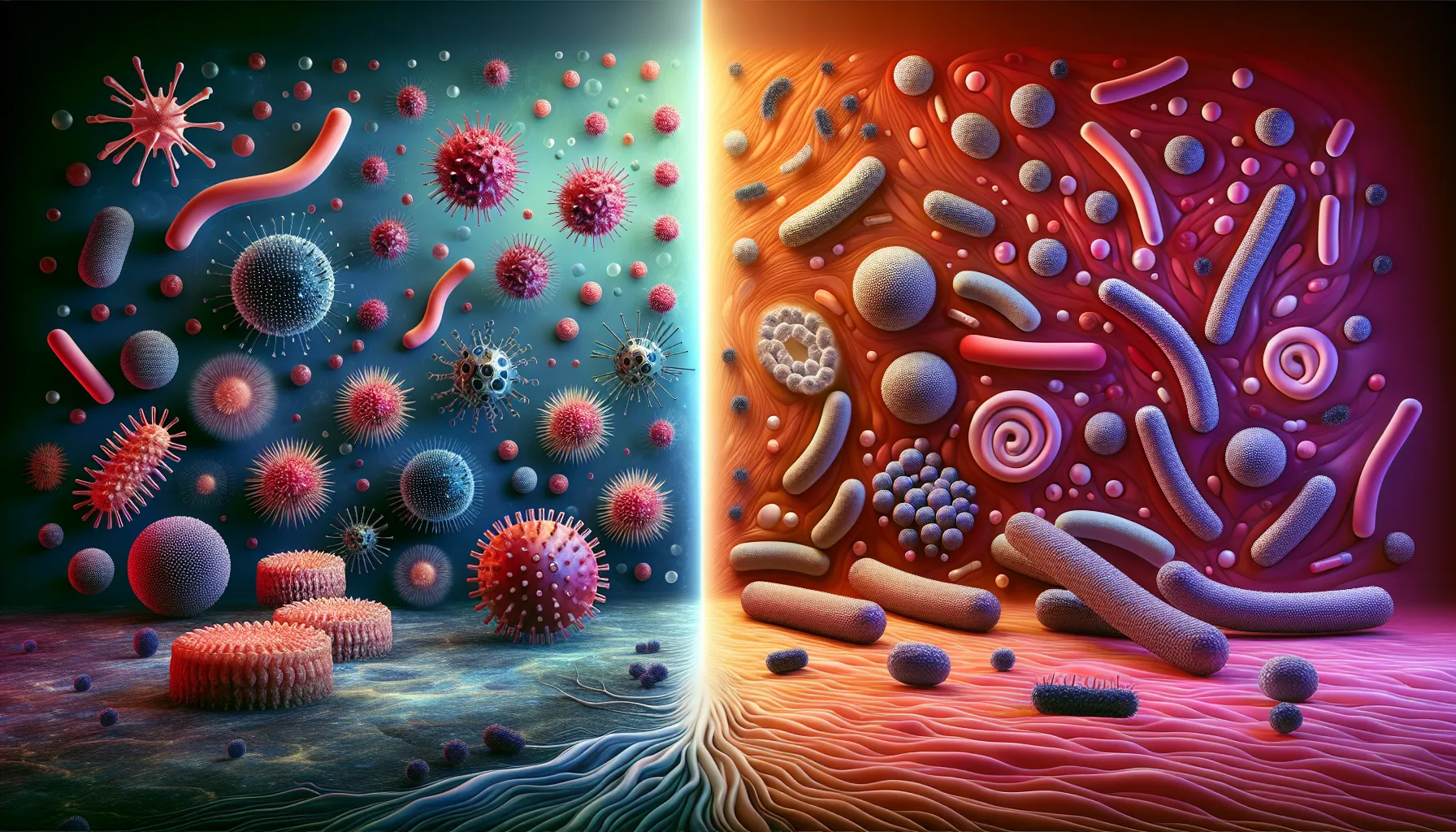
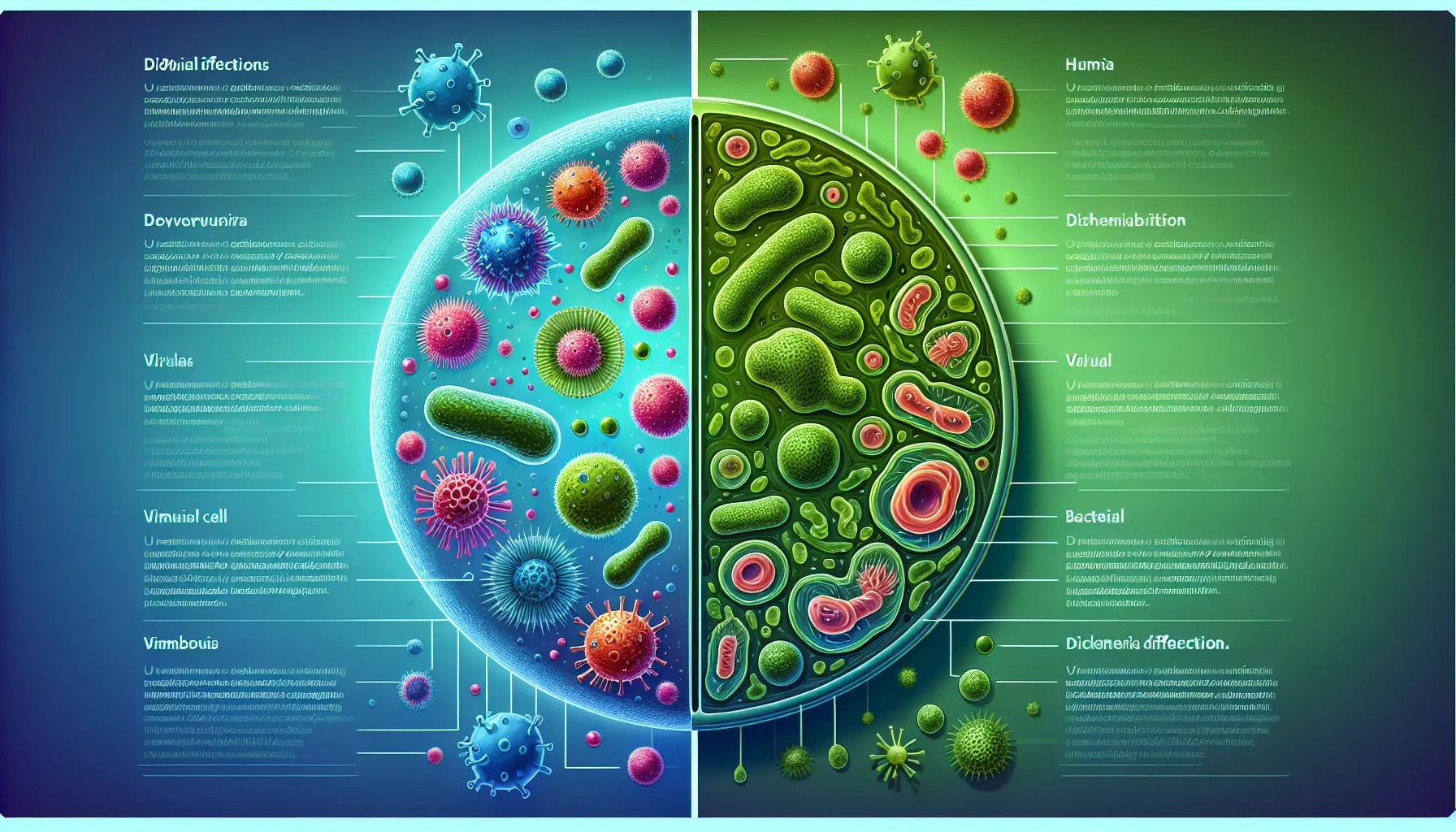
Infections are a part of life, yet not all infections are the same. Within the biological world, both viral and bacterial infections play significant roles in affecting human health. Understanding the distinctions between these two can not only help in seeking proper medical intervention but also in taking preventive measures to stay healthy.
Understanding Infections and Their Causes
What Defines a Viral Infection?
Viral infections are caused by viruses, which are microscopic particles that rely on living host cells to reproduce and propagate. Unlike bacteria, viruses cannot survive independently and depend on hijacking the cellular machinery of your body.
Mechanism of Viral Infections
When a virus enters your body, it binds to specific cells and injects its genetic material, taking over cellular processes to replicate. This often disrupts normal cell functions, causing symptoms of illness.
Examples of Common Viral Infections
Viruses cause many well-known diseases such as the common cold, influenza, and more severe ailments like hepatitis.
Characteristics of a Bacterial Infection
Bacteria are unicellular organisms found in various environments. While many bacteria are harmless or even beneficial, certain strains can cause infections.
How Bacteria Cause Diseases
Pathogenic bacteria release toxins or directly invade tissues, prompting an immune response from your body.
Examples of Common Bacterial Infections
Conditions such as strep throat and urinary tract infections are typical examples of bacterial diseases.
Comparison Between Viral and Bacterial Infections
Key Biological Differences
Viruses are sub-microscopic infectious agents relying on host cells, while bacteria are independent living organisms. These fundamental differences influence how each causes disease and how your body responds.
Symptoms and Diagnosis
Symptoms tend to overlap: but, certain patterns, such as mucus color during respiratory infections, can hint at the cause. Diagnosing requires laboratory tests like blood cultures or swabs.
Treatment Approaches
Viral infections respond to antiviral medication or are managed symptomatically, while bacterial infections are treated using antibiotics. Misuse of these can lead to resistance.
Preventive Measures for Viral and Bacterial Infections
General Hygiene Practices
Proper handwashing, disinfecting surfaces, and avoiding contact with infected individuals can significantly lower the risk of infections.
Vaccinations and Antimicrobial Resistance
Vaccines provide protection against many viral and some bacterial infections. Responsible medication usage prevents the rise of resistant strains.
When to Seek Medical Attention
Indicators for Consulting a Healthcare Professional
Persistent high fever, worsening symptoms, or unusual severity can indicate the need for medical care.
Importance of Timely Intervention
Early treatment not only alleviates symptoms but also reduces the risk of complications, ensuring better outcomes.
To provide the best experiences, we use technologies like cookies to store and/or access device information. Consenting to these technologies will allow us to process data such as browsing behaviour or unique IDs on this site. Not consenting or withdrawing consent, may adversely affect certain features and functions.
Functional
Always active
The technical storage or access is strictly necessary for the legitimate purpose of enabling the use of a specific service explicitly requested by the subscriber or user, or for the sole purpose of carrying out the transmission of a communication over an electronic communications network.
Preferences
The technical storage or access is necessary for the legitimate purpose of storing preferences that are not requested by the subscriber or user.
Statistics
The technical storage or access that is used exclusively for statistical purposes.The technical storage or access that is used exclusively for anonymous statistical purposes. Without a subpoena, voluntary compliance on the part of your Internet Service Provider, or additional records from a third party, information stored or retrieved for this purpose alone cannot usually be used to identify you.
Marketing
The technical storage or access is required to create user profiles to send advertising, or to track the user on a website or across several websites for similar marketing purposes.