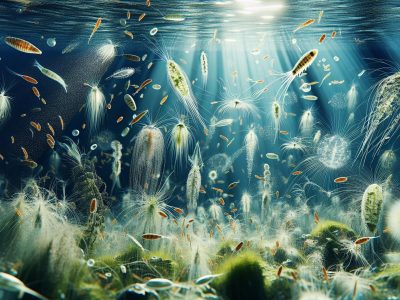
Imagine a world teeming with life, from the tiniest insects scuttling underfoot to majestic whales gliding through the ocean depths. Have you ever wondered what sets these creatures apart? At the heart of it lies a remarkable distinction: some possess a backbone, while others do not. This simple difference shapes their anatomy, behavior, and survival in fascinating ways.
When you think about animals, it’s easy to overlook how their internal structures define them. Vertebrates, with their sturdy spinal columns, often dominate your imagination—think lions, birds, or fish. Yet invertebrates, the unsung heroes of biodiversity, make up the vast majority of species on Earth. From delicate butterflies to resilient octopuses, their adaptability is astounding.
Understanding the contrast between vertebrates and invertebrates opens a window into the incredible diversity of life. It’s a story of evolution, innovation, and survival that’s as captivating as it is essential.
Understanding Vertebrates And Invertebrates
Vertebrates and invertebrates represent two primary classifications in the animal kingdom. Vertebrates, including mammals, birds, reptiles, amphibians, and fish, possess a well-defined backbone or spinal column. This internal skeletal structure provides support, aids movement, and protects vital organs like the brain and heart. Examples include cats, parrots, and sharks.
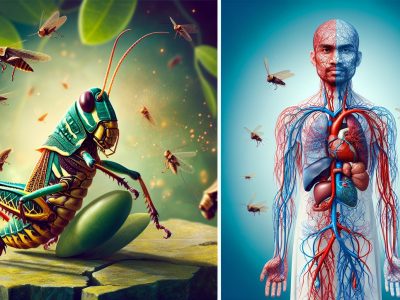
In contrast, invertebrates lack a backbone, relying on diverse body structures like exoskeletons or hydrostatic skeletons. This group includes insects, mollusks, arachnids, and crustaceans. Notable examples are ants, squids, and spiders. They comprise over 97% of all animal species, showcasing extensive adaptability across various habitats.
An important distinction lies in nervous system development. Vertebrates exhibit complex nervous systems with distinct brain regions controlling specific functions. This enables advanced behaviors and problem-solving abilities. Invertebrates, though varied, generally exhibit simpler nervous structures. Octopuses, but, challenge this pattern with their remarkable intelligence and problem-solving skills.
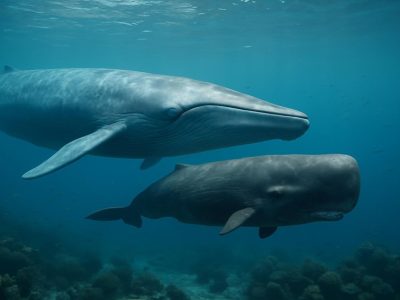
Size often differs significantly between these groups. Vertebrates, like whales or elephants, can grow much larger due to strong endoskeletons. Most invertebrates are smaller, though species like giant squids challenge this norm. Reproductive methods also vary, with invertebrates often producing vast offspring numbers to counter high predation rates, while vertebrates typically focus on nurturing fewer offspring.
Both groups contribute uniquely to ecosystems. Vertebrates, like wolves or eagles, often serve as predators regulating populations. Invertebrates, such as bees and earthworms, play essential roles in pollination, decomposition, and soil aeration. Understanding these distinctions highlights their interdependence and ecological significance.
Key Characteristics Of Vertebrates
Vertebrates share distinct traits that set them apart from invertebrates, primarily their complex structure and advanced bodily systems. These features allow them to thrive across diverse environments.
Structural Features
Vertebrates possess a backbone, which houses and protects the spinal cord—a critical component of the central nervous system. Their internal skeleton, made of bone or cartilage, provides support and enables movement. This endoskeleton also facilitates growth without requiring molting, unlike exoskeletons in invertebrates.
Complex organ systems define vertebrates. A closed circulatory system with a heart ensures efficient blood circulation. Advanced respiratory systems, like lungs in mammals or gills in fish, allow adaptation to different habitats. Their nervous system supports intricate functions, including sensory perception and motor control, contributing to behaviors such as hunting or nesting.
Examples And Habitat
Vertebrates inhabit nearly every ecosystem. Mammals like elephants and dolphins exhibit high intelligence and social structures. Birds, capable of flight and long migrations, thrive in regions ranging from tundras to rainforests. Reptiles such as snakes and crocodiles dominate tropical and desert climates. Amphibians like frogs depend on moist habitats for survival, blending life on land and in water. Fish, the most diverse vertebrate group, occupy freshwater and marine environments.
These examples highlight vertebrates’ adaptability, which results from their internal structures and specialized organ systems. By analyzing their habitats, you gain insights into environmental challenges they overcome, showcasing their evolutionary advantages.
Key Characteristics Of Invertebrates
Invertebrates, animals without a backbone, comprise the majority of Earth’s biodiversity. Their body structures, habitats, and adaptations showcase remarkable variety and ecological significance.
Structural Features
Invertebrates lack a vertebral column, relying on alternative structural systems for support. Many possess an exoskeleton for protection and mobility, like in arthropods (e.g., insects and crustaceans). Others use hydrostatic skeletons, as seen in annelids like earthworms, where fluid pressure maintains body shape. Soft-bodied invertebrates, such as jellyfish, have unique adaptations, like mesoglea, a gelatinous layer providing buoyancy.
Nervous systems in invertebrates differ significantly from vertebrates. While simpler overall, some species exhibit advanced traits. Octopuses, for example, possess distributed neural networks, enabling impressive problem-solving abilities. On the other hand, starfish have a nerve ring instead of a centralized brain.
Respiratory structures also vary. Insects breathe through tracheal tubes, while aquatic invertebrates like mollusks often use gills. Circulatory systems range from open, as in most arthropods, to closed, as found in cephalopods.
Examples And Habitat
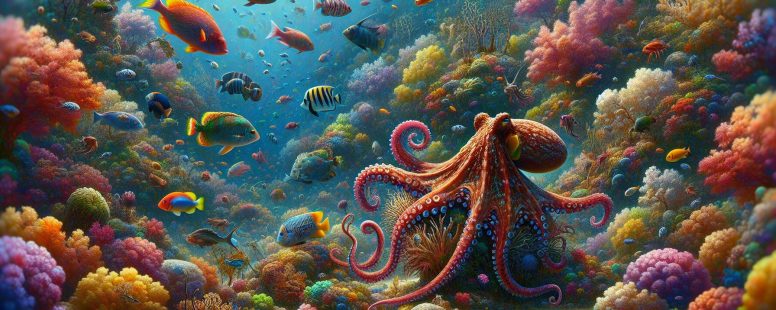
Invertebrates inhabit nearly every ecosystem, from deep oceans to arid deserts. Sponges thrive in marine environments, filtering water for nutrients. Insects like ants dominate terrestrial ecosystems, engaging in complex colonies and adaptability. Coral reefs, built by invertebrate polyps, form critical habitats sustaining marine biodiversity.
Some invertebrates demonstrate extreme adaptability. Tardigrades can survive in extreme conditions, including outer space. Others, like scorpions in arid climates, exhibit specialized behaviors for survival.
Major Differences Between Vertebrates And Invertebrates
Understanding the distinctions between vertebrates and invertebrates reveals the incredible diversity of life on Earth. You can examine their anatomical structures, nervous system complexity, and reproductive strategies for deeper insight.
Anatomical Differences
Vertebrates possess an internal skeleton made of bone or cartilage, providing structural support and protection. Their backbone encloses the spinal cord, a critical part of the nervous system. Examples include mammals like humans, reptiles like snakes, and fish like salmon. These internal structures enable greater flexibility, growth, and support for larger body sizes.
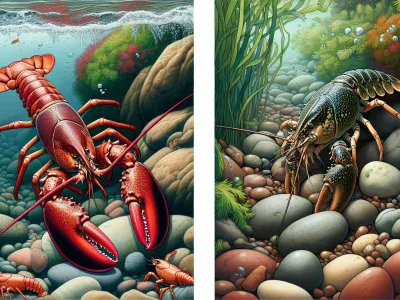
In contrast, invertebrates lack a backbone. Their structural support comes from exoskeletons, like in crabs and insects, or hydrostatic skeletons, as seen in earthworms and jellyfish. These external or fluid-based skeletons are lightweight but limit body size in many species. While vertebrates rely on internal strength, invertebrates showcase incredible adaptability, thriving in various ecosystems.
Nervous System And Mobility
Vertebrates have highly developed nervous systems. Their complex brains and spinal cords enable advanced behaviors and coordinated movements. Birds, for instance, demonstrate remarkable migration patterns, while dolphins use echolocation to navigate and hunt. This complexity supports problem-solving, memory, and survival in diverse environments.
Invertebrates, though simpler, display unique adaptations. Some species, like cephalopods (e.g., octopuses), boast advanced neural networks. Octopuses solve puzzles and escape predators using camouflage, showing their intelligence even without a backbone. Mobility varies widely; insects like ants possess segmented legs for agility, while starfishes rely on water vascular systems to move.
Reproductive Strategies
Vertebrates exhibit diverse reproduction methods. Most perform sexual reproduction with internal fertilization, as seen in mammals and birds. Oviparous species, like frogs, lay eggs, while viviparous ones, such as humans, give birth to live young. These strategies often involve parental care, ensuring higher survival rates for offspring.
Invertebrates use both sexual and asexual reproduction. Many insects, like bees, lay large numbers of eggs, ensuring population stability. Others, like hydras, reproduce asexually through budding. Some species even switch methods to adapt to environmental changes, highlighting their evolutionary ingenuity.
Ecological Roles Of Vertebrates And Invertebrates
Vertebrates and invertebrates play critical roles in maintaining ecological balance. Their diverse interactions and contributions shape ecosystems across the planet.
Importance in Ecosystems
Vertebrates often act as apex predators, herbivores, or scavengers, regulating population dynamics in food webs. For example, wolves control deer populations, preventing overgrazing and preserving forest health. Birds like pollinators or seed dispersers contribute to plant reproduction and forest regrowth.
Invertebrates are vital for decomposition, pollination, and nutrient cycling. Earthworms enrich soil by breaking down organic material, enhancing agricultural productivity. Bees and butterflies help cross-pollination, supporting biodiversity in flora. Coral reefs created by invertebrates like corals form crucial marine habitats, housing over 25% of ocean species.
Both groups maintain ecosystems by fulfilling complementary roles. A decline in either can lead to cascading ecological effects.
Human Dependencies
Humans rely heavily on both vertebrates and invertebrates for resources, services, and inspiration. Vertebrates provide protein sources, such as fish and livestock, contributing to global food security. Birds of prey and snakes regulate pests, minimizing damage to crops. In medical fields, research conducted on vertebrates has led to breakthroughs, including treatments for diseases like diabetes using insulin derived from pigs.
Invertebrates like bees are indispensable for agriculture, pollinating approximately 75% of leading crop species. Silk production benefits from the cultivation of silkworms, while certain marine invertebrates contribute to antifungal and antiviral drug development. Also, insect farming shows potential to mitigate food shortages.
The interdependence of humans on vertebrates and invertebrates reflects their intrinsic value in sustaining life and advancing human well-being.
Conclusion
Understanding the differences between vertebrates and invertebrates offers you a deeper appreciation for the complexity and diversity of life on Earth. These two groups, though distinct in structure and function, are equally vital to ecosystems and the planet’s balance.
By exploring their unique characteristics and ecological roles, you gain insight into how interconnected and adaptable life forms truly are. This knowledge not only enriches your understanding of biology but also highlights the importance of preserving all species for the health of our world.
To provide the best experiences, we use technologies like cookies to store and/or access device information. Consenting to these technologies will allow us to process data such as browsing behaviour or unique IDs on this site. Not consenting or withdrawing consent, may adversely affect certain features and functions.
Functional
Always active
The technical storage or access is strictly necessary for the legitimate purpose of enabling the use of a specific service explicitly requested by the subscriber or user, or for the sole purpose of carrying out the transmission of a communication over an electronic communications network.
Preferences
The technical storage or access is necessary for the legitimate purpose of storing preferences that are not requested by the subscriber or user.
Statistics
The technical storage or access that is used exclusively for statistical purposes.The technical storage or access that is used exclusively for anonymous statistical purposes. Without a subpoena, voluntary compliance on the part of your Internet Service Provider, or additional records from a third party, information stored or retrieved for this purpose alone cannot usually be used to identify you.
Marketing
The technical storage or access is required to create user profiles to send advertising, or to track the user on a website or across several websites for similar marketing purposes.