Choosing a dietary lifestyle varies widely based on personal values, health goals, and ethical considerations. Among the most discussed and adopted diets today stand veganism and the Whole Food Plant-Based (WFPB) approach. While these diets share similarities, they also differ in practices and purposes. Understanding these distinctions is instrumental in aligning your choice with your individual needs and values.
Understanding the Vegan Diet
Key Principles of Veganism
Veganism is more than a diet: it’s a lifestyle that seeks to avoid exploiting animals in any form. This principle extends beyond food choices to encompass clothing, cosmetics, and other products, emphasizing compassion and ethics.
Types of Foods Consumed
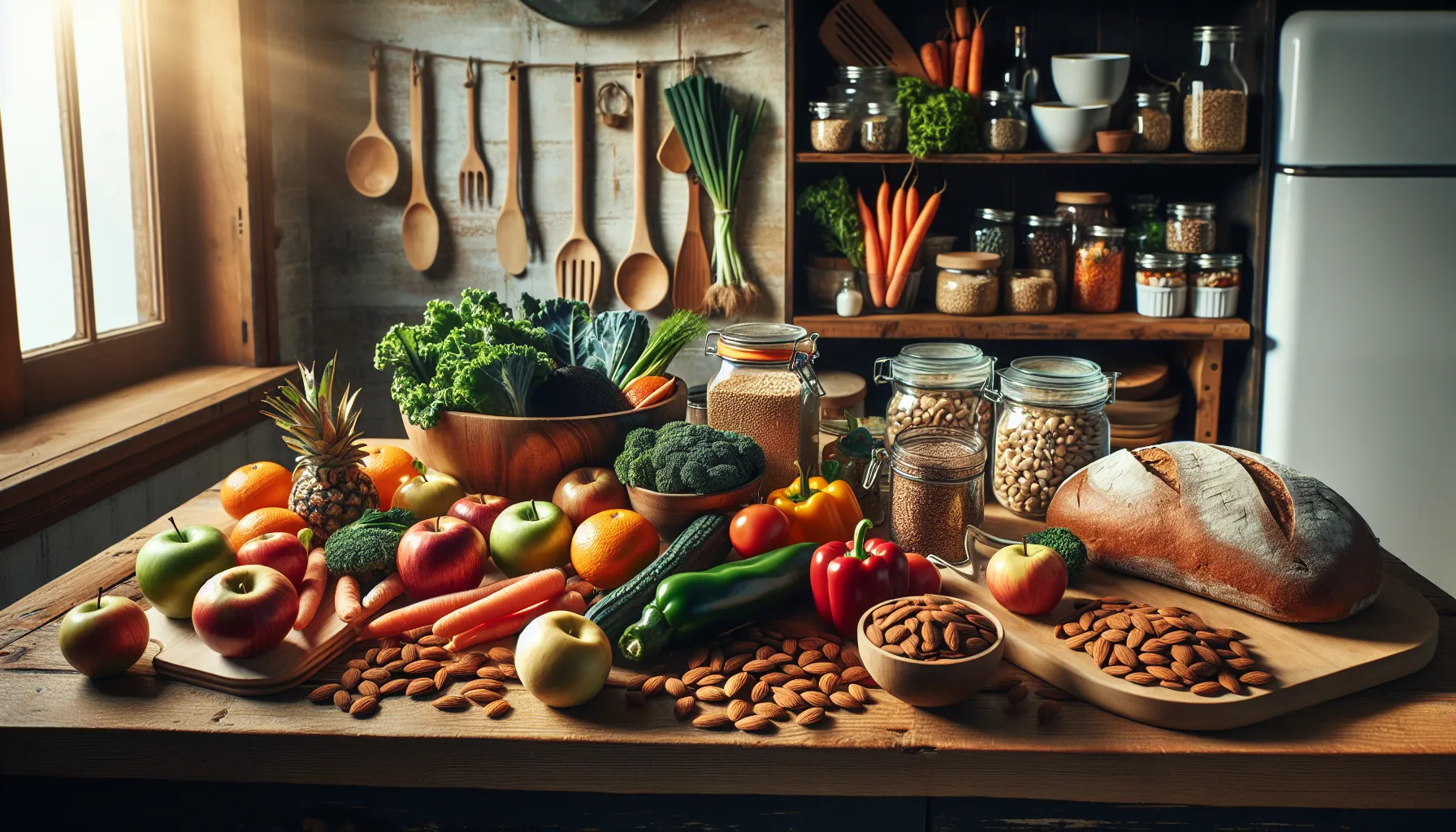
Vegans abstain from all animal-derived products, instead embracing fruits, vegetables, grains, legumes, nuts, and seeds to form a diverse and cruelty-free dietary pattern.
Understanding the Whole Food Plant-Based Diet
Core Principles of Whole Food Plant-Based Eating
The Whole Food Plant-Based (WFPB) diet focuses primarily on consuming plant-derived foods in their natural, unprocessed forms. This approach prioritizes health and nutritional value.
Emphasis on Minimally Processed Foods
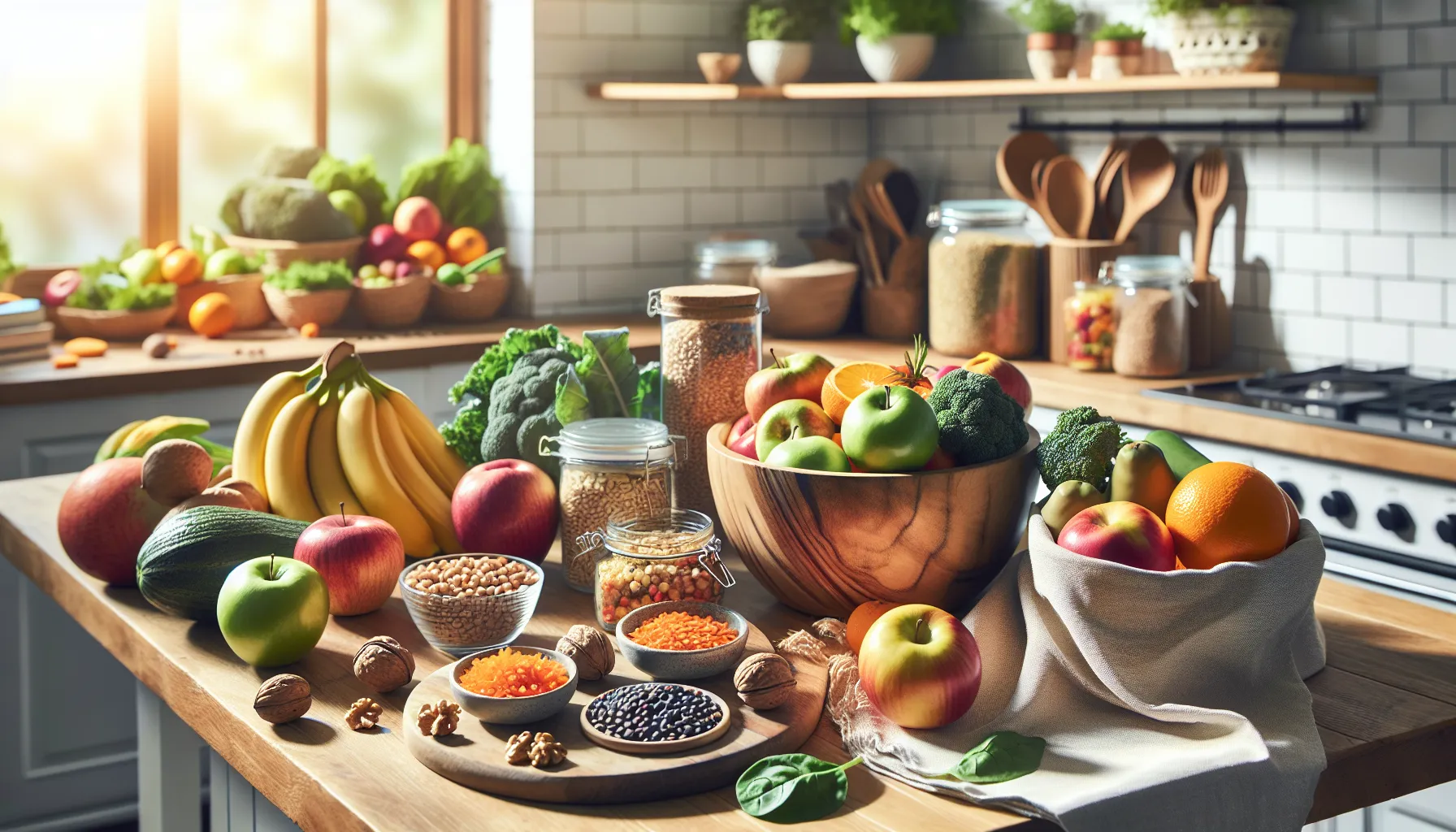
A WFPB diet discourages the consumption of processed ingredients like refined sugars, oils, and packaged items, encouraging whole fruits, vegetables, grains, legumes, and sources of natural fats.
Comparing Vegan and Whole Food Plant-Based Diets
Common Similarities
Both diets exclude animal-derived products and emphasize plant-based eating.
Essential Differences
A major distinction lies in the level of processed food consumed: vegans may still include vegan junk foods, whereas WFPB eaters emphasize whole, unprocessed sources.
Health Implications of Both Diets
Potential Benefits
Both diets, when executed correctly, may decrease the risk of chronic diseases and promote robust health.
Nutritional Considerations
Attention must be paid to nutrients such as Vitamin B12, iron, and omega fatty acids to ensure complete nutritional sufficiency.
Adoption of the Diets
Practical Tips for Transitioning
Gradual integration of plant-based meals and experimenting with recipes can ease the shift to either diet.
Common Challenges and How to Overcome Them
Overcoming social eating environments and ensuring adequate nutrient intake are common hurdles, manageable through preparation and knowledge.
Last Updated: January 19, 2026 at 11:08 am by Ellie B, Site owner & Publisher
To provide the best experiences, we use technologies like cookies to store and/or access device information. Consenting to these technologies will allow us to process data such as browsing behaviour or unique IDs on this site. Not consenting or withdrawing consent, may adversely affect certain features and functions.
Functional
Always active
The technical storage or access is strictly necessary for the legitimate purpose of enabling the use of a specific service explicitly requested by the subscriber or user, or for the sole purpose of carrying out the transmission of a communication over an electronic communications network.
Preferences
The technical storage or access is necessary for the legitimate purpose of storing preferences that are not requested by the subscriber or user.
Statistics
The technical storage or access that is used exclusively for statistical purposes.The technical storage or access that is used exclusively for anonymous statistical purposes. Without a subpoena, voluntary compliance on the part of your Internet Service Provider, or additional records from a third party, information stored or retrieved for this purpose alone cannot usually be used to identify you.
Marketing
The technical storage or access is required to create user profiles to send advertising, or to track the user on a website or across several websites for similar marketing purposes.