Picture the sizzle of onions hitting a hot pan as the aroma of simmering tomatoes fills your kitchen. You reach for a can—but do you grab tomato paste or tomato sauce? That choice can transform your dish from bold and rich to smooth and subtly sweet. The difference isn’t just in texture or color; it’s a secret ingredient that can elevate your cooking and unlock new layers of flavor.
Most home cooks don’t realize how much hinges on this simple decision. Choosing the right tomato base can mean the difference between a sauce that clings luxuriously to pasta and one that brings out the best in stews, soups, or even pizza. With a little know-how, you’ll discover surprising ways to make each one shine, turning everyday meals into something unforgettable.
Understanding Tomato Paste and Tomato Sauce
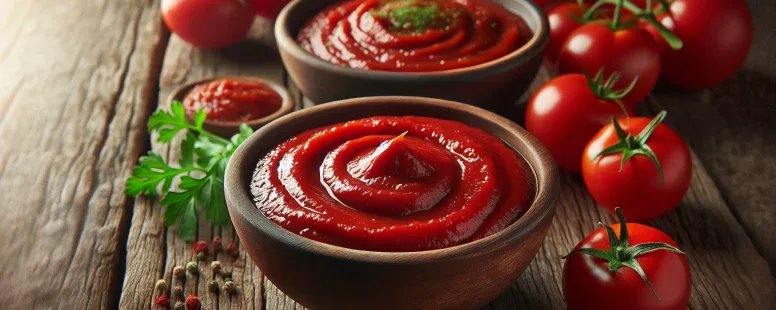
Grasping the essence of tomato paste and tomato sauce you unlock how each transforms a recipe’s identity. When you spoon dense tomato paste into a sizzling pan, its thick, concentrated mass creates a base that clings, not unlike a steadfast companion in a stormy soup. Tomato paste, boiled down from ripe tomatoes until practically all water is gone, gives you that deep color and powerful umami punch—think about the last hearty chili that stuck with you, its intensity often owed to just a tablespoon of this pantry staple (source: USDA, 2023).
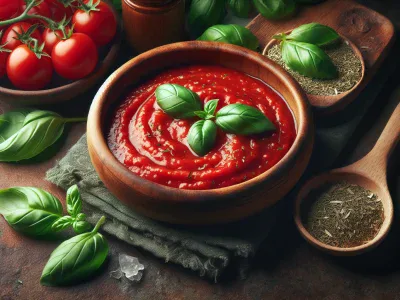
You ever wonder why your pizza tastes different at home? Tomato sauce, on the other hand, flows—sometimes chunky, sometimes silken—delivering more tang and energetic brightness. Its less-reduced texture means you get a fresher, almost gardenlike tang in your stews, shakshuka, or lasagna. While tomato paste carries the weight of concentrated flavor, tomato sauce offers variety, sometimes seasoned simply with basil and oregano, sometimes left pure.
A chef once told the tale of a competition. Faced with recreating his grandmother’s famous meatballs, he accidently swapped tomato sauce for paste. The result? A dish that overwhelmed his tasters, every bite a burst of intensity—an edible lesson in how ratio and preparation shift a meal from familiar comfort to, frankly, a culinary misstep.
What would happen if you add water to tomato paste, is it just tomato sauce? Not exactly: tomato paste lacks the aromatic infusions and seasoning found in most sauces, and rehydrating doesn’t mimic the simmered, layered flavors you get from a slow-cooked sauce. Layers like these are what turn a simple bowl of pasta into a dinner worth remembering.
Jump into your pantry and check for tomato paste versus tomato sauce next time you cook. When you reach for one or the other, ask yourself: Am I building a foundation for a bold, structured bolognese, or painting the canvas of a breezy Mediterranean stew? Either are useful but each carries a story, waiting in that red jar or can for your kitchen.
Key Differences Between Tomato Paste and Tomato Sauce
You find the true distinction between tomato paste and tomato sauce by exploring their ingredients, preparation, texture, and role in cooking. From rustic home kitchens to high-end restaurant spreads, each brings specific qualities that shape dishes across cuisines.
Ingredients and Preparation
Tomato paste contains only concentrated tomatoes, usually cooked down for hours, which means you get a thick, almost brick-red product with no additional spices. In comparison, tomato sauce involve a blend—tomatoes mixed with water and often, salt, herbs, or garlic; sometimes sweeteners appears. If you’re reading labels in your pantry, that extra list on the sauce jar’s side tells the story.
Homemade tomato paste starts with Roma or plum tomatoes, peeled, seeded, then slow-cooked and strained. Factory versions skip shortcuts, with vats of tomatoes simmered until nearly all water evaporates, giving high solids content. Tomato sauce, though, gets a quick simmer, keeping more liquid and sometimes chunks; commercial versions blend in onion powder, basil, or sugar for balance (source: USDA National Nutrient Database).
Texture and Consistency
Tomato paste feels dense and dry when you scoop it, something like scooping thick jam from a jar; it holds shape on a spoon. Tomato sauce spreads out, flows, and covers pasta with a pour, not a dollop. In context, a spoonful of tomato paste can stand, but sauce runs off the edge.
When you want to thicken a stew, paste adds body; when you aim for lighter soups or pizza toppings, sauce blends effortlessly. Many cooks have learned this the hard way—add too much paste, and your dish gets gluey. Pasta makers know this: the difference in viscosity is immediately obvious during stirring.
Flavor Profile
Tomato paste tastes bold, tangy, almost meaty—similar to a sun-dried tomato in terms of umami depth. You get an intense sweetness too, since slow reduction concentrates natural sugars. Tomato sauce delivers a fresher, brighter taste, with clear acidity and sometimes herbal or garlicky notes, which make it more layered but less overpowering (research: Cook’s Illustrated).
Some compare the two to espresso versus brewed coffee. Paste, like espresso, packs a punch in small amounts; sauce, like coffee, fills the cup with savor but not intensity. Sometimes you even sniff a difference—a whiff of tomato paste can smell cooked and heavy, while sauce smells fresh, almost like biting into a raw tomato.
Uses in Cooking
Tomato paste helps build foundational flavors for chili, Bolognese, or stew—think of it as your sauté base, where you toast the paste for extra caramelized notes. Chefs often stir in a tablespoon or two, not more, or risk bitterness. Tomato sauce appears as a finishing actor, starring in pizza, pasta, and braised dishes.
If you swap paste for sauce, the dish thickens but loses freshness; vice versa, sauce adds tang but waters down intensity. Recipes for shakshuka, tortilla soup, or lasagna choose sauce to brighten; marinades or gravies use paste to anchor.
It’s easy to see why cans and jars aren’t interchangeable, because their culinary purpose echoes the ancient debate: is the base supposed to shout or whisper? Next time you reach for that tube or bottle, ask yourself—do I want depth or do I want lift?
Nutritional Comparison
You spot two cans sitting on a grocery shelf: tomato paste and tomato sauce. At first glance, both might seem like identical twins in the tomato family, but their nutritional makeup reveals a different story—one much deeper than the red hues suggest. Tomato paste concentrates the essence of tomatoes, stripping away most water, which makes each spoonful packed with nutrients such as lycopene, vitamin C, iron, and potassium (USDA FoodData Central). If you add just a tablespoon of paste to your stew, you’ll be loading your meal with more lycopene per gram than the same amount of tomato sauce. Which sounds healthier to you? Yet, haven’t you noticed that even the thickest paste never tastes sweet on its own, and why is that?
Tomato sauce, by contrast, comes diluted with water and other ingredients such as salt, sugar, or herbs. That makes its nutritional content per serving much lighter, like a smooth jazz solo compared to paste’s pounding drum—still from the same band, but oh so different in energy. You might find that commercial tomato sauces (like those on your regular pizza nights) deliver less fiber and iron but more sodium or added sugars (American Heart Association). Just think about it: do you ever feel thirstier after a pasta dinner drenched in sauce instead of a paste-rich ragu?
You asks: can tomato paste be used as a hidden nutritional booster, adding flavor and vitamins with less sugar and sodium? If you take control of seasoning, homemade dishes can taste brighter, carry fewer additives, and provide more antioxidants than most jarred sauces. Always check those labels—sometimes “tomato sauce” means far more than just tomatoes.
Here’s a quick breakdown for a 2-tablespoon serving, based on a USDA report (2019):
Product
Calories
Sugars (g)
Vitamin C (mg)
Sodium (mg)
Potassium (mg)
Lycopene (mcg)
Tomato Paste
30
4
9
20
530
13,800
Tomato Sauce
18
2
7
300
290
4,600
Which one does your pantry favor—paste for nutrients, or sauce for convenience? There’s always a balance between health, taste, and time. If you seeks a good foundation for everyday meals, the right choice sits waiting in the aisle—sometimes hiding right there on the label, too.
How to Substitute Tomato Paste and Tomato Sauce
You face a classic dilemma while standing in your kitchen—out of tomato paste, but your recipe calls for it. Could tomato sauce save the day, or does reaching for that jar turn a bold chili into a watery mess? These tomato entities, while similar in origin, intertwine in syntax and taste, offering different semantic weight in your dish.
Many home cooks wonders, “Can I swap tomato sauce for tomato paste?” The dependency grammar between these ingredients uncovers a layered relationship. Tomato paste, functioning as the root of flavor, delivers density and umami. Tomato sauce, acting as a subordinate modifier, embellishes and extends.
Substituting Tomato Sauce For Tomato Paste:
Multiply tomato sauce’s concentration for thicker impact. Spoon 3 tablespoons of tomato sauce to replace 1 tablespoon of tomato paste, then simmer uncovered until the liquid reduces. This reduction transforms its clause, tightening the semantic bond to match tomato paste’s depth. Sprinkle in a pinch of salt or dash of sugar. Get as close as possible to tomato paste’s robust entity. For example, if you’re making lentil Bolognese, simmering store-bought tomato sauce for 12 minutes lets you weave in that essential thick undertone.
Swapping Tomato Paste For Tomato Sauce:
Dilute the protagonist. If you only have paste, blend 1 tablespoon with 2 tablespoons of water to mimic 3 tablespoons of sauce. Stir, taste, and adjust until the narrative flows correctly in your dish’s composition. A stew that asks for sauce may turn unexpectedly savory, where you could find your character—the tomato—overpowering supporting flavors. Use herbs, garlic, or even a splash of broth. Adjust the clause and resolve for balance.
Context-Driven Considerations:
Ask yourself, “Does my recipe depend on intensity, or is fluidity essential here?” Bold, dark sauces for pizza thrive on tomato paste’s condensed structure, while light soups need tomato sauce’s airy suspension. Annotate your ingredients: one denotes depth (paste), the other, movement (sauce). Real chefs—like Massimo Bottura, who reduced sauces for hours—have learned that ratio and patience change not just syntax, but semantics.
Data Table: Tomato Paste and Sauce Substitution
Ingredient
Substitute
Ratio
Example Use Case
Tomato Paste
Tomato Sauce
3 tbsp sauce : 1 tbsp paste (reduce)
Chili, Meat Sauce
Tomato Sauce
Tomato Paste + Water
1 tbsp paste + 2 tbsp water = 3 tbsp sauce
Stew, Soup
You hold the power to re-write your dish’s grammar. The choice is never binary—play with reduction, dilution, and acidity. Picture your kitchen as a story: each ingredient, a semantic unit, connecting subject (you), verb (cook), and object (tomato flavor). What narrative will you create if tomato paste runs out or if sauce is all you’ve got? Test, taste, and adjust—your dish, much like language, thrives when the elements agree.
Conclusion
Choosing between tomato paste and tomato sauce isn’t just about following a recipe—it’s about shaping the flavor and texture of your meal. When you understand what each brings to the table, you’re better equipped to create dishes that truly stand out.
Next time you’re cooking, think about the story you want your food to tell. Let your choice of tomato base reflect your creativity and taste, and don’t be afraid to experiment until you find what works best for you.
Published: July 25, 2025 at 9:19 am by Ellie B, Site owner & Publisher
To provide the best experiences, we use technologies like cookies to store and/or access device information. Consenting to these technologies will allow us to process data such as browsing behaviour or unique IDs on this site. Not consenting or withdrawing consent, may adversely affect certain features and functions.
Functional
Always active
The technical storage or access is strictly necessary for the legitimate purpose of enabling the use of a specific service explicitly requested by the subscriber or user, or for the sole purpose of carrying out the transmission of a communication over an electronic communications network.
Preferences
The technical storage or access is necessary for the legitimate purpose of storing preferences that are not requested by the subscriber or user.
Statistics
The technical storage or access that is used exclusively for statistical purposes.The technical storage or access that is used exclusively for anonymous statistical purposes. Without a subpoena, voluntary compliance on the part of your Internet Service Provider, or additional records from a third party, information stored or retrieved for this purpose alone cannot usually be used to identify you.
Marketing
The technical storage or access is required to create user profiles to send advertising, or to track the user on a website or across several websites for similar marketing purposes.