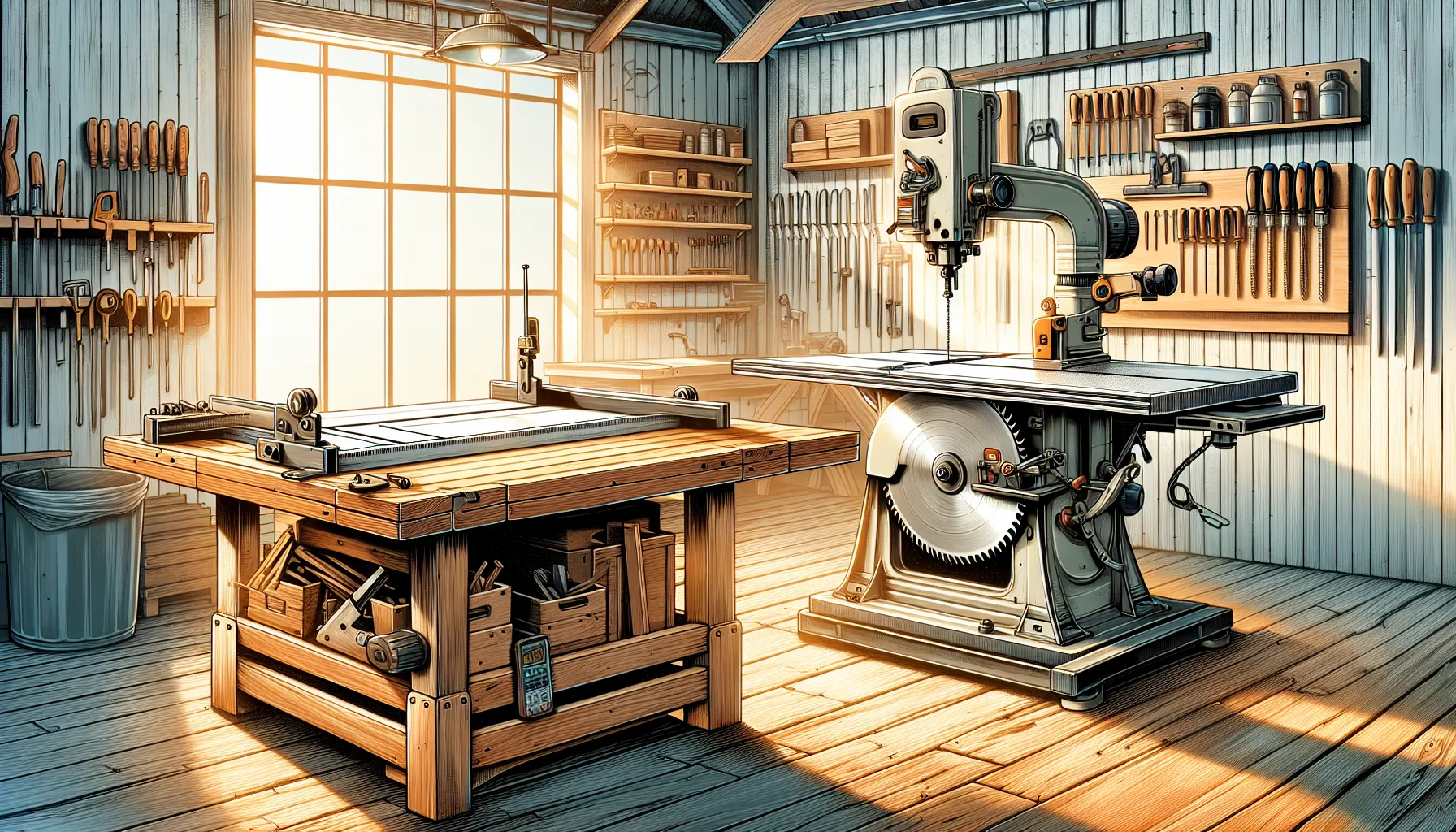
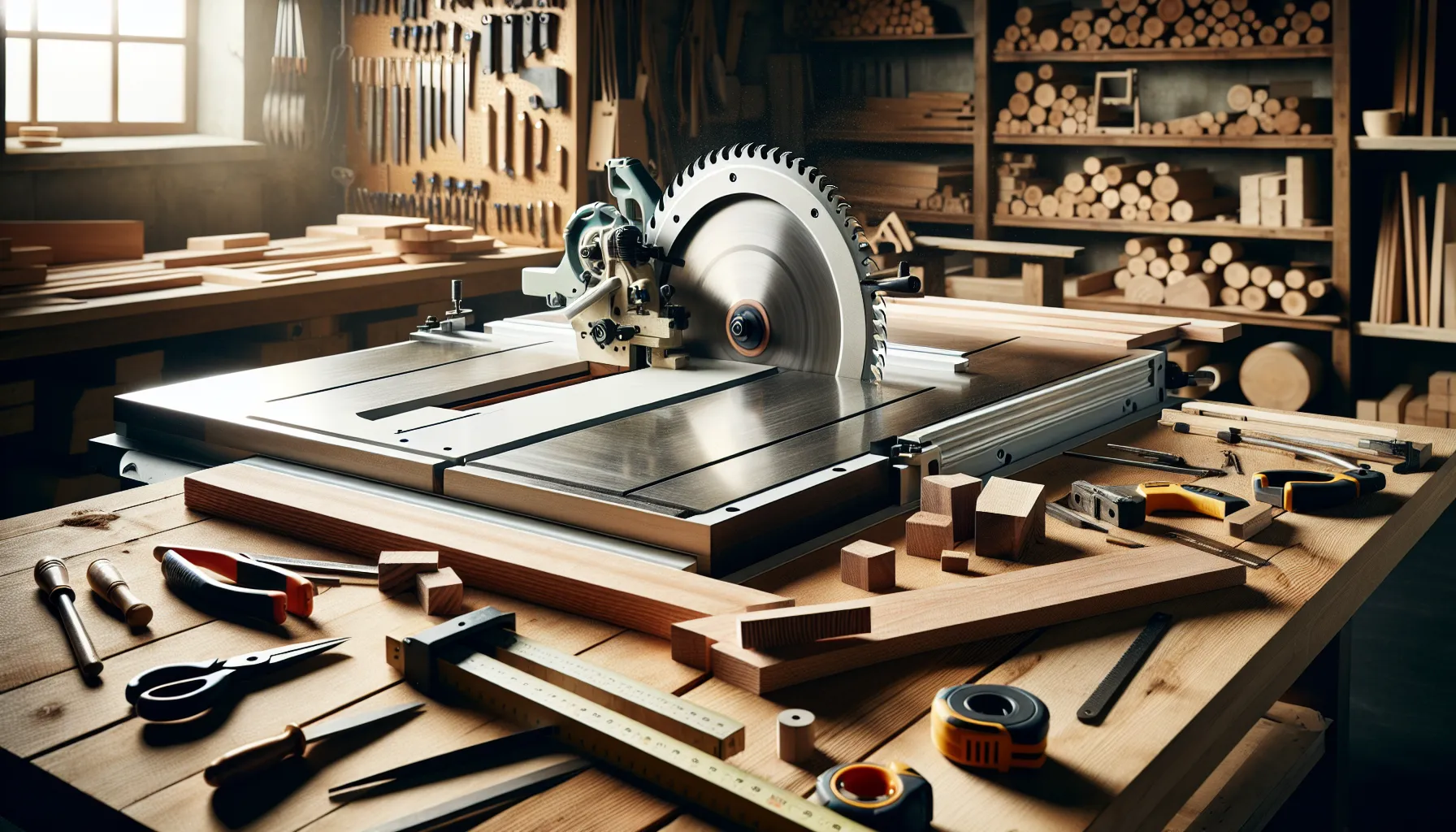
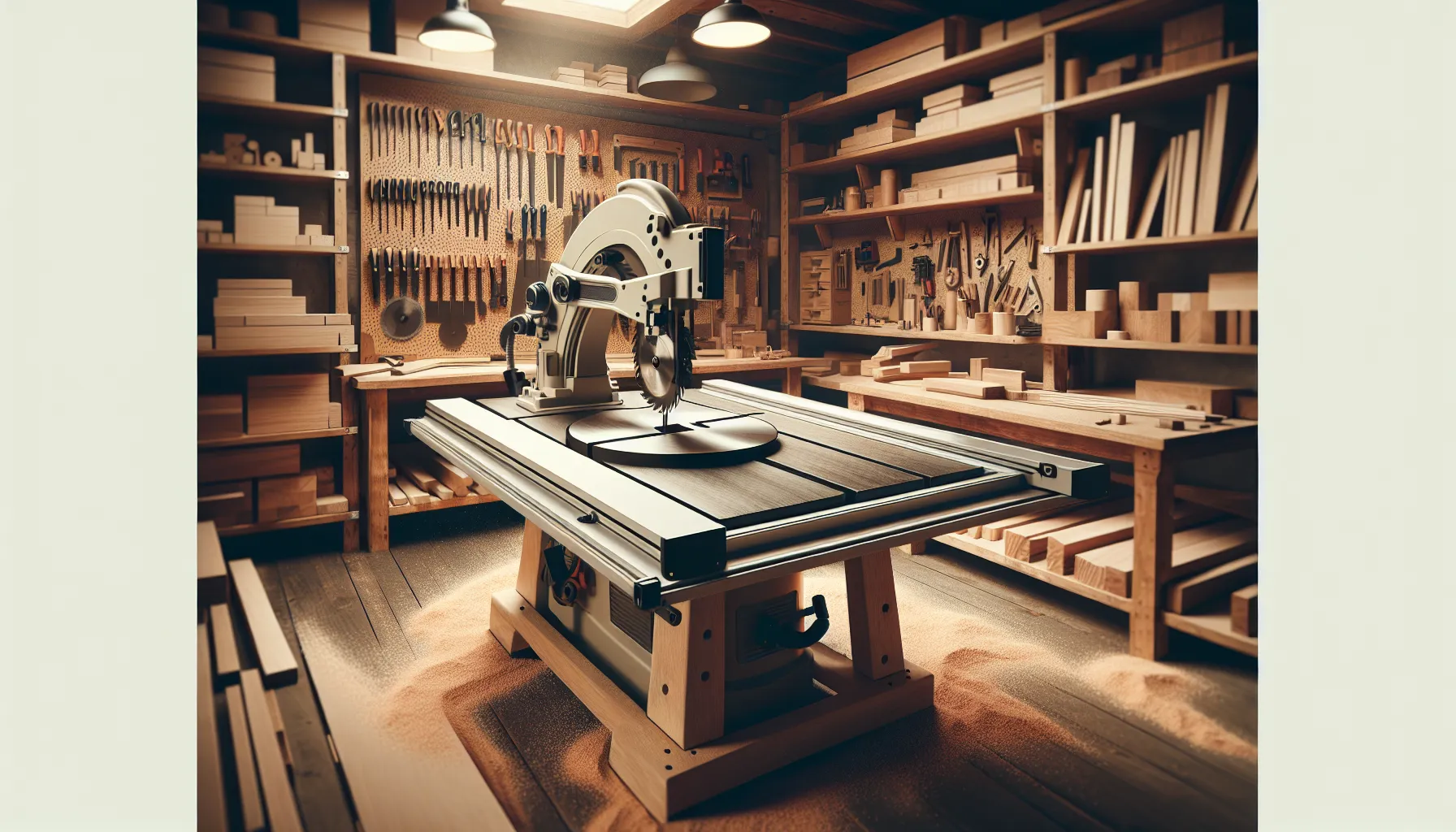
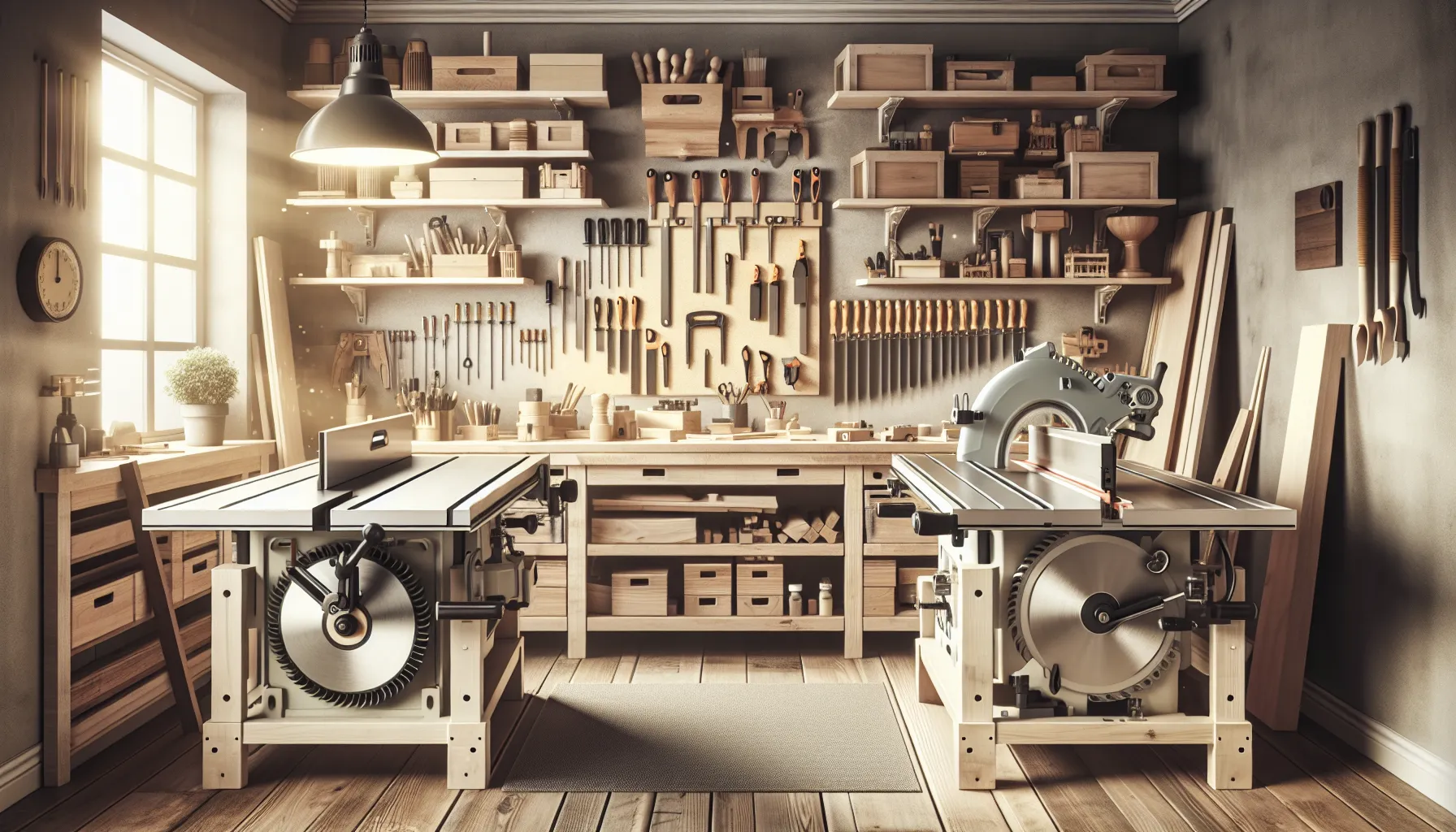
In woodworking, selecting the right tools is essential not only for efficiency but also for ensuring the quality of your projects. Among the array of saws available, table saws and radial arm saws are often compared due to their versatility and precision. Understanding the distinctions between these tools can help you make informed decisions tailored to your specific needs.
Introduction to Table Saw and Radial Arm Saw
Overview of the Table Saw
The table saw is a versatile woodworking tool in which a rotating blade emerges from the center of a table-like surface, allowing the user to make consistent and precise cuts. It is widely used among hobbyists and professionals for tasks such as ripping and cross-cutting due to its stability and resilience in handling various types of wood.
Overview of the Radial Arm Saw
The radial arm saw differentiates itself through a suspended design, where the blade hangs above the work surface and can be maneuvered horizontally. This gives users the ability to make specialized cuts such as rabbets, dadoes, and bevels. Its flexible arm positions add a layer of customization, proving beneficial in specific use cases.
Key Differences Between Table Saw and Radial Arm Saw
Design and Structure Comparison
The structural design marks a clear distinction between the two: the table saw’s flat surface with a protruding blade contrasts with the overhanging mechanism of the radial arm saw. That foundational difference determines their respective applications and user experiences.
Functionality and Use Cases
While table saws are acclaimed for precision in straightforward cuts like ripping lumber into smaller widths, radial arm saws excel in performing intricate tasks, including angled and bevelled cuts through their adjustable arms, making them suited for detailed craftsmanship.
Advantages and Disadvantages of a Table Saw
Table saws are known for their robustness and capacity to handle large pieces of wood efficiently. Advantages include heightened precision, user-friendly operation, and suitability for bulk processing. But, limitations such as less versatility in specialist cuts and relatively stationary setups can be considered.
Advantages and Disadvantages of a Radial Arm Saw
Radial arm saws are celebrated for their adaptability and ability to perform complex cuts. They provide great flexibility and adaptability. On the other hand, users may encounter steeper learning curves and potential safety concerns due to their open-blade design, necessitating attentive operation and regular maintenance.
Factors to Consider When Choosing Between Them
When choosing, consider the nature of the work you will tackle. For consistent, repetitive cuts requiring precision, a table saw might serve better. For dynamic projects with diverse cut types, the radial arm saw could bring considerable advantages. Evaluate workspace constraints, intended frequency of use, and budgeting.
Published: January 22, 2026 at 12:40 pm by Ellie B, Site owner & Publisher
To provide the best experiences, we use technologies like cookies to store and/or access device information. Consenting to these technologies will allow us to process data such as browsing behaviour or unique IDs on this site. Not consenting or withdrawing consent, may adversely affect certain features and functions.
Functional
Always active
The technical storage or access is strictly necessary for the legitimate purpose of enabling the use of a specific service explicitly requested by the subscriber or user, or for the sole purpose of carrying out the transmission of a communication over an electronic communications network.
Preferences
The technical storage or access is necessary for the legitimate purpose of storing preferences that are not requested by the subscriber or user.
Statistics
The technical storage or access that is used exclusively for statistical purposes.The technical storage or access that is used exclusively for anonymous statistical purposes. Without a subpoena, voluntary compliance on the part of your Internet Service Provider, or additional records from a third party, information stored or retrieved for this purpose alone cannot usually be used to identify you.
Marketing
The technical storage or access is required to create user profiles to send advertising, or to track the user on a website or across several websites for similar marketing purposes.