Picture engaging in your favorite physical activity, feeling perfectly in sync with your movements, when suddenly, a sharp pain halts your stride. Was it a strain, or perhaps a sprain? These common yet distinct injuries may share similar symptoms, but they differ in nature, causes, and management. Understanding their unique characteristics is crucial not only for effective treatment but also for prevention and long-term physical well-being. By exploring their nuances, you’ll be better equipped to address, and ideally avoid, these interruptions to an active lifestyle.
Understanding Strains and Sprains
Definitions of Strain and Sprain
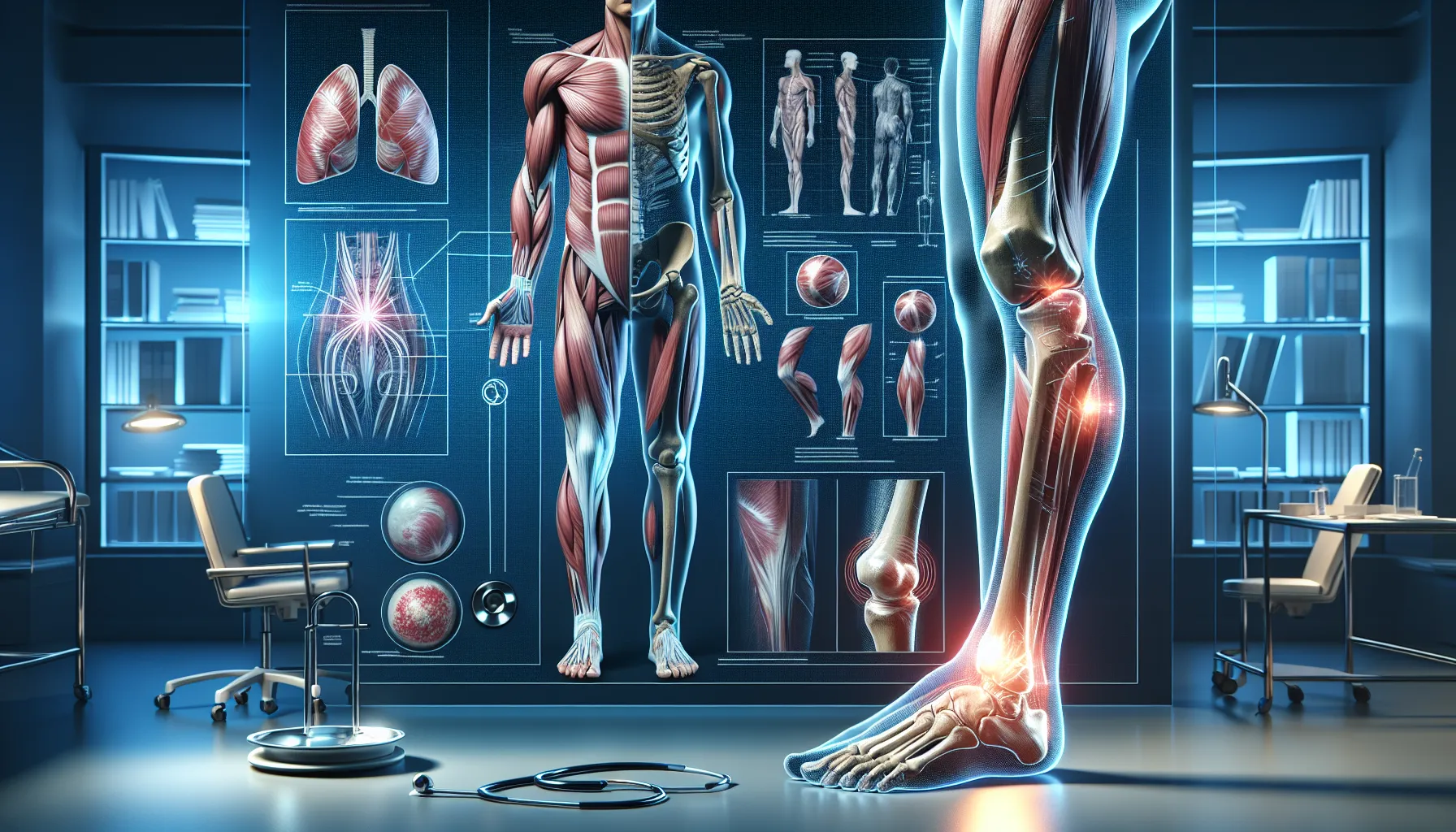
A strain involves an injury to a muscle or the tendons, which are fibrous tissues that connect muscles to bones. Conversely, a sprain occurs when ligaments, the tissues that join bones within a joint, are overstretched or torn. Recognizing this distinction is key to tailoring the optimal treatment response.
How These Injuries Occur
Strains often result from overuse or sudden forceful movement, affecting areas like the lower back or hamstrings. In contrast, sprains frequently stem from trauma or sudden twists, particularly impacting the ankles or wrists. The context and mechanics of injury provide critical clues to their identification.
Recognizing the Symptoms of Each
Symptoms of a Strain
If you experience a strain, you may notice muscle weakness, spasms, swelling, or localized pain that worsens with movement. These symptoms can manifest immediately or develop over time, depending on the extent of the injury.
Symptoms of a Sprain
A sprain commonly presents with symptoms such as significant swelling, bruising, and a reduced range of motion around the affected joint. Severe cases may exhibit instability, signaling torn ligaments that compromise the joint’s structural integrity.
Causes and Risk Factors
Common Scenarios Leading to Strains
Strains frequently occur during activities necessitating dynamic movement or heavy lifting. Athletes engaging in sports involving repetitive motions, such as running or throwing, are particularly at risk.
Common Scenarios Leading to Sprains
Sprains are commonly associated with accidents involving missteps, awkward landings, or direct impacts. Common environments where these occur include uneven surfaces and high-impact sports.
Treatment and Recovery
Immediate First Aid Measures
Initial management of both strains and sprains involves the R.I.C.E. method: Rest, Ice, Compression, and Elevation. Administering this promptly minimizes swelling and pain.
Ongoing Care and Rehabilitation
After the acute phase, physical therapy focusing on gradual mobilization, strength building, and restoring flexibility becomes instrumental in recovery. Consulting a healthcare professional ensures that the rehabilitation plan aligns with the injury’s severity and your recovery goals.
Preventing Strains and Sprains
Proper Preparation and Techniques
Preventive strategies include warming up before physical activity and employing proper techniques during exercises. Ensuring the correct equipment and footwear is also vital.
Strengthening Exercises and Lifestyle Practices
Incorporating strengthening exercises targeting the muscles and ligaments reduces the likelihood of injury. Also, maintaining a balanced lifestyle with adequate nutrition and rest supports overall musculoskeletal health.
To provide the best experiences, we use technologies like cookies to store and/or access device information. Consenting to these technologies will allow us to process data such as browsing behaviour or unique IDs on this site. Not consenting or withdrawing consent, may adversely affect certain features and functions.
Functional
Always active
The technical storage or access is strictly necessary for the legitimate purpose of enabling the use of a specific service explicitly requested by the subscriber or user, or for the sole purpose of carrying out the transmission of a communication over an electronic communications network.
Preferences
The technical storage or access is necessary for the legitimate purpose of storing preferences that are not requested by the subscriber or user.
Statistics
The technical storage or access that is used exclusively for statistical purposes.The technical storage or access that is used exclusively for anonymous statistical purposes. Without a subpoena, voluntary compliance on the part of your Internet Service Provider, or additional records from a third party, information stored or retrieved for this purpose alone cannot usually be used to identify you.
Marketing
The technical storage or access is required to create user profiles to send advertising, or to track the user on a website or across several websites for similar marketing purposes.